
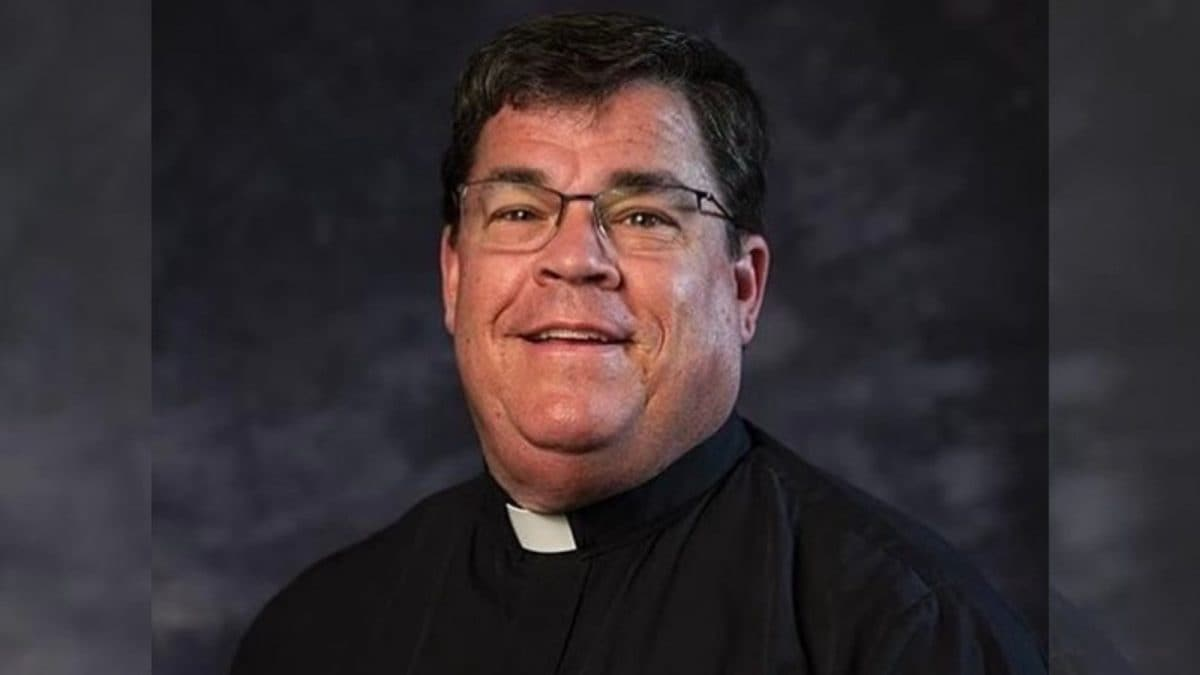
In a shocking revelation that has sent ripples through the Catholic community in Alabama and beyond, a 61-year-old priest named Robert Sullivan has been accused of engaging in an inappropriate and exploitative relationship with a 17-year-old stripper back in 2009. The allegations, brought forward by the woman now known as Heather Jones, paint a disturbing picture of a clergyman who allegedly used his position of authority and financial resources to initiate and sustain a secret affair, complete with hush money payments and ongoing support.
Robert Sullivan, who has served as the pastor of Our Lady of Sorrows Church in Homewood, Alabama, for many years, has been placed on administrative leave amid an internal diocese investigation. This case highlights broader issues within religious institutions regarding accountability, vulnerability, and the protection of minors, even as the church grapples with its history of scandals.
The story, as reported by the Guardian, unfolds like a cautionary tale of power imbalances and hidden lives. Jones, who was just a teenager working in a strip club at the time, claims that Robert Sullivan was a regular visitor who approached her with an offer that blurred the lines between generosity and manipulation.
What began as tipping during her performances allegedly escalated into a proposition for a non-disclosure agreement (NDA) worth $273,000, in exchange for what she describes as an “ongoing relationship” involving financial support and private companionship, which included sexual encounters. This accusation comes at a time when the Catholic Church is still recovering from global scrutiny over abuse scandals, making Sullivan’s case a focal point for discussions on clerical conduct and ethical boundaries.
As details emerge, it’s clear that this isn’t just a fleeting incident but a prolonged entanglement that reportedly lasted until earlier this year. Jones’s decision to come forward publicly stems from her concern for others who might be vulnerable to similar exploitation, especially given Sullivan’s role working closely with families and children in his parish.
The priest’s long-standing career, spanning over 32 years, including a six-year tenure as president of John Carroll High School, adds layers of complexity to the narrative. How could someone in such a trusted position allegedly lead a double life?
The Allegations: From Strip Club Encounter to Secret Payments
The core of Heather Jones’s accusations revolves around her initial meeting with Robert Sullivan in 2009, when she was only 17 and performing as a stripper in an Alabama club. According to Jones, Sullivan was not a one-time patron but a frequent visitor who took a particular interest in her. While tipping her during her dances, he allegedly made an extraordinary offer: $273,000 in exchange for signing a non-disclosure agreement.
This NDA was purportedly to ensure her silence about an “ongoing relationship” that would involve financial support in return for private companionship, which Jones explicitly states included sexual activities. Jones’s account describes a vulnerable young woman, raised in foster care due to her mother’s severe neglect, who was hesitant to accept the proposal.
She claims that Sullivan’s persistence, combined with her own fragile state of mind—marked by struggles with addiction and depression—ultimately led her to agree. Days after the initial offer, she allegedly received two wire transfers of $136,500 each, totaling the promised amount, from an attorney’s office. This financial arrangement set the stage for what Jones portrays as a years-long affair, during which Sullivan posed as a doctor to conceal his true identity as a priest.
The relationship, as detailed by Jones, extended far beyond the initial payments. Sullivan allegedly took her on outings that included shopping sprees, dining at restaurants, drinking sessions, and stays at hotels across at least six cities in Alabama. These encounters were not isolated; Jones asserts that the affair continued intermittently until this year, spanning over 15 years.
To facilitate communication and maintain secrecy, Sullivan reportedly purchased a phone for her. Additionally, during periods when Jones battled her personal demons, including addiction and depression, he funded her rehabilitation treatments, further entangling their lives. More recent financial transactions add weight to Jones’s claims. Between July 18, 2024, and March 2025, a Venmo account in Sullivan’s name allegedly transferred nearly $120,000 to her.
These payments, Jones says, were part of the ongoing support that kept her bound to the relationship. Her decision to break her silence came from a sense of moral obligation. In her letter to the diocese, she expressed fears that others, particularly those in vulnerable positions, could fall prey to similar manipulation. “Others may be vulnerable to the same type of manipulation and exploitation,” she told the Guardian, emphasizing Sullivan’s proximity to families and children through his church duties.
Robert Sullivan, the pastor of Our Lady of Sorrows, is now on leave as the Diocese of Birmingham investigates allegations that he paid a former exotic dancer nearly $400,000 for sex and companionship starting when she was 17 in 2009.
— AL.com (@aldotcom) August 15, 2025
Reporting by Greg Garrison pic.twitter.com/Yjdf5nRbQt
These allegations, if proven true, represent a grave breach of trust. Priests like Sullivan are expected to embody moral integrity, guiding their congregations through life’s challenges. Instead, Jones’s narrative suggests a man who exploited his authority to prey on a minor in a precarious situation. The fact that Jones was 17 at the time raises legal questions about consent and age of majority, though the diocese has noted that state authorities found insufficient grounds for a criminal probe.
Nonetheless, the sheer scale of the financial involvement—hundreds of thousands of dollars—points to a deliberate effort to buy silence and sustain secrecy. This section of the story underscores the power dynamics at play, where economic incentives can coerce individuals into compromising situations, especially when one party holds significant influence.
As the public digests these details, comparisons to other church scandals inevitably arise. While not involving direct abuse within a religious setting, the elements of grooming, financial coercion, and exploitation echo patterns seen in previous cases. Jones’s foster care background adds a heartbreaking dimension, highlighting how systemic failures in child welfare can leave young people susceptible to predatory behavior. The allegations challenge the community to reflect on how such relationships can persist undetected for so long, and what safeguards are needed to prevent them.
Backgrounds of the Involved Parties: Vulnerability and Authority
To fully understand the gravity of these accusations, it’s essential to examine the backgrounds of both Heather Jones and Robert Sullivan. Jones’s life story is one of hardship and resilience. Raised in foster care because of her mother’s severe neglect, she entered the adult entertainment industry at a young age, likely as a means of survival.
At 17, she was navigating a world far removed from stability, dealing with the emotional scars of abandonment and the pressures of financial independence. Her struggles with addiction and depression, as mentioned in her accounts, further illustrate a young woman in desperate need of support, not exploitation.
Jones’s vulnerability made her an easy target for someone like Sullivan, who wielded both spiritual and financial power. Now 33, she has chosen to speak out, not just for personal catharsis but to protect others. Her public statements reflect a matured perspective, acknowledging her past hesitance while condemning the alleged manipulation. By sharing her story with the Guardian and the diocese, Jones positions herself as a whistleblower, driven by ethical concerns rather than revenge.
On the other side stands Robert Sullivan, a figure of longstanding respect within the Catholic community. Ordained over 32 years ago, Sullivan has dedicated his career to pastoral work, including his current role at Our Lady of Sorrows Church. His six-year presidency at John Carroll High School placed him in direct contact with impressionable youth, a fact that amplifies the unease surrounding these allegations. As a priest, Sullivan took vows of celibacy and service, commitments that appear starkly contradicted by Jones’s claims.
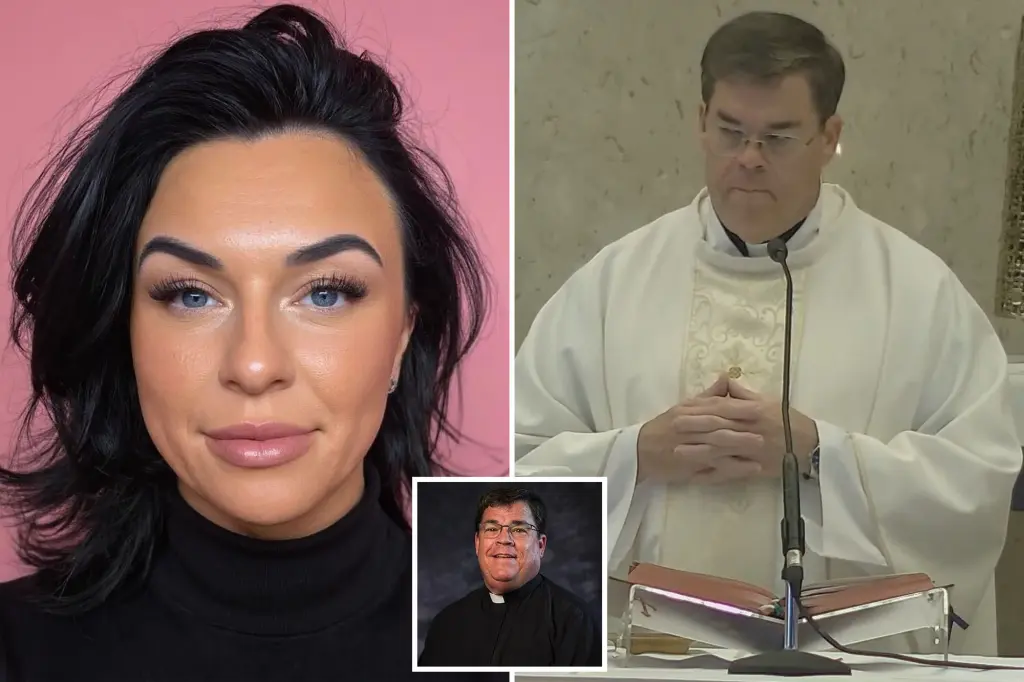
Sullivan’s alleged double life—visiting strip clubs, posing as a doctor, and engaging in a secret relationship—contrasts sharply with his public persona. The financial resources he reportedly deployed raise questions about the source of funds: Were they personal, or did they involve church donations? While the provided information doesn’t specify, the scale of payments suggests access to significant wealth, unusual for a typical priest’s salary.
This disparity between his vows and alleged actions fuels debates on clerical hypocrisy and the need for greater transparency in religious leadership. The intersection of their backgrounds reveals a classic imbalance: a powerful authority figure encountering a marginalized youth.
Jones’s foster care history and entry into stripping at 17 underscore societal failures that leave minors exposed. Sullivan’s role as a priest, meant to offer guidance and protection, allegedly twisted into something predatory. This dynamic is not unique; it mirrors broader patterns in abuse cases where perpetrators exploit trust and vulnerability. Understanding these backgrounds helps contextualize why the relationship allegedly endured for so long and why Jones felt compelled to remain silent until now.
The Church’s Response and Ongoing Investigation
In response to Heather Jones’s allegations, the Catholic Diocese of Birmingham has taken measured steps, though critics might argue they fall short of full accountability. Bishop Steven Raica, who leads the diocese, addressed the claims in a letter this week, stating that while the Alabama Department of Human Resources determined the allegations did not meet the criteria for a criminal investigation, the church has initiated its own probe in accordance with canon law and diocesan policies.
Raica emphasized that there is “insufficient evidence” to warrant criminal action, a stance that has drawn scrutiny given the detailed financial transactions described by Jones. However, the bishop noted that the diocese’s Victim Assistance Coordinator has been in ongoing contact with Jones, providing “appropriate support.” This outreach suggests an effort to address her needs compassionately, even as the investigation proceeds.
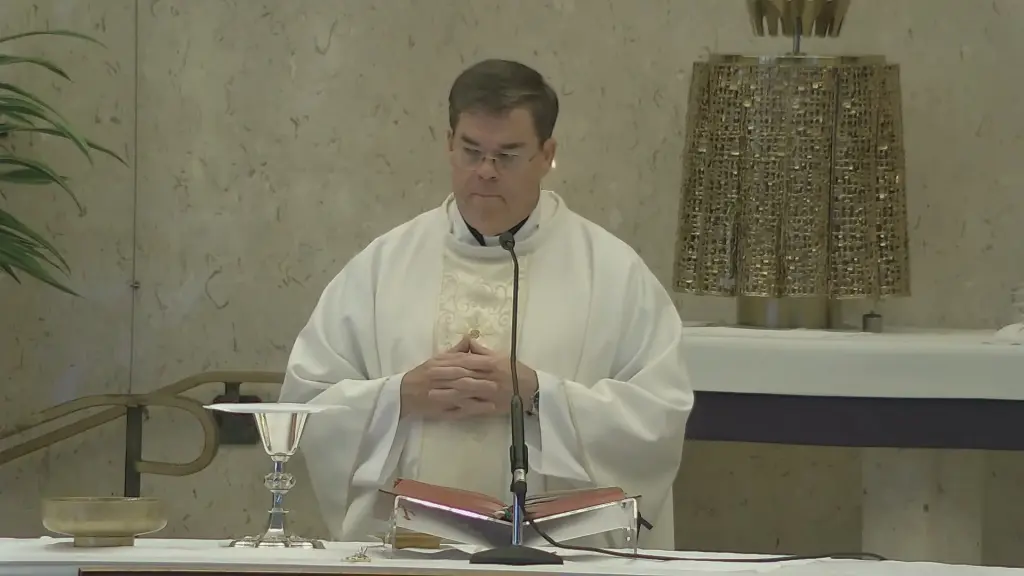
Furthermore, the allegations are being reported to the Vatican, indicating that higher ecclesiastical authorities will review the case. Sullivan’s placement on administrative leave removes him from active ministry, a standard procedure to protect the community during inquiries. Yet, questions linger about the thoroughness of the process: Will financial records be audited? How will the church ensure similar incidents are prevented?
This response reflects the Catholic Church’s evolving approach to scandals, post the global abuse crisis. Policies now mandate reporting and support for victims, but the lack of criminal referral here highlights limitations when allegations involve adults or borderline ages. Jones’s concern for vulnerable others underscores the need for proactive measures, such as enhanced screening and education on boundaries.
As the investigation unfolds, the community watches closely. Will justice prevail, or will this become another unresolved chapter? The church’s handling could set precedents for future cases, emphasizing transparency and victim-centered responses.
The accusations against Robert Sullivan expose deep fissures in trust and morality within religious institutions. Heather Jones’s bravery in coming forward serves as a reminder of the human cost of exploitation. As society demands accountability, this story urges reflection on protecting the vulnerable and upholding ethical standards. Whether through legal or ecclesiastical channels, resolution is crucial for healing and prevention. (Word count: 1523)