
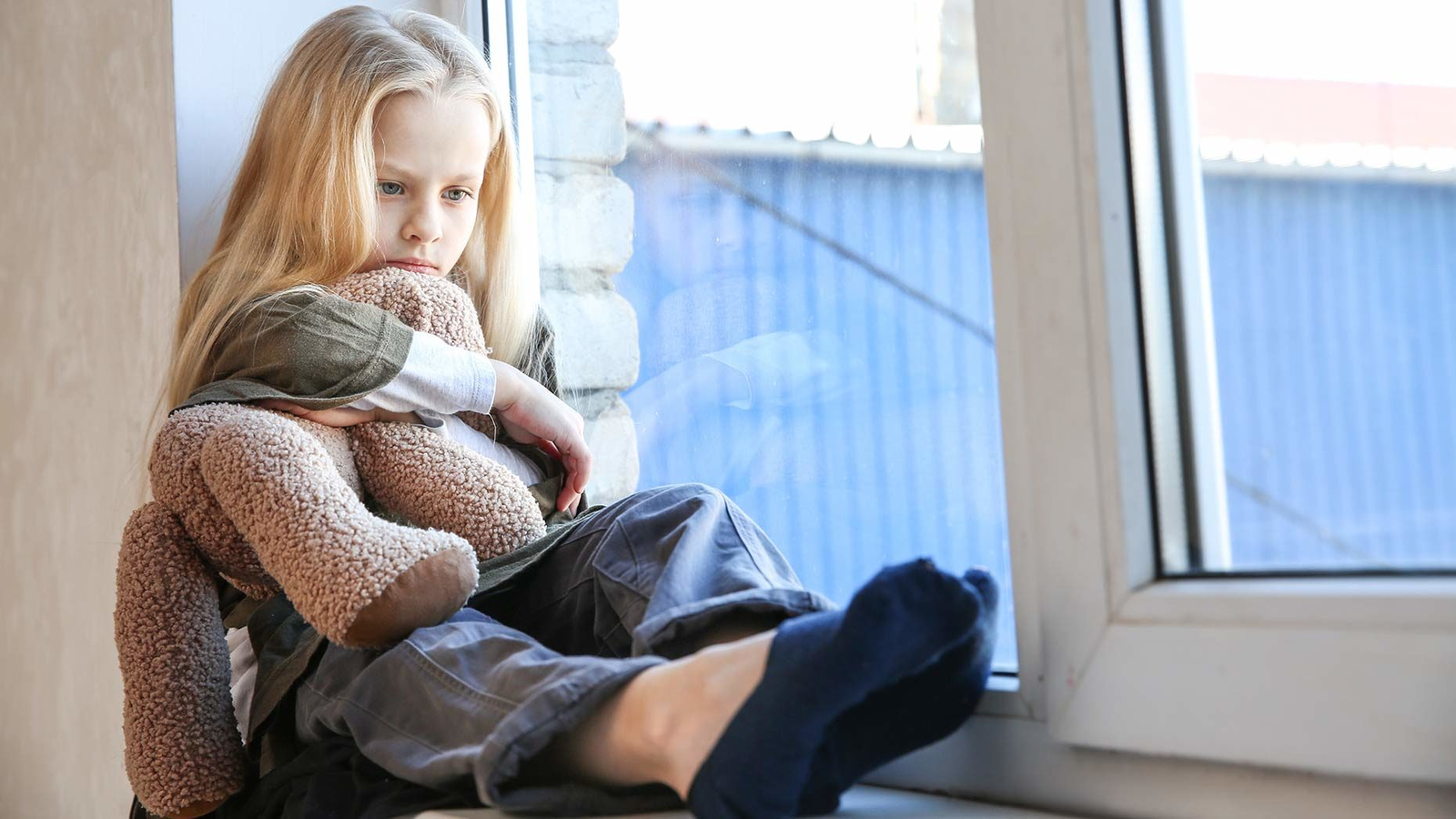
This Christmas, the magic of the festive season will be overshadowed for more than 56,000 primary school children in England, forced to confront the harsh reality of homelessness.
A recent study by Shelter has shed light on this growing crisis, revealing its far-reaching consequences for children and their futures.
The Scale of the Crisis: A Snapshot of Children Homelessness
The findings by Shelter highlight a deeply troubling picture of child homelessness in England. According to their research, one in 84 children will spend this Christmas without a permanent home, equating to one homeless child in every three primary school classrooms.
London emerges as the epicenter of this crisis, with one in 24 children in temporary accommodation. Within London, Newham has the highest rate, where one in nine children are affected.
Outside the capital, Luton and Birmingham bear the brunt, with one in 20 and 15 children per school, respectively, enduring homelessness. These alarming statistics underscore the urgent need for systemic intervention to address the factors contributing to this escalating issue.
Read : Muhammad Becomes the Most Popular Name in England and Wales Overtaking Noah
Shelter’s previous reports estimate that over 350,000 people in England are homeless this Christmas, including 160,000 children living in temporary housing.
Read : Half of Rafah Population is on the Road Now Due to Israel’s Offensive: UN
These figures, the highest on record, signify a growing housing emergency fueled by inadequate social housing, soaring rents, and insufficient local housing allowances.
Impact on Education and Childhood
Homelessness not only deprives children of a stable environment but also undermines their education and well-being. More than half of the parents surveyed by Shelter reported their children missing school days due to living in temporary accommodation. Families like Fauzia’s, displaced by no-fault evictions, experience firsthand the devastating consequences of unstable housing.
For Fauzia and her three children, homelessness has meant long daily commutes from Ealing to their school in Waltham Cross, leaving the children physically and emotionally drained.
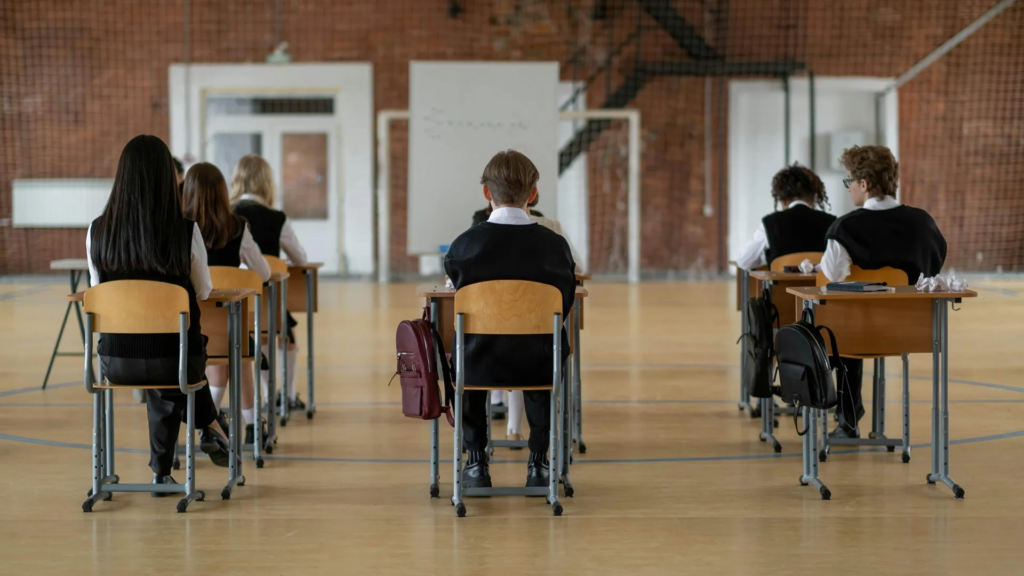
Fauzia describes the ordeal: “The journey to get my children to school is killing me. My back hurts, and we’re constantly late because our accommodation is so far away. When we finally get home, there’s barely enough time for them to eat dinner and have a bath. My children are missing out on their childhoods.”
Such stories illustrate the ripple effects of homelessness on children’s mental and physical health. Cramped living conditions, inadequate facilities, and the constant threat of displacement hinder their ability to play, study, and thrive.
Polly Neate, Shelter’s CEO, has emphasized the long-term repercussions of homelessness on children’s futures: “Thousands are growing up without the space or basic facilities to sleep, play, or do their homework.
To give children a chance to succeed, the government must end the nightmare of child homelessness by building a new generation of decent social rent homes.”
Urgent Need for Action
The government has announced a £1 billion investment to tackle homelessness and rough sleeping by 2025-26. Housing Secretary Angela Rayner described this funding as the largest-ever investment in preventing homelessness, aiming to equip councils with the tools to intervene swiftly.
However, Shelter and other advocates argue that this investment must translate into tangible outcomes, particularly in building affordable social housing to address the root causes of homelessness. The current scarcity of social rent homes leaves families vulnerable to skyrocketing private rental costs and inadequate local housing allowances.
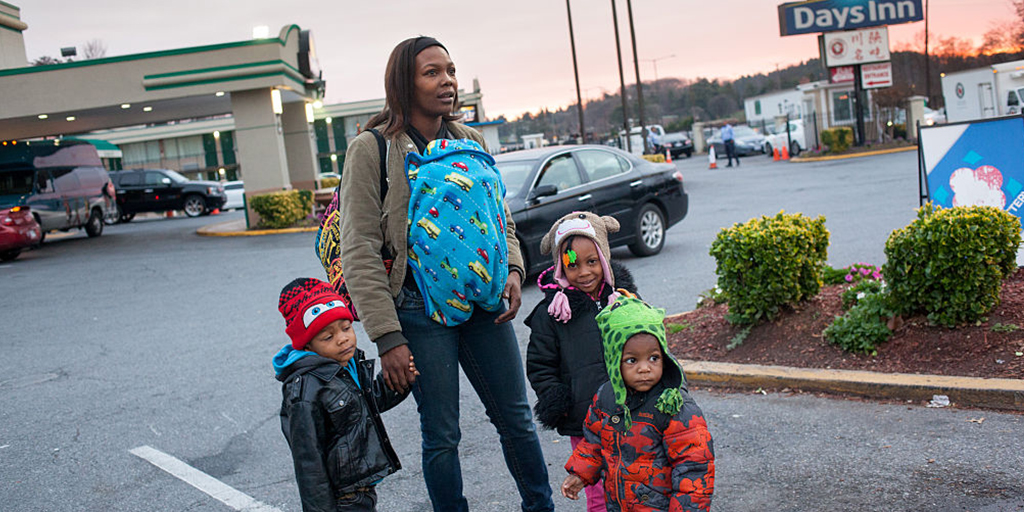
Fauzia’s seven-year ordeal in temporary housing exemplifies the pressing need for structural change. Frequent relocations, poor living conditions, and lack of support from local councils exacerbate the challenges faced by homeless families. For children, these disruptions rob them of stability, security, and the opportunity to enjoy a carefree childhood.
This Christmas, Shelter is calling on the public to support its appeal to provide immediate assistance to families on the frontline of this crisis. Their work includes advocating for policy changes, offering legal support, and ensuring access to essential services for homeless families.
A Christmas Call to Action
As the festive season approaches, the plight of 56,000 primary school children serves as a sobering reminder of the growing housing emergency in England. It is a call to action for society to prioritize the well-being of vulnerable children and to address the systemic issues that perpetuate homelessness.
Ending child homelessness requires a multifaceted approach: increasing social housing stock, implementing fair rental policies, and providing adequate financial support to families in need. Only then can we ensure that every child in country has a stable and nurturing environment to call home, not just during Christmas but all year round.