
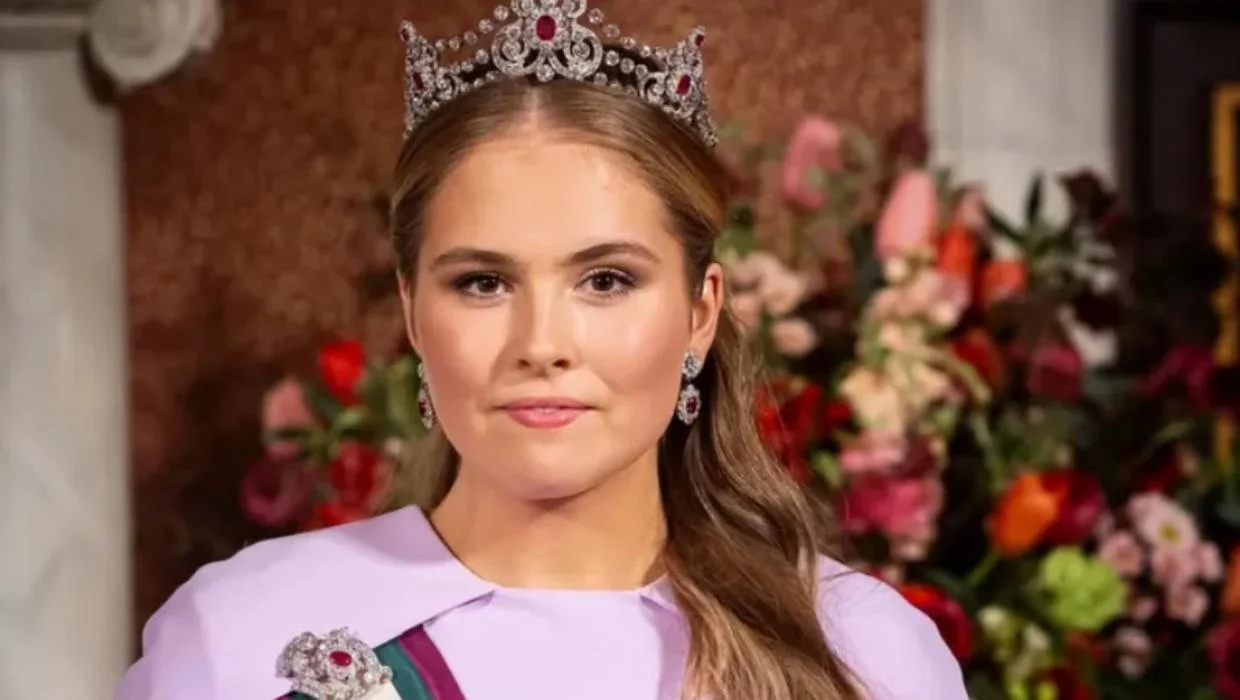
In a disturbing turn of events that highlights the dark side of artificial intelligence, Princess Catharina-Amalia of the Netherlands, the 21-year-old heir to the Dutch throne, has once again become the victim of a deepfake pornography scandal. This incident, which surfaced in recent weeks, involves the malicious use of AI technology to superimpose the princess’s face onto the bodies of actors in explicit videos.
The scandal has sparked widespread outrage, drawing attention not only to the personal violation experienced by the young royal but also to the growing threat of deepfake technology in society. As the future queen, Catharina-Amalia’s plight underscores the vulnerabilities faced by public figures in the digital age, where privacy can be shattered with a few clicks.
This news comes at a time when the princess is navigating her early adulthood, balancing academic pursuits with the weight of her royal responsibilities. The scandal has prompted swift action from authorities, including international cooperation to remove the offending content, but it also raises pressing questions about regulation, ethics, and the protection of individuals from such cyber abuses.
Born on December 7, 2003, in The Hague, Catharina-Amalia Beatrix Carmen Victoria is the eldest daughter of King Willem-Alexander and Queen Máxima. As the Princess of Orange, she is first in line to succeed her father, a role that has placed her under intense public scrutiny from a young age. Despite her privileged position, her life has not been without challenges. In recent years, she has faced security threats, including fears of kidnapping by organized crime groups, which forced her to relocate to Spain for over a year during her studies.
Now back in the Netherlands, she has just graduated from the University of Amsterdam with a degree in Politics, Psychology, Law, and Economics, and she is set to embark on a bachelor’s program in Dutch Law while participating in a two-year military work and study program at Defensity College. Her academic achievements reflect a keen interest in societal issues, including the very technology that has now victimized her. This scandal, emerging in August 2025, marks a painful intrusion into her private life, amplifying the pressures of her public role.
The Emergence of the Scandal
The deepfake pornography scandal involving Princess Catharina-Amalia came to light through reports from Dutch and international media, revealing that explicit videos featuring her likeness had been circulating on online platforms. These videos were created using advanced artificial intelligence tools that allow users to manipulate images and videos with alarming realism.
Specifically, the princess’s face was digitally edited onto the bodies of performers in pornographic content, creating false depictions that were then uploaded to websites dedicated to such material, including the now-defunct MrDeepFakes. This platform, known for hosting user-generated deepfake content, became a hub for these violations before authorities intervened. According to details from the investigation, the videos began appearing online in the weeks leading up to mid-August 2025, though the exact origin remains under scrutiny.
What makes this incident particularly alarming is that it is not the first time the princess has been targeted. Back in 2022, similar deepfake videos surfaced, causing distress to the royal family and prompting discussions about digital privacy. At that time, the 18-year-old princess was still adjusting to her role as a university student, and the attack added to the challenges of her transition into public life. The recurrence of such targeting suggests a pattern, possibly driven by individuals seeking notoriety or financial gain through the exploitation of high-profile figures.
The discovery of the latest videos was likely aided by monitoring efforts from cybersecurity experts and royal protection services, who routinely scan the internet for threats against the monarchy. Once identified, the content spread rapidly across underground forums and social media, exacerbating the harm. Reports indicate that the videos were part of a larger batch affecting approximately 70 other Dutch women, including celebrities, politicians, and public figures.
Read : Who is Princess Bajrakitiyabha Mahidol Who is Unconscious in Hospital Since 2022?
This broader scope points to a coordinated or opportunistic effort by creators using readily available AI software, which has democratized the production of deepfakes but also lowered the barriers to committing such crimes. Deepfake technology itself relies on machine learning algorithms, particularly generative adversarial networks (GANs), which train on vast datasets of images to produce convincing alterations. In Catharina-Amalia’s case, perpetrators likely used publicly available photos from her official engagements, such as state visits or family portraits, to generate the fakes.
Read : Beyond Beauty: Ten Influential Princesses Who Shaped History
The realism of these videos can deceive viewers, leading to reputational damage and emotional trauma for the victims. For a young woman like the princess, who has expressed reluctance about her future as queen due to the invasive nature of public life, this scandal represents a profound violation. It not only invades her privacy but also perpetuates harmful stereotypes and objectification, particularly against women in positions of power. The scandal’s emergence has also highlighted gaps in online content moderation.
Platforms hosting such material often operate in legal gray areas, with servers located in jurisdictions where enforcement is lax. In this instance, the videos were removed relatively quickly, but not before they had been viewed and shared by unknown numbers of people. This rapid dissemination underscores the viral potential of digital content and the difficulty in containing it once released. As news of the scandal broke, it dominated headlines in the Netherlands and beyond, with media outlets emphasizing the human cost to the princess and her family.
Royal Response and Legal Actions
In the face of this egregious violation, the Dutch royal family has rallied around Princess Catharina-Amalia, providing her with unwavering support. King Willem-Alexander and Queen Máxima, known for their protective stance toward their daughters, have reportedly been deeply affected by the incident. The royal household has not issued a detailed public statement, maintaining a dignified silence to avoid amplifying the content, but sources close to the family indicate that the princess is being supported through counseling and enhanced security measures.
This approach aligns with their handling of previous crises, such as the 2022 deepfake incident and the kidnapping threats that disrupted her studies. Interestingly, Catharina-Amalia has channeled her experiences into academic pursuits. Her recently completed undergraduate thesis at the University of Amsterdam, titled “Beyond Disclosure: Bridging the Gap Between the Artificial Intelligence Act and the Charter of Fundamental Rights with Deepfaked Bodies,” directly addresses the ethical and legal challenges posed by deepfakes.
In this work, she explores how AI-generated content intersects with fundamental rights, advocating for stronger protections against non-consensual use of likenesses. The thesis, shared by the Dutch royal house last month, demonstrates her intellectual engagement with the issue, turning personal adversity into a platform for advocacy. This proactive response not only showcases her resilience but also positions her as a thoughtful future leader on digital rights.
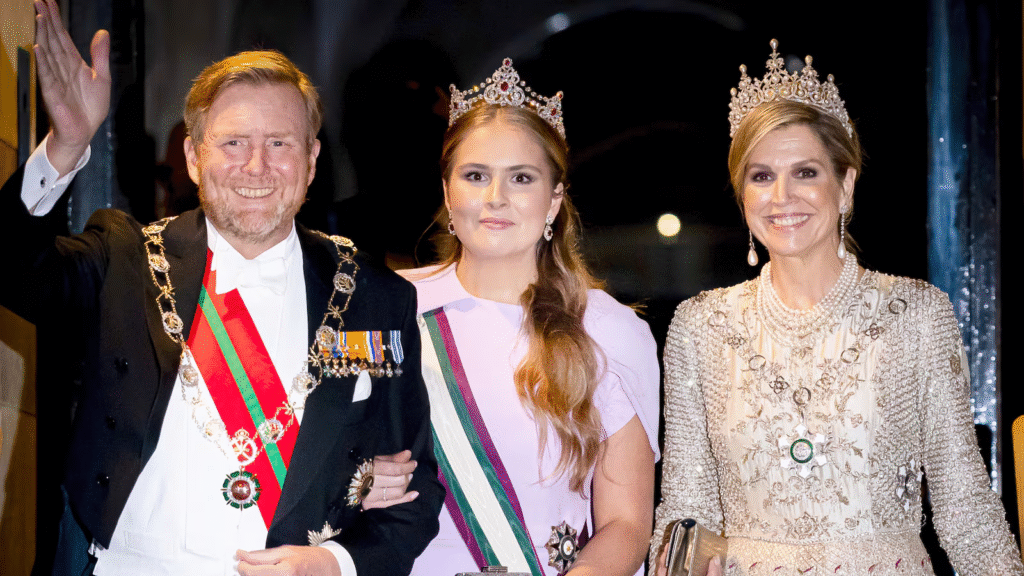
On the legal front, authorities have moved swiftly to address the scandal. In the Netherlands, the creation and distribution of explicit deepfake content is classified as a criminal offense, punishable by up to one year in prison for first-time offenders, with harsher penalties for repeats. Dutch police, in collaboration with the Federal Bureau of Investigation (FBI) and international partners, launched a joint operation to identify and remove the videos.
Most of the offending content has been taken down, including the shutdown of platforms like MrDeepFakes. A 73-year-old man from Noord-Holland has been identified as a suspect in creating some of the deepfake material, though the investigation is ongoing, and no arrests have been made in connection with the princess’s specific case.
This international cooperation reflects the borderless nature of cybercrimes. The FBI’s involvement stems from the global reach of the platforms and the potential for U.S.-based servers or users. Dutch Prime Minister Mark Rutte and Minister for Justice and Security Dilan Yesilgöz have publicly expressed concern over the princess’s safety, reaffirming the government’s commitment to protecting citizens from digital harms. Yesilgöz, in particular, has highlighted ongoing efforts to bolster cybersecurity, drawing parallels to the princess’s earlier relocation to Spain due to physical threats.
The legal actions extend beyond immediate removal, with calls for updated legislation to keep pace with AI advancements. The European Union’s Artificial Intelligence Act, which Catharina-Amalia references in her thesis, aims to regulate high-risk AI applications, including deepfakes. However, implementation remains a challenge, and this scandal may accelerate discussions on enforcement mechanisms. Advocacy groups have praised the response but urged for preventive measures, such as watermarking AI-generated content and educating the public on detecting fakes.
Broader Implications and the Fight Against Deepfakes
The deepfake scandal targeting Princess Catharina-Amalia extends far beyond a single royal victim, illuminating the pervasive threat of AI misuse in modern society. Deepfakes, once a niche concern, have proliferated with the accessibility of tools like face-swapping apps and open-source AI models. This technology, while innovative for entertainment and education, poses significant risks when weaponized for harassment, misinformation, or extortion. In Catharina-Amalia’s case, the implications are multifaceted: personal trauma, erosion of trust in digital media, and potential impacts on her future reign.
For public figures, especially women, deepfakes exacerbate gender-based violence online. Studies show that a disproportionate number of deepfake porn victims are female celebrities and politicians, perpetuating sexism and deterring women from public life. The princess’s experience mirrors those of other high-profile individuals, such as actresses and athletes, who have faced similar attacks. This pattern raises alarms about societal attitudes toward women’s bodies and autonomy, where technology amplifies age-old objectification.

On a societal level, the scandal underscores the urgent need for global regulatory frameworks. While the Netherlands has progressive laws, many countries lag behind, allowing deepfake creators to operate with impunity. The involvement of the FBI in this case highlights the necessity for cross-border collaboration, perhaps through organizations like Interpol or the United Nations.
Experts advocate for technological solutions, including AI detection tools that analyze inconsistencies in videos, such as unnatural lighting or facial movements. Companies developing AI must also incorporate ethical safeguards, like restricting access to sensitive features.
Education plays a crucial role in combating deepfakes. Public awareness campaigns can teach individuals to question suspicious content, reducing its spread. Schools and universities, like the one Catharina-Amalia attended, could integrate digital literacy into curricula, empowering the next generation. Her thesis contributes to this discourse, bridging legal gaps between EU regulations and human rights charters, and proposing ways to protect “deepfaked bodies” from exploitation.
Looking ahead, this incident may catalyze change. As Catharina-Amalia prepares for her role as queen, her advocacy could influence policy, turning a personal ordeal into a force for good. The fight against deepfakes requires collective action—from governments enforcing laws to tech firms innovating responsibly. In the meantime, the princess’s resilience serves as an inspiration, reminding us that even in the face of digital darkness, progress is possible through knowledge and determination.
This scandal, while tragic, offers a pivotal moment to address the ethical frontiers of AI. As society grapples with these challenges, the protection of individuals like Princess Catharina-Amalia must remain paramount, ensuring that technology serves humanity rather than harms it. The road ahead is complex, but with concerted efforts, we can safeguard the digital realm for future generations.