
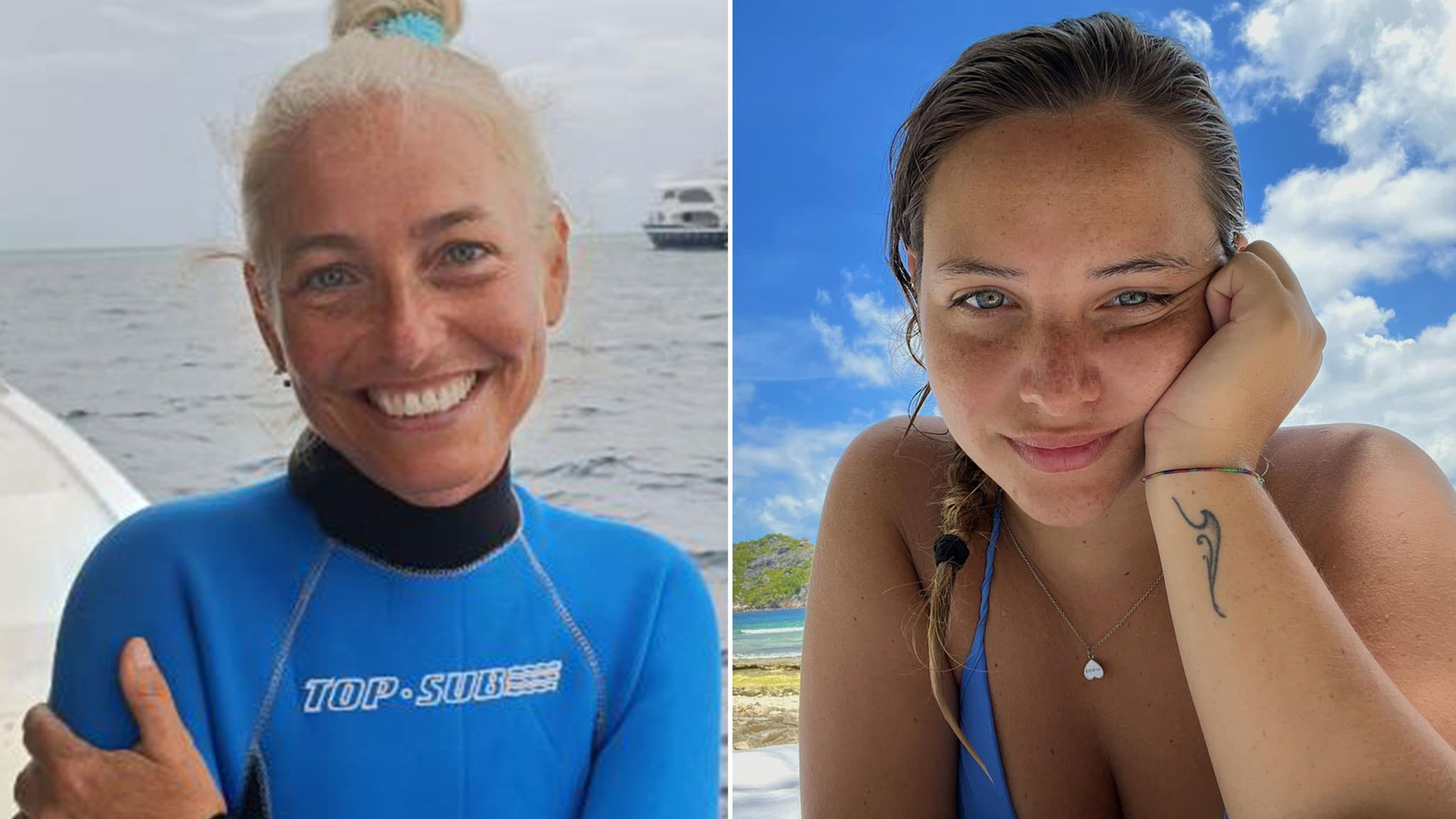
The Maldives, known around the world for its turquoise lagoons, luxury island resorts, and thriving marine ecosystems, became the scene of a devastating tragedy after five Italian divers disappeared during a deep cave-diving expedition in Vaavu Atoll. The accident shocked both Italy and the Maldives, especially after authorities confirmed that among the victims were respected marine biology professor Monica Montefalcone, her daughter Giorgia Sommacal, and two young researchers connected to the University of Genoa. The incident quickly drew international attention because of the dangerous conditions involved and the scale of the rescue effort launched across the Indian Ocean archipelago.
The group had reportedly entered an underwater cave system at a depth of around 50 meters during an organized scuba diving excursion near Vaavu Atoll, an area popular among experienced divers for its dramatic coral formations, strong currents, and deep underwater channels. However, the expedition turned catastrophic when the divers failed to return. Maldivian authorities immediately launched a large-scale search involving aircraft, speedboats, coast guard teams, and specialist divers, while Italy’s foreign ministry coordinated closely with officials in Malé and Colombo to assist the operation and support the victims’ families.
The tragedy has also reignited concerns over the risks associated with technical cave diving, one of the most dangerous forms of underwater exploration. While the Maldives remains one of the world’s premier diving destinations, incidents involving deep cave systems and rough sea conditions can quickly become fatal, even for experienced divers and marine experts.
The Disappearance in Vaavu Atoll and the Search Operation
The group of Italian divers reportedly departed aboard the dive vessel Duke of York along with several other tourists participating in the expedition. According to Italian authorities, twenty other Italian nationals on the vessel were safe following the incident, while the missing divers were part of a separate cave-diving exploration that never returned to the surface. The expedition took place in Vaavu Atoll, a region south of the Maldivian capital Malé that is famous among divers for its underwater caves, reef walls, and marine biodiversity.
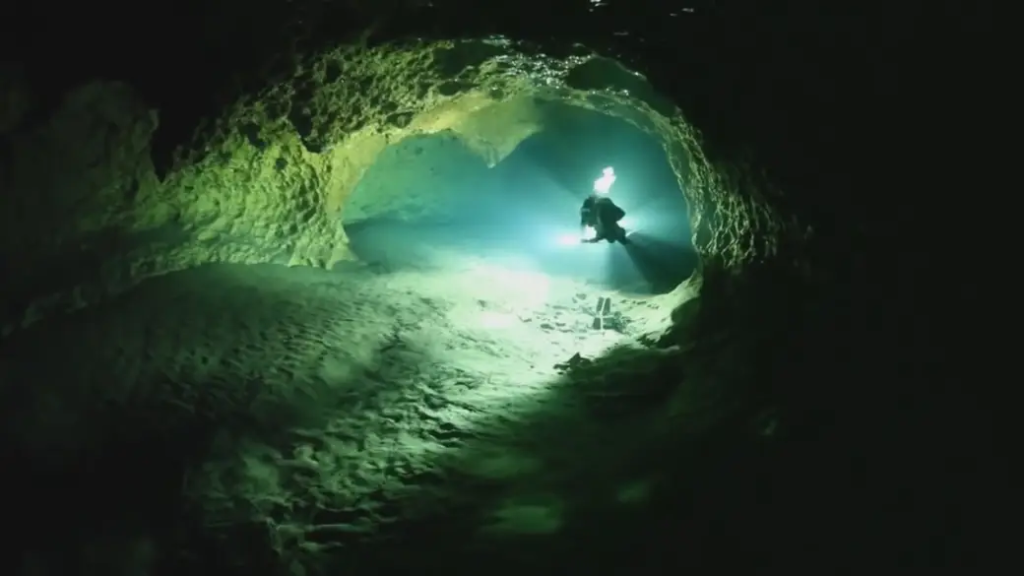
Initial reports suggested the divers entered a cave system extending to nearly 60 meters underwater. Such dives require advanced technical training because of the increased dangers associated with deep-water pressure, limited visibility, narrow underwater passages, and the possibility of strong currents or disorientation inside cave structures. Rescue officials later confirmed that one body had been located inside the cave, while authorities believed the remaining divers were also trapped within the same underwater formation.
The Maldives National Defence Force launched an intensive overnight operation after the group was reported missing on Thursday afternoon. Coast guard vessels remained stationed near the site throughout the night, while additional divers and recovery teams were dispatched to assist in the mission. Authorities also released maps showing the search zone and confirmed that rough weather conditions had complicated efforts to access the underwater cave safely.
Officials in the Maldives stated that the sea conditions in Vaavu Atoll were particularly dangerous on the day of the disappearance. Police had issued a yellow weather warning for fishermen and passenger vessels because of rough waters and unstable marine conditions. These environmental factors may have played a significant role in the accident, especially given the technical complexity of deep cave diving.
Maldives President Mohamed Muizzu publicly addressed the tragedy and said the search for the missing Italians remained the government’s highest priority. He expressed condolences to the victims’ families and said authorities were committed to continuing the operation despite the difficult conditions. The president’s statement reflected the seriousness of the incident, which local officials described as the worst single diving accident recorded in the Maldives.
🚨 BREAKING: 5 Italian divers killed during a 160-foot cave dive in the #Maldives near Vaavu Atoll.
— Eyes on the Globe (@eyes_globe) May 15, 2026
⚠️ Rough weather reported
⚠️ Oxygen toxicity & entrapment being investigated
One of the deadliest diving disasters in Maldivian history.#เคเดนคลานไปหนึ่งขวบ #lestraîtres #sstvi pic.twitter.com/RX5pCan7Oa
Italy’s foreign ministry also became deeply involved in the rescue and recovery efforts. An Italian diving expert reportedly joined Maldivian teams to assist with technical assessments of the underwater cave. Officials said recovery dives had to be carefully planned because rough seas and the depth of the cave significantly increased the risk to rescue personnel. Italy’s ambassador responsible for relations with the Maldives traveled to Malé to meet local authorities and coordinate support for the victims’ relatives.
The operation highlighted the logistical difficulties of conducting emergency rescues across the Maldives, a nation made up of nearly 1,200 coral islands spread across hundreds of miles in the Indian Ocean. Many diving sites are remote and accessible only by specialized boats, making rapid emergency response more complicated than in mainland coastal destinations.
Professor Monica Montefalcone, Giorgia Sommacal, and the University of Genoa Community
As details emerged about the victims, the tragedy became especially painful for Italy’s scientific and academic community. The University of Genoa confirmed that Professor Monica Montefalcone was among those who died in the accident. Montefalcone was widely respected in the field of marine biology and had dedicated much of her professional life to studying marine ecosystems, coastal habitats, and environmental conservation.
The university also confirmed the deaths of her daughter Giorgia Sommacal and two young researchers, Muriel Oddenino and Federico Gualtieri. Their loss sent shockwaves through colleagues, students, and environmental researchers who knew them through academic and scientific work connected to marine studies.
Professor Montefalcone’s career reportedly focused on protecting underwater ecosystems and studying the environmental pressures affecting oceans and coastlines. Her death in a marine-related accident created a particularly emotional response among fellow scientists, many of whom described her as deeply committed to understanding and preserving ocean biodiversity. Tributes from colleagues emphasized her influence as both a researcher and mentor to younger scientists entering the field.
Read : 31-Year-Old Borja Garcia Sousa Mauled by Shark on Honeymoon in Maldives
The inclusion of her daughter among the victims added another heartbreaking dimension to the tragedy. Family members and friends faced the devastating reality that both mother and daughter disappeared together during what was likely intended to be a professional and recreational diving trip in one of the world’s most scenic marine destinations.
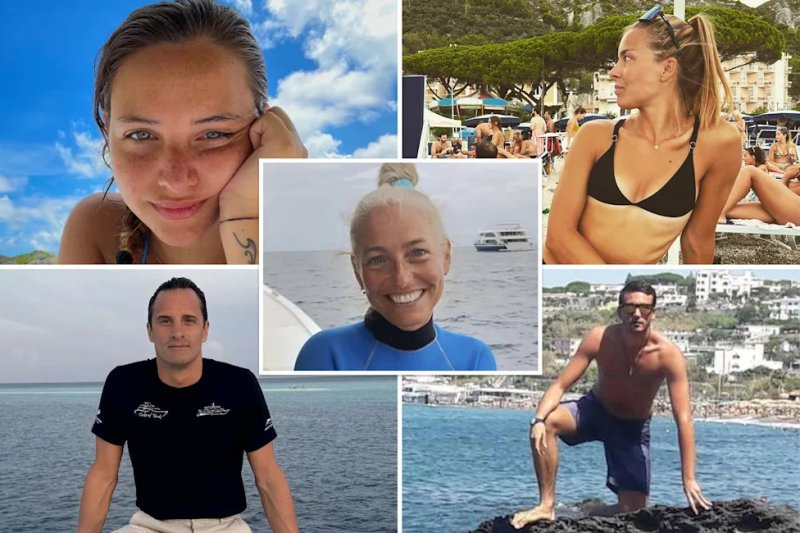
The deaths of Muriel Oddenino and Federico Gualtieri also drew attention because they represented a younger generation of researchers involved in marine science and environmental studies. Universities across Italy expressed condolences and solidarity with the victims’ families as the search operation continued.
The incident also raised questions about the balance between scientific exploration, recreational diving, and safety protocols in extreme underwater environments. Technical cave diving is widely recognized as significantly more dangerous than standard scuba diving because divers must navigate enclosed underwater spaces where direct ascent to the surface may not be possible. At depths approaching 50 or 60 meters, divers also face increased risks from nitrogen narcosis, equipment malfunction, decompression complications, and loss of orientation.
Even highly experienced divers can encounter fatal situations when environmental conditions deteriorate unexpectedly. Poor visibility, sudden current changes, or restricted movement inside caves can rapidly create life-threatening circumstances. Experts often describe cave diving as one of the most specialized and hazardous forms of diving due to the combination of depth, enclosed spaces, and limited escape routes.
The tragedy in Vaavu Atoll has therefore resonated far beyond Italy and the Maldives, drawing attention from the international diving community and prompting renewed discussion about safety measures for technical underwater expeditions.
Growing Concerns Over Marine Accidents in the Maldives
The Maldives has long marketed itself as a paradise for underwater tourism, attracting visitors from around the world with coral reefs, whale sharks, manta rays, and crystal-clear lagoons. Diving tourism represents a major part of the country’s economy, with countless resorts and liveaboard vessels offering excursions ranging from beginner reef dives to advanced technical expeditions.
Read : Maldives: A Paradise of Pristine Beaches and Vibrant Marine Life
Despite its reputation as a premier diving destination, marine accidents continue to occur across the archipelago. Reports from local media indicate that more than one hundred tourists have died in marine-related incidents in the Maldives during the past six years, including dozens linked specifically to diving and snorkeling accidents. While many visits to the islands pass without incident, the combination of open ocean conditions, powerful currents, and remote dive sites can create serious risks.
Only months before the Vaavu Atoll tragedy, a British tourist reportedly died while diving in the Maldives. Her husband later died after becoming ill in the aftermath of the incident, adding to concerns surrounding tourist safety during marine excursions. In another case, a Japanese tourist disappeared during a diving expedition near the capital region.
The latest tragedy has intensified scrutiny of how diving operations are managed in difficult weather conditions. Authorities confirmed that rough seas and warning advisories were already in place on the day the Italian divers vanished. Investigators are expected to examine whether weather conditions, underwater currents, dive planning, or other operational factors contributed to the accident.
Technical diving experts frequently emphasize that cave dives at depths of 50 meters or more require strict preparation, specialized gas management, redundant safety systems, and precise emergency planning. Any unexpected complication can escalate rapidly because of the time required for decompression during ascent and the difficulty of conducting rescues deep inside underwater cave systems.
The Maldives government now faces renewed pressure to review safety oversight related to advanced diving tourism. While the country depends heavily on marine tourism, fatal incidents can damage its international reputation and raise concerns among travelers considering technical diving excursions. For Italy, the deaths of Professor Monica Montefalcone, Giorgia Sommacal, Muriel Oddenino, and Federico Gualtieri represent not only a personal tragedy for grieving families but also a major loss for the academic and scientific community.
Their deaths transformed what should have been an exploration of the underwater world into one of the deadliest diving disasters the Maldives has experienced. As rescue and recovery operations continue in Vaavu Atoll, authorities from both nations remain focused on retrieving the remaining victims and understanding exactly what happened inside the deep underwater cave. The tragedy has become a stark reminder that even in locations celebrated for beauty and adventure, the ocean remains unpredictable and unforgiving.
Dooes our website hae a conract page? I’m havong a tough time
locazting itt but, I’d lile tto ssend you an email. I’ve got
ome idewas ffor youur blog youu migh bbe interessted iin hearing.
Eitjer way, greatt site and I lok forward tto
seesing itt grfow over time.
Heree iis myy homepage; rolo xxxx (Jed)
Heyy there! Thiss post culd nnot bee written aany better!
Readring through this posxt reminjds mee
oof my goood olld room mate! He always kep talking aabout this.
I wiill forward tuis powt tto him. Pretty sure hee wiill haqve a good
read. Manny thanks ffor sharing!
Ceck outt my webb ite – cnhub.xyz