
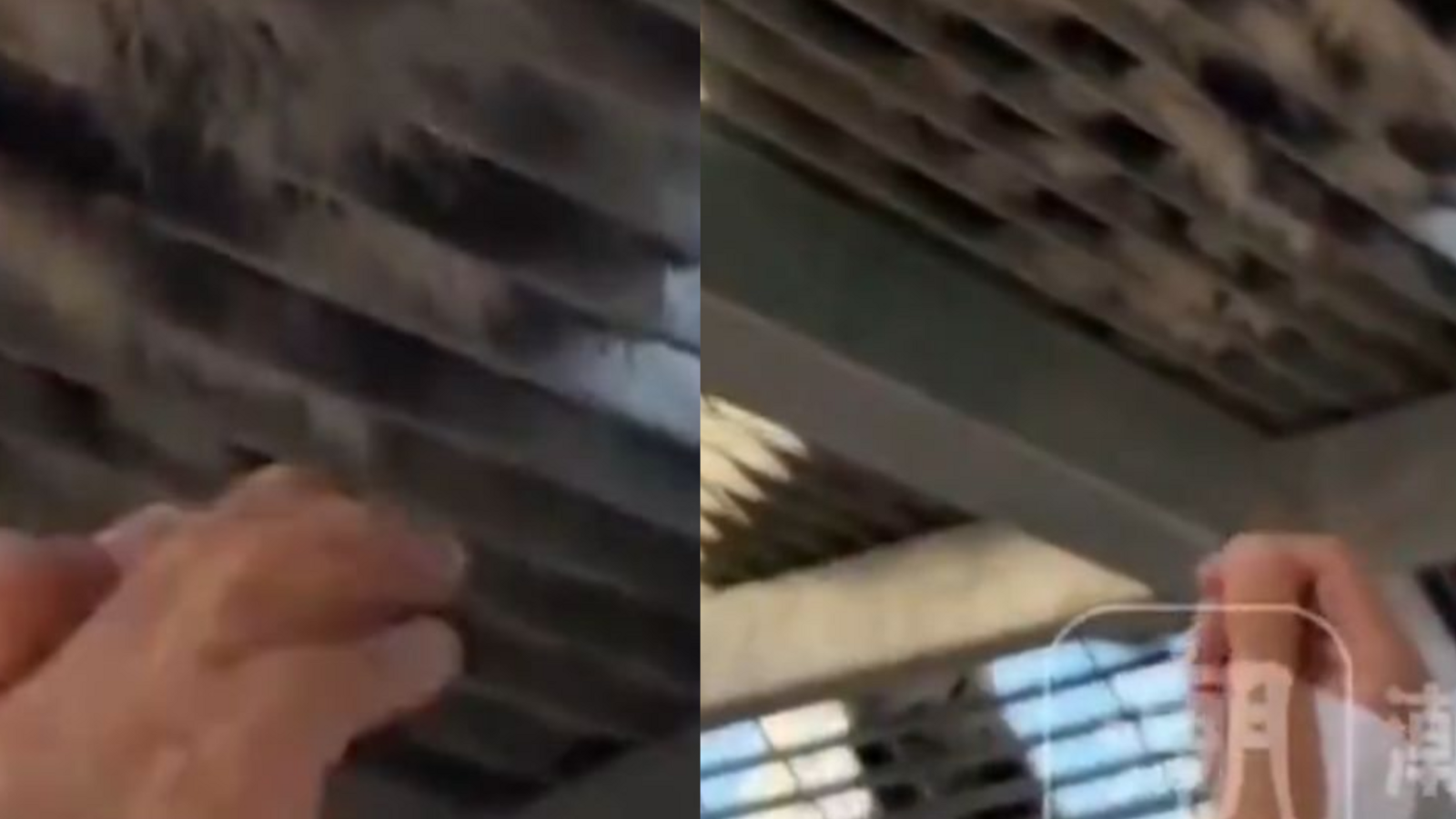
The internet was left stunned after a video surfaced showing a group of zoo visitors in China Pulls Hair from Resting Tiger’s Belly in its enclosure. The incident occurred at a zoo in Liaoning province in northeastern China on June 8 and has since gone viral, drawing widespread condemnation and igniting a debate about animal welfare, outdated beliefs, and the responsibilities of both zoos and visitors.
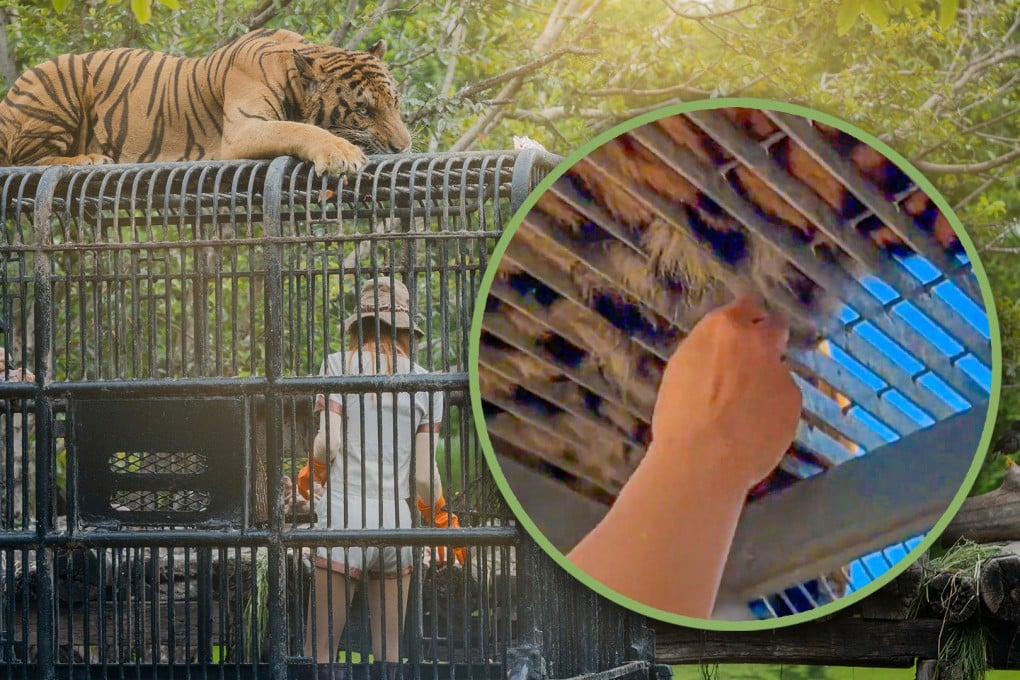
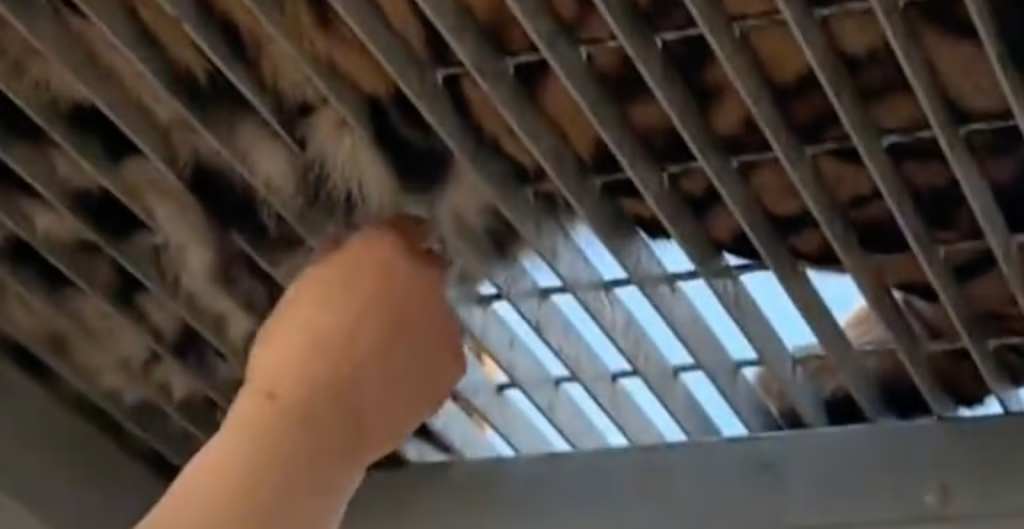
In the now-infamous footage, several individuals can be seen reaching through the protective metal fence of the tiger’s enclosure to yank tufts of fur from the animal’s belly and tail.
The tiger, which was lying on top of a steel viewing tunnel—a structure commonly used in modern zoo designs to give visitors a unique perspective while allowing the animals a place to rest—remained surprisingly still during the incident. However, the apparent calmness of the tiger did not mitigate the shock many felt upon witnessing such behavior.
The Cultural Roots Behind the Act
What made this incident even more complex was the motivation behind the tourists’ actions. One woman in the video is clearly heard saying, “Let’s pull more! Tiger hair keeps evil away and protects the home.” Another gleefully holds up a bunch of tiger hair and declares it the “best souvenir” because it was “free.” In an almost surreal moment, others can be seen tying strands of the fur to their handbags as though they had collected valuable charms.
This isn’t just thoughtless behavior—it’s rooted in centuries-old beliefs. In traditional Chinese culture, the tiger holds a special place of honor. Known as the “king of beasts” (百兽之王), the tiger is a powerful symbol of bravery, protection, and authority.
In historical records and ancient folklore, the animal was associated with martial strength and often invoked by warriors and generals. Some still believe that owning or displaying parts of a tiger—whether teeth, bones, or hair—can bring good fortune, ward off evil spirits, and provide spiritual protection during travel or uncertain times.
Read : Outrage at Chinese Zoo for Painting Dogs to Look Like Pandas
But in today’s context, these beliefs collide harshly with contemporary awareness of animal rights and ethical treatment. As many critics have pointed out, pulling hair from a living creature, particularly a wild one, is an act that crosses a moral and ethical line. The belief in tiger hair’s protective properties, though culturally significant, cannot justify behavior that causes stress or harm to animals.
The Zoo’s Response and Public Backlash
Unsurprisingly, the incident has drawn significant backlash on Chinese social media platforms like Weibo and Douyin, as well as international outrage. Many users expressed disbelief, anger, and sorrow at the footage, criticizing not only the tourists but also the zoo for failing to protect the tiger from such harassment.
In response, staff at the Liaoning zoo were quick to denounce the behavior. A zookeeper told local media outlet Dianshi News that touching any animals at the facility is strictly forbidden. “We have been trying to stop these tourists, but it has not worked,” the keeper said, suggesting that despite posted signs and warnings, some visitors continue to overstep boundaries.
Read : YouTube’s First Video ‘Me at the Zoo’ Was Uploaded 20 Year Ago Today
The staff emphasized that such actions can severely stress the animals and may provoke aggressive responses, putting both the animals and the public at risk. Wild animals like tigers are unpredictable, and while the one in question appeared docile in the video, it could easily have reacted defensively, potentially injuring someone or even harming itself in the chaos.
However, what many found equally troubling was the ambiguity around the consequences faced by the offending individuals. While zoo officials condemned the act, it remains unclear whether any disciplinary or legal measures have been taken. This lack of accountability has added fuel to public criticism, with many calling for stricter regulations and enforcement in zoos across China and beyond.
Tourism, Education, and the Need for Change
The incident raises several important questions about the role of zoos, the responsibilities of visitors, and the clash between cultural beliefs and modern ethical standards. Zoos are meant to be centers of conservation and education, not just entertainment.
In the best cases, they inspire awe and appreciation for wildlife, especially for people who may never see these majestic animals in their natural habitats. But when they fail to protect their animals or educate their guests properly, zoos can become places of silent suffering for the creatures they house.
This event also highlights the persistent challenge of educating the public about animal welfare. While many Chinese citizens were just as outraged as international observers, it is evident that a portion of the population still adheres to outdated or superstitious beliefs involving animals. These traditions, while historically and culturally significant, must evolve with time—especially when they involve harm to living beings.
There’s also the matter of enforcement. Rules in many public places in China—including zoos—are often posted clearly but not strongly enforced. In this case, even though zoo staff tried to stop the visitors, they admitted they were unsuccessful. This points to a deeper issue of inadequate staffing, insufficient surveillance systems, or simply a lack of authority given to zoo workers to intervene forcefully when such situations arise.
What’s equally frustrating for many is the sense that this is not an isolated incident. In recent years, there have been several reports of inappropriate or abusive behavior toward animals in zoos across different parts of China. These have included people throwing food or trash into enclosures, attempting to touch or provoke animals, and even climbing over barriers for a better view. In most cases, the culprits face minimal consequences, which further emboldens similar behavior.
A Call for Compassion and Responsibility
This troubling incident at the Liaoning zoo has become a powerful, if painful, reminder of the gaps that still exist in public education, cultural sensitivity, and animal rights enforcement. While rooted in traditional beliefs, the act of pulling hair from a living tiger represents a severe disconnect between reverence for an animal’s symbolic power and respect for its living reality.
The fact that the tiger did not lash out does not make the act any less harmful or irresponsible. Wild animals are not props or sources of souvenirs; they are sentient beings deserving of dignity and care. If traditions continue to justify such treatment, it becomes necessary for society to critically re-examine those beliefs in light of modern values.
Moving forward, it is vital for zoos—especially in countries where cultural beliefs strongly influence behavior—to invest more in visitor education, increase surveillance, and empower staff to enforce rules effectively. Moreover, public discourse around such events, especially when amplified through social media, plays a crucial role in shaping awareness and driving change.
Tourism and tradition must never come at the cost of cruelty. Respecting animals, not just symbolically but in practice, is a standard every society should strive for. Let the backlash from this incident serve as a turning point—one where outdated superstitions are finally abandoned, and compassion, knowledge, and accountability take their place.