
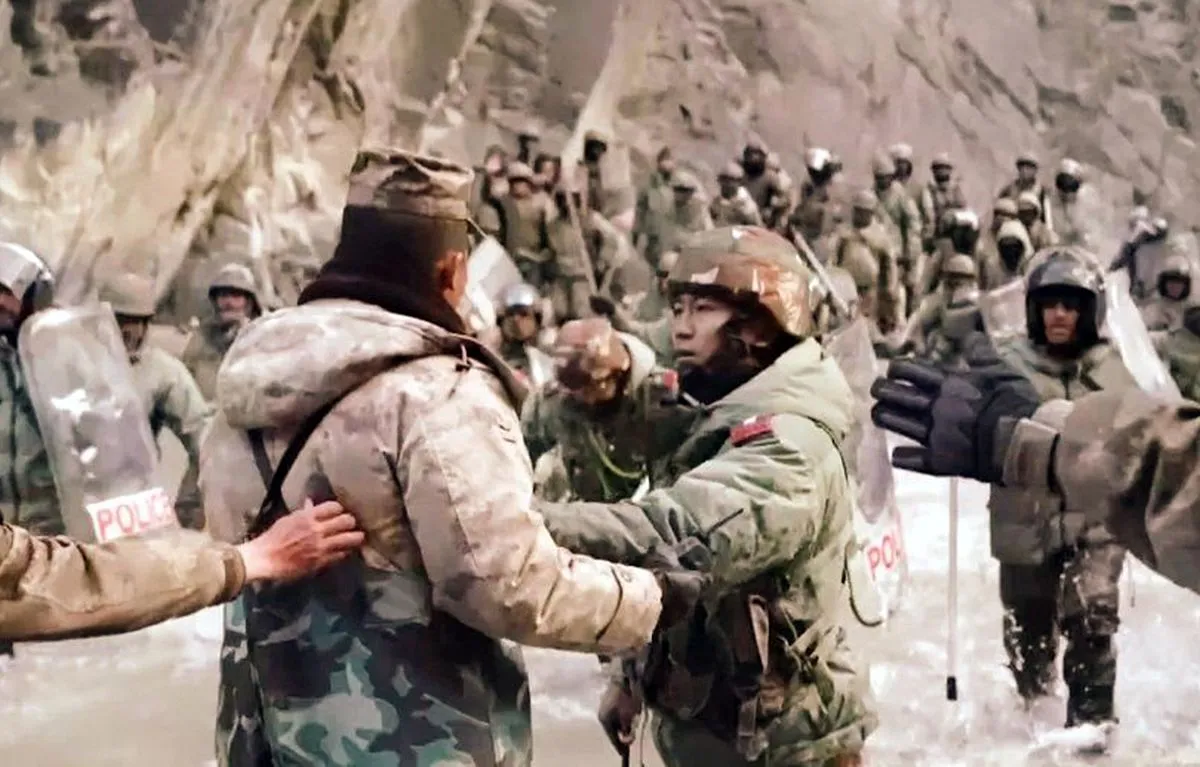
The Chinese government has once again honoured Qi Fabao, a regimental commander in the People’s Liberation Army (PLA) who was injured during the Galwan Valley border clash with Indian soldiers in 2020.
Qi has been recognized as an outstanding member of the Chinese People’s Political Consultative Conference (CPPCC), a national advisory body, and was among 33 individuals awarded the 2024 Outstanding Performance Award for CPPCC Members. His recognition comes amidst lingering tensions between India and China over the disputed border areas.
Qi Fabao’s Role in the Galwan Valley Clash and His Rise in Prominence
Qi Fabao gained international attention after being wounded in the June 2020 Galwan Valley clash, one of the most violent confrontations between Indian and Chinese troops in over four decades.
The incident resulted in the deaths of 20 Indian soldiers and four Chinese soldiers, as per Beijing’s delayed official statement. However, independent reports and sources have suggested that China may have suffered higher casualties than publicly acknowledged.
Following the clash, Qi was celebrated within China as a hero. In 2021, he was awarded the “Hero Regimental Commander for Defending the Border” title by the Central Military Commission.
Additionally, he was honoured with the prestigious July 1 Medal by the Communist Party of China (CPC) Central Committee. These accolades solidified his status as a national figure and a symbol of China’s resolve in territorial disputes.
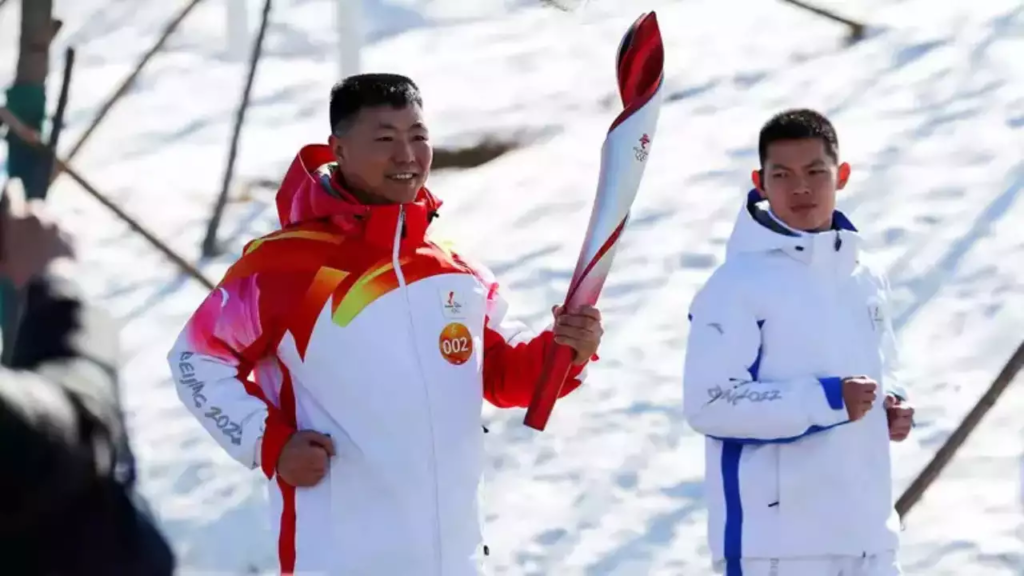
Qi’s prominence continued to rise when he was chosen as a torchbearer for the 2022 Winter Olympics in Beijing. This move drew significant backlash from India, prompting Indian diplomats to boycott both the opening and closing ceremonies of the event. India viewed this decision as an intentional provocation and a glorification of the events in Galwan.
Read : Outrage in China as Highway Patrol Officers Eat Dog That Escaped from Pet Boarding Center
Despite the diplomatic row, Qi remained a celebrated figure within China and was later invited as a special guest to the Chinese People’s Political Consultative Conference (CPPCC). By January 2023, he became a formal member of the advisory body, highlighting his growing influence in political and military circles.
The Significance of the 2024 Outstanding Performance Award
The latest honour bestowed upon Qi Fabao underscores China’s ongoing efforts to reinforce nationalist sentiments and commemorate individuals who played a role in border conflicts. The award was presented at a ceremony in Beijing, as reported by the Global Times, and was aimed at recognizing exemplary contributions to the CPPCC.
The CPPCC is an important advisory body in China that brings together members from various sectors, including politics, business, academia, and the military. While it does not hold legislative power, it plays a crucial role in shaping policy discussions and influencing government decisions.
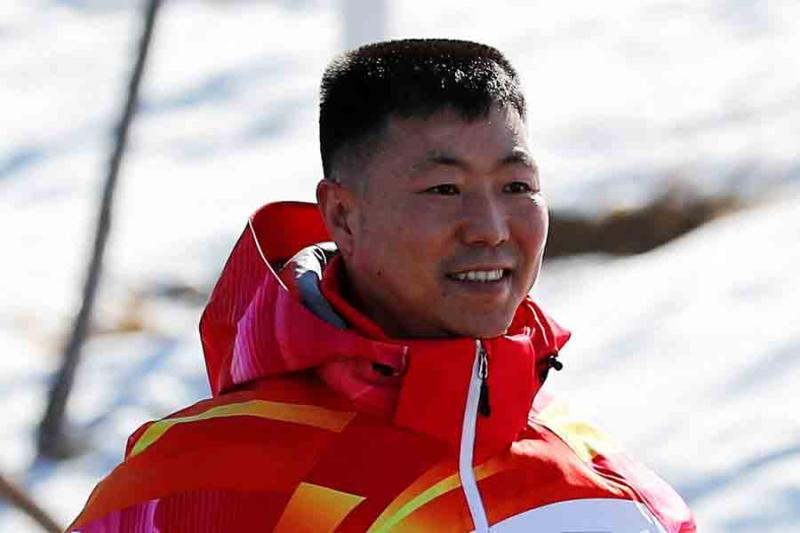
Qi’s inclusion in this body and his subsequent recognition as an outstanding member reflect China’s broader strategy of integrating military figures into political discourse to reinforce its territorial claims and military narratives.
The award also comes at a time when China is actively promoting its version of the events in Galwan, contrasting with India’s stance on the border dispute.
Read : Bizarre!!! Man Bites Snake Twice Who Bit Him Once: Snake Dies
While India declared its casualties immediately after the incident, China remained silent for eight months before acknowledging the deaths of four soldiers. This delay, coupled with subsequent honours for Qi Fabao and other PLA personnel involved, indicates a calculated approach by Beijing to control the narrative surrounding the clash.
India-China Relations Post-Galwan and the Path to Normalization
The Galwan Valley clash marked a significant downturn in India-China relations, leading to a prolonged standoff in Eastern Ladakh. The diplomatic fallout resulted in stalled high-level engagements and increased militarization along the Line of Actual Control (LAC).
For over four years, both countries maintained a cautious stance, with periodic military and diplomatic talks failing to produce substantial breakthroughs.
However, a turning point came in October 2023 when Indian Prime Minister Narendra Modi and Chinese President Xi Jinping met in Kazan, Russia, on the sidelines of the BRICS summit.
This meeting set the stage for renewed engagement, leading to a series of high-level interactions, including discussions between National Security Advisor Ajit Doval and Chinese Foreign Minister Wang Yi. Additionally, Foreign Secretary-level talks further contributed to the thaw in relations.
Despite these diplomatic efforts, the underlying tensions remain. The recognition of Qi Fabao and China’s continued commemoration of the Galwan clash serve as reminders of the unresolved border dispute. While economic and trade ties between the two nations continue, the trust deficit persists, and military deployments along the border remain significant.
For India, China’s glorification of Galwan heroes is seen as an attempt to justify its actions and solidify domestic support for its territorial claims. Meanwhile, China views India’s growing strategic partnerships, particularly with the United States and the Quadrilateral Security Dialogue (Quad), as a countermeasure against its regional influence.
As both nations navigate this complex relationship, the challenge lies in balancing strategic interests with diplomatic pragmatism. While the recognition of Qi Fabao may not directly impact negotiations, it adds to the existing sensitivities that define India-China relations.
The road ahead remains uncertain, with both countries striving to maintain stability while asserting their respective positions on border security and sovereignty.