
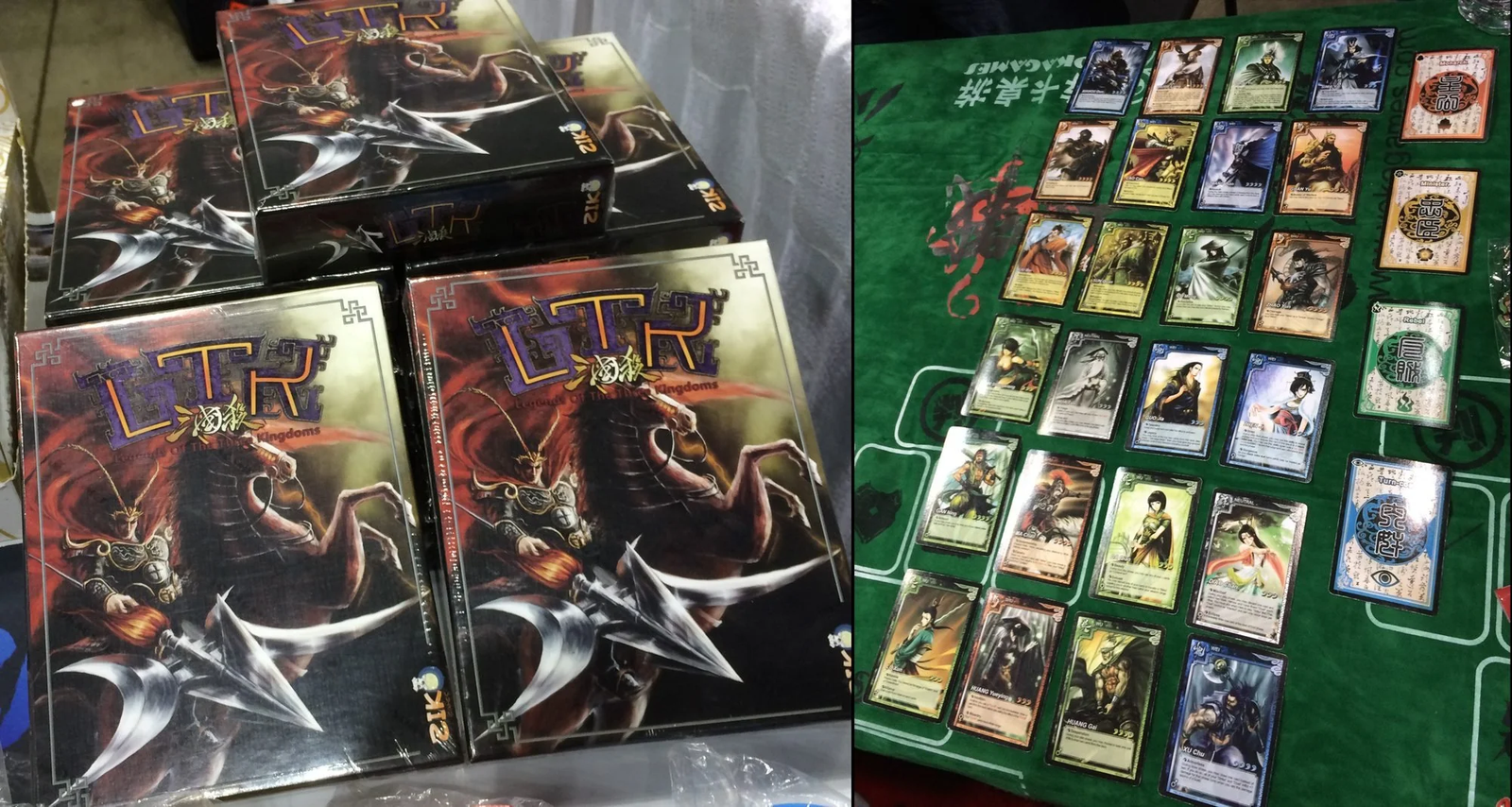
The line between virtual and real-world experiences continues to blur, particularly in the world of gaming, where avatars and gameplay increasingly echo emotional and social realities. This grey area has become the subject of legal scrutiny after a man in China sued a gaming company over what he described as thousands of humiliating virtual slaps that left him with lasting emotional damage.
Known online as “Qiaoben,” the plaintiff claims that the virtual items—eggs and straw sandals—used against his character amounted to psychological harassment and resulted in depression. The case, eccentric yet serious in its undertone, has sparked heated debate about online behavior, emotional accountability in digital spaces, and the future of interactive entertainment.
The Digital Humiliation: Thousands of ‘Slaps’ from Fellow Players
For over 15 years, Qiaoben has been a dedicated player of Three Kingdoms Kill Online, a multiplayer strategy and battle game set in the historical era of China’s Three Kingdoms period. Within this digital realm, he achieved the highest rank—a position that should have brought admiration, not distress. However, Qiaoben’s success on the battlefield did not shield him from social backlash in the form of virtual abuse.
According to his claims, after each game victory, rival players would throw items like eggs and straw sandals at his avatar. These seemingly light-hearted or comedic elements were not just minor distractions. To Qiaoben, they felt like virtual “facial slaps” that left deep emotional scars.
What makes this case so unusual is not merely the use of digital items, but the frequency and intensity with which they were deployed. Qiaoben estimated that over a span of six months, his avatar was struck more than 4,800 times. This wasn’t an isolated prank or a random incident; it was a consistent pattern of behavior he felt powerless to stop.
In some instances, the virtual “slapping” went on for over 90 seconds, with other players targeting him in full view of the gaming community. The experience, he said, went beyond mere annoyance—it attacked his dignity.
Read : Japanese Man Celebrates Sixth Anniversary with Virtual Wife Hatsune Miku
The items, eggs and straw sandals, are either earned through in-game tasks or purchased for a minimal fee, making them readily accessible to all players. The game’s design seemingly encourages their use as a way for defeated opponents to express frustration.
Read : China Creates First AI Commander That Can Operate in War-like Events Without Human Intervention
For the developers, this mechanic might be a harmless addition to boost interactivity and engagement. For Qiaoben, it became a recurring symbol of public humiliation. Each slap, each flying egg, and each tossed sandal chipped away at his self-esteem.
From Frustration to Legal Action: The Path to the Courtroom
Initially, Qiaoben did not intend to take legal action. He attempted to handle the matter internally by filing numerous complaints with the game’s customer service department. He wanted the game company to take action—perhaps restrict the use of these items, impose penalties for abuse, or give players the option to disable such effects. Unfortunately, his concerns went unaddressed, and he felt ignored by a system that prioritized profit and engagement over player welfare.
With no resolution in sight, he finally decided to pursue legal recourse. His lawsuit argues that the developers “tolerate” and even “profit” from this form of harassment. Because the offensive items are available for purchase, the gaming company stands to benefit from their frequent use, creating an incentive to turn a blind eye to misuse.

According to Qiaoben, this transforms what could be playful interaction into a systematic tool of abuse, especially when used excessively or maliciously. Qiaoben’s argument hinges on the emotional toll exacted by these actions. He described feelings of worthlessness, shame, and social ridicule within the game’s community.
“Every time I am hit with eggs, I feel my self-esteem is harmed, and I get depressed,” he explained. These are not just the words of a disgruntled gamer—they reveal a deeper issue with how emotional harm can manifest in online environments. Just because the pain isn’t physical doesn’t mean it isn’t real.
The case has now become a rare example of emotional grievance within a digital platform making its way into the legal system. Though the compensation amount has not been disclosed, the implications are enormous. If the court sides with Qiaoben, it could set a precedent for recognizing emotional injury in virtual environments as grounds for legal action.
The Broader Implications: Gaming Culture, Mental Health, and Accountability
This case raises essential questions that stretch far beyond the confines of a single online game. It touches on the dynamics of gaming culture, the limits of acceptable in-game behavior, and the responsibilities of developers in curating emotionally safe environments.
While many may view Qiaoben’s complaint as excessive or even humorous, the underlying issue is serious: can virtual interactions be emotionally damaging enough to warrant legal protection?
In many ways, the situation mirrors real-world bullying. Just as schoolyard teasing can escalate into harmful psychological effects, repetitive negative interactions online can wear down an individual’s mental health. Gaming platforms are, at their core, social spaces.
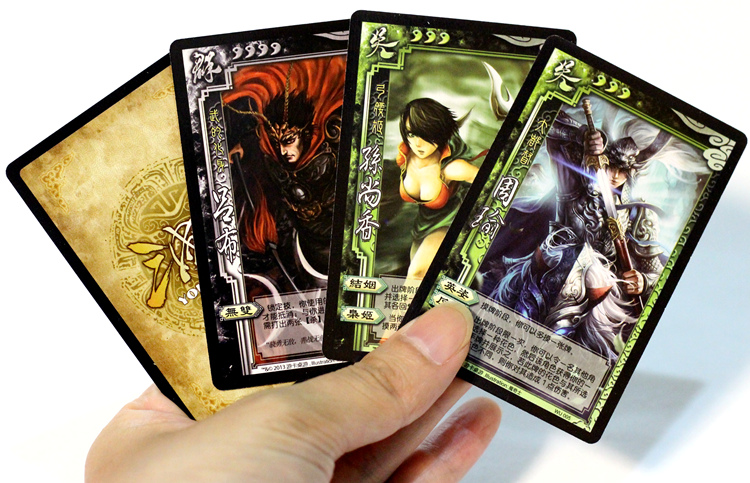
Players interact, compete, and communicate in real time, and just like in the real world, they can also hurt each other—intentionally or otherwise. The idea that a person can feel humiliated and depressed after being virtually “slapped” may seem exaggerated, but it aligns with the broader understanding that digital abuse can be just as painful as face-to-face conflict.
This lawsuit also spotlights the monetization of gaming behavior. By selling or promoting items that can be used to annoy or mock other players, companies walk a fine line between entertainment and exploitation.
If harassment becomes a source of revenue, whether directly or indirectly, then ethical questions emerge about the developers’ responsibility. Are they fueling toxic behavior in the name of profit? Should there be stricter regulation of in-game mechanics that have the potential to affect players’ mental health?
There’s also a psychological element tied to gaming identities. Players often become deeply attached to their avatars and online personas, especially in games played over long periods. To someone like Qiaoben, who has invested over a decade and achieved elite status, his avatar is more than just a digital figure—it’s a symbol of hard work, reputation, and identity. To be repeatedly mocked or attacked in such a public fashion can feel like a personal assault.
Moreover, as gaming becomes a dominant form of social interaction—especially for younger generations—it’s crucial that conversations around mental health and online ethics keep pace. Developers may need to rethink certain mechanics that, while seemingly trivial, could contribute to emotional stress or social alienation. Features that promote sportsmanship, moderation tools, and opt-out functions for certain actions might be necessary in evolving digital landscapes.
Whether Qiaoben’s lawsuit succeeds or not, it has already achieved something important: it has drawn attention to the emotional experiences of gamers and challenged long-held assumptions that what happens in virtual spaces doesn’t matter. The case might seem strange or even amusing on the surface, but at its heart is a person who felt deeply wounded by how he was treated online—and who found no other option but to turn to the courts.
As digital lives become increasingly intertwined with real ones, society will continue to grapple with questions about boundaries, accountability, and emotional safety in the virtual realm. The outcome of this case might not just decide compensation—it might redefine what counts as harm in the age of avatars.