
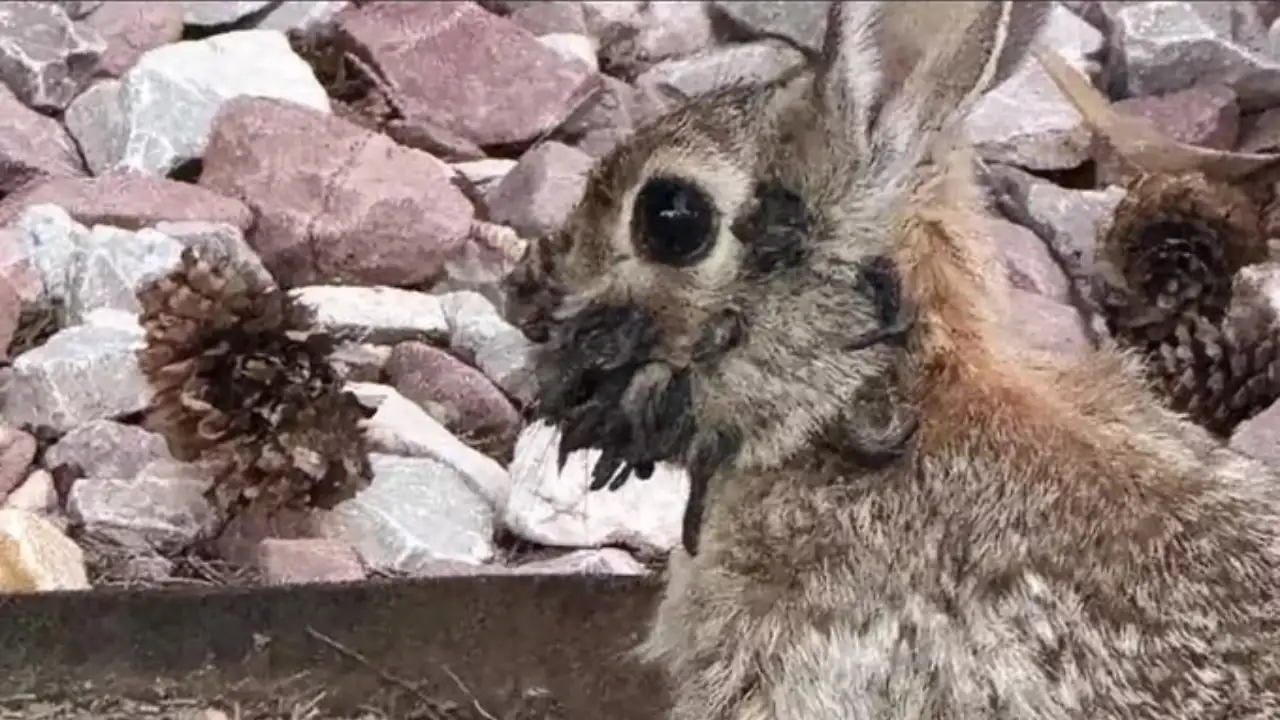
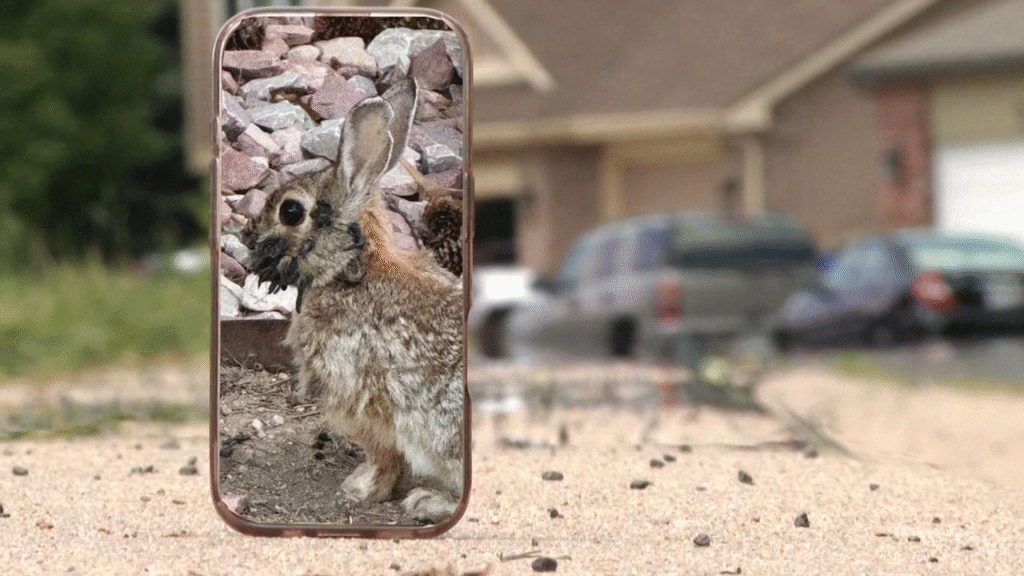
In recent weeks, residents of Fort Collins, Colorado, have reported spotting rabbits exhibiting strange, alarming growths described as black, tentacle-like protrusions or horn-like structures emerging from their heads. This unusual sight has caught the attention of wildlife enthusiasts and local authorities alike.
Colorado Parks and Wildlife (CPW) has identified the cause of these growths as the Shope papilloma virus, a condition that affects rabbits and results in wart-like tumors on their faces and heads. While these growths may look disturbing, wildlife officials assure the public that the virus poses no danger to humans, pets, or other wildlife.
However, the appearance and nature of these growths have raised questions about the virus, its effects on rabbits, and what people should do when encountering infected animals.
Understanding Shope Papilloma Virus and Its Effects on Rabbits
The Shope papilloma virus (SPV) is a type of virus that causes wart-like growths on rabbits. First identified in the 1930s, SPV is known to infect cottontail rabbits primarily, although it can affect other wild rabbit species as well. The virus induces the formation of keratinized, benign tumors that can appear as horn-like or tentacle-like structures protruding from the rabbit’s head, face, and occasionally around the mouth.
These growths resemble rough, black spines or quills that can sometimes be mistaken for injuries or other skin conditions by observers unfamiliar with the virus. According to Colorado Parks and Wildlife, the growths caused by SPV do not typically harm the rabbit unless they develop near sensitive areas such as the eyes or mouth, where they might interfere with feeding or vision.
The tumors are benign, meaning they are not cancerous, but they can persist for several months or even longer. Some rabbits have been observed to survive multiple seasons while living with these growths, showing remarkable resilience despite the appearance of the tumors.
Read : Chinese Scientists Create Mutant Ebola Virus in the Lab That Causes Horrible Symptoms
The Shope papilloma virus is spread mainly through contact between rabbits, and the growths can fall off over time or be shed naturally as the rabbit’s immune system fights the infection. However, there is no known cure or treatment for infected wild rabbits, so the tumors often remain visible until they resolve naturally. This viral infection is part of a larger family of papillomaviruses that can cause similar growths in other animals, but SPV is specific to rabbits.
Public Safety and Wildlife Interaction Recommendations
One of the primary concerns when strange growths or conditions are observed in wildlife is whether the issue could pose a risk to humans or domestic animals. In the case of rabbits infected with Shope papilloma virus in Fort Collins, Colorado Parks and Wildlife officials have confirmed that the virus is not contagious to humans, dogs, or other wildlife. The infection remains contained within the rabbit population, and no cases of transmission outside rabbits have been documented.
Nevertheless, wildlife officials strongly recommend that people avoid approaching, handling, or attempting to help rabbits showing signs of these wart-like growths. While the virus itself is not harmful to humans, direct contact with wild animals carries risks of injury or the transmission of other diseases. Additionally, handling stressed or sick animals can cause unnecessary distress to the wildlife.
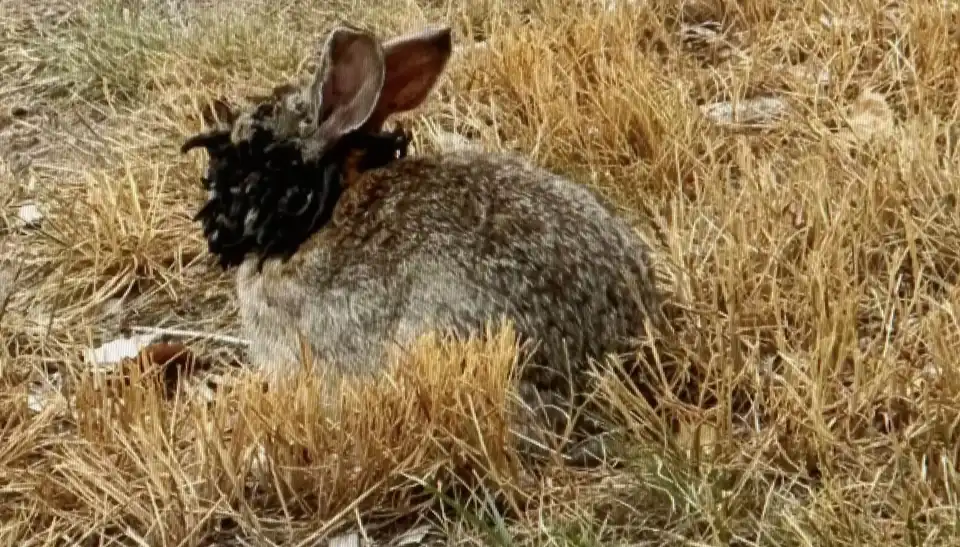
Residents who notice rabbits with these growths are advised to observe from a distance and to avoid feeding or interacting with them. Giving these rabbits space helps limit the spread of the virus among wild populations and minimizes stress on the animals. Wildlife experts also caution against trying to remove or interfere with the growths, as this can cause injury and does not provide a cure.
By respecting these guidelines, the public can safely coexist with local wildlife while allowing natural disease processes to take their course in the wild. Monitoring and reporting unusual wildlife health issues to authorities like CPW also helps track the spread of infections and protect the ecosystem.
What This Means for the Local Rabbit Population and Ecosystem
The appearance of rabbits with wart-like growths caused by Shope papilloma virus in Fort Collins has naturally sparked curiosity about the impact of this infection on the local rabbit population and the broader ecosystem. While the virus can spread between rabbits and cause visible tumors, it generally does not kill infected animals outright or cause widespread population decline.
Most rabbits infected with SPV survive despite the presence of growths, and their ability to continue living and reproducing suggests the virus coexists with the rabbit population without causing catastrophic harm. However, in some cases where the tumors obstruct vital functions such as eating or seeing, the infected rabbit may experience health complications.
In the broader ecosystem, rabbits serve as a key prey species for predators such as hawks, foxes, and coyotes, and they also contribute to plant seed dispersal and soil aeration. The persistence of SPV within the population is part of natural disease dynamics that wild animals face regularly. Such infections can influence animal behavior and health, sometimes affecting predator-prey interactions or population balances.
Colorado Parks and Wildlife continues to monitor the situation closely, collecting data and observations from residents and wildlife experts. This monitoring helps assess the prevalence of the virus, its effects on the health of the rabbit population, and any potential changes over time. Understanding the dynamics of diseases like SPV in wildlife populations can inform conservation strategies and public education.
The rabbits in Fort Collins showing wart-like, tentacle-like growths on their heads are experiencing the effects of Shope papilloma virus, a naturally occurring viral infection. Although these growths may appear alarming, they do not threaten human health and usually do not severely harm the rabbits. Wildlife officials emphasize the importance of observing these animals without disturbing them and continuing to support healthy coexistence between people and wildlife in the region.