

The disappearance of six-year-old Joshlin Smith in early 2024 shook South Africa and captured international attention. At the heart of this deeply disturbing case was a tragic betrayal—one that involved the very person meant to protect the child: her mother.
The nation watched in shock and horror as the story unfolded, ultimately leading to the life imprisonment of Racquel Smith, her boyfriend Jacquen Appollis, and their accomplice Steveno van Rhyn. The trio were convicted for kidnapping and human trafficking, crimes that have left a permanent scar on a grieving family and a fearful community.
The saga began in a small township in Saldanha Bay, located about 85 miles north of Cape Town. Joshlin Smith, described as a bright and spirited little girl, disappeared from her home in February 2024. Despite an extensive and ongoing police investigation, the child remains missing.
The heartbreak surrounding her vanishing has only deepened with the recent revelation that her own mother orchestrated her sale for just 20,000 South African rand—about $1100. The reason: her daughter’s physical features were allegedly “desired” by a traditional healer.
This case is not just a story of individual depravity but a painful reflection of broader societal issues in South Africa, including the surge in kidnappings and the dire consequences of drug addiction, poverty, and systemic neglect.
A Mother’s Betrayal: The Selling of Joshlin Smith
The courtroom in Saldanha Bay was filled with an air of disbelief as damning details emerged during the trial of Racquel Smith and her two co-accused. Witnesses testified that Smith had long planned the sale of her daughter. A local pastor recounted how she had confided in him in 2023, expressing her intention to sell the child.
Another witness claimed Smith bragged about selling Joshlin to a traditional healer, or “sangoma,” for R20,000, specifying the buyer was interested in her “eyes and skin.” What shocked the public even more was Smith’s lack of remorse. Judge Nathan Erasmus, presiding over the trial, was blunt in his condemnation.
He said there was “nothing redeeming” about Smith’s actions and handed down the harshest sentence possible. Alongside life imprisonment for human trafficking, Smith and her accomplices were given an additional 10-year sentence for kidnapping, to run concurrently. Their names have also been permanently added to South Africa’s child protection register.
In his scathing judgment, Erasmus highlighted the manipulative behavior of Smith, noting that she had even tried to shift the blame to her own parents. Her drug addiction, along with that of her boyfriend and their friend, was presented as no excuse for the heinous crime. The judge stated clearly that addiction could not justify the premeditated and merciless betrayal of a child.
The courtroom saw emotional scenes, particularly when Amanda Daniels, Joshlin’s grandmother and Smith’s mother, was present for the sentencing. Dressed in a white T-shirt emblazoned with Joshlin’s image, Daniels listened as a victim impact statement was read on her behalf.
She described the immense pain and suffering her daughter’s actions had inflicted on their family, especially on Mother’s Day. Her words painted a vivid picture of loss: “Kelly, you have made our lives hell on earth. I feel like my heart has been ripped from my body.”
Daniels, who now cares for Joshlin’s siblings, expressed ongoing fear for their safety. The trauma of losing Joshlin has not only devastated the family emotionally but has also left them living in a state of constant anxiety.
An Unsolved Mystery: Where is Joshlin Smith?
Despite the convictions, the most haunting question remains unanswered: where is Joshlin? More than a year after her disappearance, police have yet to locate her. This fact continues to torment her family and the broader public. South African law enforcement authorities say they have extended their investigation beyond the country’s borders, fearing that Joshlin may have been trafficked internationally.
The disappearance galvanized public action and drew the attention of political figures. Gayton McKenzie, a populist leader of the Patriotic Alliance party and now Minister of Sport and Culture, offered a reward of 1 million rand (approximately $42,000) for Joshlin’s safe return. Despite this substantial offer, no credible leads have emerged, leaving both authorities and the public in agonizing suspense.
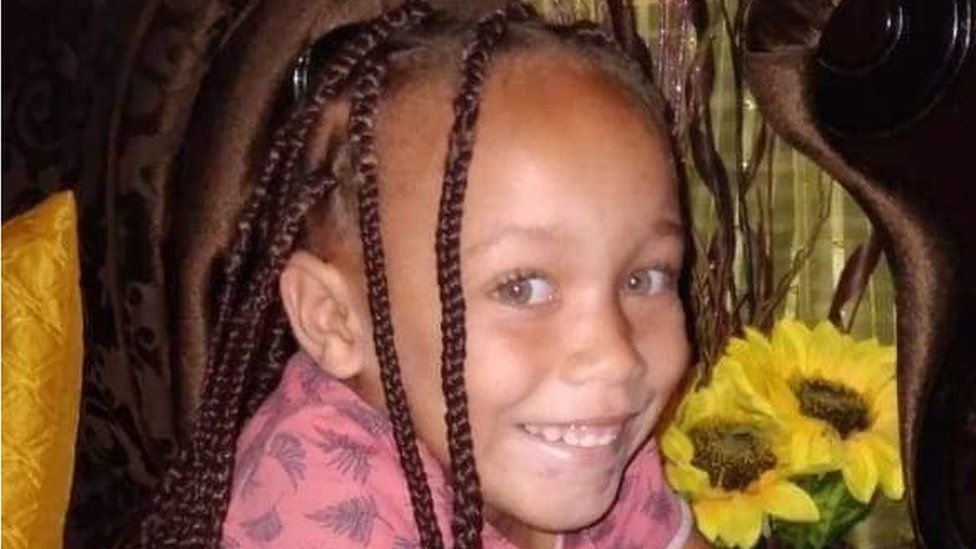
The absence of closure has made it difficult for many in the community to move on. Vigils and public awareness campaigns continue, with people wearing T-shirts and holding placards bearing Joshlin’s face. These displays of solidarity serve as a reminder that Joshlin is more than a victim—she is a child who is still missing, and justice is incomplete without her safe return or at least a confirmed fate.
The broader implications are equally harrowing. The case has exposed gaps in child protection systems and raised urgent questions about how children in vulnerable communities can be better safeguarded. It has also reignited debates about the role of traditional healers and the exploitation of cultural practices for criminal purposes.
The Rise of Kidnappings in South Africa
The horror of Joshlin Smith’s case is intensified when viewed within the broader context of a kidnapping epidemic in South Africa. According to police data, the country recorded over 17,000 kidnapping cases in the 12 months leading up to March 2024—a figure that has nearly tripled in just three years. This staggering increase suggests a worsening national crisis.
While some of these kidnappings are for ransom or related to organized crime, many involve human trafficking, often targeting women and children. The reasons are complex: poverty, drug abuse, inadequate law enforcement, and systemic inequality all contribute to the problem. In some cases, deeply rooted beliefs in “muti” (traditional medicine) rituals also play a disturbing role, as evidenced in the allegations surrounding Joshlin’s case.
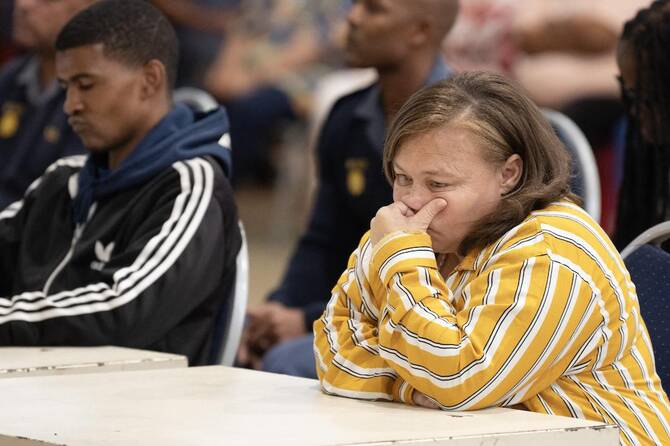
Saldanha Bay, once a quiet fishing town, has become a focal point of national discussion. Residents there, like many South Africans, now live in fear for their children’s safety. Schools and community centers have begun implementing stricter protocols, and parents are increasingly wary of leaving children unsupervised—even for brief periods.
The government has announced plans to increase funding for anti-trafficking units and child protection services, but critics argue that more systemic change is needed. Beyond reactive measures, they say South Africa must address the root causes of crime, including poverty alleviation, better education, and expanded access to rehabilitation for drug users.
The justice system, for its part, has sent a strong message through this sentencing. But for many South Africans, it feels like a small measure of justice in a tide of suffering. Without a resolution to Joshlin’s disappearance, her case remains a symbol of both grief and urgency.
The trauma inflicted on Joshlin’s family, particularly on her siblings who must now live with the shadow of what happened, is immeasurable. So too is the damage done to a society that has seen one of its most sacred bonds—that between mother and child—shattered by greed and addiction.
Racquel “Kelly” Smith’s sentencing marks the end of a courtroom chapter, but it is not the end of the story. Joshlin Smith is still missing. Until she is found—alive or with confirmed fate—South Africa cannot begin to heal. The memory of her innocent face, printed on T-shirts and held up at rallies, continues to haunt a nation desperate for answers and justice.