
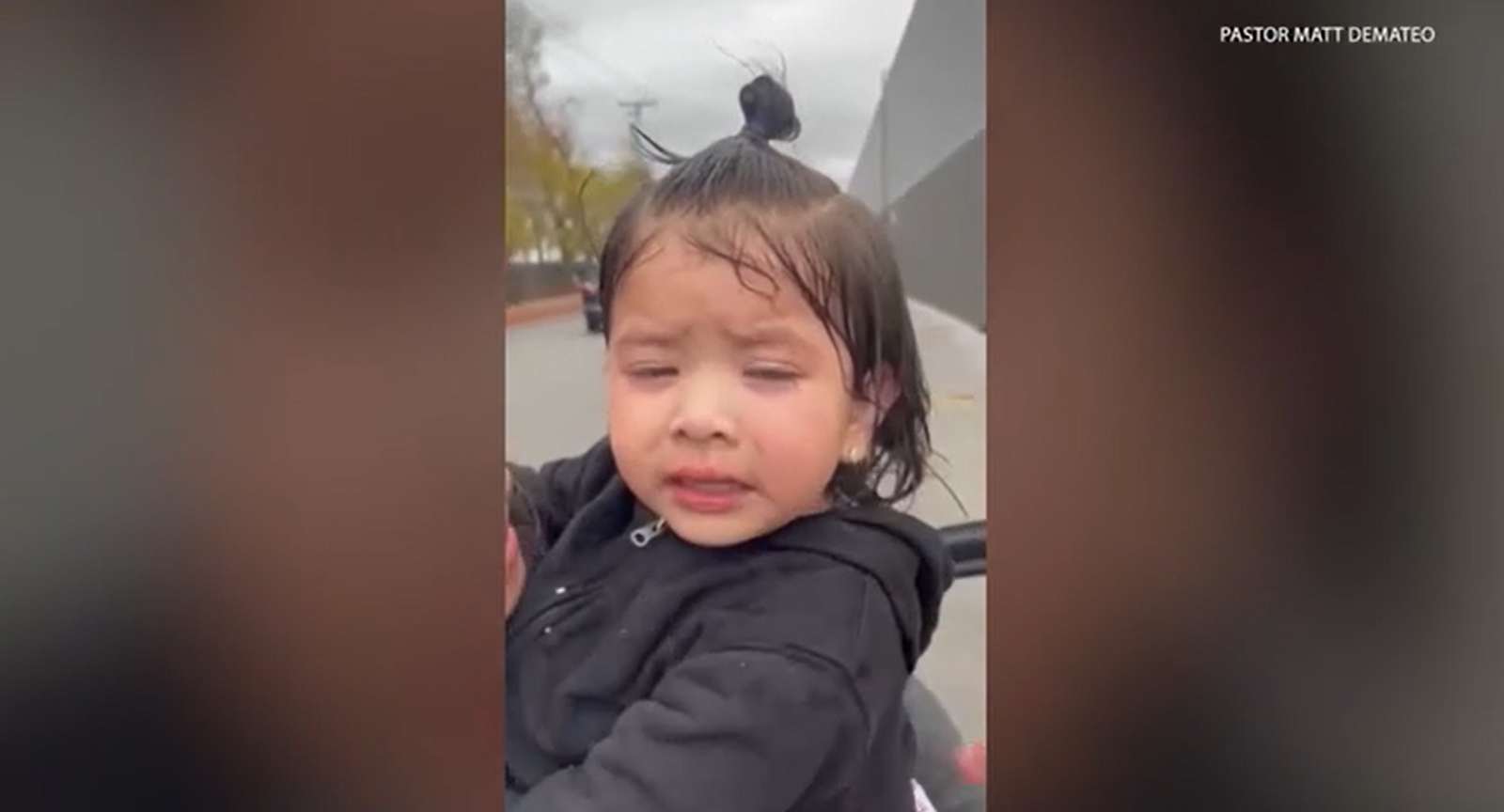
The recent allegations that a one-year-old child was pepper-sprayed by federal agents during an immigration enforcement operation in Cicero, Illinois, have sparked widespread concern and debate over the use of force in immigration raids. The reported incident occurred on a Saturday morning in the parking lot of a Sam’s Club store during Operation Midway Blitz, a large-scale effort involving Border Patrol and other federal agencies targeting suspected immigration violations in the Chicago metropolitan area.
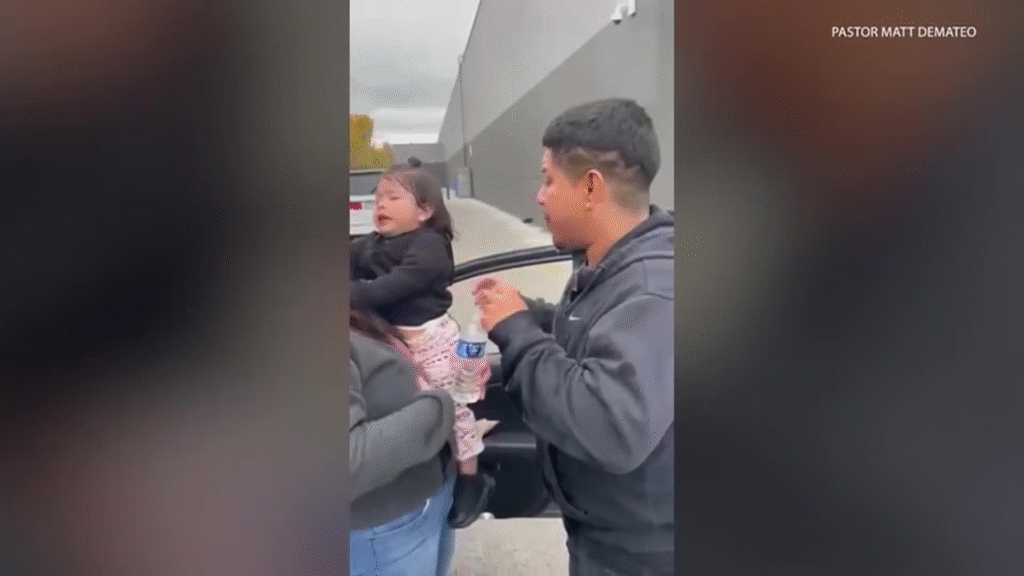
According to accounts reported by local media, including ABC7 Chicago, Rafael Veraza and his daughter, Arianna, were inside their vehicle when agents approached and deployed pepper spray, striking both the father and child. A video circulated online appears to show agents approaching the car and spraying inside it. While federal officials have publicly disputed that pepper spray was used, the conflicting narratives have intensified scrutiny of how such operations are conducted, particularly in densely populated and family settings.
The case has captured public attention not only because of the central allegation involving a very young child, but also due to the broader context surrounding immigration enforcement in Chicago’s Little Village and surrounding suburbs. This area is home to large Mexican-American and immigrant communities, and immigration operations there often draw strong community responses, legal advocacy efforts, and challenges from local organizations.
The timing is notable as well, occurring just days before a federal judge issued a preliminary injunction aimed at limiting certain aggressive enforcement tactics. The question of whether excessive force was used in this particular situation is now positioned within a larger national conversation about the balance between enforcing federal immigration law and protecting individual civil rights, especially when young children or medically vulnerable individuals are present.
The Incident During Operation Midway Blitz
Operation Midway Blitz was a coordinated federal enforcement action in and around Chicago, with the stated purpose of locating and detaining individuals suspected of immigration violations or other related offenses. Federal agents were operating in various neighborhoods, including Cicero and Little Village.
According to video and eyewitness accounts referenced in local reports, Rafael Veraza was seated inside his parked vehicle with his one-year-old daughter in the back seat when agents approached. Rafael Veraza has stated that he did not resist or attempt to flee and that the interaction escalated abruptly when officers sprayed him through the window of the vehicle. He described a sudden burning sensation that made it difficult to breathe, consistent with the effects of pepper spray, and he emphasized that his asthma heightened his respiratory distress.
The reaction of his daughter, he said, was similarly alarming as she cried, rubbed her eyes, and struggled to breathe after the spray entered the vehicle. The reporting indicates that the force used was not dispersed into the air at a distance but directed closely enough at the vehicle that both occupants were affected. Pepper spray is known to cause severe irritation to the eyes, throat, and lungs. For children, whose airways are smaller and respiratory capacity more limited, exposure can be especially dangerous.
Here’s video of federal agents doing a drive by pepper spraying that hit a father and his one-year old on Saturday when the Feds were hitting Little Village and Cicero pic.twitter.com/hV8YBI3o8z
— Gregory Royal Pratt (@royalpratt) November 9, 2025
Rafael Veraza emphasized that as an asthmatic, the chemical agent immediately triggered respiratory distress, reducing his ability to respond or assist his daughter. In such circumstances, the need for decontamination, medical evaluation, and monitoring is widely recognized in medical literature, though it is unclear how quickly assistance was provided in this case. This account has led to questions about proportionality and necessity. If Veraza was not posing a threat, the use of pepper spray could be viewed as excessive.
If agents believed there was a risk or resistance, wider questions arise concerning training, communication, and escalation protocols during encounters involving vehicles and family occupants. The footage circulating online has contributed to public reaction, though as with many rapidly shared videos, context, sequence of events, and duration remain central points of debate. Nonetheless, the reports have raised concerns from community advocates and civil rights groups about how families are treated during immigration enforcement operations that occur in public consumer spaces where bystanders, including children, are often present.
Conflicting Statements and Federal Response
The Department of Homeland Security has publicly denied that pepper spray was used in the parking lot incident. In an official statement shared on social media, DHS wrote that there was “no crowd control or pepper spray deployed in a Sam’s Club parking lot,” framing the assertions as false and lacking context. The agency stated that federal officers had been subjected to hostile actions in the area earlier in the day, including being shot at, struck with bricks, and targeted with vehicle ramming attempts.
The statement described a volatile environment in which Border Patrol agents were surrounded, boxed in, and attacked while attempting to carry out enforcement operations, suggesting that any force used throughout the operation was a response to threats directed at federal personnel. This broader description of events around Little Village and Cicero that day is corroborated by additional local reporting, which documented arrests of protesters and confrontations between community members and agents.
The National Lawyers Guild’s Chicago chapter reported that at least nine individuals were detained during clashes at multiple locations throughout the area. The DHS statement also referenced damage to government vehicles, threats to agent safety, and dangers posed by crowds attempting to block enforcement activity. From the federal perspective, the situation was dynamic and hazardous, requiring rapid decision-making in the context of officer safety and operational control.
The disagreement between the reported video evidence and DHS’s denial highlights a recurrent issue in public understanding of enforcement events: the challenge of reconciling firsthand narratives, recorded footage, and official statements. In many situations involving law enforcement use of force, different parties may emphasize distinct details regarding what constituted provocation, compliance, threat perception, and justification.
The presence of a child in the vehicle adds a dimension that intensifies scrutiny, as federal guidance generally emphasizes minimizing harm to minors during enforcement actions. Whether proper protocols were followed, training and directives were clear, and agents acted consistently with those expectations are questions that may lead to further review.
Broader Context of Immigration Enforcement and Community Impact
The incident occurs within the framework of ongoing immigration enforcement efforts that have been shaped significantly by federal priorities, administrative policy shifts, and local resistance. Chicago has long been identified as a city with sanctuary policies, and various community organizations actively work to monitor and challenge deportation operations.
Read : Abigail Zwerner Awarded $10 Million in Damages After Being Shot by 6-Year-Old Student at School
In particular, neighborhoods like Little Village have historic cultural and economic ties to Mexican and Latin American migration, making immigration enforcement particularly sensitive. Operations conducted in residential and commercial areas where families are present regularly lead to concerns about trauma, community fear, and mistrust of law enforcement.

Under recent federal immigration strategies, agencies including ICE and CBP have engaged in targeted as well as broad enforcement efforts aimed at identifying and removing individuals deemed to be in violation of immigration law. While federal officials argue that such operations are necessary for legal and security purposes, advocates and civil society groups counter that these efforts disproportionately impact families, create fear among undocumented residents, and can result in escalation in situations involving individuals who pose no immediate threat.
The reported use of force against Rafael Veraza and his daughter has galvanized renewed criticism from these groups, who argue that enforcement actions should not place children at risk under any circumstances. At the same time, the response from DHS underscores the perspective of federal agencies that their officers face real and sometimes severe physical danger while conducting operations.
The agency’s statements indicate that the environment during Operation Midway Blitz was active, contested, and potentially hazardous to personnel. This framing suggests that enforcement operations in areas where resistance is anticipated are increasingly treated as high-risk law enforcement events rather than routine or administrative actions. The escalation of conflict between federal agents and community members contributes to a broader cycle of distrust, where community groups feel compelled to intervene and agencies respond with heightened security procedures.
The reported pepper-spraying of a one-year-old child has therefore become a focal point in a larger conversation about the human consequences of immigration enforcement conducted in public spaces. Legal advocates are evaluating whether rights were violated in the incident, particularly in regard to the use of force against non-threatening individuals and minors.
The case may influence discussions on how future operations are planned, communicated, and executed. In particular, it raises questions about whether additional safeguards, oversight mechanisms, or community coordination efforts are needed to prevent harm, avoid escalation, and maintain public safety for all parties present.