
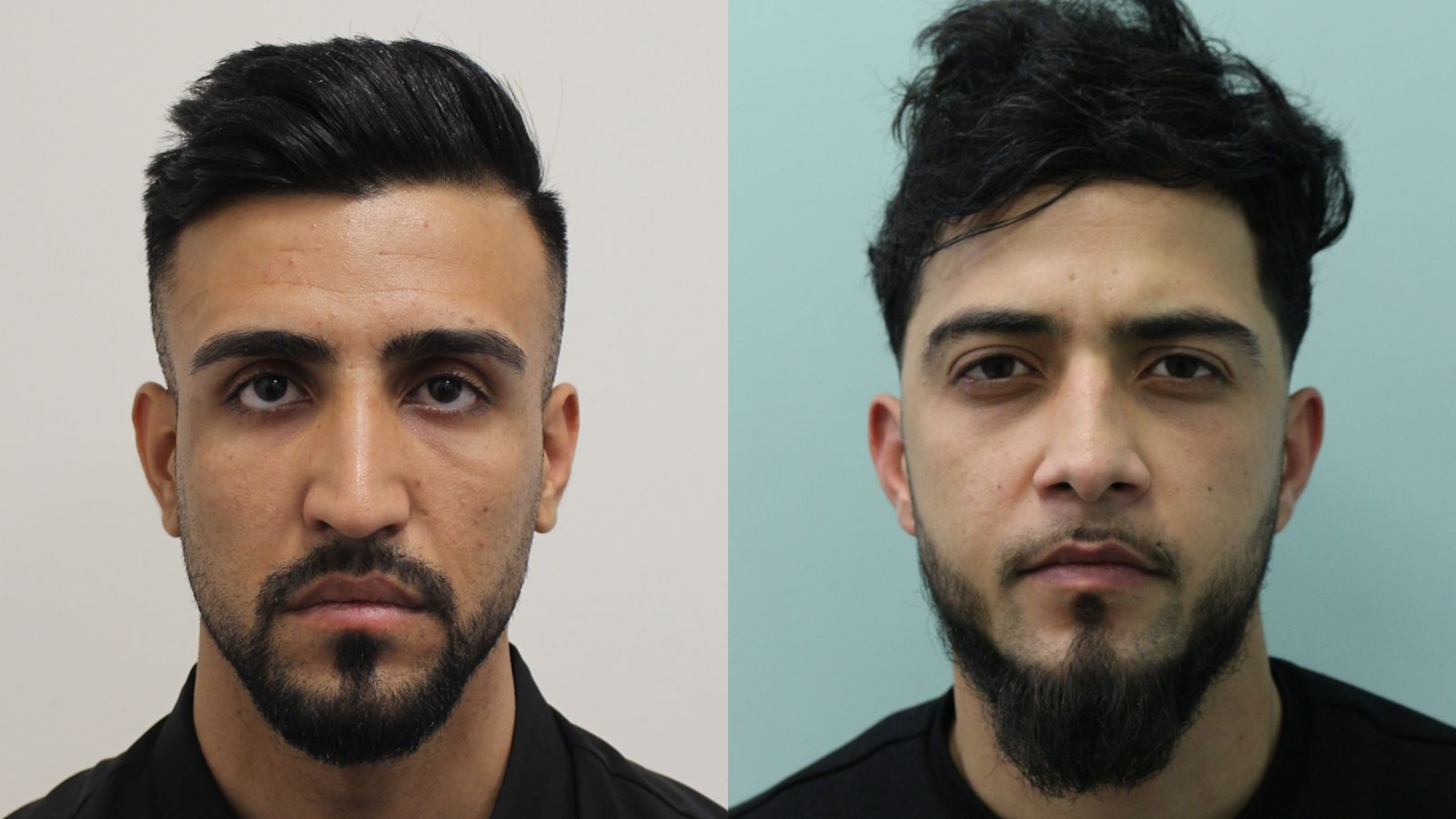
The sentencing of Rahmat Khan Mohammadi and Mohammed Bilal Hotak at Isleworth Crown Court has brought to a close one of the Metropolitan Police’s most extensive investigations into crimes facilitated through dating applications. Over a six-month period, the two men orchestrated a calculated campaign of burglaries and frauds across London, exploiting the trust inherent in online dating to gain access to victims’ homes.
Police described the pair as part of “London’s most prolific Grindr gang,” a label that reflects not only the scale of the offending but also the level of coordination involved. Their crimes resulted in significant financial losses, severe emotional distress, and long-lasting psychological harm for the men they targeted, many of whom described feeling unsafe in their own homes long after the offences occurred. The case has also intensified scrutiny of how digital platforms can be manipulated by organised criminals and how law enforcement and support services respond when marginalised communities are disproportionately affected.
A Calculated Pattern of Deception and Theft
Between October 2024 and March 2025, Rahmat Khan Mohammadi, aged 23, and Mohammed Bilal Hotak, aged 21, carried out 35 burglaries and 20 related fraud offences, extracting a total of £68,000 from 22 victims. Their method relied on a consistent pattern of deception. Using Grindr, they created profiles that often lacked photographs or used images belonging to other people, presenting themselves as potential romantic or sexual partners. Conversations were designed to quickly establish trust and lead to meetings at victims’ homes across different parts of the capital.
Once inside a property, the pair employed carefully rehearsed distraction techniques. Victims were persuaded to share their phone passcodes under seemingly innocuous pretences such as wanting to play music, watch videos, or look something up online. Ensuring that the phone remained unlocked was central to the operation. One of the men would then create a reason for the victim to leave the room, commonly suggesting a shower before sex, offering to make a drink, or asking to be shown the bathroom. In several instances, one offender would guide the victim away while the other took the opportunity to remove the mobile phone from the room.
Judge Adenike Balogun noted that the pattern was repeated across all cases. Victims would return to find that one or both men had left and that their phone was missing. With immediate access to unlocked devices, Rahmat Khan Mohammadi and Hotak were able to carry out contactless payments, online transfers, and, in some cases, apply for loans and overdrafts in the victim’s name. Beyond digital theft, the men also stole physical items including wallets, watches, passports, and other valuables, compounding both the financial impact and the sense of personal violation experienced by those targeted.
Read : Group of Five Men Used Grindr Dating App to Lure Victims, Arrested
The consequences for victims were severe. One individual was hospitalised after suffering acute stress when they discovered fraudulent loans taken out in their name. Others reported that their education, employment prospects, and financial stability were derailed as they attempted to resolve debts and restore compromised identities. Many spoke of enduring anxiety, shame, and fear, describing the experience not merely as theft but as a profound breach of trust within their most private spaces.
The Investigation and the Role of Community Engagement
The Metropolitan Police investigation began in autumn 2024 following a cluster of reports from men who had experienced phone thefts after meeting contacts arranged through Grindr. What initially appeared to be isolated incidents soon revealed a wider pattern. The case was taken on by the Met’s Specialist Crime Team, which dedicated extensive resources to identifying those responsible.
Read : Surreal Event: A Real Pic of Flamingo Won AI Photo Contest
Investigators reviewed hundreds of hours of CCTV footage, analysing movements around victims’ homes and nearby streets. Automatic Number Plate Recognition data was used to track vehicles linked to the suspects, while thousands of phone records and text messages were examined to establish communication patterns and timelines. This painstaking work allowed officers to connect Rahmat Khan Mohammadi and Mohammed Bilal Hotak not only to each other but also to the full scope of the offending, demonstrating that the crimes were neither random nor opportunistic in isolation but part of a sustained and coordinated campaign.
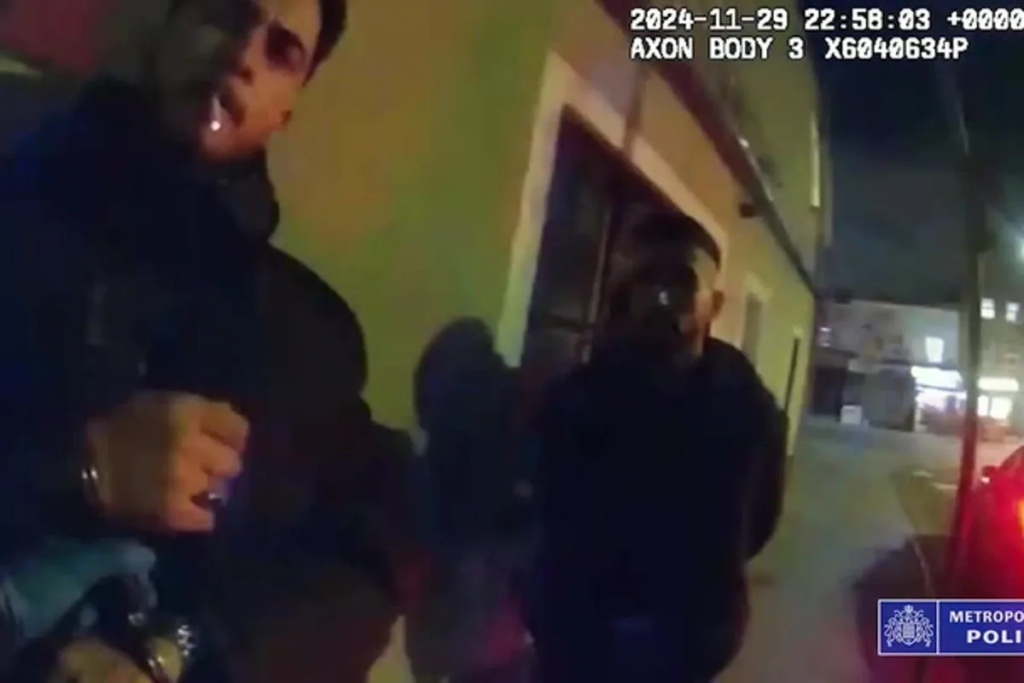
A key element of the investigation was the emphasis on victim support and trust-building. Detective Inspector Mark Gavin explained that specialist LGBT+ community liaison officers were deployed to work closely with those affected. These officers provided daily contact, reassurance, and practical advice, helping victims navigate both the emotional impact of the crimes and the procedural demands of the criminal justice process. This approach proved crucial in encouraging victims to come forward, share information, and remain engaged with the investigation, particularly given the sensitivity surrounding sexuality, privacy, and online dating.
The evidence gathered enabled prosecutors to pursue charges beyond simple theft. By demonstrating that the men had entered homes under false pretences with the intent to steal and commit fraud, the Crown Prosecution Service was able to bring burglary and fraud charges, significantly increasing the potential sentences. The collaboration between investigators, prosecutors, and community organisations strengthened the overall case and underscored the importance of tailored approaches when crimes affect specific communities.
Sentencing, Legal Arguments, and Wider Implications
On Monday, December 22, 2025, Isleworth Crown Court sentenced Rahmat Khan Mohammadi to five years in prison and Hotak to three and a half years, a combined total of eight and a half years’ imprisonment. During sentencing, Judge Balogun acknowledged the extensive psychological harm caused, stating that the court had taken full account of the trauma, inconvenience, and distress expressed by victims who had allowed the men into their homes only to be violated.
The prosecution argued that the offences could be considered hate crimes, contending that the men targeted victims because of their sexuality and perceived vulnerability. While the judge accepted that the victims’ presumed sexual orientation presented an opportunity for the crimes, she ultimately concluded that the offences were opportunistic rather than motivated by hostility toward the LGBT+ community. This distinction shaped the legal framing of the case but did not diminish the seriousness with which the harm was regarded.

Defence counsel presented mitigating factors related to the backgrounds of both defendants. Rahmat Khan Mohammadi’s lawyer described a childhood marked by violence, including an incident in which he was stabbed at the age of 15 and subsequently fled Afghanistan amid threats from his own family. Hotak’s barrister denied any animosity toward the gay community, maintaining that the crimes were driven by financial opportunism rather than prejudice. The court considered these submissions but found that they did not outweigh the sustained nature of the offending and the harm inflicted.
The case has broader implications for both law enforcement and the LGBT+ community. The Metropolitan Police worked alongside the LGBT+ anti-abuse charity Galop and its own LGBT+ Advisory Group to ensure the investigation and prosecution were handled with sensitivity. Galop’s representatives emphasised that the manipulation of dating apps to target LGBT+ individuals can undermine community confidence and deter victims from seeking help.
The Met has acknowledged these concerns and committed to increased outreach and reassurance efforts, particularly in light of previous findings that the force was institutionally homophobic. Superintendent Owen Renowden highlighted that the investigation expanded police understanding of how organised crime groups can exploit digital platforms.
The recognition of coordinated offending facilitated through dating apps has prompted a reassessment of risk and safeguarding strategies, both within policing and among community partners. While the convictions mark a significant enforcement success, they also illustrate the evolving challenges posed by technology-enabled crime and the need for continued vigilance, collaboration, and support for victims navigating the aftermath of such offences.
Signed up on khelo24matchbet and it seems promising. Focusing on match betting which is right up my alley. Will be back to update on my winnings…I hope! Go check it out: khelo24matchbet