
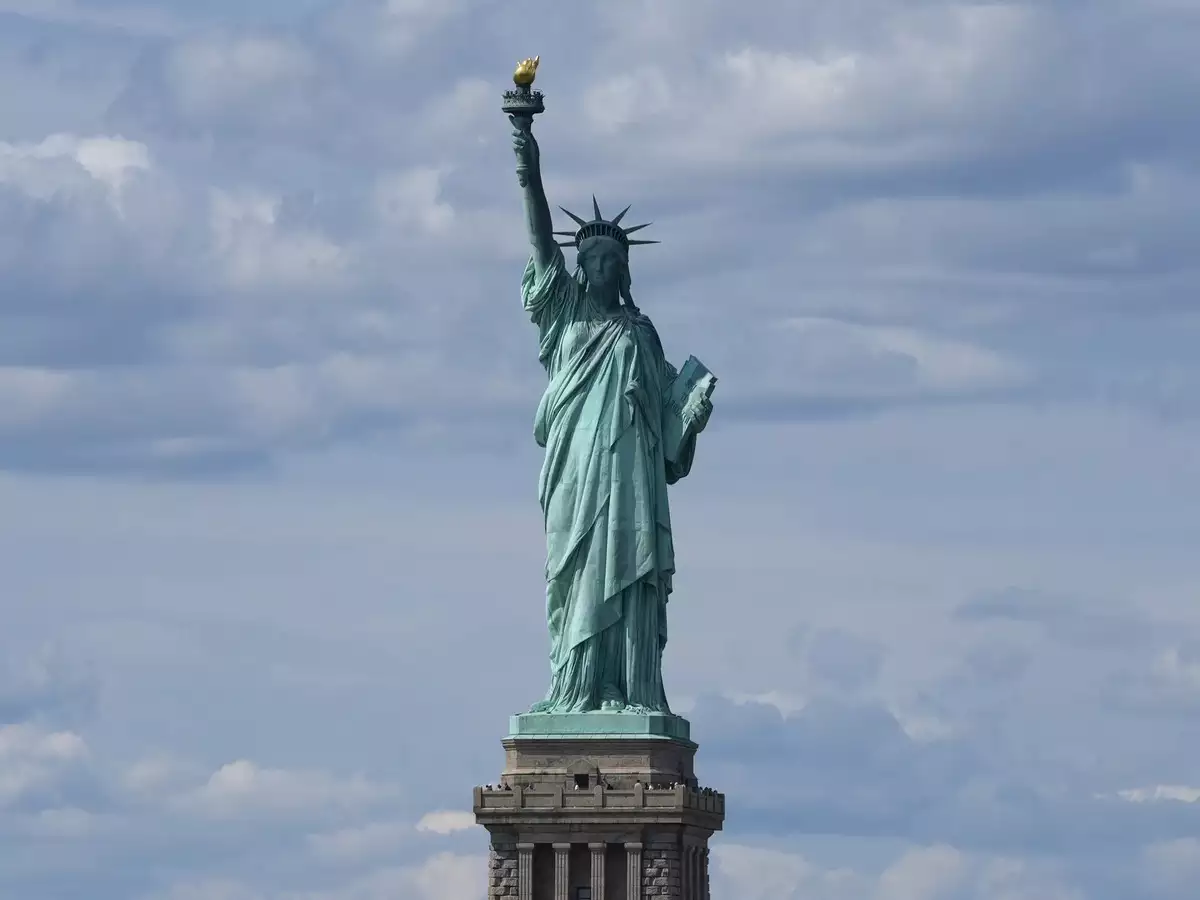
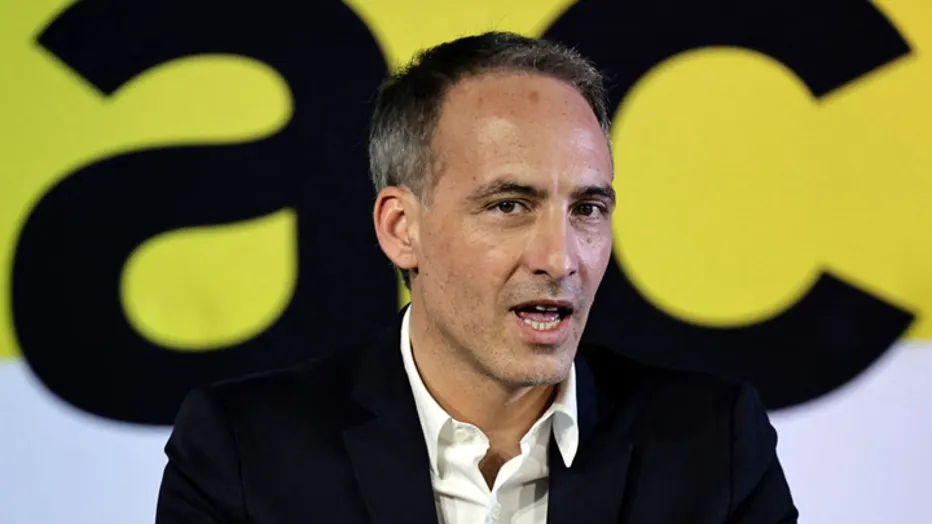
French politician Raphaël Glucksmann, a Member of the European Parliament (MEP) from the Socialists and Democrats group, has sparked controversy by suggesting that the United States should return the Statue of Liberty to France.
His remarks, made during a party convention, were aimed at US President Donald Trump, whom he accused of “siding with tyrants” and undermining democratic values. Glucksmann’s statement was a symbolic rebuke to Washington’s recent political decisions, particularly concerning its stance on Ukraine and its approach to scientific research.
A Symbolic Gesture Against Trump’s Policies
Glucksmann’s comments came amid growing tensions between the United States and Europe, particularly over trade policies and international relations. Trump has repeatedly threatened to impose high tariffs on European goods, escalating economic friction between the two allies.
The French MEP, known for his outspoken criticism of authoritarianism and right-wing populism, used the Statue of Liberty as a metaphor for the values he believes the US is betraying under Trump’s leadership.
“We’re going to say to the Americans who have chosen to side with the tyrants, to the Americans who fired researchers for demanding scientific freedom: ‘Give us back the Statue of Liberty,’” Glucksmann said, referencing the historical gift from France to the US.
The statue, designed by French sculptor Auguste Bartholdi and officially unveiled in New York in 1886, was meant to symbolize freedom and democracy. Glucksmann’s remarks implied that Trump’s administration no longer upholds those ideals, making the statue’s presence in the US unjustified.
Read : United States: A Dynamic Land of Diversity, Innovation, and Global Influence
While his statement was made with a touch of irony, it resonated with many who are critical of Trump’s foreign policy and his apparent admiration for leaders like Russian President Vladimir Putin.
Read : The Statue of Liberty: Symbol of Freedom and Hope
The timing of Glucksmann’s remarks coincided with Washington’s controversial decision to pause military aid to Ukraine, a move that many European leaders, including those in France, view as a betrayal of democratic principles.
The Economic Angle: A New Home for American Talent?
Beyond his demand for the Return the Statue of Liberty, Glucksmann also made another provocative remark: he suggested that France could benefit from Trump’s economic policies if talented American professionals lost their jobs and moved to Europe.
He pointed out that Trump’s dismissals of scientists and researchers—particularly those advocating for scientific freedom and climate change research—could lead to a brain drain in the US, which France would gladly take advantage of.
“If you want to fire your best researchers, if you want to fire all the people who, through their freedom and their sense of innovation, their taste for doubt and research, have made your country the world’s leading power, then we’re going to welcome them,” Glucksmann said.
His comments reflected a broader European concern that the US is turning away from scientific progress and intellectual openness under Trump’s administration.
France has a strong history of fostering scientific research, and Glucksmann’s remarks suggested that the country could serve as a refuge for American academics and innovators who feel alienated by Trump’s policies.
His statement also played into the broader narrative of transatlantic competition, highlighting Europe’s willingness to step in where the US is perceived to be retreating.
While some viewed his comments as rhetorical flourishes rather than serious policy proposals, they underscored the growing divide between European and American leadership. The friction between the two allies is not only about trade and tariffs but also about fundamental values such as democracy, human rights, and scientific freedom.
Political Ramifications and the Role of Symbolism
Glucksmann’s statements did not just target Trump; they were also directed at far-right movements in France and across Europe. He accused French far-right politicians of being part of a “fan club” for Trump and billionaire Elon Musk, who has been supportive of cost-cutting measures in US government programs.
His remarks were intended to rally opposition against the influence of right-wing populism, both within France and on a global scale. The use of the Statue of Liberty as a symbol in his argument was particularly significant.
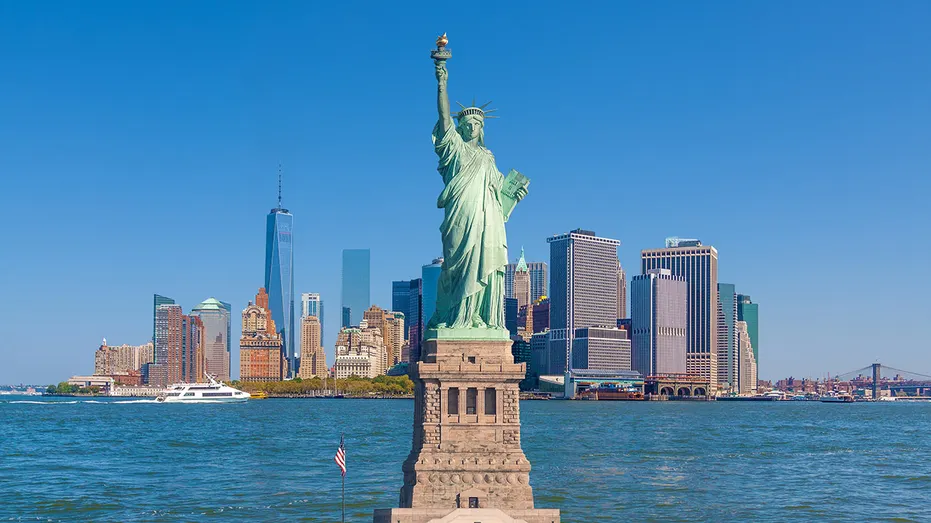
Originally gifted by France to the US to celebrate the centennial of the American Declaration of Independence, the statue has long represented the shared democratic values of the two nations. By calling for its return, Glucksmann was making a pointed statement about the US’s perceived departure from those ideals.
In reality, there is no legal or diplomatic mechanism for France to demand the statue’s return. However, Glucksmann’s comments were not meant as a literal demand but rather as a dramatic way to highlight what he sees as the erosion of democracy in the US. His words sparked debate both in Europe and across the Atlantic, drawing attention to the shifting dynamics in US-European relations.
As the political landscape continues to evolve, such symbolic gestures and rhetorical provocations will likely play a role in shaping public discourse.
Whether or not Glucksmann’s remarks lead to tangible policy changes, they serve as a reminder of the broader ideological struggle between those who advocate for democratic values and those who align with nationalist and authoritarian tendencies.
The future of US-Europe relations remains uncertain, but one thing is clear: the debate over democracy, freedom, and leadership is far from over.