
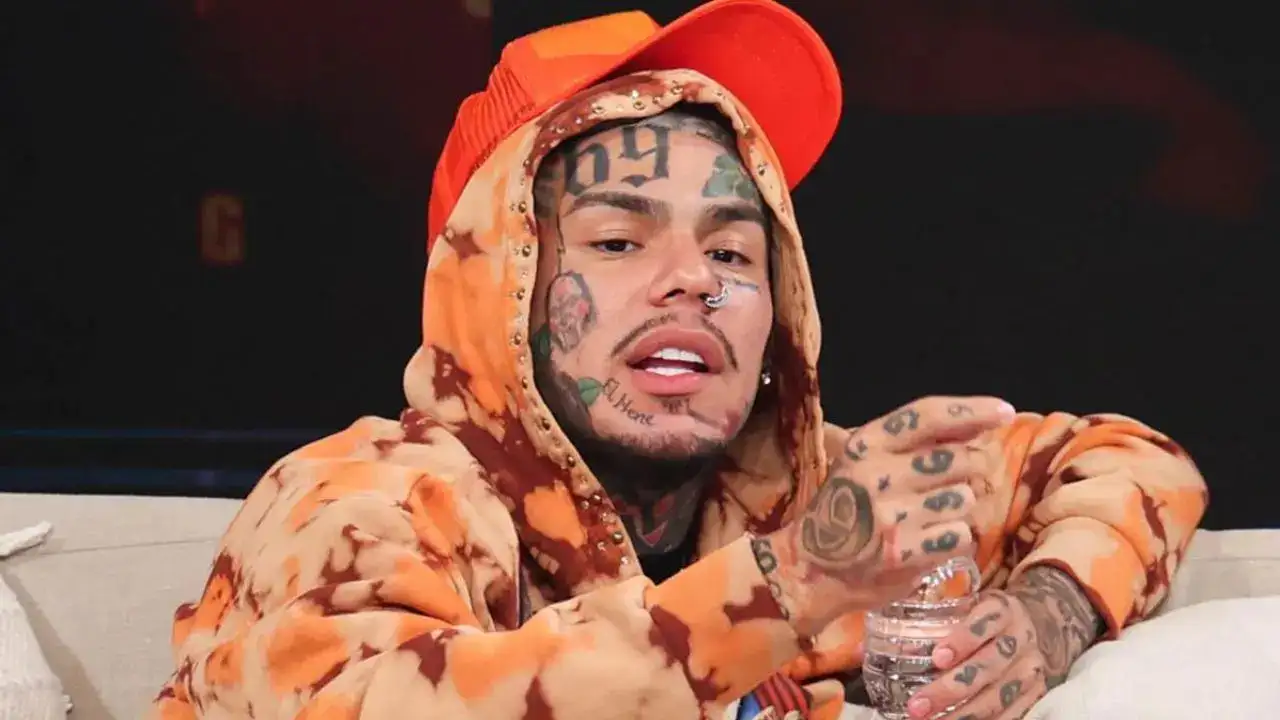
Daniel Hernandez, widely known as Tekashi 6ix9ine, has once again returned to the center of legal turmoil after receiving a three-month federal prison sentence for violating the terms of his supervised release. The ruling, handed down during a hearing in federal court in Manhattan, marks the second time in just over a year that the rapper has been penalized for breaching supervision requirements connected to his 2019 racketeering conviction.
Judge Paul Engelmayer, who oversaw the original sentencing and subsequent violations, expressed growing concern that Hernandez continues to disregard the conditions imposed on him, despite multiple opportunities to comply. The latest sentence adds to the mounting legal challenges the artist has faced in recent years and brings renewed scrutiny to the ongoing consequences of his cooperation in the Nine Trey Gangsta Bloods case, a decision that has shaped much of his public and personal life since 2018.
Daniel Hernandez, now 29, achieved fame in 2017 with his breakout hit “Gummo,” but his career has since been overshadowed by criminal cases, violence, and controversies that have followed him through both his musical ascent and his legal entanglements. During the recent hearing, he acknowledged the violations brought before the court, including allegations of drug possession and assault, which federal prosecutors cited as clear breaches of his supervised release terms.
Despite his admission, he offered extensive testimony about the ongoing threats and intimidation he has faced since cooperating with federal authorities, painting a picture of a life marked by persistent danger that he says has influenced some of his decisions and movements. Nonetheless, the judge ruled that the repeated violations required a custodial sentence to reinforce that supervised release conditions must be taken seriously. Daniel Hernandez is scheduled to report to the Metropolitan Detention Center in Brooklyn on January 6.
Previous Violations and Ongoing Legal Troubles
The new sentence adds to a pattern of violations that began soon after Daniel Hernandez was released from federal custody in 2020. In November 2024, he was sentenced to six weeks in prison after admitting to five separate breaches of his supervised release, including unauthorized travel to Las Vegas and Sarasota, failing to comply with drug testing requirements, and testing positive for methamphetamines. Judge Engelmayer at the time warned him that continued noncompliance would lead to harsher penalties, noting that the purpose of supervised release is to ensure rehabilitation and adherence to lawful behavior.
Less than a year later, the court found that Daniel Hernandez had again disregarded those directives. Friday’s sentence stems from two new incidents. The first involves a police raid at Hernandez’s Miami home in March, during which law enforcement found small amounts of cocaine and ecstasy. Prosecutors argued that possession of these substances constituted a clear violation of the prohibition against illegal drug use or possession that applies to all individuals under supervised release.
The second incident occurred in August at a Florida mall, where Daniel Hernandez punched a man who had allegedly taunted him about cooperating with federal authorities in the Nine Trey case. Video of the confrontation circulated widely on social media, adding public attention to the matter and further complicating his legal standing. These incidents collectively underscored what prosecutors and the court described as a pattern of disregard for legal boundaries, increasing the court’s concern that Hernandez has not internalized the expectations set for him after his 2019 sentencing.
Read : Rapper Travis Scott Arrested in Florida for Disorderly Intoxication and Trespassing
His attorney argued that the rapper should serve six months of home confinement instead of prison time, citing ongoing threats and the public nature of his notoriety as factors that place him at risk in custody. However, Judge Engelmayer determined that another term of imprisonment was necessary to send a clear message and enforce accountability. The judge emphasized during the hearing that supervised release is not optional and that repeated violations cannot be excused by personal circumstances, regardless of their severity.
Impact of Cooperation and the Safety Concerns Raised in Court
During his testimony, Daniel Hernandez delivered a lengthy and emotional account of the threats he and his family have faced since he cooperated with federal authorities against members of the Nine Trey Gangsta Bloods. His cooperation in 2018 was pivotal in the racketeering case that led to multiple convictions within the gang, and in exchange, he received a substantially reduced sentence of two years in prison instead of the much longer term he initially faced. His early release in 2020, granted due to COVID-19 concerns, placed him back into public life while still under significant supervision requirements.
Read : Malaysian Rapper Namewee Arrested Over Alleged Murder of Taiwanese Influencer ‘Nurse Goddess’
In court, Daniel Hernandez described alarming episodes in which he or his loved ones were targeted. He recounted a particularly disturbing incident in which unknown individuals left a coffin outside his home containing an animal, which he interpreted as a direct threat. He also described an incident involving three masked gunmen who allegedly held his mother at gunpoint, adding to the danger he says has become a persistent part of his life since the trial.
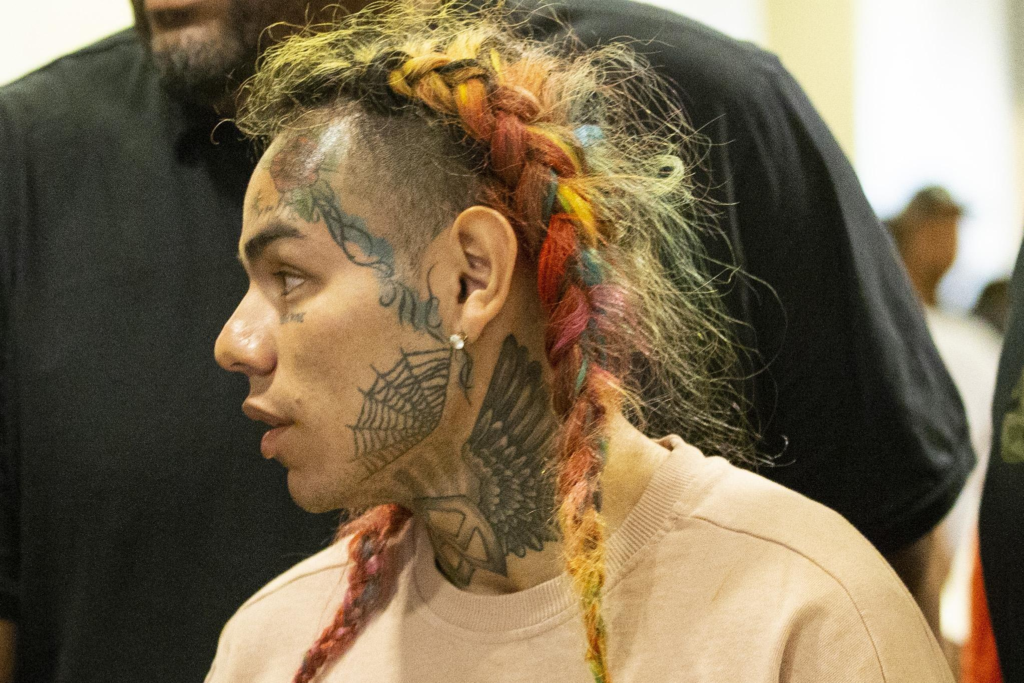
These descriptions were presented to provide context for his actions and decisions, suggesting that his behavior is influenced by ongoing attempts to navigate an environment of intimidation and retaliation. While the court acknowledged the gravity of the threats Daniel Hernandez faces, prosecutors maintained that the dangers he experiences do not exempt him from compliance with the law or the terms of his supervised release.
The court reiterated that supervised release is designed not merely to monitor but to support reintegration, stressing that continued drug use and violent confrontations undermine that purpose. Daniel Hernandez’s attorney argued that home confinement would be a safer and more reasonable alternative given the threats against him, but the court ultimately concluded that a custodial sentence remained appropriate.
The Future of Hernandez’s Supervised Release and Public Standing
Daniel Hernandez’s continued legal troubles have raised broader questions about the direction of his career and the sustainability of his public image. His cooperation with federal prosecutors, while legally advantageous, fractured his relationship with many within the hip-hop community and left him carrying the stigma of a former gang affiliate who provided testimony against his associates. The subsequent threats and harassment he has described underscore the lasting consequences of that decision, creating an atmosphere of fear and instability that appears to follow him into every facet of his life.
At the same time, Daniel Hernandez has struggled to maintain compliance with the structured requirements of supervised release, a challenge that has repeatedly returned him to federal court. After serving the newly imposed three-month sentence, he will continue to be monitored under the remaining terms of the five-year supervised release originally issued in 2019.
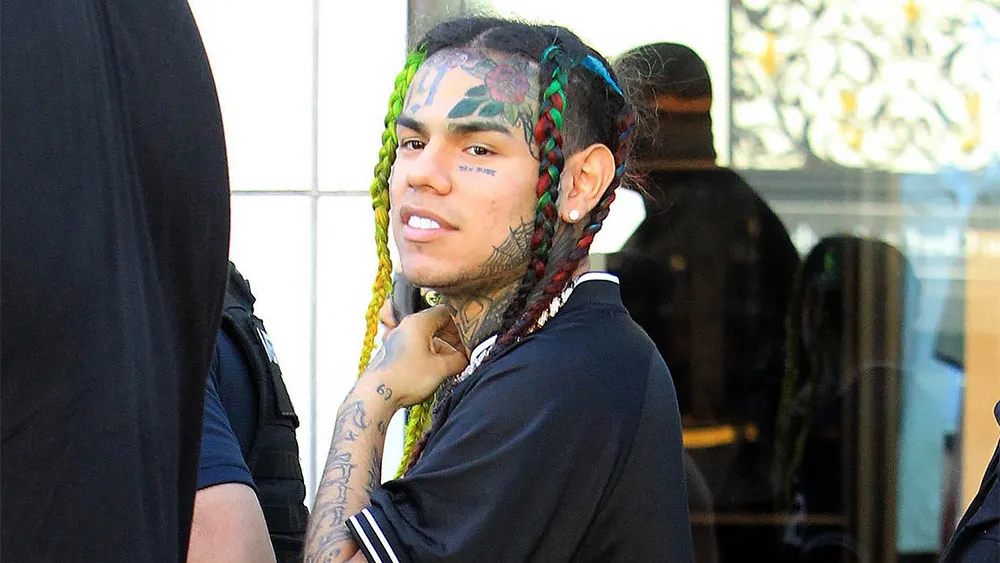
His repeated violations raise questions about how effectively he can adhere to those conditions moving forward and whether additional interventions or adjustments may become necessary. Federal guidelines allow for modifications to supervised release terms if circumstances warrant, but the judge’s comments suggest that the court expects strict adherence in the future and will not tolerate further infractions.
Hernandez’s legal battles also continue to influence his music career, which has become increasingly sporadic and overshadowed by courtroom developments. While he maintains a significant online following, public interest in his music has often been eclipsed by controversies surrounding his conduct and legal status. His ability to tour, collaborate, or travel for music-related purposes has been constrained by the restrictions of supervised release, and his ongoing legal issues create additional obstacles to consistent professional output.
As his January report date approaches, Hernandez’s situation remains emblematic of the challenges facing public figures who attempt to rebuild their lives while navigating both legal constraints and personal threats. His cooperation in the Nine Trey case altered the trajectory of his life, providing leniency in sentencing but placing him under a long period of federal supervision that has proven difficult for him to manage. The latest sentence reinforces that the consequences of violating those terms remain significant and that the court intends to hold him accountable for maintaining the conditions set years earlier.
The months ahead will determine how effectively Hernandez can comply once he completes his new sentence and whether he can transition toward greater stability under the remaining supervised release period. For now, the court’s decision marks another setback in a years-long legal saga that continues to define much of his public presence and personal challenges.
Phfun33? Alright, alright, I see you. Looking for some fun? Let’s check if this is where the party is. Check out Phfun33: phfun33
you’re really a good webmaster. The web site loading speed is amazing. It seems that you’re doing any unique trick. Moreover, The contents are masterwork. you have done a great job on this topic!