
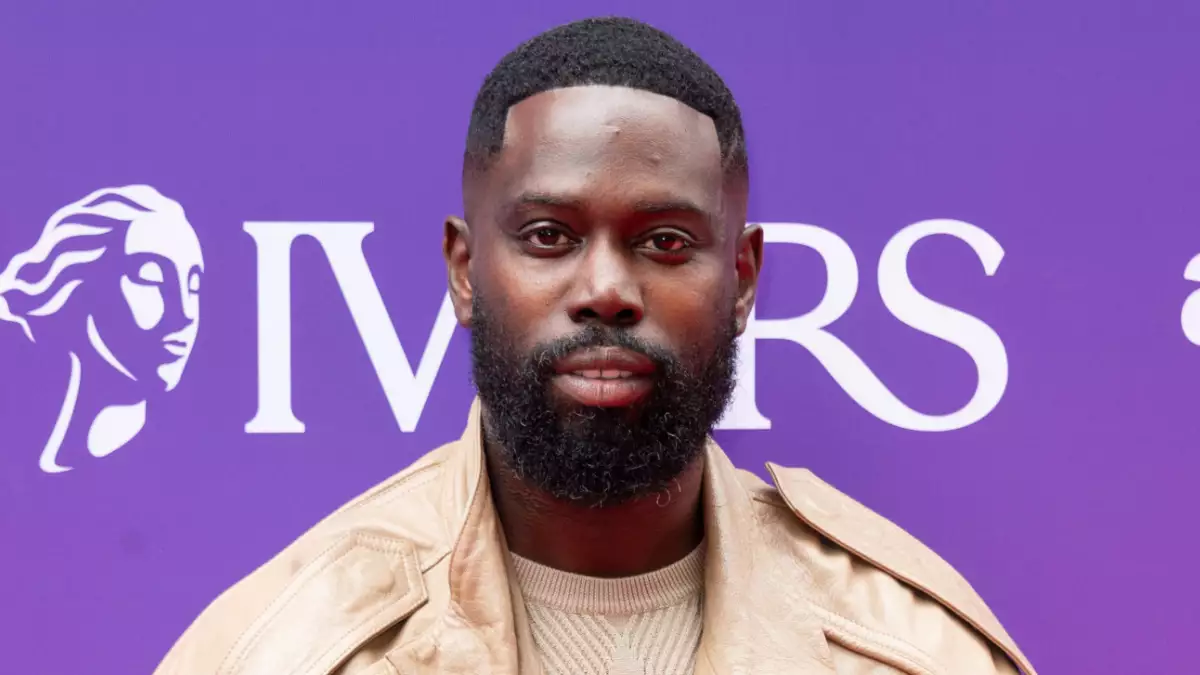
The sentencing of British grime artist Ghetts has brought renewed attention to the devastating consequences of dangerous driving and drink-related offences. The rapper, whose real name is Justin Clarke-Samuel, was jailed for 12 years after admitting to causing the death of a 20-year-old student in a high-speed hit-and-run collision in north-east London.
The case has deeply affected the victim’s family and friends, while also sending shockwaves through the UK music industry, where Ghetts had established himself as a respected and influential figure. The tragedy unfolded in October 2025 and culminated in a televised sentencing at the Old Bailey, where the court detailed a sequence of reckless decisions that ended in irreversible loss.
The Fatal Night in Ilford
The fatal incident occurred late on the evening of Saturday 18 October 2025. Prosecutors told the court that Ghetts had been drinking alcohol at Omi Lounge in Wells Street, central London, before getting behind the wheel of his black BMW. He was said to be approximately one-and-a-half times over the legal drink-drive limit when he began driving through the capital.
CCTV footage later reviewed by investigators revealed what the presiding judge described as a “quite appalling litany of incidents” in the moments leading up to the fatal crash. Clarke-Samuel was recorded driving at speeds exceeding 70 miles per hour, running six red traffic lights, repeatedly veering onto the wrong side of the road, and mounting the kerb. Along the way, he collided with a motorcyclist and struck a Mercedes, causing property damage before continuing without stopping.
At approximately 11.33pm, Clarke-Samuel was travelling at 67mph in a 30mph zone when he struck Yubin Tamang as the young student crossed Redbridge Lane in Ilford. The impact left Tamang critically injured. Rather than stopping to render assistance or call emergency services, Clarke-Samuel drove away from the scene and returned to his home eight miles away.
Yubin Tamang was rushed to hospital but succumbed to his injuries two days later. The court heard that Clarke-Samuel made no attempt to contact authorities or report the collision. Police officers arrived at his home in the early hours of the following day, where they noted the smell of alcohol on his breath and observed significant damage to his vehicle before arresting him.
Read : Mars was Once an Iceball: Study of Rocks and Soils from Gale Crater
During the proceedings, Clarke-Samuel claimed that he had driven dangerously because he believed someone was following him. His legal team argued that this fear stemmed from a previous incident in which he had been robbed at gunpoint, with the perpetrators never identified. However, CCTV footage showed no evidence of a pursuit on the night in question, undermining that explanation.
The Victim and His Family’s Grief
The loss of Yubin Tamang reverberated far beyond the immediate circumstances of the crash. Tamang, a Nepalese national, had moved to the United Kingdom to pursue higher education. According to statements presented in court, he had come to the UK with aspirations of earning what his family believed to be one of the best degrees in the world. He was described as ambitious, hardworking and full of promise.
In a moving courtroom statement, Tamang’s mother, Sharmila Tamang, wept as she spoke of her only child. She told the court that her son had travelled abroad to study and build a better future, only for his life to be cut short by another person’s actions. She emphasised that Yubin had been returning home from work when the fatal collision occurred, highlighting the ordinary and routine nature of his final journey.
A statement from Tamang’s roommate, Sushant Khadka, was also read aloud. He described Yubin as a 20-year-old with dreams, ambition and carefully laid plans for the future. Khadka noted that the incident did not merely claim a single life full of promise but permanently altered the lives of many others connected to him. The emotional testimony underscored the ripple effect of fatal road incidents, in which families, friends and entire communities are left grappling with grief and unanswered questions.
The tragedy highlights the vulnerability of pedestrians and the severe consequences of speeding in residential areas. The court heard that Clarke-Samuel had been driving at more than double the speed limit when he struck Tamang, a factor that significantly reduced any chance the victim might have had to avoid the collision or survive the impact.
Courtroom Sentencing and a Fallen Career
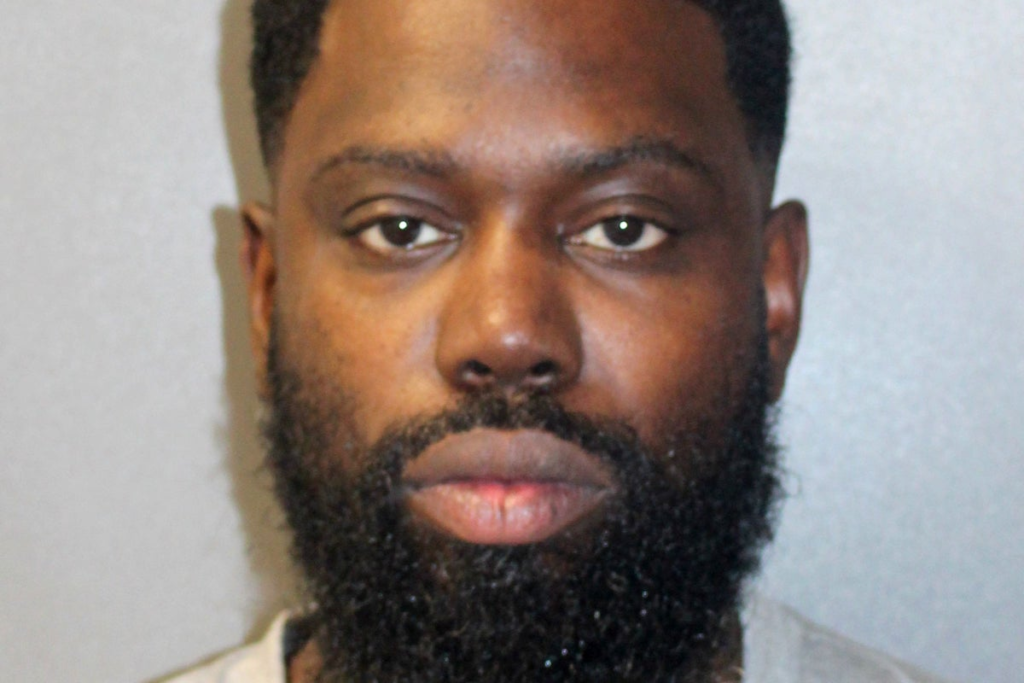
The sentencing took place at the Old Bailey before its most senior judge, Mark Lucraft KC. In a televised hearing, the judge handed Clarke-Samuel a 12-year prison sentence and imposed a 17-year driving disqualification. The judge described the series of driving offences captured on CCTV as “simply shocking,” emphasising the sustained and deliberate recklessness displayed before the fatal impact.
Read : Who Is Rumeysa Ozturk, Tufts University Student Who Earned PhD One Year After ICE Detention?
Clarke-Samuel admitted to dangerous driving and causing death by dangerous driving. The court also heard details of his prior criminal history, which included 12 previous convictions for 27 offences dating back to the age of 16. These included robbery, aggravated vehicle taking and various driving offences. The judge considered these prior convictions as part of the overall assessment of the defendant’s conduct and character.
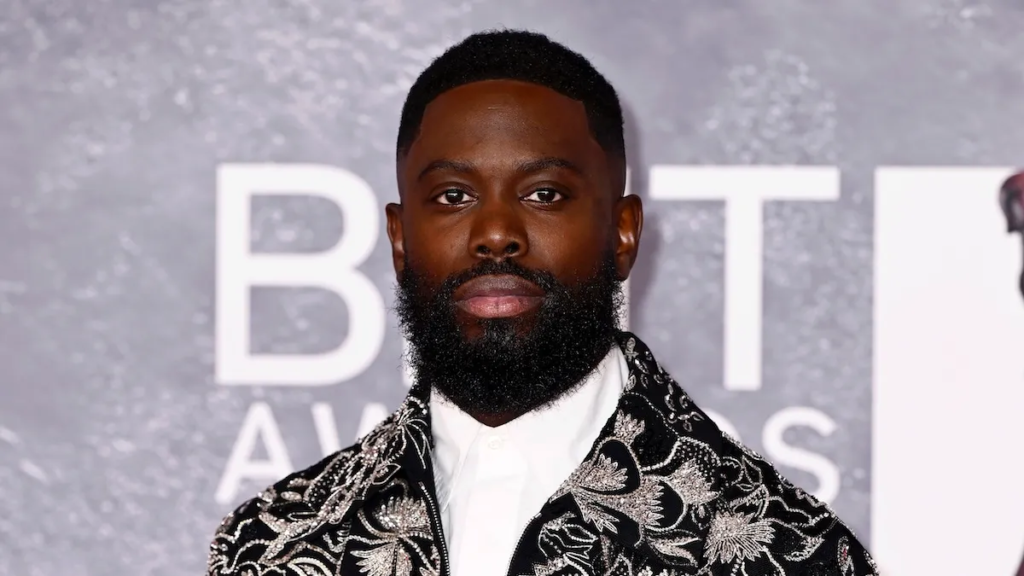
Despite the gravity of the offences, the judge acknowledged Clarke-Samuel’s expressions of remorse. Letters of support were submitted to the court, including one from his partner, outlining how he had sought to use his music career to positively influence his community. Clarke-Samuel, a father of two, reportedly wept during the hearing.
Before his conviction, Ghetts had built a significant reputation within the British grime and rap scene. Over the years, he collaborated with prominent artists including Skepta, Stormzy and Ed Sheeran, and performed multiple times at Glastonbury Festival, most recently in 2024. His work earned him industry recognition, including the best male act award at the 2021 Mobo Awards and the Mobo pioneer award in 2024. These achievements had positioned him as an influential voice in UK music.
The sentence effectively halts a career that had reached considerable heights. While the court recognised his contributions to music and community initiatives, it ultimately concluded that the seriousness of the offence and its fatal consequences demanded a substantial custodial term. The 17-year driving ban further underscores the court’s determination to prevent any immediate return to the road.
The case serves as a stark reminder of the legal and moral responsibilities that accompany driving, particularly when alcohol is involved. Exceeding speed limits, ignoring traffic signals and failing to stop after a collision are not isolated misjudgements but cumulative actions that can lead to catastrophic outcomes. In this instance, the court determined that Clarke-Samuel’s sustained pattern of dangerous behaviour on the night in question directly resulted in the loss of a young life.
For Yubin Tamang’s family, no sentence can restore what was taken. The proceedings, however, have formally acknowledged the gravity of the wrongdoing and provided a measure of accountability under the law. The tragedy remains a profound example of how momentary decisions behind the wheel can carry lifelong consequences for victims, families and even those responsible.