
In a significant development in Brooklyn’s ongoing battle against gang violence, 27-year-old rapper Michael Williams, professionally known as Sheff G, has been sentenced to five years in state prison for his role in directing and participating in multiple gang-related shootings. The sentencing, handed down on October 1, 2025, by Brooklyn Supreme Court Justice Danny Chun, follows Williams’ guilty plea earlier this year to charges including second-degree attempted murder and second-degree conspiracy.
As a prominent figure in the Brooklyn drill rap scene, Williams’ conviction underscores the intersection of rising music stardom and entrenched street crime in New York City’s neighborhoods. Prosecutors highlighted how Williams allegedly leveraged his music earnings to fund violent activities, marking a stark fall from his brief moment in the political spotlight alongside former President Donald Trump.
The Rise of Sheff G and Ties to Gang Violence
Michael Williams, born and raised in the Flatbush section of Brooklyn, emerged as a key player in the drill rap subgenre that has defined much of New York’s hip-hop landscape since the mid-2010s. Signed to Victory Records and later associated with artists like Fetty Wap, Sheff G gained traction with his 2017 breakout single “No Suburban, Pt. 2,” a gritty track that amassed millions of streams on platforms like Spotify and YouTube. His music often reflected the harsh realities of life in Brooklyn’s 67th and 71st Precincts, areas plagued by gun violence and gang rivalries.
Songs like “Weight on Me” and collaborations with peers such as Sleepy Hallow further solidified his status, drawing comparisons to Chicago drill pioneers like Chief Keef for their raw, unfiltered portrayals of street life. However, beneath the beats and bravado lay deeper connections to organized crime. Williams was identified as a leading member of the 8 Trey Crips, a subset of the larger Crips gang, and its affiliate, the 9 Ways crew.
According to court documents, these groups operated in a web of territorial disputes, primarily targeting rivals affiliated with the Folk Nation gang. The Brooklyn District Attorney’s Office described Williams not just as a participant but as a director of violent acts, using his influence to orchestrate attacks that terrorized communities. Surveillance footage, social media posts, and text messages recovered during the investigation painted a picture of a dual life: one of studio sessions and viral hits, the other of stolen vehicles, illegal firearms, and celebratory gatherings following shootings.
NY Rapper Sheff G pled out to attempted murder but the judge went on record saying he wasn't the one who did it. The system failed him.💔🤦🏾♂️ pic.twitter.com/CdcBNfdIYg
— Raphousetv (RHTV) (@raphousetv2) August 5, 2025
The probe into Williams and his associates stemmed from a multi-year effort by the NYPD’s Gun Violence Suppression Division and the District Attorney’s Violent Criminal Enterprises Bureau. By 2023, this collaboration had uncovered a pattern of retaliatory violence that claimed lives and injured dozens. Williams’ music, prosecutors argued, served as both a soundtrack and a recruitment tool, with lyrics and online boasts glorifying the very acts he now stands convicted of. This duality—artistic expression versus criminal enterprise—has long been a flashpoint in discussions about drill rap’s societal impact, with critics arguing it perpetuates cycles of trauma in vulnerable neighborhoods.
Details of the Indictment and Guilty Plea
The case against Sheff G crystallized in September 2023, when a sweeping 140-count indictment charged 32 alleged members of the 8 Trey Crips and 9 Ways with racketeering conspiracy, attempted murder, and weapons offenses. Williams faced the most severe accusations, including his alleged involvement in a deadly mass shooting on October 21, 2020, on Hawthorne Street in East Flatbush. At around 10:15 p.m., gunmen opened fire on a group of rivals, killing 23-year-old Theodore Senior, a purported Folk Nation member, and wounding five others, including innocent bystanders. Williams was charged as a co-conspirator, accused of planning the attack and providing logistical support, such as sourcing vehicles used in the getaway.
Read : Moroccan-American Rapper French Montana Officially Engaged to Dubai Princess Sheikha Mahra
Additional charges tied Williams to a 2021 shooting where he allegedly served as the getaway driver, evading police in a stolen car after his crew fired on enemies. Prosecutors also alleged he hosted a lavish dinner to commemorate the 2020 Hawthorne Street incident, using proceeds from his music career—estimated in the hundreds of thousands—to bankroll weapons and operations. Firearms recovered during raids included ghost guns and modified handguns, underscoring the gangs’ sophistication in evading detection.
Williams was arrested alongside his associates in a coordinated sweep that dismantled much of the 8 Trey network. He posted a $1.5 million bail in April 2024 and was released pending trial, a period during which he continued limited public appearances. In March 2025, facing overwhelming evidence including video confessions and digital trails, Williams accepted a plea deal. He pleaded guilty to two counts of second-degree attempted murder and one count of second-degree conspiracy, avoiding a potential life sentence under the full racketeering charges.
On October 1, 2025, Justice Chun imposed the agreed-upon sentence: five years in prison, followed by five years of post-release supervision. Of the 32 defendants, 23 have now pleaded guilty, with seven cases still pending. Among those already sentenced is Tegan Chambers, aka Sleepy Hallow, Williams’ frequent collaborator, who received one year in jail for fourth-degree conspiracy. Another co-defendant, Kamondre Dekattu, faces murder charges directly tied to the Hawthorne Street killing. The plea and sentencing represent a major win for Brooklyn DA Eric Gonzalez, who has prioritized dismantling violent enterprises amid a broader decline in citywide gun violence.
Public Reaction and Future Implications
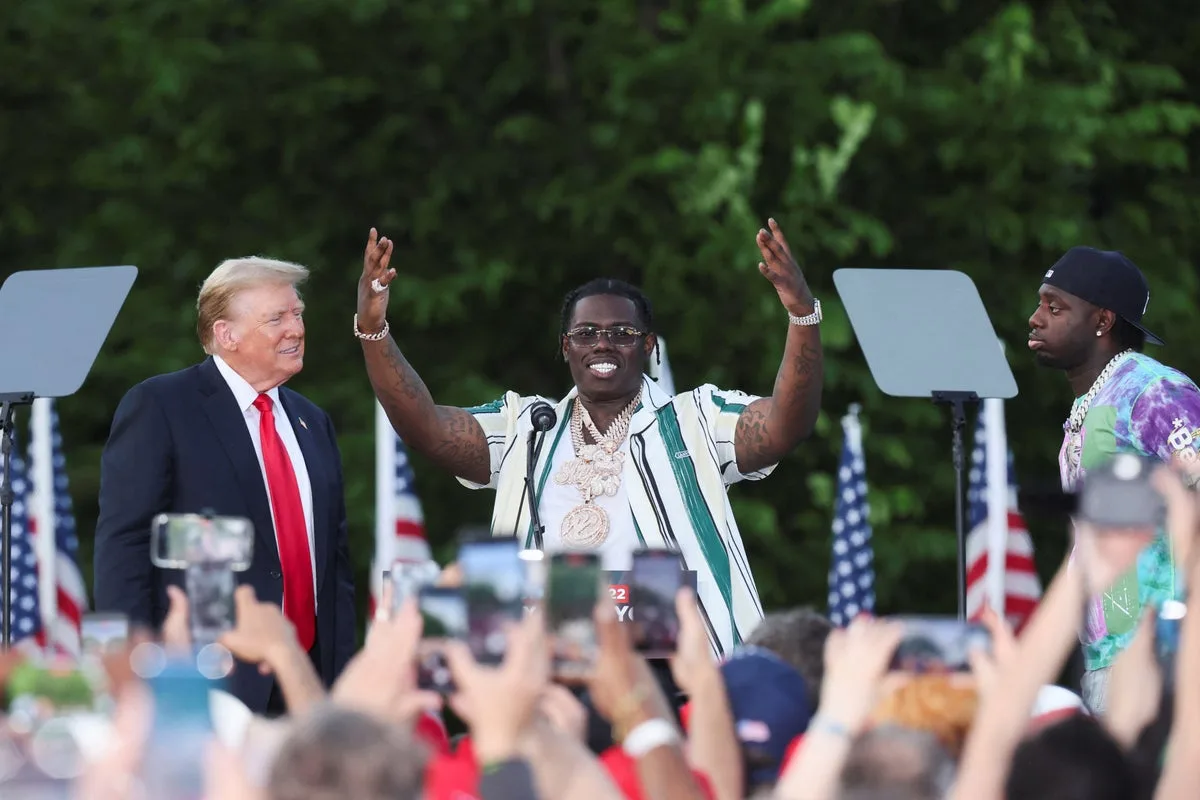
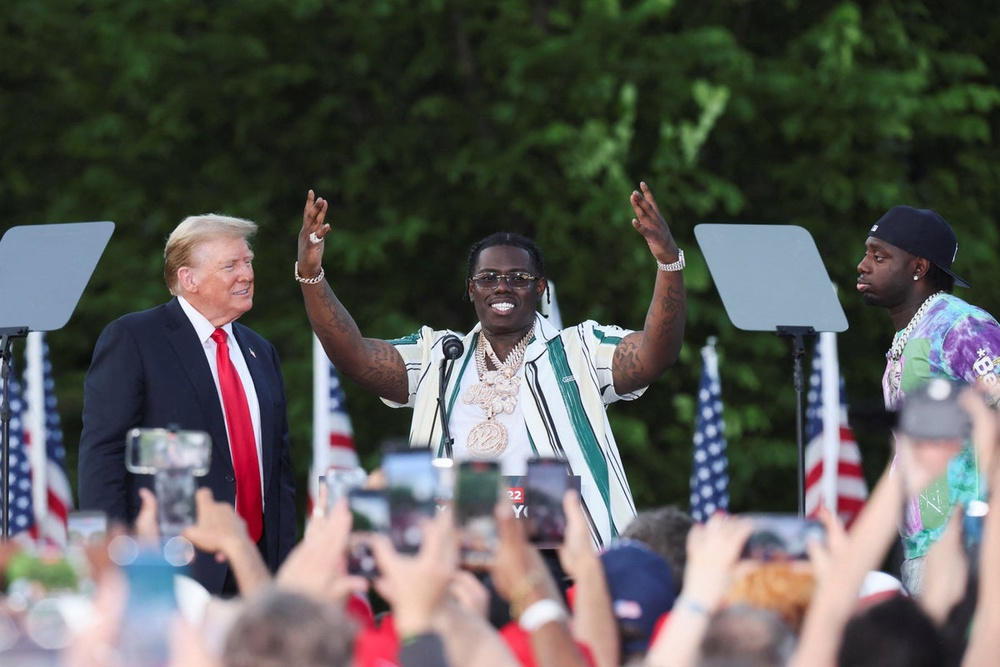
The sentencing elicited swift reactions across legal, political, and entertainment circles, amplified by Williams’ unexpected foray into national politics. In May 2024, Sheff G joined Donald Trump on stage at a Bronx campaign rally, performing alongside Sleepy Hallow in a bid to court young Black and Latino voters. Dressed in a red MAGA hat, Williams praised Trump’s “tough on crime” stance, a moment that drew cheers from the crowd but raised eyebrows given the looming charges.
A Trump campaign spokesperson, responding to queries post-sentencing, quoted Williams from the rally: “We need real change in these streets—stop the violence, build opportunities.” The irony was not lost on observers, as the event occurred months after Williams’ indictment.

Brooklyn DA Eric Gonzalez addressed the contradiction head-on in a statement following the sentencing. “This defendant had talent and opportunity, but chose to use them to fuel violence instead of building a better future,” Gonzalez said. “Together with the NYPD, we have driven gun violence in Brooklyn to record lows by focusing on dangerous individuals like Mr. Williams and his cohorts. I can only hope that this measure of accountability will lead him to taking a different path and using his influence in a positive manner.” Williams’ attorney declined immediate comment, but sources close to the rapper indicated he plans to appeal aspects of the supervision terms upon release.
In the music community, responses were mixed. Fans on social media expressed shock and support, with hashtags like #FreeSheffG trending briefly, while industry insiders viewed the case as a cautionary tale. Drill rap’s defenders argue that artists like Williams merely document their environments, not endorse them, but the convictions of multiple figures— including Sleepy Hallow—have fueled calls for greater scrutiny of gang affiliations in hip-hop. Williams’ discography, including his 2020 project Proud Of The Struggle, may face reevaluation, with streaming numbers potentially dipping amid the fallout.
Looking ahead, the five-year term positions Williams for release around 2030, at age 32, assuming good behavior. Post-supervision, he could resume his career, though rebuilding trust with labels and audiences will be challenging. The case’s ripple effects extend beyond one artist: it bolsters Brooklyn’s aggressive prosecution strategy, contributing to a 30% drop in shootings since 2023. For Sheff G, once a symbol of drill’s defiant energy, the prison bars now frame a sobering chapter—one that may yet inspire redemption, or serve as a final verse in a troubled legacy.