
The killing of 16-year-old Rayan Muhammad Abdul Qader Abu Mualla in the occupied West Bank has intensified scrutiny of Israeli military operations and their consequences for Palestinian civilians, particularly minors. The teenager was shot dead during an Israeli army raid in the northern West Bank town of Qabatiya on Saturday, an incident that has since drawn international attention due to conflicting accounts of what occurred and the emergence of CCTV footage that appears to contradict the Israeli military’s initial statement.
His death comes amid a sustained rise in violence in the West Bank, even as large-scale hostilities in Gaza have eased following a ceasefire. According to Palestinian officials, Abu Mualla was killed at close range by Israeli soldiers during a routine raid. The Israeli military, in a statement issued the same day, said that a “terrorist” had thrown a “block” at soldiers, prompting them to shoot and “eliminate” the individual.
However, video footage obtained by Reuters and testimony from eyewitnesses have raised serious questions about that version of events. The incident has become emblematic of broader concerns raised by human rights organizations and United Nations bodies regarding the use of lethal force, accountability, and the protection of civilians under military occupation.
The killing of a minor under disputed circumstances has also added to mounting tensions across the West Bank, where raids, arrests, and settler-related violence have increased significantly over the past year. As international observers continue to call for independent investigations into such incidents, Abu Mualla’s death underscores the ongoing human cost of a conflict marked by asymmetry, deep mistrust, and competing narratives.
The Incident in Qabatiya and Conflicting Accounts
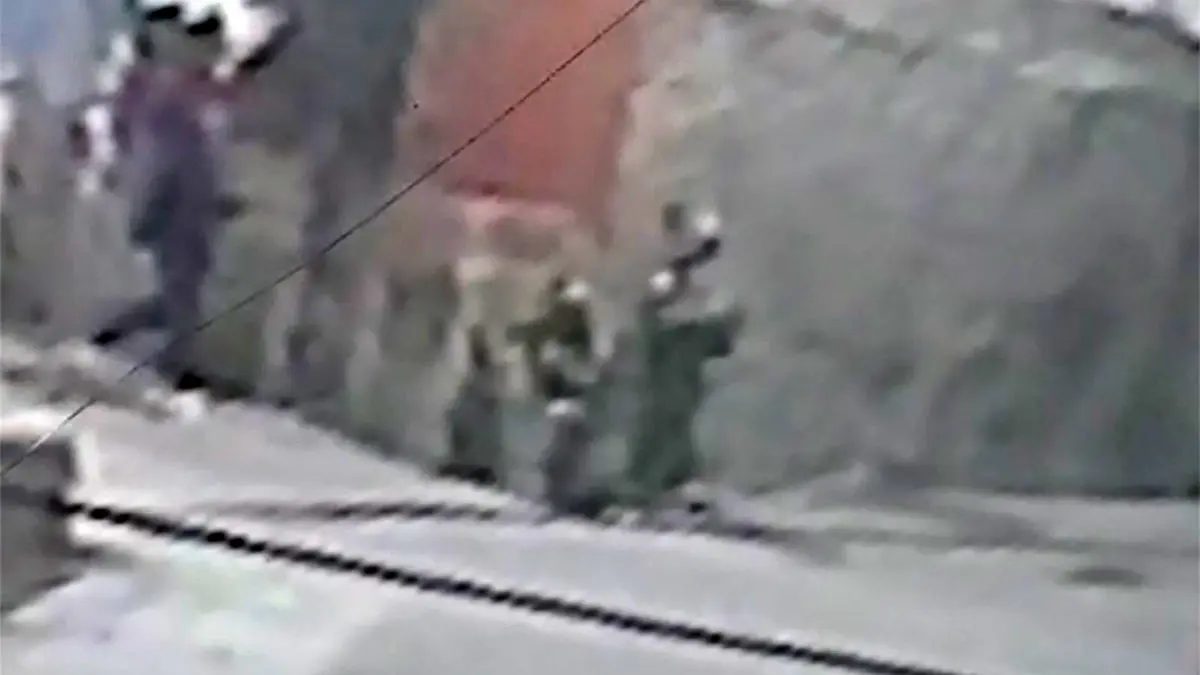
The fatal shooting occurred on a darkened street corner in Qabatiya during an Israeli military raid. CCTV footage, which begins several minutes before the incident, shows largely empty streets and a group of Israeli soldiers positioned at an intersection. Two soldiers are visible at the corner, one crouching and one standing, while a third soldier takes position in an adjoining street. Moments later, a figure walks toward the intersection. As the individual reaches the corner, the crouching soldier opens fire, and the person collapses almost immediately.
The Israeli military said the shooting followed an attack in which a “block” was thrown at soldiers. Such claims are frequently made by the Israel Defense Forces in cases involving the killing of Palestinians during raids or patrols. However, the available CCTV footage does not appear to show Abu Mualla throwing or holding any object at the time he was shot. Due to the camera angle and lighting, the video does not capture every detail, but no clear motion consistent with stone-throwing is visible in the seconds leading up to the gunfire.
Eyewitness testimony further challenges the military’s account. Kamel Zakarneh, who told Reuters that he witnessed the shooting, stated that Abu Mualla was shot immediately upon being seen by the soldiers. He rejected the claim that the teenager posed a threat or threw anything, saying that four bullets were fired as soon as the soldiers encountered him. Palestinian officials have echoed this account, describing the shooting as a point-blank killing of an unarmed minor.
Read : Who Was Haytham Ali Tabatabai, Hezbollah’s Top Military Chief Targeted in Israel’s Beirut Strike?
The Palestinian Red Crescent added another dimension to the incident, stating that Israeli security forces prevented its medical crews from reaching the wounded teenager while he was critically injured. Delays in medical access have been a recurring issue raised by Palestinian emergency services and human rights organizations, which argue that such actions can turn survivable injuries into fatal ones. The Israeli military did not immediately respond to requests for comment regarding the video footage or the Red Crescent’s claims.
Read : Lion City Wonders: Exploring Singapore’s Best Travel Destinations
The lack of an immediate and detailed response has fueled demands for an independent investigation. Human rights groups have long argued that internal military probes often fail to result in accountability, particularly in cases involving Palestinian victims. The contradictory evidence in Abu Mualla’s killing has intensified those concerns, highlighting the gap between official statements and on-the-ground documentation.
A Year of Escalating Violence in the West Bank
Rayan Muhammad Abdul Qader Abu Mualla’s death did not occur in isolation. Since October 7, 2023, the day Hamas launched its attack on Israel from the Gaza Strip, violence across the occupied West Bank has surged. According to the United Nations High Commissioner for Human Rights, Israeli forces and settlers killed 1,030 Palestinians from that date through November, including 223 children. These figures reflect one of the deadliest periods for Palestinians in the territory in recent years.
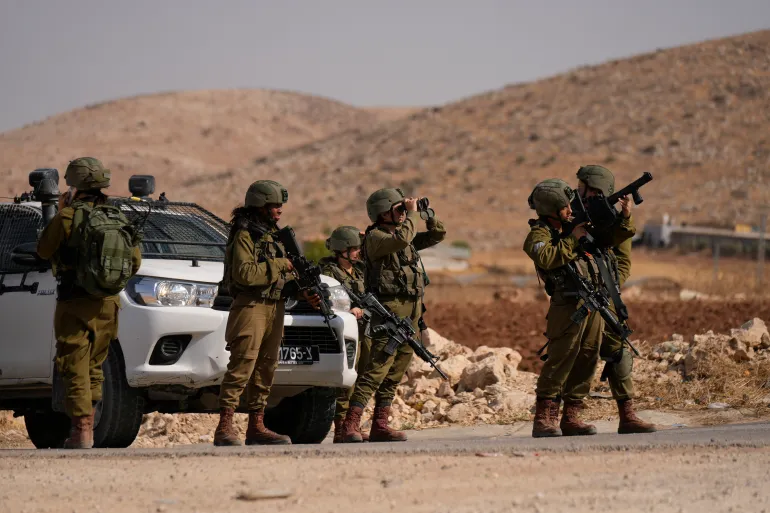
While a ceasefire between Israel and Hamas has significantly reduced fighting in Gaza, the West Bank has experienced a parallel escalation. Israeli military raids, often conducted at night, have increased in frequency and intensity. These operations typically involve arrests of suspected militants but frequently result in clashes, injuries, and deaths. The presence of armed settlers and the expansion of settlements have further exacerbated tensions.
The United Nations Office for the Coordination of Humanitarian Affairs reported that October saw more attacks on Palestinians in the West Bank than any month since it began keeping records. These attacks include shootings, beatings, property destruction, and restrictions on movement. The West Bank is home to approximately 2.7 million Palestinians who live under Israeli military occupation, with limited self-rule administered by the Palestinian Authority in certain areas.
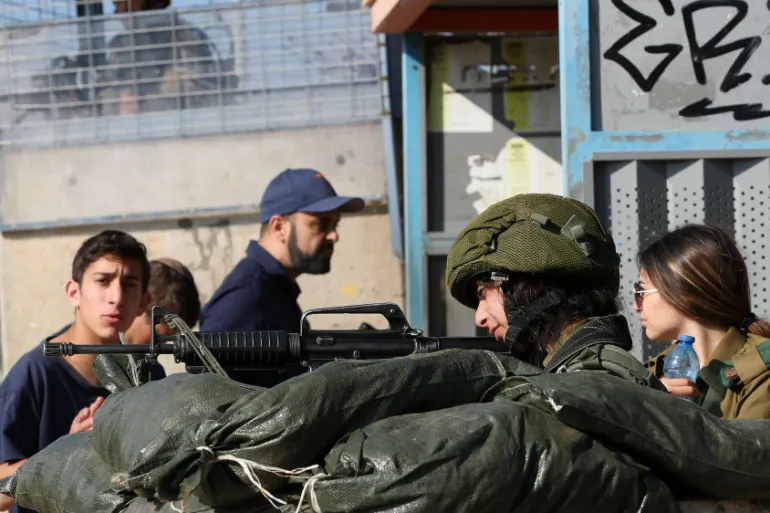
Settlement expansion remains a central factor in the rising violence. On Monday following Abu Mualla’s death, Israel’s Security Cabinet approved 19 additional Jewish settlements in the West Bank. Most of the international community considers these settlements illegal under international law, citing the Fourth Geneva Convention, which prohibits an occupying power from transferring its civilian population into occupied territory. Numerous United Nations Security Council resolutions have called on Israel to halt all settlement activity.
The Israeli government disputes the illegality of the settlements, citing biblical, historical, and security claims to the land. Critics argue that continued expansion entrenches occupation, fragments Palestinian communities, and increases the likelihood of violent confrontations. For many Palestinians, raids like the one in Qabatiya are viewed not as isolated security measures but as part of a broader system of control and dispossession.
Within this context, the killing of minors has become a particularly sensitive and contentious issue. International law provides special protections for children, even in situations of armed conflict and occupation. Each incident involving the death of a Palestinian child intensifies scrutiny of Israel’s rules of engagement and the proportionality of force used by its soldiers.
International Law, Accountability, and the Human Impact
The shooting of Rayan Muhammad Abdul Qader Abu Mualla raises fundamental questions about accountability and compliance with international humanitarian and human rights law. Under these legal frameworks, the use of lethal force by occupying forces is strictly regulated. Force must be necessary, proportionate, and used as a last resort to protect life. Shooting an unarmed minor at close range, if confirmed, would constitute a serious violation of these principles.
Read : Hind Rajab Foundation Files ICC Complaint Against 24 Israeli Soldiers Over Killing of Six-Year-Old
Calls for accountability have come from Palestinian officials, international organizations, and advocacy groups, all of whom argue that existing mechanisms have failed to deter unlawful killings. Investigations conducted by the Israeli military are often criticized for lacking independence, transparency, and meaningful consequences. As a result, many incidents never lead to criminal charges or disciplinary action.
The broader human impact of such killings extends beyond legal considerations. Abu Mualla’s death has had a profound effect on his family and community. Images from Qabatiya show mourners gathering at his home, underscoring the personal toll behind the statistics. For Palestinians living under occupation, each killing reinforces a sense of vulnerability and injustice, particularly when the victim is a child.
The incident has also drawn reactions from militant groups. Following the deaths of Abu Mualla and another 22-year-old man on the same day, Hamas issued a statement calling for an intensification of popular resistance. Such responses highlight how individual killings can feed cycles of retaliation and escalation, further entrenching violence.
Internationally, governments and multilateral bodies continue to express concern about the deteriorating situation in the West Bank. However, concrete action has been limited, and diplomatic pressure has so far failed to halt settlement expansion or significantly reduce civilian casualties. The gap between rhetorical condemnation and effective enforcement of international law remains a central challenge.
As attention turns to the circumstances of Abu Mualla’s death, the case serves as a stark illustration of the broader realities facing Palestinians in the West Bank. Disputed killings, conflicting narratives, and the absence of accountability have become recurring features of the conflict. For many observers, the CCTV footage from Qabatiya is not just evidence in a single case but part of a growing body of documentation that demands closer examination of how force is used and how civilian lives, especially those of children, are protected under occupation.