
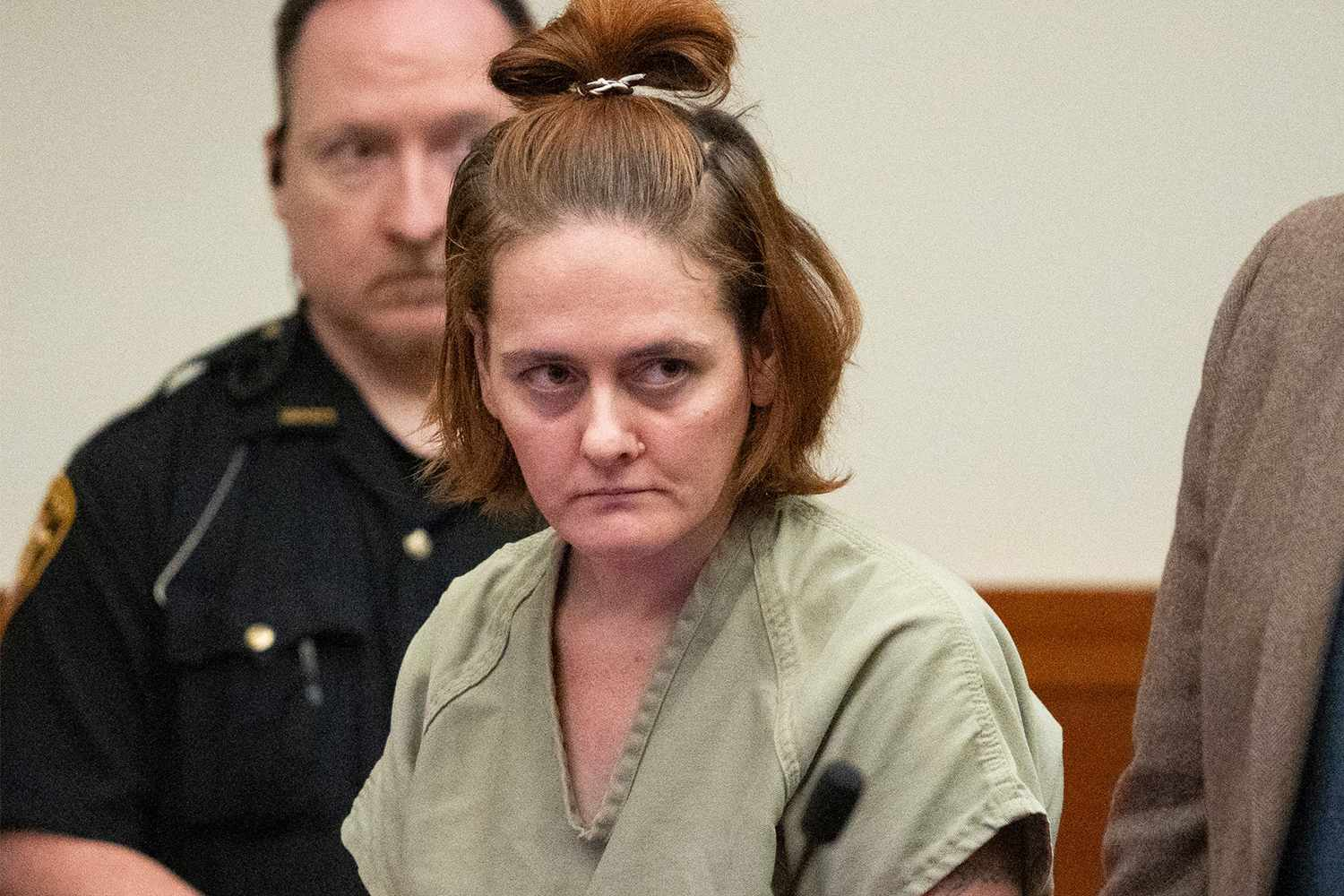
The sentencing of Rebecca Auborn marks the conclusion of a deeply disturbing criminal case that unfolded across several months in Columbus, Ohio. At 35 years old, Rebecca Auborn received four consecutive life sentences after pleading guilty to murdering four men and attempting to kill another through intentional fentanyl overdoses. Prosecutors described the pattern of crimes as serial in nature, citing repeated acts carried out over a defined period and under similar circumstances. The case has drawn attention not only because of the calculated nature of the offenses, but also because of the profound emotional impact expressed by victims’ families during sentencing.
Authorities determined that between December 2022 and June 2023, Rebecca Auborn met men in exchange for money and then administered fentanyl with the deliberate intent to cause overdoses. After incapacitating the victims, she reportedly stole from them. The deaths of four individuals were linked directly to these encounters, while one additional man survived an attempted overdose. The sentencing hearing brought together prosecutors, defense counsel, and grieving family members, each confronting the reality of irreversible loss and the legal consequences imposed on the woman responsible.
The case has raised broader questions about vulnerability, exploitation, addiction, and the intersection of crime and social instability. However, within the courtroom, the focus remained on the victims, the actions of the defendant, and the formal administration of justice. Rebecca Auborn’s conviction followed her guilty plea to multiple counts of murder and one count of felonious assault, closing a chapter in a case that had shaken families and the wider community alike.
The Pattern of Crimes and Investigation
Investigators reconstructed a timeline that revealed a consistent and deliberate pattern of behavior. Prosecutors stated that Rebecca Auborn targeted men she encountered in Columbus, arranging meetings that appeared transactional but ultimately turned deadly. During these encounters, she administered fentanyl in amounts intended to induce fatal overdoses. Authorities believe the substance was used strategically to incapacitate victims quickly, allowing her to take their belongings while avoiding immediate detection.
The deaths attributed to Rebecca Auborn occurred over roughly six months. One victim died in January 2023, two others in April of that year, and a fourth in June. Each case initially appeared to be an overdose death, but investigators later connected the incidents through evidence linking Rebecca Auborn to the victims prior to their deaths. The pattern emerged gradually, prompting law enforcement to pursue a coordinated investigation that ultimately led to her arrest.
A critical turning point came when one man survived an apparent overdose attempt. His survival provided investigators with information that helped establish the method used and the deliberate nature of the acts. This case reinforced suspicions that the deaths were not accidental but instead part of a calculated series of crimes.
By September 2023, Rebecca Auborn had been indicted on multiple charges. The legal proceedings moved forward as prosecutors assembled evidence demonstrating intentional conduct and repeated actions across separate incidents. In December, she entered a guilty plea to four counts of murder and one count of felonious assault. This admission of guilt eliminated the need for a trial, but it did not lessen the emotional weight carried into the sentencing phase.
Read : 21-Year-Old Shane Newman Arrested After Pulling Gun on Ohio Officer During Walmart Shoplifting
The investigation highlighted the complexities of overdose-related deaths, particularly when substances such as fentanyl are involved. In many cases, overdose fatalities can appear accidental or self-inflicted, making it difficult to detect foul play without thorough examination. Investigators emphasized that identifying connections between victims required persistence and careful analysis of circumstances surrounding each death.
Read : Yanjin County: The World’s Narrowest City in China’s Yunnan Province
Law enforcement officials characterized the case as a clear example of intentional and repeated violence. The methodical nature of the crimes, along with the consistency of circumstances across incidents, contributed to the description of the case as serial in nature. This characterization reflected not only the number of victims but also the pattern of conduct repeated over time.
Voices from the Courtroom and the Weight of Loss
The sentencing hearing provided a forum for victims’ families to express the emotional consequences of the crimes. Statements delivered in court reflected grief, anger, and, in some cases, attempts to reconcile loss with the realities of the legal process. For many family members, the hearing represented the first opportunity to address Rebecca Auborn directly.
Relatives described the victims not simply as names in a criminal case, but as individuals whose lives had meaning, relationships, and futures that were abruptly taken away. Their statements conveyed the enduring impact of sudden and violent loss, emphasizing that the consequences extended far beyond the moments of the crimes themselves.
One family member spoke about the impossibility of fully understanding the actions that led to the deaths, while still struggling to process the emotional aftermath. Others expressed anger and condemnation, focusing on the deliberate nature of the conduct and the suffering it caused. The range of responses illustrated how grief manifests differently among individuals, yet remains bound by shared loss.
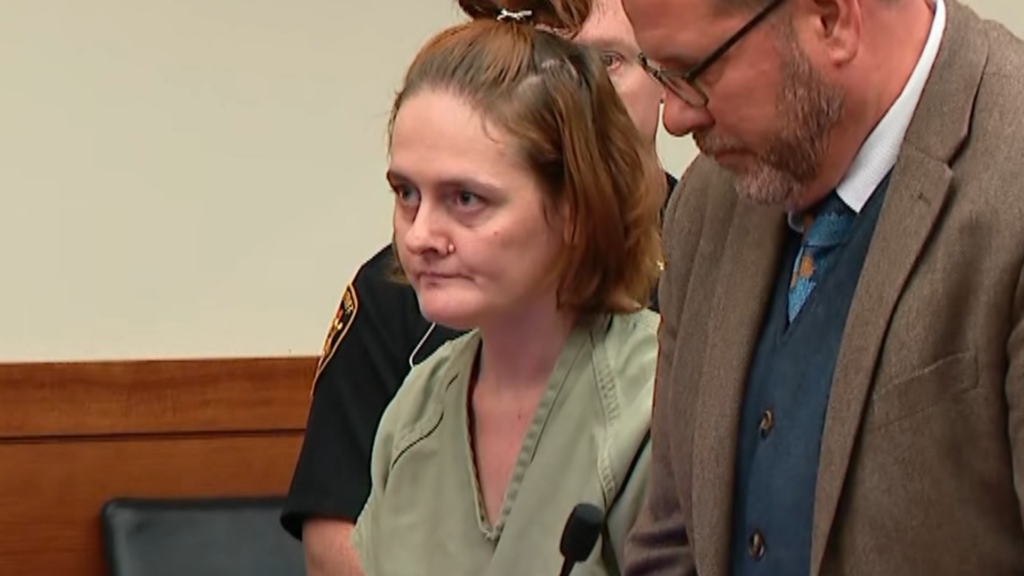
The courtroom atmosphere reflected the tension between legal closure and emotional reality. While the guilty plea established responsibility and the sentencing imposed punishment, families made clear that justice in a legal sense does not erase the absence left behind. Statements emphasized the permanence of loss and the difficulty of moving forward.
Prosecutors underscored the seriousness of the crimes, describing them as repeated acts demonstrating disregard for human life. The consecutive life sentences, they argued, reflected both the scale of harm and the necessity of accountability. The court ultimately imposed four life sentences to be served consecutively, with the possibility of parole after sixty years.
For the families, the sentencing represented a definitive legal outcome but not an end to grief. Many expressed hope that the judgment would prevent further harm and acknowledge the severity of what had occurred. At the same time, their words revealed the emotional burden carried long after legal proceedings conclude.
The courtroom exchanges demonstrated how criminal sentencing serves multiple purposes. It enforces legal consequences, acknowledges victims, and provides a structured setting for expression of grief and condemnation. In this case, each of those functions was visible in the statements delivered and the reactions observed.
Legal Resolution and Broader Context
The legal process culminated in one of the most severe penalties available under state law. Consecutive life sentences ensure that Rebecca Auborn will remain incarcerated for decades, with parole eligibility only after sixty years. Such sentencing reflects both the number of victims and the determination that each life lost warranted individual recognition in the punishment imposed.
Prosecutors described the sentence as proportionate to the repeated nature of the crimes. The structure of consecutive sentences ensures that each conviction carries independent weight, rather than being merged into a single term. This approach is often used in cases involving multiple victims to reflect the cumulative harm caused.
During the proceedings, the defense presented information about Rebecca Auborn’s personal history, including claims that she had experienced abuse from a young age. Her attorney argued that she had changed and that her confession allowed authorities to secure justice that might otherwise have remained incomplete. Such arguments are common in sentencing hearings, where courts may consider both aggravating and mitigating factors.
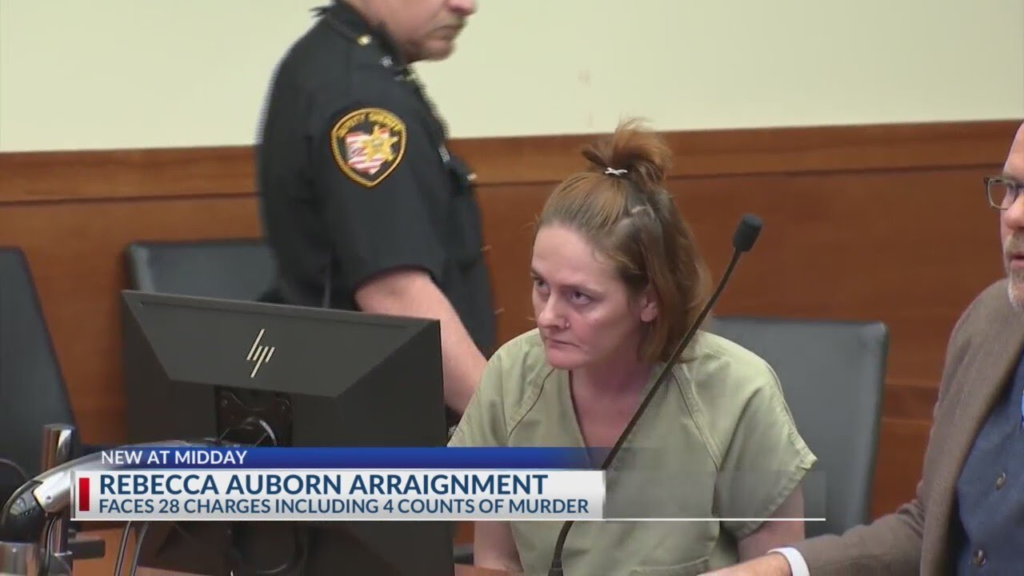
Ultimately, the court determined that the severity and repetition of the crimes outweighed mitigating considerations. The sentence reflected an emphasis on accountability and protection of the public, consistent with legal standards governing serious violent offenses.
Beyond the immediate legal outcome, the case has drawn attention to the intersection of crime, addiction, and vulnerability. The use of fentanyl as a means of causing death highlights the lethal potential of substances that are already a major factor in overdose fatalities nationwide. When used intentionally as a weapon, such substances complicate both detection and investigation.
The case also illustrates how repeated criminal conduct can remain hidden within broader public health crises. Overdose deaths are often investigated individually, and identifying connections between them can require significant investigative effort. This reality underscores the importance of careful forensic analysis and coordination among law enforcement agencies.
For the families of the victims, the legal resolution marks the conclusion of formal proceedings but not the end of personal consequences. The sentencing establishes responsibility and imposes punishment, yet the emotional impact remains ongoing. The case stands as an example of how criminal justice systems address acts of extreme harm while also revealing the limitations of legal remedies in confronting loss.
As the proceedings close, the record reflects a sequence of deliberate acts, the deaths of four individuals, the survival of one attempted victim, and the imposition of multiple life sentences. The courtroom has delivered its judgment, and the case now moves from active litigation into the broader history of criminal justice outcomes shaped by both legal process and human tragedy.