
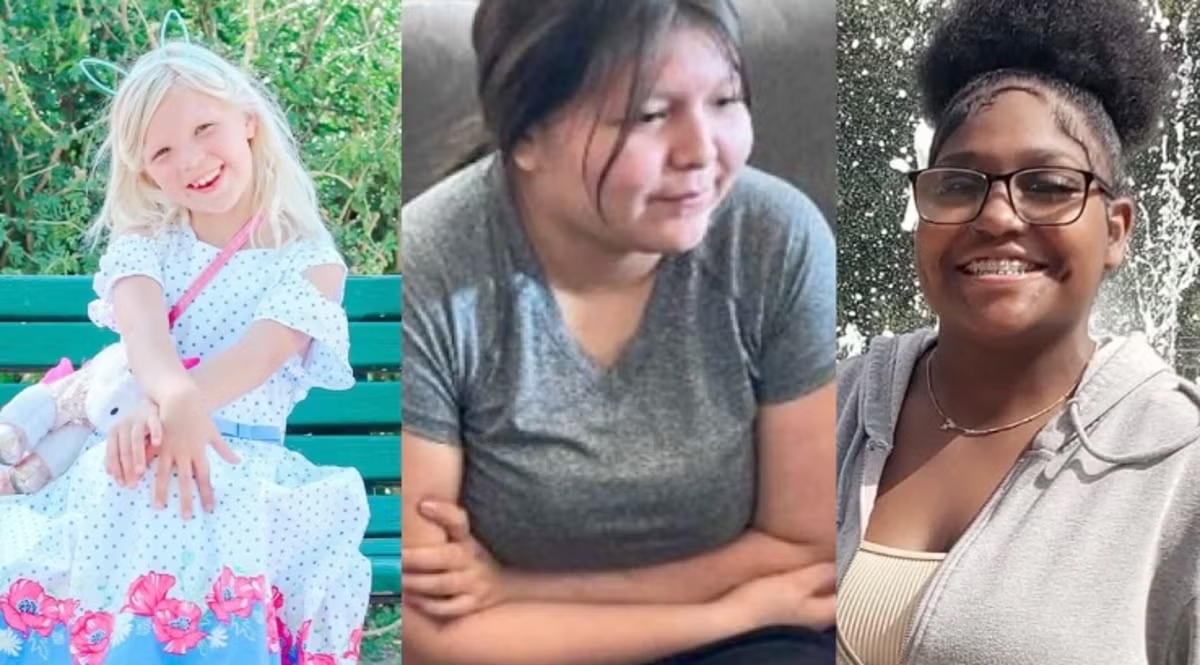
The tragic deaths of three children—Rebekah Baptiste, Emily Pike, and Zariah Dodd—in Arizona during 2025 have sent shockwaves through the state, prompting intense scrutiny of the Arizona Department of Child Safety (DCS). These children, all known to the state’s child welfare system, were killed in separate incidents, raising urgent questions about systemic failures and the effectiveness of protective measures for vulnerable youth. Governor Katie Hobbs has publicly emphasized the need to prioritize the safety of Arizona’s most vulnerable citizens, while legislators, schools, and communities demand accountability and reform.
The Tragic Cases of Rebekah, Emily, and Zariah
The first case involves 10-year-old Rebekah Baptiste, who was found unresponsive on a highway in Holbrook, Arizona, in July 2025. She succumbed to her injuries three days later on July 30, with medical examiners reporting severe bruising, signs of starvation, dehydration, and possible sexual abuse. Rebekah’s father, Richard Baptiste, and his partner, Anicia Woods, were arrested and charged with first-degree murder and child abuse.
Court documents reveal a harrowing history of alleged torture, including Rebekah being forced to run as punishment without access to water or bathroom breaks. Surveillance footage captured Woods admitting that Rebekah had attempted to escape their home multiple times, including jumping from a second-story window in Phoenix.
The family had recently moved from Phoenix to a remote yurt in Apache County, living without reliable electricity or proper sanitation. Rebekah’s school, Empower College Prep, reported making at least 12 complaints to DCS about suspected abuse, with no meaningful response. Rebekah’s uncle, Damon Hawkins, described her as “black and blue from head to toe” with two black eyes at the time of her death, underscoring the severity of her mistreatment.
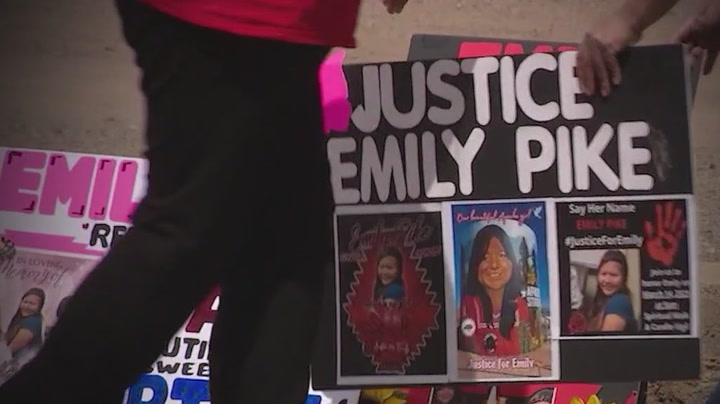
Emily Pike, a 14-year-old, is the second victim whose death has raised alarms. While specific details about Emily’s case are less documented, her death is part of the trio of tragedies linked to DCS oversight. Her case, like the others, highlights concerns about the agency’s ability to monitor and intervene effectively when children are at risk. The lack of detailed public information about Emily’s circumstances underscores a broader issue: the need for transparency in how DCS handles cases of abuse and neglect.
Read : Tom Phillips Who Vanished into New Zealand Wilderness with Three Children in 2021 Remains Missing
The third victim, 16-year-old Zariah Dodd, was fatally shot in July 2025 along with her unborn child. Zariah’s case is particularly disturbing due to prior reports of violence. In April 2025, DCS was informed of an incident where Zariah reported feeling threatened with a handgun by Jurrell Davis, the 36-year-old father of her unborn child.
Read : Fisherman in Greenland Caught a Bizarre Fish with Three Eyes
Despite this report, no forensic interview was scheduled until July 8, just weeks before her death. Davis and 18-year-old Jechri James-Gillett were arrested in connection with the shooting. The delay in addressing the earlier threat has fueled criticism of DCS’s responsiveness and follow-through, with questions about whether timely intervention could have saved Zariah’s life.
Systemic Failures in Arizona’s Child Welfare System
The deaths of Rebekah, Emily, and Zariah have exposed deep-rooted issues within Arizona’s Department of Child Safety. Despite its mission to ensure children thrive in safe family environments, DCS has faced accusations of inadequate follow-up, poor communication, and failure to act on critical reports. In Rebekah’s case, Empower College Prep’s repeated reports of suspected abuse—12 in total—went unheeded, with the school stating that DCS’s lack of action contributed to her preventable death. Similarly, Zariah’s case revealed a lag in response to a reported threat, raising questions about the agency’s ability to prioritize urgent cases.
Arizona’s child welfare system has been under scrutiny for years. In 2014, the state replaced the Department of Child Protective Services with DCS, promising reforms to address systemic failures. However, the recent deaths suggest that significant gaps remain. For instance, Rebekah’s family had been investigated by DCS since 2015, with the children temporarily removed from their father’s custody at one point.
Despite this history, DCS was unable to locate the family after they moved to Apache County in July 2025, a critical failure that left Rebekah vulnerable. The notice of claim filed in the case of Chaskah Davis, an 11-year-old killed in 2022, further illustrates this pattern. The claim alleges that DCS ignored multiple reports of abuse, including from a hotel employee who noted suspicious behavior, such as the children wearing dark sunglasses to conceal injuries.
Communication breakdowns also extend to coordination with other entities, such as tribal communities and law enforcement. Senator Werner, speaking after a meeting with state officials, highlighted improved collaboration with tribes as a positive step, but the agreement to share information about tribal children within DCS came too late for these victims.
Additionally, state law requires DCS to release preliminary information about child fatalities or near fatalities caused by abuse or neglect, yet the agency’s transparency has been criticized. In Rebekah’s case, DCS acknowledged her death but cited ongoing criminal investigations as a reason for limited disclosure, frustrating advocates who seek clearer answers.
The decline in the number of children in DCS custody—from around 14,000 in 2017 to 8,719 by the end of 2024—has been touted as progress, but critics argue it may reflect a reduction in oversight rather than improved safety. Attorney Robert Pastor, in an interview with ABC15, stated, “This is the Department of Child Safety, and they’ve lost sight of the children and the concept of safety.” The cases of Jakob Blodgett and Christian William, two children with Type 1 diabetes who died in DCS custody due to inadequate medical care, further underscore the agency’s challenges in managing complex cases.
Calls for Reform and Accountability
In response to these tragedies, Governor Katie Hobbs has vowed to strengthen protections for Arizona’s children. She emphasized the need to focus on “protecting the most vulnerable Arizonans” and has called for changes within DCS. The agency itself issued a statement acknowledging its partnership with state officials, including Senator Werner and the Governor’s Office, to identify and implement reforms. DCS claims it has already taken steps to address identified issues, though specifics remain vague.
The agency expressed a commitment to working with the legislature, community organizations, and stakeholders to bolster the child welfare system. Public outcry has been significant, with schools, families, and advocacy groups demanding accountability. Empower College Prep’s statement on Rebekah’s death was unequivocal: “The lack of timely and effective response from the Department of Child Safety demands accountability. We owe it to this child, and to every child in our community, to ask difficult questions and expect better.”

Similarly, a $60 million notice of claim filed in the Chaskah Davis case alleges that DCS’s failure to act on reports of torture and abuse directly contributed to his death, signaling a broader push for legal accountability. Legislative efforts are underway to address these failures. Arizona GOP lawmakers have indicated that DCS is taking immediate steps toward reform following meetings with legislators. Proposed changes include improving communication between DCS, law enforcement, and tribal communities, as well as enhancing the agency’s ability to track families who relocate.
The Arizona Child Abuse Hotline (1-888-SOS-CHILD) and the Guardian Portal for mandated reporters aim to streamline reporting, but advocates argue that these tools are only effective if followed by swift action. Community responses have also highlighted the human toll of these failures. A memorial for Rebekah at her former school brought together community members to honor her life, while Zariah’s and Emily’s deaths have fueled calls for systemic change. The Arizona Department of Child Safety’s own website emphasizes its vision of children thriving in environments free from abuse and neglect, yet the reality exposed by these cases suggests a significant gap between aspiration and execution.
The murders of Rebekah Baptiste, Emily Pike, and Zariah Dodd are a grim reminder of the challenges facing Arizona’s child welfare system. These children, known to DCS, fell through the cracks of a system meant to protect them, prompting a reckoning for the agency and the state. While Governor Hobbs and DCS pledge reforms, the path forward requires addressing longstanding issues of communication, responsiveness, and accountability.
The stories of these children underscore the urgent need for a child welfare system that not only reacts to reports of abuse but proactively ensures the safety of Arizona’s most vulnerable. As the state grapples with these tragedies, the call for justice and systemic change grows louder, with the hope that no more children will suffer such preventable fates.