
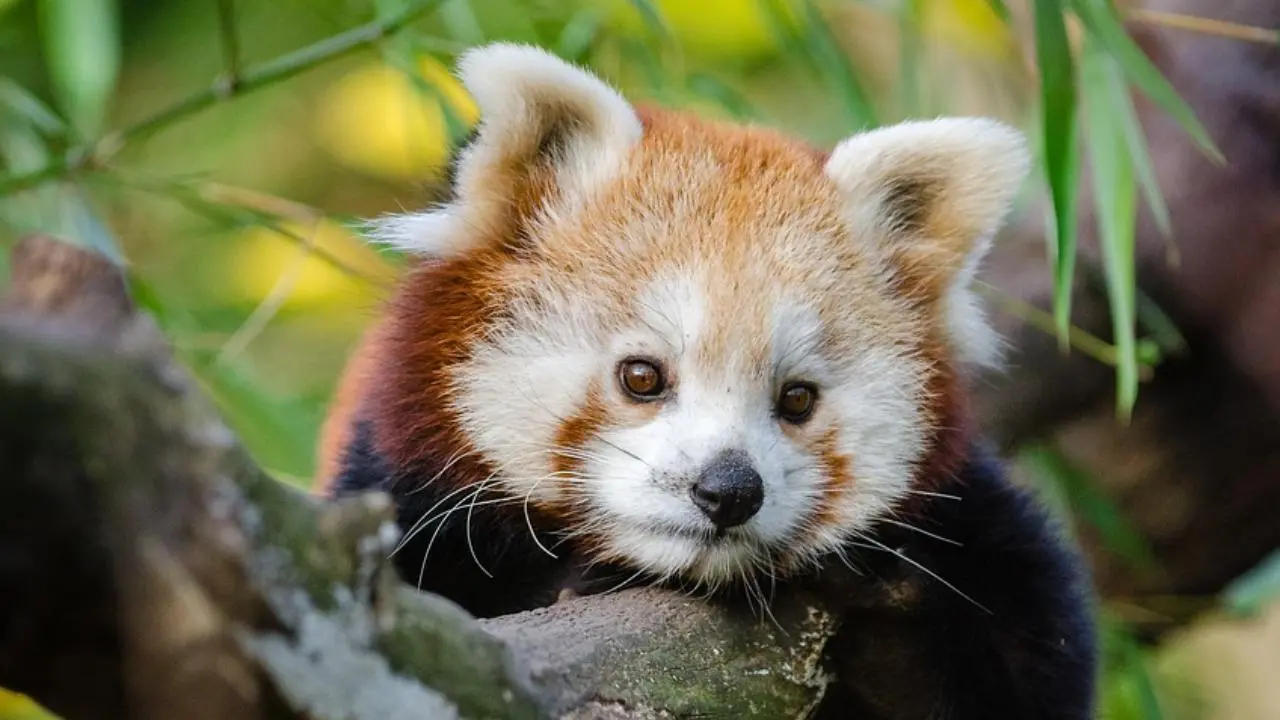
Two red pandas arrive in West Bengal’s Darjeeling Zoo on Christmas Day, bringing an atmosphere of joy and excitement to the zoo and the forest fraternity.
These adorable mammals, Vishal and Koshi, were brought from the Rotterdam Zoo in the Netherlands to Padmaja Naidu Himalayan Zoological Park (PMZP), also known as the Darjeeling Zoo.
Their arrival marks the first import of red pandas from a foreign country in a decade and is part of an ambitious conservation and breeding program aimed at bolstering the genetic diversity of the zoo’s existing red panda population.
A Christmas Gift for Conservation Efforts
The two red pandas, each two-and-a-half years old, symbolize a significant step forward in the zoo’s conservation initiatives. The West Bengal Zoo Authority’s member secretary, Saurabh Chaudhury, expressed pride and happiness over their arrival, describing it as a “happy and proud moment.”
These pandas were transported via a carefully planned 27-hour journey, including a stopover in Doha. After arriving at Kolkata airport in the early hours of Wednesday, they embarked on a road trip to Darjeeling in a customized air-conditioned vehicle. Their journey ended at the Topkeydara Breeding Centre of Darjeeling Zoo amid cheers and celebrations from zoo staff and officials.
Read : Cuddly Giant Pandas Population in China Rises
Chaudhury highlighted that these new members will significantly contribute to the genetic diversity of the zoo’s red panda population, which currently includes 19 individuals—seven males, 12 females, and two cubs. The zoo’s climate, which mirrors their natural habitat, makes it an ideal setting for breeding and conservation efforts for this endangered species.
Darjeeling Zoo: A Hub for Red Panda Conservation
The Darjeeling Zoo has long been recognized for its exceptional breeding program for red pandas. With a habitat similar to the snowy regions of the eastern Himalayas and southwestern China where these mammals originate, the zoo offers a conducive environment for their survival and reproduction.
Since the early 1990s, when the zoo housed one male and three female red pandas of wild origin, it has been at the forefront of red panda conservation in India. The addition of Vishal and Koshi from Rotterdam further cements the zoo’s reputation as a leader in this area.
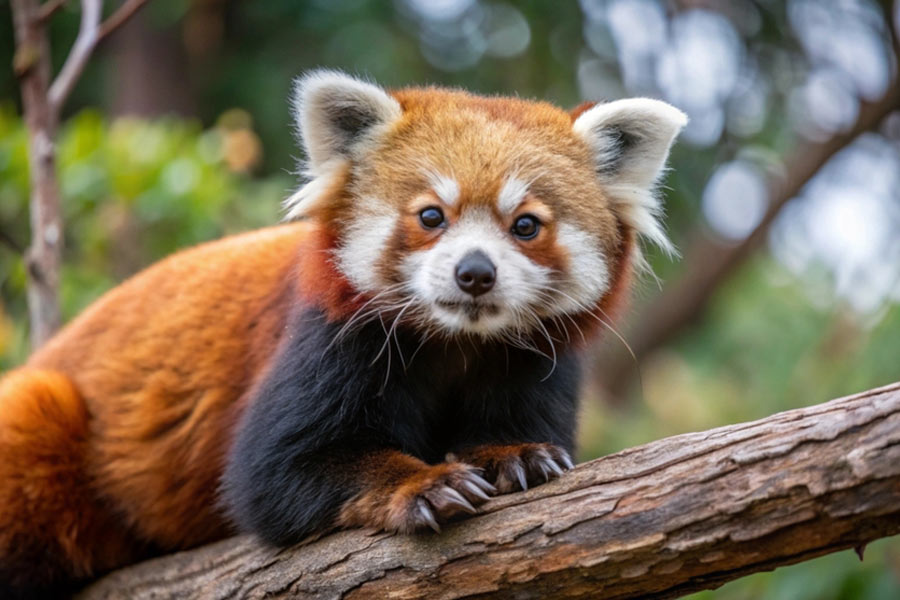
Zoo officials emphasized the long-term vision centering on the PMZP, which aims to not only expand the red panda population within the zoo but also explore opportunities for potential rewilding programs in the future. Such programs could play a pivotal role in bolstering the species’ numbers in the wild, where they face threats from habitat loss and poaching.
Settling In and Future Plans
The two new red pandas are currently under quarantine, a necessary step to ensure their health and adaptability before integrating them into the zoo’s existing population. During this period, they will be closely monitored by veterinarians and caretakers.
Once the quarantine period concludes, Vishal and Koshi will be paired with pandas of the opposite gender as part of the zoo’s breeding program. Eventually, they will be put on public display, allowing visitors to marvel at these unique creatures and learn about their ecological significance.

The arrival of Vishal and Koshi is being celebrated not just as an addition to the zoo’s animal roster but also as a vital contribution to global efforts to protect and conserve red pandas. The zoo’s long-term strategy focuses on enhancing its facilities and creating an environment where species from snowy regions, like red pandas, can thrive.
The red panda (Ailurus fulgens), native to the eastern Himalayas and parts of southwestern China, is a small mammal known for its striking appearance and arboreal lifestyle.
Classified as endangered, these animals play a critical role in their ecosystems, primarily through seed dispersal. Efforts like those undertaken by the Darjeeling Zoo are crucial to their survival and the broader preservation of biodiversity in the region.