

The story of four-year-old Reggie Davison from Morley, West Yorkshire, is a powerful reminder of the critical importance of listening to parental instincts in pediatric healthcare. Last spring, Reggie suddenly began to exhibit alarming symptoms, including repeated vomiting and extreme fatigue. Initially, these signs were dismissed by medical professionals as simple acid reflux, a common condition in young children.
However, the severity and persistence of his symptoms prompted his mother, Kirsty Benson, to advocate for further investigation. Her persistence ultimately led to a life-saving diagnosis, uncovering a medulloblastoma—a rare and aggressive brain tumor. Reggie’s journey from initial misdiagnosis to successful treatment highlights both the challenges and the breakthroughs in pediatric oncology today.
Early Symptoms and Misdiagnosis
Reggie Davison’s troubles began subtly but quickly escalated. Like many young children, he was unable to articulate exactly what he was feeling, but his symptoms were unmistakable to his mother. He started vomiting frequently and appeared unusually exhausted, a combination that prompted Kirsty to take him to their local GP. Unfortunately, these initial visits resulted in a diagnosis of acid reflux, a condition that is relatively common and generally treatable in children.
Reggie Davison was prescribed medication to manage indigestion, yet his condition continued to deteriorate. As Reggie’s symptoms worsened, the family faced repeated rounds of medical consultations that failed to provide answers. Kirsty described the experience as being sent back and forth between the GP and the hospital, leaving her growing increasingly anxious and frustrated.
She noticed additional warning signs: her son began vomiting at school and walking unsteadily, signs that suggested neurological involvement rather than gastrointestinal issues. Drawing on her prior experience with another family whose child had displayed similar symptoms, Kirsty insisted that Reggie be evaluated for a brain tumor.
Read : 4,000-Year-Old Skull Reveals Ancient Egyptians Were Trying to Cure Cancer
Her intuition proved correct. When Reggie was finally examined at Leeds General Infirmary, a CT scan confirmed the presence of a medulloblastoma, a type of malignant brain tumor that originates in the cerebellum. Doctors emphasized the urgency of the situation, warning that if Reggie had been admitted just a week later, he might not have survived. This moment was both devastating and pivotal, marking the beginning of a grueling treatment journey for the young boy and his family.
Treatment and Recovery
Reggie’s treatment was intensive and complex, reflecting the seriousness of medulloblastoma in young children. He underwent a 12-hour surgical procedure to remove the tumor, a process that Kirsty described as the “worst day of my life.” Following surgery, Reggie developed Posterior Fossa Syndrome (PFS), a condition that can occur after surgery in the cerebellar region of the brain. PFS left Reggie temporarily unable to speak, walk, or swallow, and he could not even open his eyes for a week.
Read : Bizarre! Doctors Deliver Baby From Suze Lopez While Removing 22-Pound Ovarian Tumor
Despite these severe post-surgical challenges, Kirsty and her husband took an active role in Reggie’s recovery. They provided hands-on physiotherapy and rehabilitation at home, supporting his gradual regain of basic functions. The family’s dedication underscored the often-overlooked role of parental involvement in pediatric cancer recovery, as the home environment became an extension of the hospital’s care.
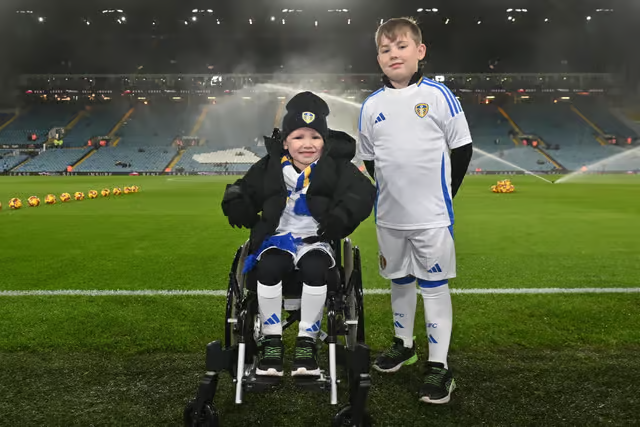
Reggie’s subsequent treatment involved enrollment in an international clinical trial, SIOP-HRMB, funded by Cancer Research UK in partnership with The Brain Tumor Charity. This trial provided access to cutting-edge therapies and included two rounds of chemotherapy followed by five weeks of intensive proton beam therapy at The Christie Hospital in Manchester. The treatment regimen was extremely demanding, requiring two general anesthetics per day, and over the course of his care, Reggie endured a staggering total of 61 general anesthetics.
During this period, the family relocated to Manchester city center to stay close to the hospital. His older brother, Rio, aged ten, attended the hospital school, adjusting to a routine that involved supporting his younger sibling while continuing his own education. Reggie’s recovery journey also included six months of oral maintenance chemotherapy administered at home, which he tolerated well. Over time, his condition improved significantly, culminating in a clear scan and a return to school in Morley. While Reggie still requires regular medical check-ups, his prognosis is now markedly positive.
Recognition and Support
Reggie Davison’s remarkable resilience and courage have not gone unnoticed. Kirsty nominated him for Cancer Research UK’s Children and Young People Star Award, which recognizes the bravery and determination of young patients facing serious illness. The award is supported by several notable public figures, including children’s author Joseph Coelho, singer JoJo Siwa, pop star Pixie Lott, TV personality Dr. Ranj, and children’s TV favorite Mister Maker.
In addition to a star-shaped trophy, Reggie received a $50 TJ Maxx gift card, a t-shirt, and a certificate signed by the celebrities. His brother Rio also received recognition for his support and courage throughout the ordeal. Reggie’s story serves as an example of the impact of clinical trials in advancing pediatric cancer treatment. St James’ University Hospital in Leeds is one of several centers in the UK participating in innovative trials coordinated by dedicated units for children’s cancers.
These trials provide access to novel treatments that may not be widely available, offering hope to families facing challenging diagnoses. Cancer Research UK remains the largest charitable funder of research into cancers affecting children and young people in the country, ensuring that advancements in care continue to improve survival rates and quality of life.
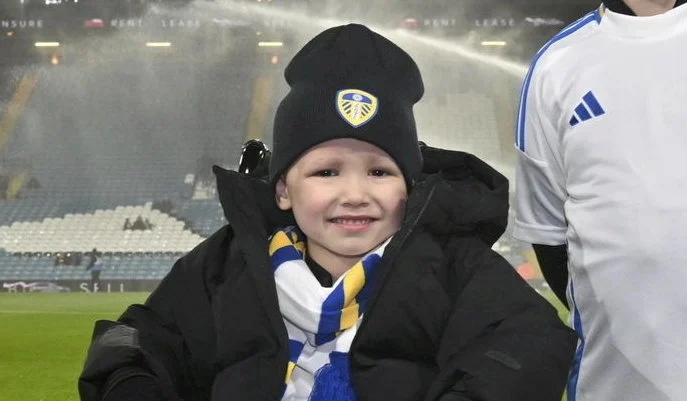
The story of Reggie Davison highlights several critical aspects of pediatric healthcare. It underscores the importance of parental advocacy, particularly when initial medical evaluations fail to address a child’s worsening condition. It demonstrates the life-saving potential of timely, specialized treatment and the value of participating in clinical trials. Furthermore, it illustrates the resilience of young patients and their families, who navigate the physical, emotional, and logistical challenges of intensive cancer care with extraordinary courage.
Through his recovery, Reggie has not only survived a life-threatening illness but has also inspired those around him with his perseverance and optimism. His journey reflects both the challenges faced by families of children with cancer and the advances in medical science that make recovery possible. As Reggie continues to thrive back at school, his story stands as a testament to the importance of vigilance, advocacy, and the tireless work of medical professionals and researchers dedicated to saving young lives.
Reggie’s experience also highlights the crucial role of awareness in early diagnosis. While acid reflux is common in children, persistent vomiting accompanied by neurological symptoms should prompt further investigation. Parents and caregivers are often the first to notice subtle changes in a child’s health, and their insights can be vital in identifying serious conditions early. Kirsty Benson’s intuition and persistence ultimately made the difference in Reggie’s survival, emphasizing that listening to parental concerns can be as important as clinical evaluations in pediatric medicine.
Beyond the immediate family, Reggie’s story resonates with the broader community of children’s cancer patients and their families. It offers hope that even severe diagnoses, when addressed promptly with appropriate treatment, can lead to positive outcomes. It also underscores the importance of comprehensive support systems, including relocation assistance, hospital schooling, and family-centered care, all of which contribute to the overall well-being and recovery of young patients.
As Reggie continues to attend school and enjoy life with his friends, his journey serves as both an inspiration and a call to action for healthcare providers and policymakers. Ensuring that children with potentially serious conditions receive timely, accurate diagnoses and access to cutting-edge treatments remains a priority. The collaborative efforts of families, clinicians, and researchers continue to pave the way for better outcomes and brighter futures for children facing life-threatening illnesses.
Through courage, determination, and medical innovation, Reggie Davison has turned a terrifying diagnosis into a story of hope and resilience. His journey is a testament to the importance of early detection, parental advocacy, and the life-saving potential of advanced pediatric cancer care. While challenges remain in his ongoing follow-ups, Reggie’s story is a powerful example of how perseverance and expert medical care can combine to give children the chance to live full, healthy lives despite the odds.