
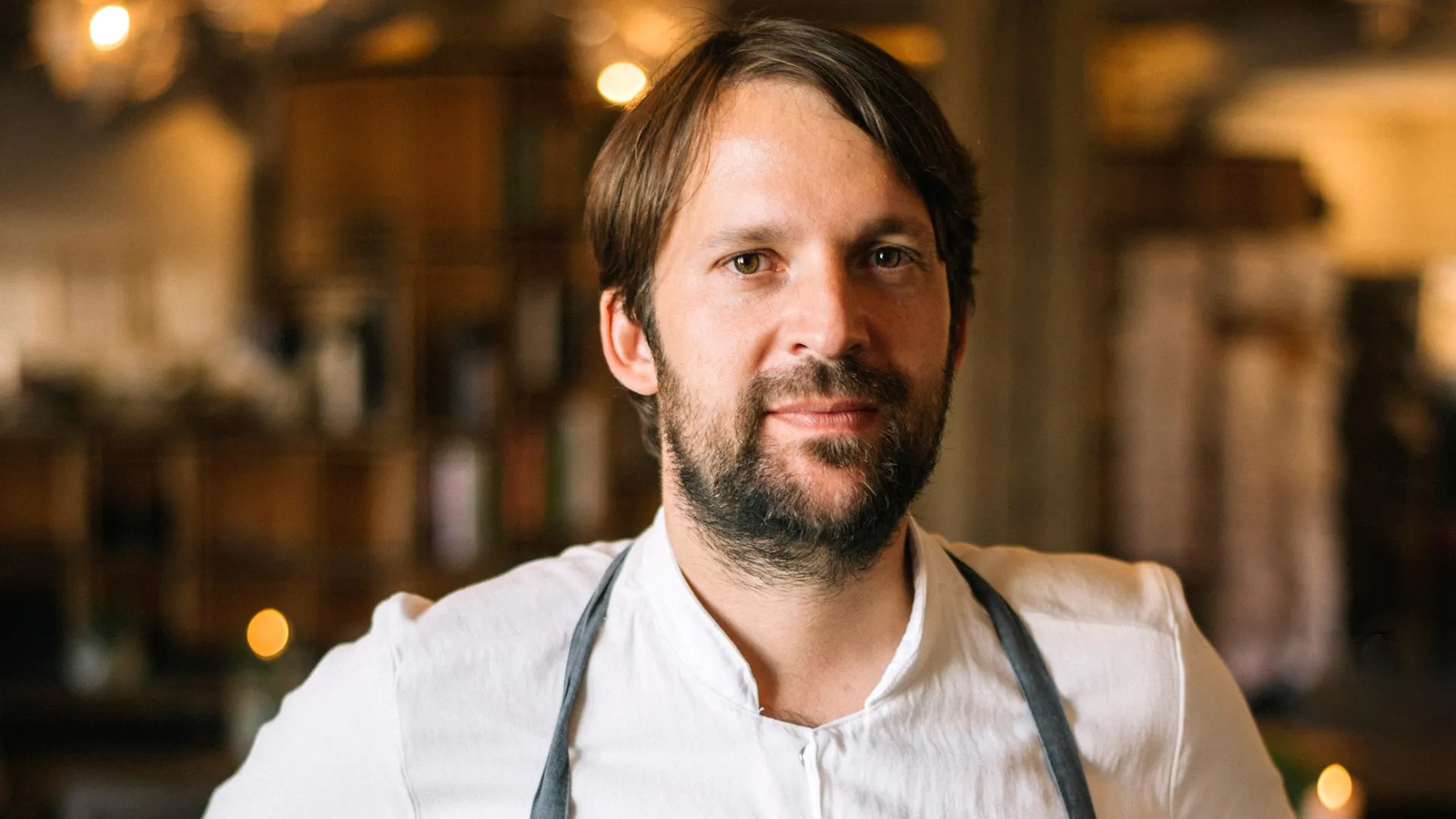
Renowned chef René Redzepi, long celebrated as one of the most influential figures in modern gastronomy, is facing renewed scrutiny after multiple former employees accused him of physically and verbally abusing staff during the early years of his restaurant empire. The allegations surfaced just days before a highly anticipated pop-up dining residency set to open in Los Angeles, where diners reportedly paid $1,500 per seat for a rare culinary experience. The claims have triggered a wave of debate within the global restaurant industry about workplace culture, power dynamics in elite kitchens, and the pressures associated with achieving culinary excellence.
The accusations, which reportedly involve more than 30 former workers, describe a pattern of intimidation, public humiliation, and physical violence that allegedly occurred between 2009 and 2017. Several employees claim the behavior took place in professional kitchen settings where staff often felt unable to challenge authority or speak openly about their experiences. As the controversy unfolds, the situation has sparked calls for protests, workplace reforms, and deeper reflection about leadership practices within prestigious restaurants.
At the center of the controversy is the chef’s upcoming residency in Los Angeles’ Silver Lake neighborhood, an event that sold out rapidly and drew significant attention from food enthusiasts worldwide. The timing of the allegations has intensified public scrutiny, raising questions about accountability in the culinary world and the responsibility of celebrated chefs who wield considerable influence over young cooks eager to build careers in elite kitchens.
Allegations of Abuse and Intimidation in the Kitchen
Former employees have described a workplace environment where fear and pressure allegedly shaped daily operations. According to accounts shared by several past workers, the chef René Redzepi sometimes used physical force to discipline staff members or express frustration during busy kitchen shifts. Some claim that workers were struck in the ribs, punched in the stomach, or shoved against walls during confrontations triggered by relatively minor issues.
One former cook alleged that he was physically assaulted multiple times during his employment, stating that the chef would sometimes lash out when he was dissatisfied with kitchen performance or workflow. Another employee claimed that workers were occasionally gathered together in a circle to witness confrontations, creating a public spectacle meant to intimidate or shame the targeted individual. Former staff members say these episodes reinforced a culture where humiliation was used as a tool for control.
Several accounts also described frequent verbal abuse. Employees claimed that the chef would shout at staff from close range, using aggressive language and personal insults in the heat of kitchen service. Former workers recalled that mistakes or disagreements could escalate quickly, leading to tense exchanges in front of large groups of colleagues. The public nature of these incidents, they say, amplified the pressure and embarrassment experienced by those involved.
In one alleged incident that has drawn significant attention, a former employee claimed he was punched after playing music the chef disliked while working in a production kitchen. Another worker reported that the chef allegedly punched multiple staff members along a line of cooks during a moment of anger. According to these accounts, such actions contributed to an environment where employees felt constantly on edge and uncertain about how leadership might respond to minor disagreements or errors.
Beyond the physical allegations, former workers also described demanding schedules and harsh expectations placed on kitchen staff. Some interns reportedly worked long shifts without pay while performing physically exhausting tasks. Critics say such conditions were common in elite kitchens during that era, where the promise of prestige and training often overshadowed concerns about labor standards and worker well-being.
Read : Palestinian Footballer Ahmad Abu al-Atta Dies After Airstrike Hits His Home in Gaza City
Employees who later reflected on their experiences described feeling trapped between ambition and fear. Many aspiring chefs accepted harsh conditions because working in a famous kitchen was seen as a career-defining opportunity. However, several former staff members say the emotional and physical toll of the environment left lasting impacts long after they moved on to other restaurants or culinary careers.
Industry Backlash and Calls for Accountability
The resurfacing of these allegations has sparked strong reactions across the culinary community, particularly among former employees who say their experiences were overlooked for years while the chef’s reputation continued to grow. One former senior staff member who once worked in the restaurant’s fermentation lab has emerged as a prominent critic, urging current and former industry workers to speak out about workplace mistreatment.
In recent weeks, this former employee has used social media to collect and share testimonies from people who claim they experienced abusive behavior during their time at the restaurant. The posts include anonymous messages from workers who describe the kitchen environment as hostile and emotionally draining. One former employee reportedly said that working there for a short period felt like “the worst two weeks of my life,” describing long hours and intense confrontations with leadership.
The same critic has also called for demonstrations outside the Los Angeles pop-up residency scheduled to begin shortly. He has encouraged former staff members, hospitality workers, and labor advocates to gather in protest during the opening week of the event. According to his statements, the goal of the demonstrations is to bring attention to alleged workplace abuse and demand stronger protections for kitchen employees across the restaurant industry.
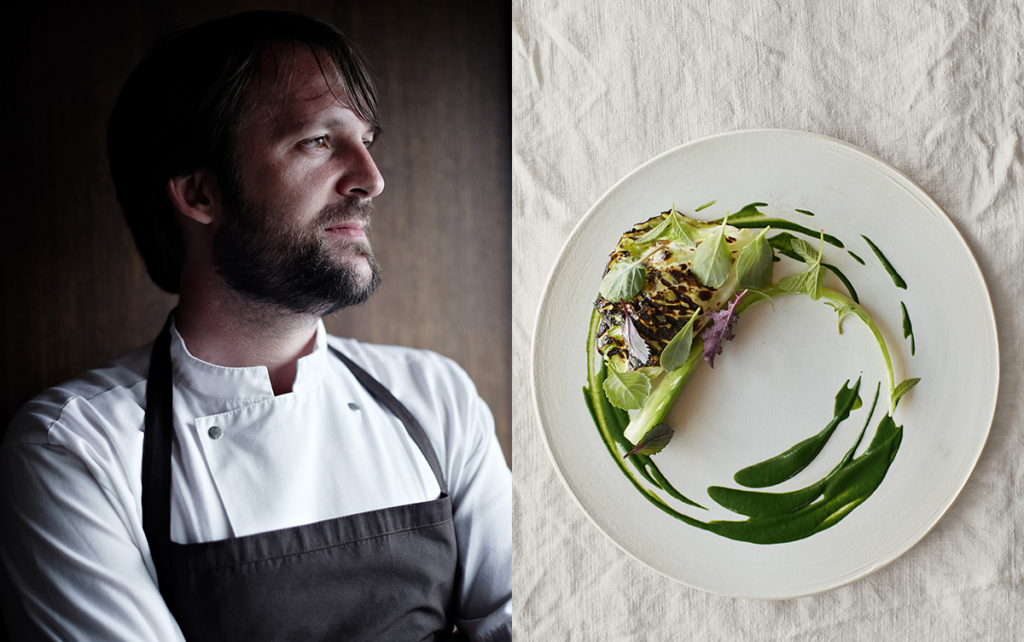
Supporters of the protests argue that high-end restaurants often rely on hierarchical structures where young cooks have little power to challenge abusive treatment. They say the culture of silence within elite culinary circles has allowed problematic leadership practices to persist for years without meaningful accountability. For many critics, the current controversy represents a broader opportunity to reexamine the traditions and expectations that have historically defined fine-dining kitchens.
At the same time, some industry figures have urged caution, noting that the allegations involve events that occurred many years ago and that workplace standards have evolved significantly since then. Others point out that intense pressure has long been associated with professional kitchens, where chefs must coordinate complex operations under strict time constraints while maintaining high culinary standards.
Nonetheless, the growing number of testimonies has intensified calls for transparency and reform. Labor advocates argue that the hospitality industry must confront patterns of abuse that have historically been normalized under the banner of discipline or artistic rigor. They emphasize that creativity and excellence should not come at the expense of worker dignity or safety.
The controversy has also renewed discussion about the role of mentorship in the culinary world. Many successful chefs trained in demanding environments and later replicated those leadership styles in their own kitchens. Critics now question whether such traditions have perpetuated cycles of intimidation and emotional harm, particularly for younger cooks who feel compelled to endure harsh treatment in pursuit of career advancement.
Chef’s Response and the Future of the Los Angeles Pop-Up
Amid the growing backlash, the chef has publicly addressed the allegations and acknowledged that aspects of his past leadership style were harmful. In a recent statement, he said he recognized elements of his earlier behavior in the accounts being shared and expressed regret for the impact it may have had on people who worked with him.
He explained that over the past decade he has attempted to change how he manages professional relationships and handles the pressures of kitchen leadership. According to his statement, these efforts have included therapy, personal reflection, and stepping away from day-to-day kitchen management in order to develop healthier approaches to leadership and communication.
The chef also noted that he does not recognize every detail described in the allegations but accepts that his behavior during earlier years may have contributed to an environment where employees felt harmed or intimidated. He stated that he continues to learn from those experiences and remains committed to improving workplace culture.
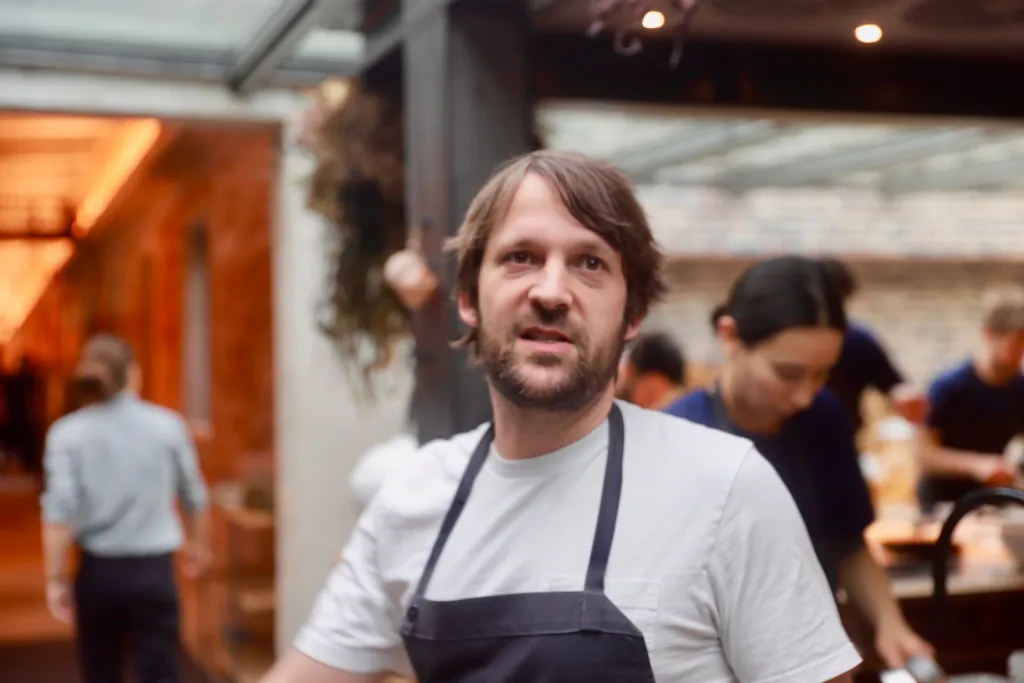
Years earlier, he had already acknowledged that he had been a difficult leader at times during his career. In a past reflection, he admitted to yelling at staff and pushing people too hard in pursuit of culinary excellence. He wrote that he had recognized the need for change and had begun trying to build a healthier kitchen environment that valued both creativity and employee well-being.
The restaurant organization itself has also responded to the allegations, stating that the claims involve incidents that occurred many years ago and may not reflect the current workplace environment. Representatives said the organization takes the reports seriously and plans to review them carefully. They also announced that an independent audit of workplace practices would be conducted as part of ongoing efforts to ensure a safe and respectful environment for employees.
Despite the controversy, the Los Angeles residency remains scheduled to proceed as planned. The pop-up dining experience is set to run for several months and features a menu designed specifically for the location. The event drew extraordinary demand when reservations opened, with tickets reportedly selling out within seconds.
For diners, the pop-up represents a rare opportunity to experience one of the world’s most influential culinary projects outside its traditional home base. For critics, however, the event has become a symbol of the broader debate surrounding celebrity chefs and the power structures that shape the restaurant industry.
As the opening date approaches, protests and public discussions are expected to continue, highlighting tensions between culinary innovation and workplace accountability. Many observers believe the outcome of the controversy could influence how restaurants around the world approach leadership, labor practices, and transparency in the years ahead.
The unfolding situation has become a pivotal moment for the hospitality industry, raising difficult questions about how excellence is achieved and at what cost. While the chef’s achievements have reshaped modern cuisine and inspired countless young cooks, the allegations now challenge the narrative that brilliance in the kitchen should excuse harsh treatment behind the scenes.