
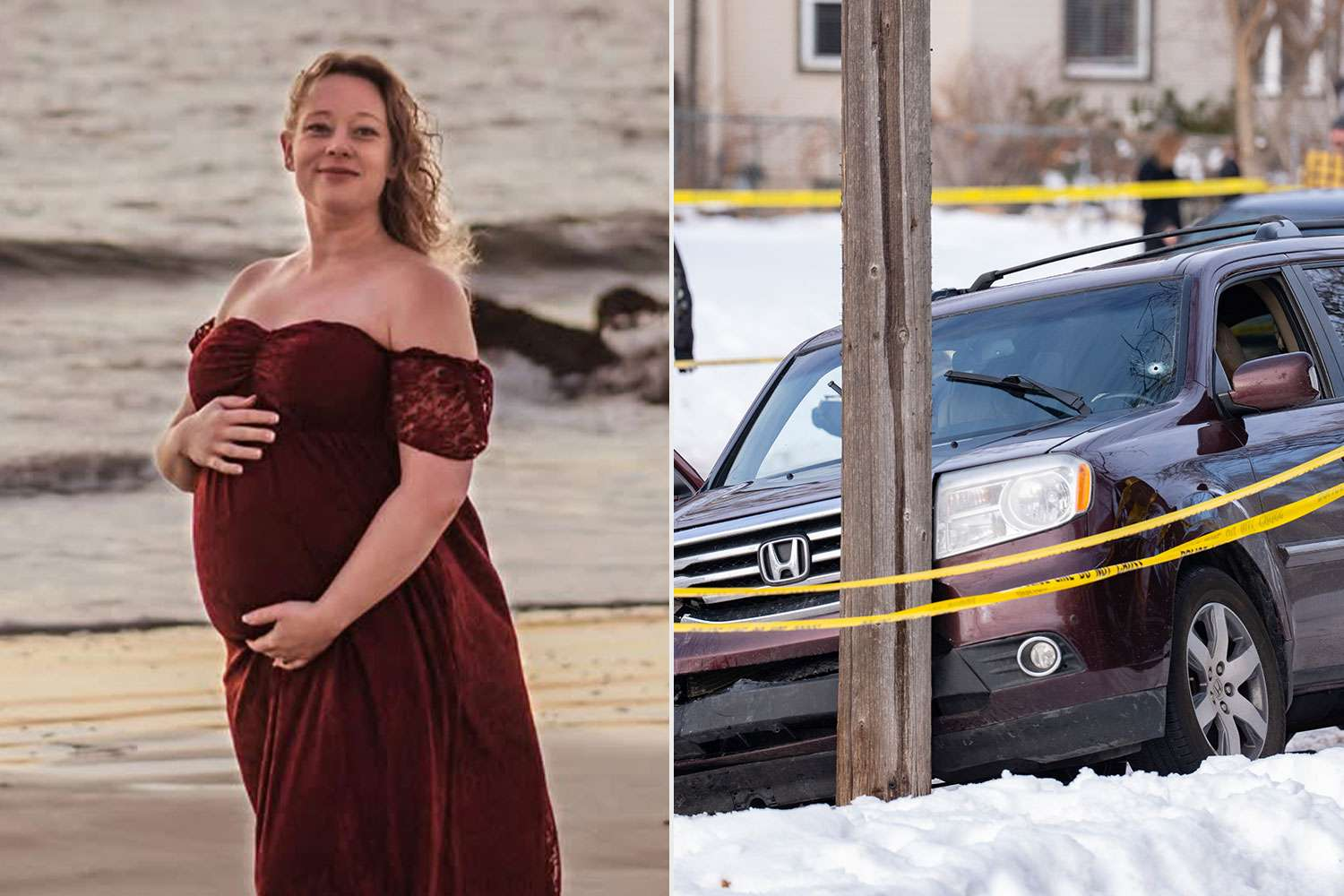
Renee Nicole Good, a 37-year-old mother and activist, was killed on January 7, 2026, during a federal immigration enforcement operation in south Minneapolis, an incident that has ignited intense political debate, public protest, and scrutiny of both activist tactics and federal use of force. Shot by an Immigration and Customs Enforcement agent after she drove her vehicle toward officers, Good’s death has become a focal point in the broader national conflict over immigration enforcement, sanctuary cities, and organized resistance to federal authorities.
As investigations continue, competing narratives have emerged, painting starkly different portraits of Good, the circumstances surrounding her death, and the movement she was part of. Good had moved to Minneapolis only months earlier, joining a community known for its strong activist culture and progressive politics.
She lived with her wife, Rebecca Good, and their young son in south Minneapolis, a neighborhood shaped by the legacy of the 2020 killing of George Floyd and the subsequent rise of social justice organizing. Within this environment, Good became involved with Minnesota ICE Watch, an informal network of activists dedicated to monitoring, documenting, and interfering with ICE operations in the state. Her death, captured in part on video and widely circulated online, has since fueled protests, political statements from federal officials, and claims of both martyrdom and reckless endangerment.
Background, Family Life, and Move to Minneapolis
Renee Nicole Good was a stay-at-home mother of three who, according to friends and acquaintances, balanced parenting with creative pursuits such as poetry and community involvement. She and her wife, Rebecca, had lived in Kansas City, Missouri, before leaving the United States following the 2024 presidential election. Former neighbors said the couple briefly relocated to Canada, expressing deep dissatisfaction with the political direction of the country and the re-election of President Donald Trump.
After several months, they returned to the United States and settled in Minneapolis, drawn by the city’s reputation as a sanctuary jurisdiction and its established activist networks. The family lived in south Minneapolis, an area characterized by a mix of working-class households and politically active residents. Many homes display signs supporting LGBTQ+ rights, racial justice movements, and causes associated with the protests that followed George Floyd’s killing.
Good and her wife were raising their six-year-old son together, and his education played a significant role in Good’s integration into local activist circles. Their son attended Southside Family Charter School, a K–5 institution founded in 1972 that openly emphasizes social justice education as a core mission. The school’s curriculum and culture prioritize civic engagement, discussions of current events, and what it describes as involving children in political and social activism.
According to former staff and parents, topics such as systemic racism, policing, and global indigenous issues are incorporated into classroom discussions and activities. Through her involvement in the school community, Good met other parents and organizers who were active in local protest movements, including those focused on immigration enforcement.
There can be no more doubt. Renee Nicole Good and her wife were provocateurs. And she 100 percent intended to hit this ICE Agent and revved her engine to do it.
— Carmine Sabia (@CarmineSabia) January 9, 2026
She was definitely not "dropping her kid off at school" @AdamSchiff.
Video credit @AlphaNews. pic.twitter.com/df03FrTpAa
Friends described Good as deeply committed to her beliefs and motivated by a sense of moral duty. At a vigil held near the site of her death, fellow parents and activists referred to her as a “warrior” who believed she was acting in defense of immigrant communities. These descriptions contrast sharply with accounts from federal officials, who allege that Good and others had been actively harassing and obstructing ICE agents throughout the day of the shooting.
Involvement With Minnesota ICE Watch and Activist Training
Minnesota ICE Watch is part of a broader network of “ICE Watch” groups that have formed across the United States in response to federal immigration enforcement. These loosely organized coalitions aim to track ICE activity, alert communities to raids, and, in some cases, physically intervene to disrupt arrests. Using social media, messaging apps, whistles, car horns, and neighborhood alerts, such groups seek to create rapid-response systems when agents are spotted.
According to activists familiar with the group, Good became actively involved after connecting with other parents through her son’s school. Minnesota ICE Watch maintains an online presence that encourages followers to report ICE activity with details about time, location, vehicles, and equipment. Instructional graphics shared by the group outline how to document encounters and assert legal rights during interactions with federal agents.
Read : Explosive Device Thrown at Gladis Aurora López’s Head During On-Camera Interview
Some participants have described the group’s activities as defensive and focused on observation, while critics and law enforcement officials argue that ICE Watch operations often escalate into confrontations. Federal data cited by the Department of Homeland Security indicate a sharp increase in vehicular attacks and aggressive interference against ICE agents over the past year. Officials attribute this rise to what they describe as radical rhetoric from sanctuary politicians and activist organizations that frame enforcement agents as illegitimate or oppressive.
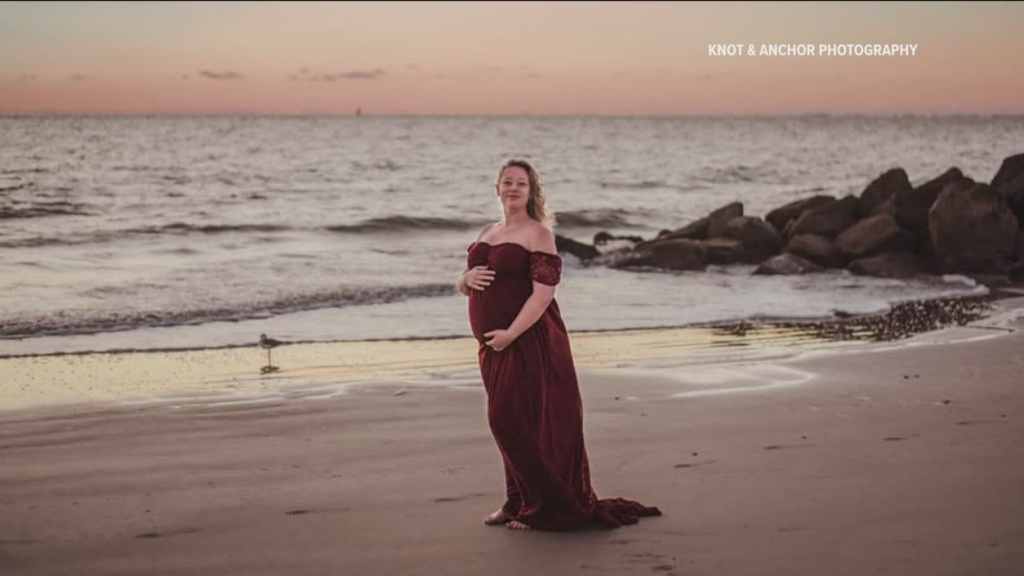
Individuals who knew Good said she had undergone training sessions associated with ICE Watch. These sessions reportedly covered how to identify ICE agents, how to respond verbally during encounters, how to use whistles or other noise-making devices to alert others, and how to document incidents on video. Some activists also discuss “de-arrest” tactics, which involve attempting to prevent or disrupt detentions by surrounding agents or blocking vehicles. While supporters characterize such training as nonviolent civil resistance, federal authorities argue that these tactics can quickly become dangerous, particularly when vehicles are involved.
In the weeks leading up to the shooting, Minnesota ICE Watch had reportedly aligned itself with more radical activist groups in the Twin Cities area. Social media posts from associated accounts in the aftermath of Good’s death called for barricading streets near the shooting site and, in some instances, encouraged participants to bring items that could be burned. These messages intensified concerns among law enforcement about the potential for further violence.
The Shooting, Aftermath, and Competing Narratives
The fatal shooting occurred during an ICE enforcement operation just south of Minneapolis’s central business district. According to federal officials, agents were attempting to carry out their duties when they were confronted by activists, including Good and her wife. Video footage released after the incident shows Good behind the wheel of her Honda Pilot as an agent repeatedly orders her to exit the vehicle. Rebecca Good can be heard urging her wife to drive away as agents attempt to block the SUV.
An ICE agent fired three shots into the vehicle after Good accelerated toward him, striking her in the head. She was pronounced dead at the scene. DHS Secretary Kristi Noem described the shooting as an act of self-defense, stating that the agent’s life was endangered. Vice President JD Vance later said that the footage demonstrated the immediate threat faced by the agent.
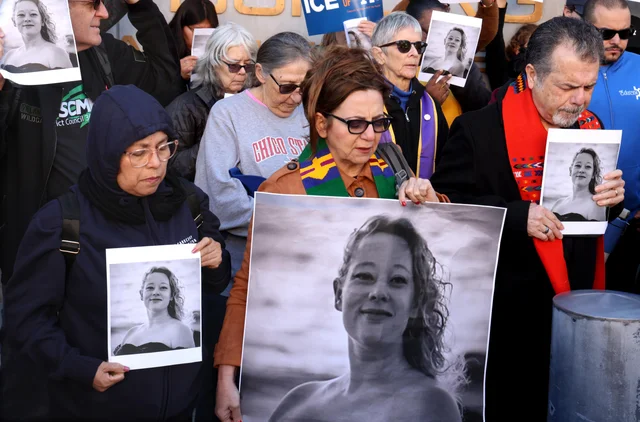
Activists and supporters of Good have rejected this characterization, insisting that she was “murdered” and arguing that the use of lethal force was unjustified. At vigils and protests following the shooting, participants framed Good’s death as the result of an aggressive federal crackdown and what they see as the criminalization of dissent. Minneapolis Mayor Jacob Frey faced criticism after comments perceived as downplaying the emotional impact of the footage, further inflaming tensions.
Rebecca Good, who was at the scene during the shooting, was recorded sobbing and blaming herself in the immediate aftermath. Covered in blood after rushing to her wife’s side, she repeatedly said that she had urged Renee to come to the location and drive. Her statements have been cited by both critics and supporters in debates over responsibility and intent.
The shooting remains under investigation, with federal authorities reviewing body camera footage, witness accounts, and the sequence of events leading up to the gunfire. Meanwhile, protests have continued across Minneapolis, including demonstrations outside hotels believed to be housing federal agents. Clashes between protesters and police have resulted in the use of pepper spray and multiple arrests.
Renee Nicole Good’s death has become a symbol within a deeply polarized national conversation. To her supporters, she represents a committed mother and activist who believed she was protecting vulnerable communities. To critics, her actions exemplify the risks posed by confrontational resistance to law enforcement and the potential consequences of escalating tactics. As the investigation proceeds, her story continues to reverberate far beyond Minneapolis, raising difficult questions about activism, enforcement, and the limits of protest in an era of heightened political conflict.
**mitolyn official**
Mitolyn is a carefully developed, plant-based formula created to help support metabolic efficiency and encourage healthy, lasting weight management.