
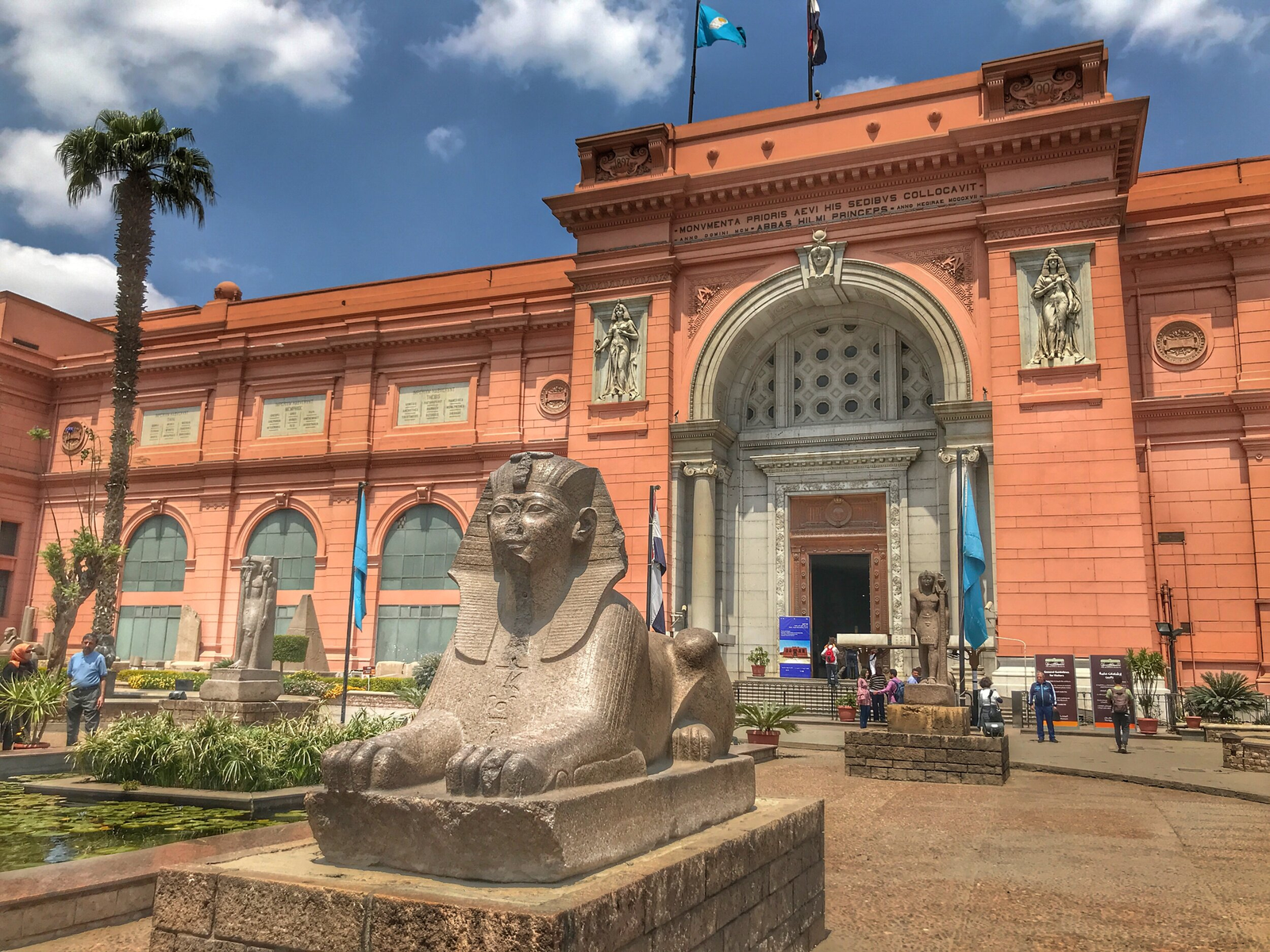
The fascinating discovery of pleasant aromas emanating from ancient Egyptian mummies has provided a fresh perspective on the preservation of these historical artifacts.
Researchers from University College London (UCL) and the University of Ljubljana in Slovenia have identified woody, spicy, and sweet notes in the remains, debunking concerns that decomposition or microbial degradation might have altered the scents.
This breakthrough offers valuable insights into ancient embalming techniques and burial practices, further deepening our understanding of ancient Egyptian civilization.
Scientific Methodology: Unraveling the Secrets of Ancient Aromas
To ensure that the detected aromas were indeed from the mummies and not from external contaminants such as pesticides, mold, or bacterial deterioration, researchers employed advanced technical instruments to measure and analyze air molecules emitted from sarcophagi.
This innovative approach allowed them to determine the state of preservation without physically handling the mummies. Chemistry professor Matija Strlic of the University of Ljubljana described the process as a groundbreaking method of non-invasive analysis, likening it to finding the “Holy Grail” of mummy preservation.
Read : Ancient Temple Hidden in a Cliff Discovered in Egypt After 2,100 Years
The use of air sampling techniques enabled the identification of specific scent profiles, revealing that the embalming substances used thousands of years ago had maintained their aromatic properties.
Read : 2 Buses Carrying 70 Freed Palestinian Prisoners Arrived in Egypt
These findings not only highlight the exceptional preservation techniques of ancient Egyptians but also demonstrate the effectiveness of modern analytical tools in archaeological research.
The Role of Preservation and Challenges in Identifying Authentic Scents
Barbara Huber, a postdoctoral researcher at the Max Planck Institute of Geoanthropology in Germany, emphasized the significance of these findings for the conservation of mummified remains.
The research provides crucial data on compounds that contribute to the longevity or degradation of preserved bodies. This knowledge can be applied to enhance conservation methods, ensuring that these historical artifacts are safeguarded for future generations.
Read : Sudan: The Country with More Pyramids Than Egypt
However, Huber also pointed out a major challenge in the study: the detected scents may not accurately represent the original aromas present during mummification.
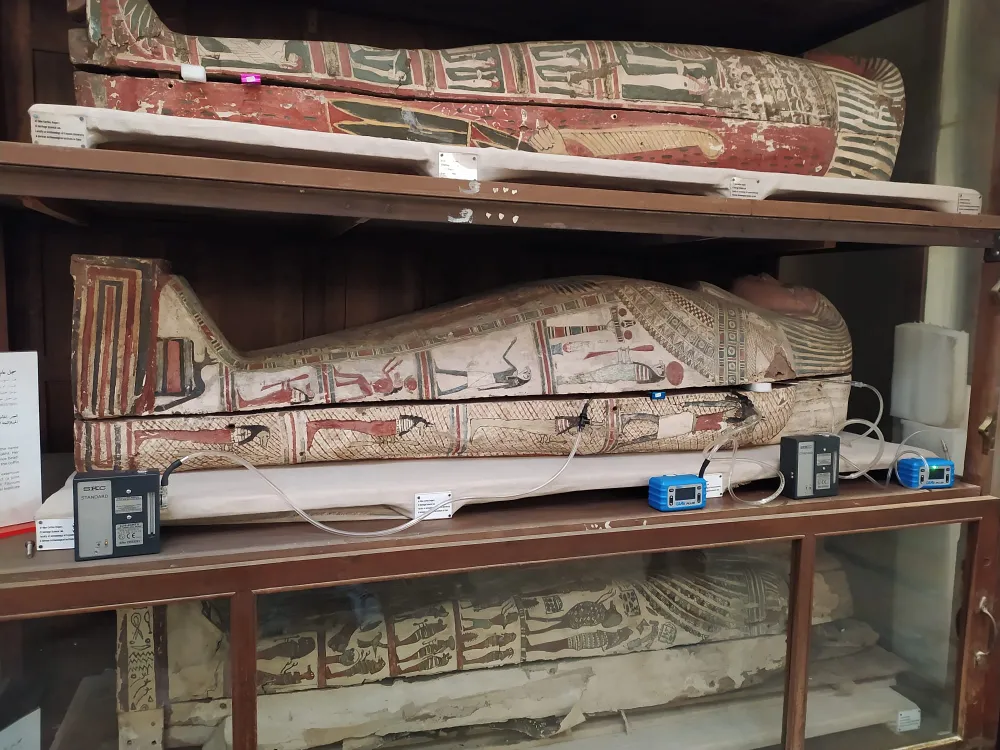
Over thousands of years, natural processes such as evaporation, oxidation, and variations in storage conditions have likely altered the original scent profiles. This limitation highlights the need for further research to reconstruct the authentic smells of ancient burial rituals and embalming substances.
Despite these challenges, the study presents a compelling narrative about the enduring qualities of ancient preservation techniques. It underscores the sophistication of ancient Egyptian embalming methods, which incorporated aromatic compounds that have withstood the test of time.
Future Prospects: Recreating Ancient Egyptian “Smellscapes”
One of the most exciting implications of this research is the potential to develop “smellscapes” that can artificially recreate the scents detected from the mummies.
By identifying and synthesizing these ancient aromas, researchers aim to enhance the experience of museumgoers, allowing them to engage with history on a sensory level.
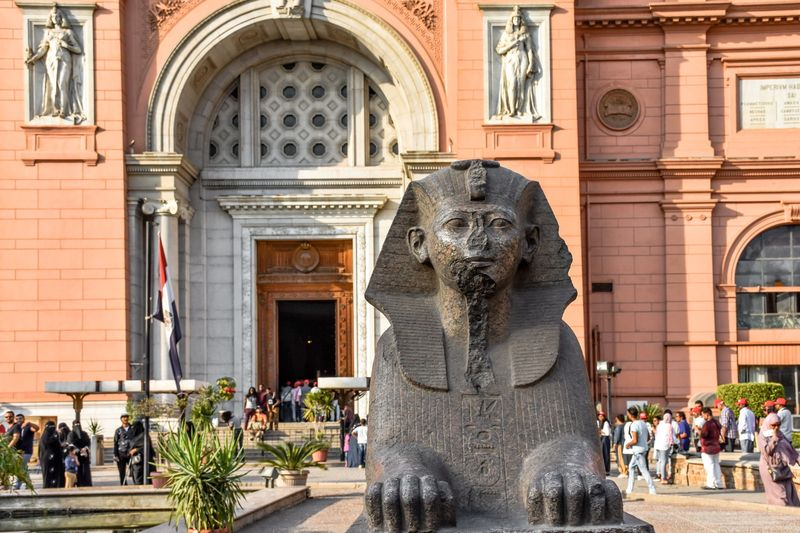
The ability to recreate these scents would provide a more immersive understanding of Egyptian burial practices and rituals. Visitors to museums could experience the aromas that were once integral to ancient embalming ceremonies, deepening their connection to the past. This innovative approach could revolutionize the way historical artifacts are presented and appreciated in cultural institutions worldwide.
In conclusion, the discovery of pleasant scents in 5,000-year-old Egyptian mummies sheds new light on the advanced preservation techniques of ancient civilizations.
Through the application of modern scientific methods, researchers have unveiled a remarkable aspect of mummification that was previously unknown. As further studies continue to explore the olfactory dimensions of archaeology, we may soon be able to step into the past—not just visually, but through the power of scent.