
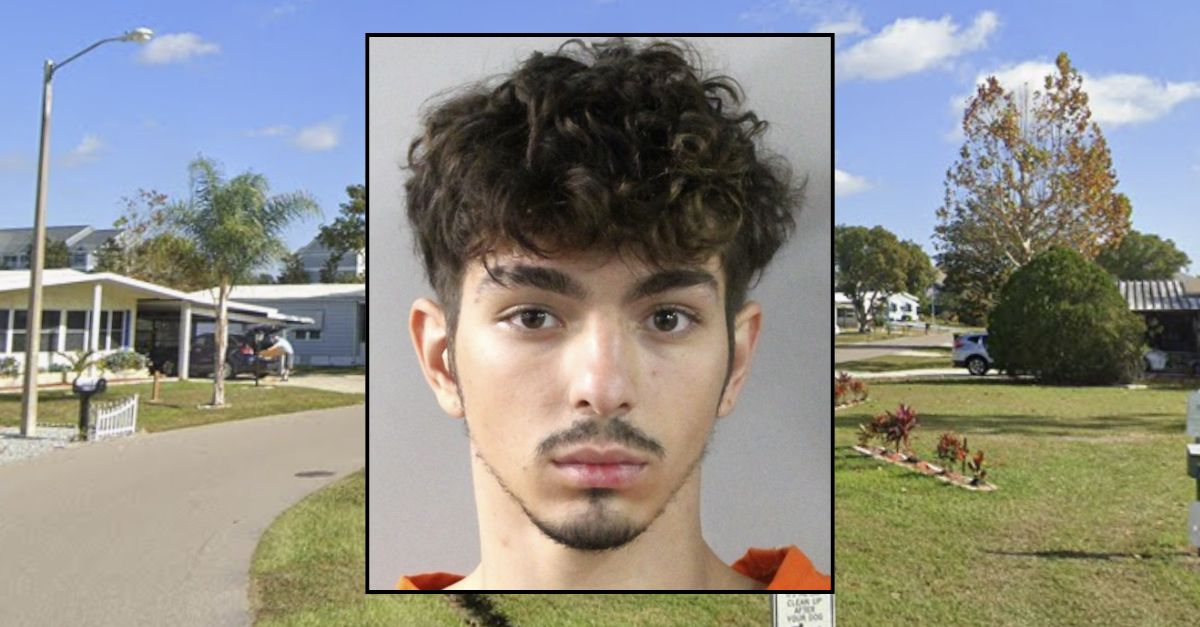
The killing of retired Florida nurse John Torneo has drawn widespread attention because of the disturbing circumstances under which it unfolded and the relationship between the victim and the accused. Torneo, 67, was known by neighbors as a quiet, generous man who had spent his working life caring for others and continued that pattern into retirement by offering help to someone he believed was in need. Authorities say that decision ultimately placed him in mortal danger.
Investigators allege that Torneo was brutally murdered inside his Davenport-area home by his former roommate, 19-year-old Julian Trevino, just days after Torneo told him to move out for failing to pay rent or contribute to household responsibilities. The case, now moving through the Florida criminal justice system, has raised questions about trust, vulnerability, and the warning signs that often go unnoticed until tragedy strikes.
According to the Polk County Sheriff’s Office, the violence that claimed Torneo’s life was not spontaneous but followed a chain of events that began with a dispute over living arrangements. Julian Trevino had been living in Torneo’s home since September after Torneo allowed him to stay there, believing the teenager was struggling and needed stability. Over time, however, neighbors said tensions developed as Trevino failed to pay rent or assist with basic chores.
When Torneo finally asked him to leave, investigators allege that Trevino reacted with anger and resentment that later escalated into lethal violence. What followed, authorities say, was a calculated and vicious attack that left a respected community member dead and a teenager facing a lifetime behind bars.
The Discovery of the Crime and the Initial Investigation
The investigation into John Torneo’s death began not with an emergency call reporting violence, but with concern from neighbors who noticed something was wrong. According to Sheriff Grady Judd, a neighbor contacted the sheriff’s office after not seeing Torneo for several days. The concern deepened when the neighbor received unusual text messages from Torneo’s phone that did not sound like him. A deputy was dispatched to the home to conduct a welfare check, and investigators used the sheriff’s office real-time crime center to locate Torneo’s vehicle. The system showed the vehicle traveling south on Highway 27, suggesting to deputies that Torneo might simply be away from home.
With the neighbor’s assistance, the deputy entered the house using a spare key. At that time, nothing immediately appeared out of place, and no one was found inside. Believing there was no immediate danger, the deputy cleared the call and left the scene. However, the situation did not sit well with the neighbors, particularly after they continued to hear Torneo’s dog barking inside the house. Their unease grew, prompting them to return to the home later that day.
When the neighbors went back inside, they discovered a bedroom door locked from the inside. Upon forcing entry, they found Torneo’s body on the floor. Sheriff Judd later described the scene as horrific, stating that Torneo had suffered extensive injuries consistent with a violent and sustained attack. Law enforcement officials said he had been stabbed repeatedly and beaten, leaving no doubt that the death was a homicide. The discovery immediately shifted the investigation from a welfare check to a full-scale murder inquiry.
Not all homicides are this easy to solve……Julian Trevino sure made it easy. Justice is served.
— Polk County Sheriff 🚔 Grady Judd (@PolkCoSheriff) December 17, 2025
Full news conf https://t.co/aBL2DRxkSN pic.twitter.com/VDbdgxioeO
Investigators quickly began piecing together Torneo’s last known interactions and movements. Attention soon turned to Julian Trevino, the former roommate who had recently been told to leave the home. Detectives learned that Torneo’s credit cards had been used after his death, including at a Circle K convenience store and at a pizza restaurant where Julian Trevino worked as a dishwasher. These transactions provided a crucial lead, placing Trevino in possession of Torneo’s property shortly after the estimated time of death.
Arrest, Confession, and the Alleged Sequence of Events
Authorities located Torneo’s vehicle in the early hours of Monday morning. Deputies observed Julian Trevino approaching and getting into the car around 4 a.m. When they attempted to take him into custody, Trevino fled, leading officers on a brief pursuit. According to Sheriff Judd, the chase ended when Trevino crashed the vehicle into a ditch. He then attempted to escape on foot but was quickly apprehended by deputies.
Following his arrest, investigators say Trevino confessed to the killing and provided details about what allegedly happened inside Torneo’s home. According to detectives, Trevino admitted that he was angry about being forced to leave and resented having to live in a shed behind a friend’s house. He reportedly told investigators that he did not want to be separated from his girlfriend and blamed Torneo for his circumstances.
Read : 18-Year-Old Thomas Waller Jailed for Raping Boys as Young as Three at Surrey Nursery
Trevino allegedly told detectives that in the early hours of Sunday morning, he broke into Torneo’s home by climbing through a bathroom window. Once inside, he hid in a closet and waited. When Torneo went to bed, Julian Trevino began searching the house for cash and credit cards. At some point, Torneo woke up and confronted him, telling him that he was not supposed to be there.
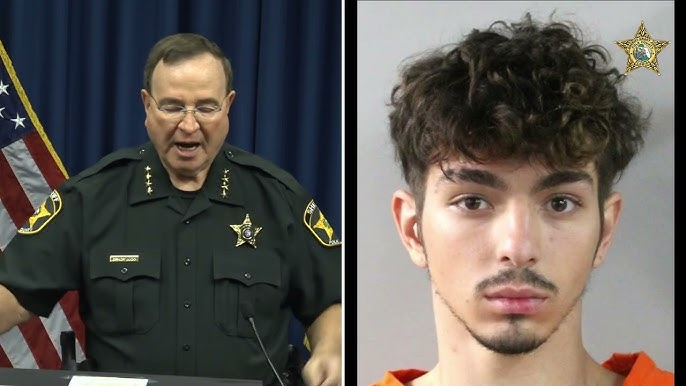
According to the confession outlined by Sheriff Judd, the confrontation quickly turned violent. Julian Trevino allegedly shoved Torneo onto the bed, then ran to the kitchen and grabbed a butcher knife. He returned to the bedroom and stabbed Torneo multiple times. Investigators say the attack was severe and relentless. After the stabbing, Trevino allegedly grabbed a bottle of wine from a cooler in the bedroom and continued beating Torneo in the head until he was dead.
Authorities say Julian Trevino then attempted to cover his tracks. He allegedly disposed of the knife and the wine bottle by throwing them into a nearby creek, where investigators later recovered both items. He also took Torneo’s vehicle and credit cards, using them in the days following the killing. Sheriff Judd characterized the investigation as straightforward due to the number of clues Trevino allegedly left behind, including surveillance footage and transaction records.
Community Reaction and the Charges Ahead
News of John Torneo’s death sent shockwaves through the Davenport community, where neighbors described him as a kind, generous, and quiet man who kept to himself but was always willing to help others. Several neighbors told investigators that Torneo had spoken openly about wanting to help Julian Trevino get back on his feet, believing that offering him a place to stay was the right thing to do. Those same neighbors expressed disbelief that the situation ended in such extreme violence.
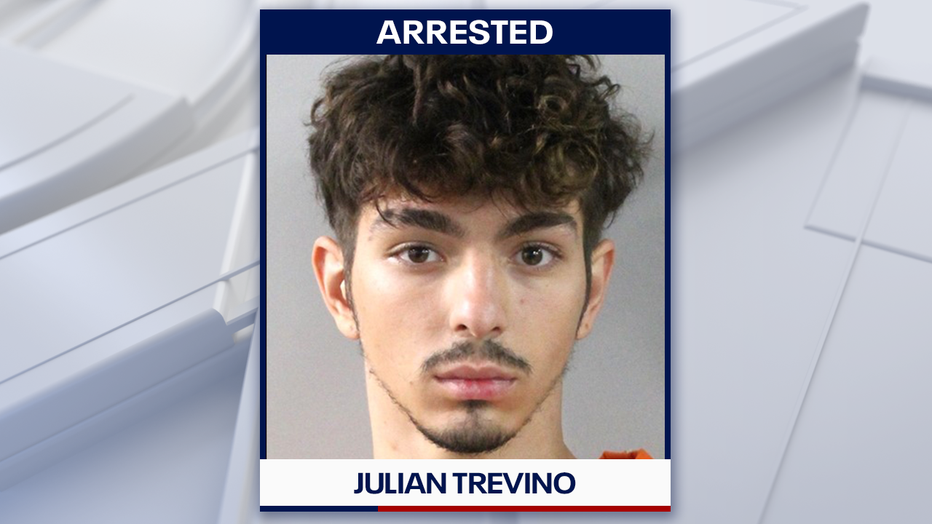
At a press conference, Sheriff Judd spoke at length about the contrast between the victim and the accused. He noted that Torneo had no criminal record and had spent his career as a nurse helping people, while Trevino also had no known criminal history prior to the killing. Judd described the case as a tragic example of generosity being met with violence, emphasizing that Torneo’s intention was to provide help, not to place himself in harm’s way.
Julian Trevino now faces 14 felony charges, including first-degree murder, robbery, and multiple counts of credit card fraud. Prosecutors allege that the killing was intentional and carried out with premeditation, a factor that could significantly impact sentencing if Trevino is convicted. He is currently being held without bond at the South County Jail. His arraignment is scheduled for January 20, 2026, where he will formally respond to the charges against him.
As the case moves forward, it is expected to draw continued attention due to the graphic nature of the allegations and the relationship between the victim and the accused. Investigators have stated that the evidence includes a confession, physical evidence recovered from the creek, surveillance footage, and financial records linking Trevino to the use of Torneo’s credit cards. Prosecutors will likely rely heavily on this combination of direct and circumstantial evidence to build their case.
For the community, the focus remains on remembering John Torneo for the life he lived rather than the way he died. Neighbors have spoken about his kindness, his love for his dog, and his quiet presence in the neighborhood. As the legal process unfolds, the case stands as a stark reminder of how quickly disputes within shared living arrangements can escalate and how acts of violence can emerge from relationships that begin with trust and good intentions.