
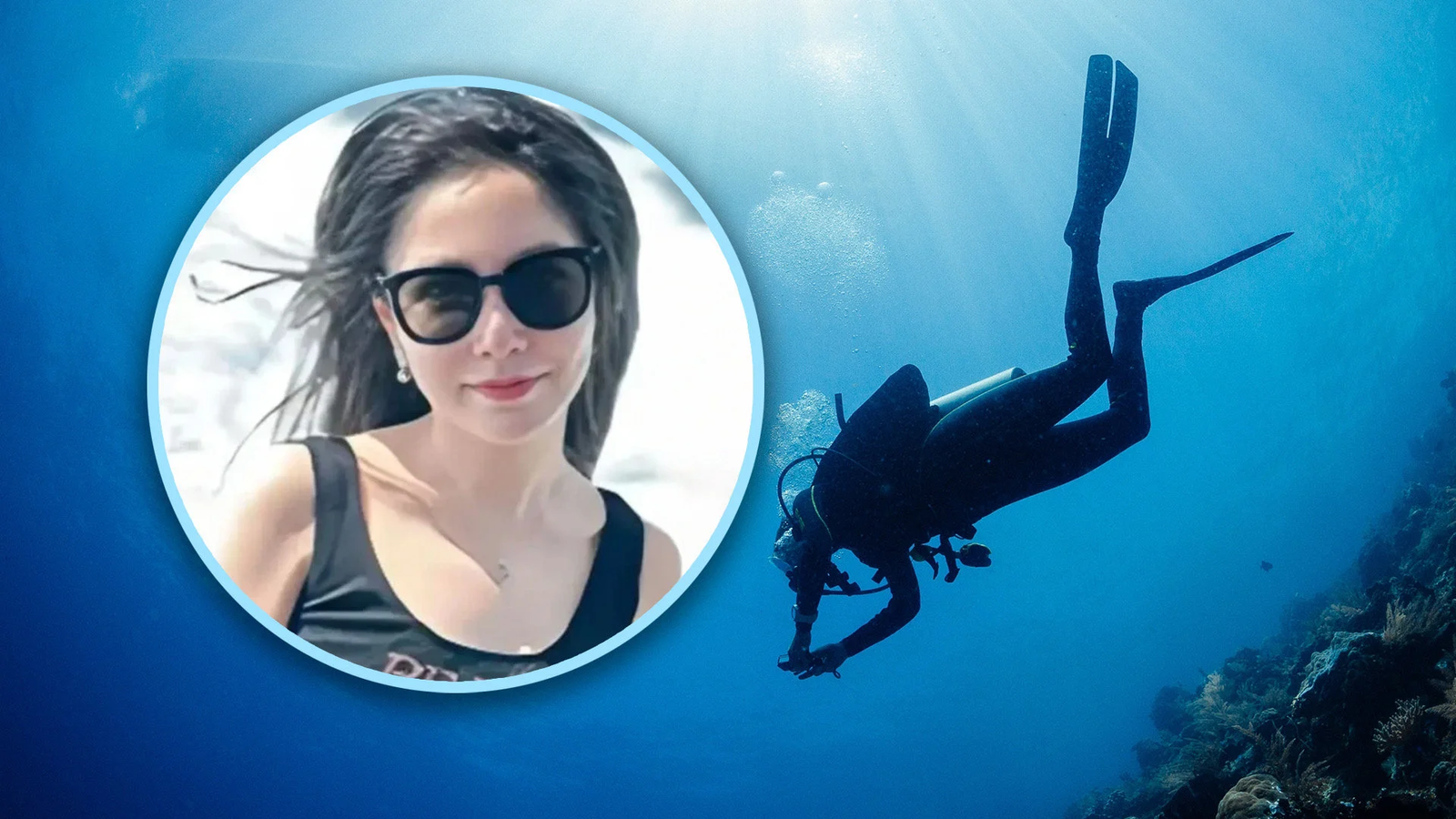
On May 3, 2025, a tragic incident unfolded near Kakaban Island in East Kalimantan, Indonesia, claiming the life of 30-year-old Chinese diver Zhang Xiaohan. An experienced diver with a professional scuba diving qualification, Xiaohan drowned while attempting to retrieve a GoPro camera that had slipped from her hands during a dive at the renowned Kelapa Dua Dive site.
Despite warnings from her tour guide, she plunged back into the sea, a decision that led to her untimely death at a depth of 87 meters. This heartbreaking event has sparked widespread discussion on social media, particularly in China, where Xiaohan’s story has become a sobering reminder of the risks associated with diving and the unpredictable power of nature.
The incident has not only left Xiaohan’s family in Zhejiang, China, devastated but also prompted reflections on diving safety, the value of material possessions versus human life, and the importance of heeding professional guidance.
The Tragic Incident at Kelapa Dua Dive
Zhang Xiaohan was part of a group of 12 guests and three guides on a diving tour near Kakaban Island, a pristine location known for its vibrant coral reefs and diverse marine life. The Kelapa Dua Dive site, where the incident occurred, is a popular spot for divers seeking to explore the underwater beauty of East Kalimantan.
Xiaohan, who held a Divemaster certification, was no novice to the sport. Her expertise and passion for diving made her a confident participant in the excursion, and she was equipped with a GoPro camera to capture the underwater wonders.
According to reports from the South China Morning Post, the tragedy began when Xiaohan’s GoPro camera slipped from her grasp as she ascended approximately eight meters through the water. The loss of the camera, likely containing valuable footage of her dive, prompted her to make a fateful decision.
Ignoring the warnings of her tour guide, Xiaohan dove back into the sea to retrieve the device. This impulsive action, taken without proper planning or accompaniment, set the stage for the tragedy that followed.
Read : Father and Son Drown While Swimming at Beach In Seventeen Seventy
Xiaohan did not resurface after her descent. Concerned, the guides dove in search of her but were unable to locate her. After waiting several minutes for her to reappear, they reported her missing, triggering a large-scale search operation. Rescue teams, including members of Basarnas (Indonesia’s National Search and Rescue Agency) and local soldiers, were deployed to scour the waters around Kakaban Island.
Read : 21 Quick Tips to Help You Sleep When You Can’t
Despite their efforts, Xiaohan’s body was not found until later that day, located at a depth of 88 meters near the Kelapa Dua Dive route. She was pronounced dead, and her body was transported to a hospital for a post-mortem examination.
Preliminary investigations suggest that a strong undercurrent may have swept Xiaohan away, preventing her from resurfacing. The exact cause of her death is still under investigation, but the incident has highlighted the inherent dangers of deep-sea diving, particularly when divers act against professional advice or underestimate environmental factors.
Social Media Reactions and Reflections
The news of Zhang Xiaohan’s death reverberated across Chinese social media platforms, where users expressed a mix of grief, disbelief, and cautionary advice. As details of her Divemaster certification and diving experience emerged, many were struck by the irony that a skilled diver could fall victim to such a tragedy.
One user poignantly noted, “It is usually the case that more professional divers tend to underestimate the power of nature.” This sentiment underscores a critical lesson: no amount of experience can fully shield a diver from the unpredictable forces of the ocean.
Xiaohan’s family, based in Zhejiang, China, has been left heartbroken by her loss. A relative shared their grief online, prompting an outpouring of condolences from strangers who were moved by the story. The tragedy has also sparked discussions about the value of material possessions in comparison to human life.

Many social media users emphasized that no camera, no matter how expensive or sentimental, is worth risking one’s safety. “No camera or footage is as important as your life,” one commenter wrote, a sentiment echoed by others who urged divers to prioritize safety over equipment.
Another recurring theme in online discussions was the importance of never diving alone, especially at significant depths. “A tip for all divers, never go deep into the sea without company,” one user advised.
This advice aligns with standard diving protocols, which emphasize the buddy system to ensure mutual support and safety. Xiaohan’s decision to dive back for her camera without a partner likely contributed to the tragic outcome, as there was no one nearby to assist her in case of an emergency.
The incident has also prompted broader reflections on the psychology of risk-taking among experienced adventurers. Divers with advanced certifications, like Xiaohan, may develop a sense of confidence that leads them to take risks they would otherwise avoid.
This overconfidence, coupled with the allure of recovering a valuable item, may have clouded her judgment in the critical moment. The discussions on social media serve as a collective call to action for divers to remain vigilant, respect the ocean’s power, and adhere to safety guidelines, regardless of their skill level.
Lessons for the Diving Community
The death of Zhang Xiaohan is a stark reminder of the risks inherent in scuba diving, a sport that combines breathtaking beauty with unpredictable challenges. While diving offers unparalleled opportunities to explore the underwater world, it demands respect for safety protocols and environmental conditions. Several key lessons emerge from this tragedy that can guide divers and prevent similar incidents in the future.
First and foremost, divers must heed the advice of guides and instructors. Tour guides, like those accompanying Xiaohan’s group, are trained to assess conditions and prioritize safety. Ignoring their warnings, as Xiaohan did, can lead to catastrophic consequences.
Guides are not only familiar with the dive site but also attuned to real-time factors such as currents, visibility, and weather changes. Trusting their expertise is essential for a safe diving experience. Second, the buddy system is a cornerstone of safe diving.
Diving alone, particularly at depth, increases the risk of accidents and complicates rescue efforts. Had Xiaohan been accompanied by a dive partner, they might have been able to assist her or alert the guides more quickly. The diving community should reinforce the importance of always diving with a buddy, especially in challenging environments like the Kelapa Dua Dive site.
Third, divers must weigh the value of material possessions against their safety. The impulse to retrieve a dropped item, such as a GoPro camera, is understandable, particularly if it contains irreplaceable footage. However, the ocean is an unforgiving environment where even a brief, unplanned dive can turn deadly.
Divers should be encouraged to let go of lost equipment and prioritize their well-being. Training programs and dive briefings should emphasize this mindset to counteract the instinct to recover valuable items.
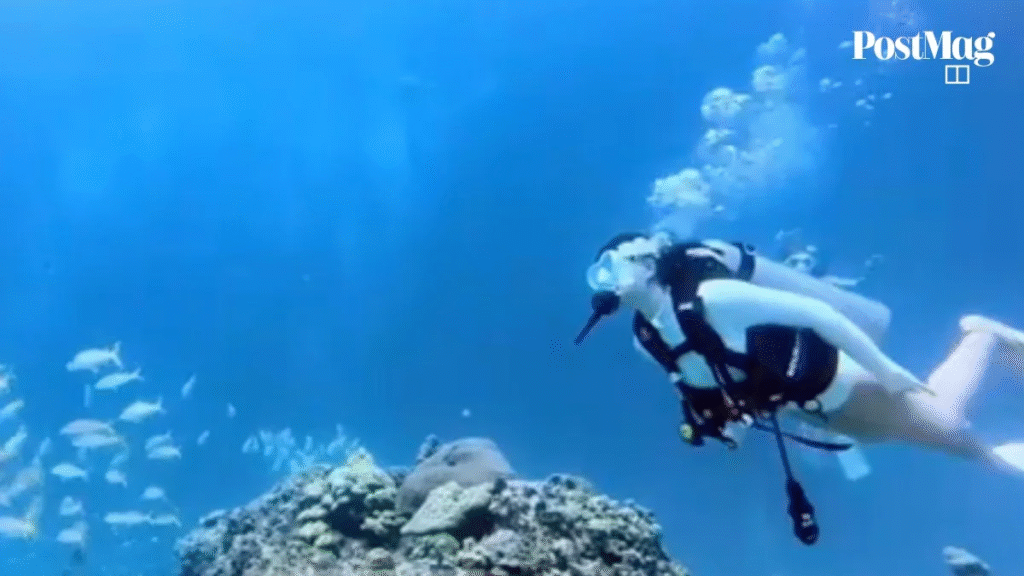
Finally, the role of environmental factors, such as undercurrents, cannot be overstated. The suspected strong undercurrent in Xiaohan’s case highlights the need for divers to be educated about the specific risks of each dive site. Pre-dive briefings should include detailed information about currents, depth profiles, and emergency procedures.
Additionally, divers should be equipped with tools like dive computers to monitor their depth and ascent rates, reducing the risk of disorientation or decompression issues.
The drowning of Zhang Xiaohan at the Kelapa Dua Dive site is a tragedy that has touched hearts and sparked important conversations about diving safety. Her story serves as a poignant reminder that even experienced divers are not immune to the ocean’s dangers. The loss of a GoPro camera, while frustrating, pales in comparison to the value of a human life, and Xiaohan’s decision to dive back for it underscores the need for better judgment in high-stakes situations.
As the diving community mourns Xiaohan’s loss, it must also commit to learning from this incident. By reinforcing the importance of following professional guidance, adhering to the buddy system, prioritizing safety over material possessions, and respecting environmental conditions, divers can honor Xiaohan’s memory and prevent future tragedies. Her death is a call to action for all who venture into the ocean’s depths: to dive with caution, humility, and an unwavering commitment to safety.