
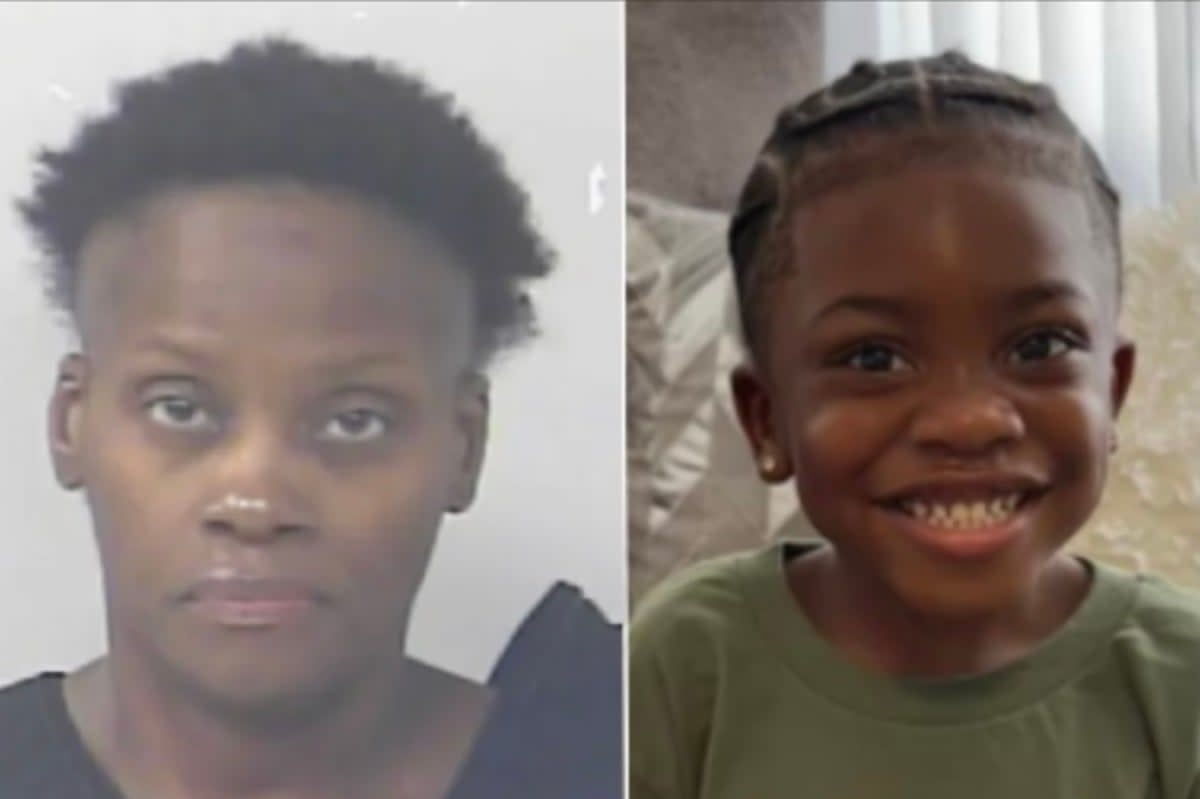
A deeply tragic and disturbing case has emerged from Florida, where a mother, Rhonda Paulynice, stands accused of killing her six-year-old son, Ra’myl Pierre, claiming that she was “told by God to exorcise demons out of the child’s body.” This heartbreaking event has shocked the local community and brought attention to the complex intersections of mental health, religious beliefs, and child welfare.
The incident, reported by the St. Lucie County Sheriff’s Office, raises profound questions about how such tragedies can be prevented and the challenges faced by law enforcement when confronting the darkest realities of human behavior.
The Incident and Immediate Aftermath
The case came to light when Ra’myl’s school requested a welfare check after the child had been absent for over two weeks. This absence raised concerns about his well-being, prompting authorities to visit the family home in Fort Pierce, located approximately two hours southeast of Orlando. Upon arrival, police found the boy deceased, lying on his bed. The grim discovery triggered a murder investigation.
Rhonda Paulynice, aged 31, was promptly charged with second-degree murder. Sheriff Richard Del Toro disclosed that Paulynice claimed she had been “told by God to exorcise demons out of the child’s body.”
According to the sheriff, she believed that the child had been possessed by evil spirits, and through her actions, she was attempting to rid him of these supposed demons. The disturbing belief continued even after the child had ceased moving, with Rhonda Paulynice reportedly feeling that Ra’myl had been freed from these demons and that she was waiting for him to come back.
Investigators estimate that Ra’myl died around May 18, with an autopsy ordered to determine the exact cause of death. Beyond the murder charge, Rhonda Paulynice also faces accusations of altering a dead body.
Read : 19-Year-Old Connor Lyons Stabbed His Mother to Death While She Was Sleeping
Authorities allege that she attempted to “preserve” her son’s body following his death, though details about this act have not been fully disclosed. The sheriff emphasized the emotional toll such cases take on law enforcement, particularly when children are victims of violent acts.
The Complexity of Mental Health and Religious Beliefs
This case highlights the complex and often dangerous overlap between severe mental health issues and religious or spiritual beliefs. Claims of “exorcism” or “demon possession” have a long history in various cultures and religions worldwide. While many communities have rituals or spiritual practices meant to address what they believe to be possession, these practices can sometimes lead to harm when misunderstood or taken to extremes.
Read : Ireland: The Only Nation in the World with a Musical Instrument as Its National Symbol
Mental health experts suggest that delusions of possession can be symptomatic of serious psychiatric disorders, including psychosis, schizophrenia, or severe depression with psychotic features. In such cases, individuals might genuinely believe they are receiving divine instructions or fighting evil forces, even though their perceptions do not align with reality. Without proper mental health intervention and support, these beliefs can escalate into harmful actions.
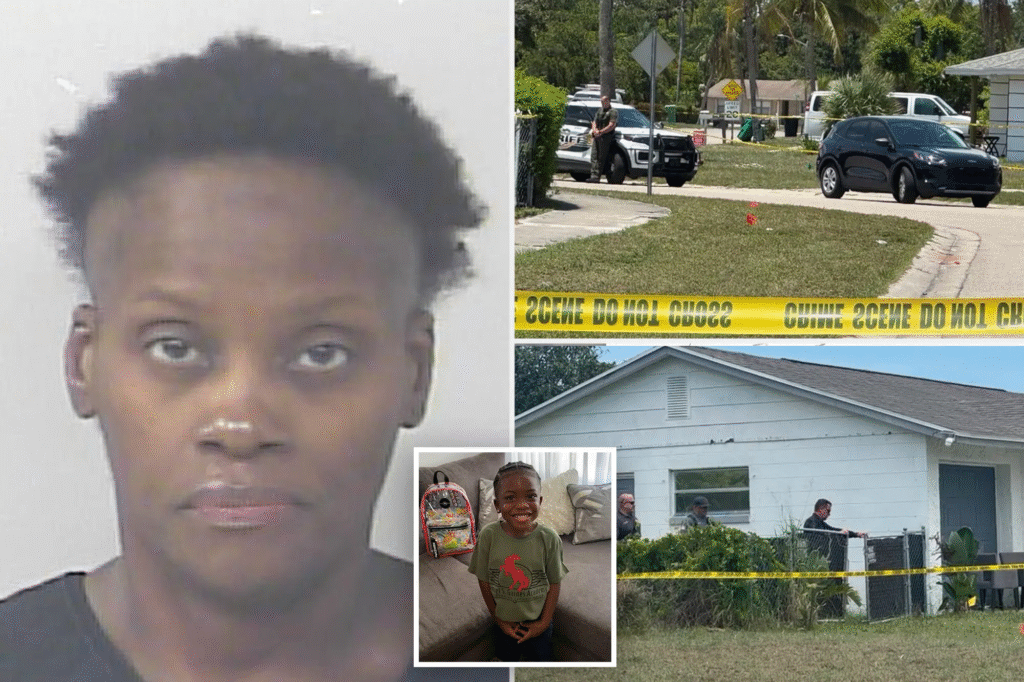
In the case of Rhonda Paulynice, the claim that she was “told by God” to perform an exorcism suggests a possible psychotic break or deeply disturbed state of mind. Whether or not Paulynice has a history of mental illness remains unclear, but the tragic outcome demonstrates the vital importance of mental health awareness and access to care, especially for parents responsible for young children.
Religious faith, while a source of comfort and guidance for many, can sometimes become intertwined with mental health challenges in ways that complicate treatment and prevention. Communities and healthcare providers must strive to understand these intersections sensitively, ensuring that individuals receive both spiritual support and appropriate medical care to protect themselves and those around them.
The Impact on the Community and Law Enforcement
The ripple effects of such a tragic event extend far beyond the immediate family. Sheriff Del Toro spoke openly about the trauma experienced by law enforcement officers who respond to these kinds of calls. Seeing the violent death of a child, especially under such horrific circumstances, leaves lasting emotional scars on deputies and investigators.
The sheriff described the incident as an example of “pure evil,” underscoring the difficulty officers face in reconciling their duty to uphold the law with the pain caused by human cruelty.
For the community, the loss of Ra’myl has been a source of sorrow and shock. Described as a child who “lit up the room” and was loved by everyone, Ra’myl’s death has left a void among his schoolmates, teachers, and neighbors. The school’s prompt concern that led to the welfare check reflects a community attentive to the well-being of its children, yet also highlights the challenges in recognizing and preventing abuse behind closed doors.

The incident calls attention to the role of community vigilance and the importance of child welfare services. Often, child abuse or neglect remains hidden until external signs prompt intervention. This case serves as a heartbreaking reminder of the urgent need for strong support systems, effective communication between schools and social services, and public awareness to identify and respond to at-risk children.
Reflections and the Way Forward
While the full details and motivations behind Rhonda Paulynice’s actions will come to light through the legal process, this tragedy prompts reflection on broader societal responsibilities. Mental health resources must be more accessible and destigmatized so that individuals struggling with harmful beliefs or psychological distress can seek help before tragedy occurs. Religious and community leaders can play an important role in bridging spiritual and mental health support, fostering environments where faith and care coexist without risking harm.
The criminal justice system will now address the legal aspects of this case, seeking justice for Ra’myl and his family. Meanwhile, the community and authorities must grapple with the emotional aftermath and work toward preventing future tragedies. It is a complex challenge but a necessary one — protecting children and supporting vulnerable families remains a fundamental societal duty.
This heart-wrenching story serves as a somber reminder of the fragility of life and the profound consequences when mental illness, misguided beliefs, and violence collide. May the memory of Ra’myl Pierre inspire greater compassion, awareness, and action to safeguard the most vulnerable among us.
Pretty! This was an extremely wonderful post.
Many thanks for providing this info.