
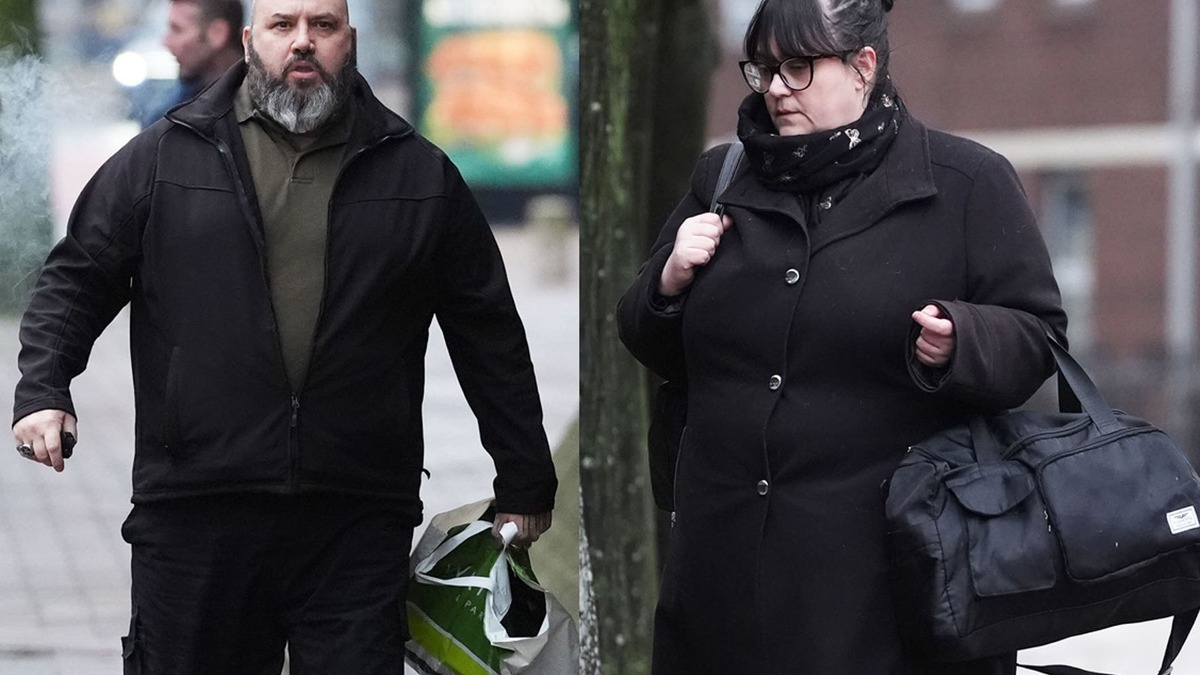
The imprisonment of funeral directors Richard Elkin and Hayley Bell has brought intense public attention to serious failures in the handling of human remains and the professional responsibilities of funeral service providers. The case exposed disturbing conditions inside a mortuary facility in Gosport, Hampshire, where multiple bodies were discovered in advanced stages of decomposition. Investigators uncovered prolonged neglect, structural disrepair, and misleading information given to grieving families. The revelations shocked relatives of the deceased and raised wider concerns about oversight, regulation, and ethical conduct within the funeral industry.
Elkin and Bell operated a funeral business responsible for the care and preparation of the deceased prior to burial or cremation. Families entrusted them with arrangements during moments of grief, expecting professional standards and dignity to be maintained. Instead, authorities discovered evidence of severe mismanagement and repeated failure to carry out essential duties. The case ultimately led to criminal convictions covering public nuisance, preventing lawful burial, and fraudulent business practices. The scale and duration of the misconduct transformed the matter from a regulatory concern into a major criminal prosecution.
The conditions came to light after enforcement agents entered the mortuary premises while seeking to repossess the building due to unpaid rent and financial debts. What they found revealed not only physical neglect but also systemic failure in the operation of the business. The mortuary environment lacked essential preservation measures, and investigators soon realised that several bodies had been left unattended for extended periods. The discovery triggered a police investigation that would uncover further evidence of misrepresentation, poor record keeping, and disregard for the obligations of funeral care.
Conditions Inside the Mortuary and Discovery of Decomposition
When enforcement officers entered the mortuary building, they encountered a space that had clearly deteriorated far beyond acceptable professional standards. Broken windows, structural damage, and ongoing water leaks created an environment unsuitable for the storage of human remains. Water dripped steadily from the ceiling, and the air was filled with a strong and unpleasant odour that indicated advanced decomposition. The absence of refrigeration was particularly alarming, as temperature control is essential for preserving bodies prior to burial or cremation.
Among the remains discovered was the body of an elderly man whose condition showed obvious signs of decomposition. Investigators concluded that he had been left in the mortuary without proper preservation for an extended period. The physical state of the room, combined with the lack of refrigeration and water damage from the leaking roof, had created conditions that accelerated deterioration. This discovery alone prompted serious concern, but further investigation revealed that the situation was not isolated.
Evidence presented during the trial showed that multiple bodies had been found in similarly advanced states of decomposition over time. At least five other known cases were identified in which remains had been left in unsuitable conditions for prolonged periods. These findings demonstrated a pattern of neglect rather than a single failure or oversight. Authorities determined that the mortuary had been operating without proper maintenance or supervision for an extended duration.
One of the most distressing revelations involved a family who had been informed that their relative had already been cremated. In reality, the body remained in the mortuary for more than a month after that statement had been made. The remains had not been processed or prepared as promised, leaving the family unaware that their loved one had not received the final arrangements they believed had taken place. This deception became a central part of the prosecution’s case, illustrating the emotional harm caused by misinformation.
Read : Funeral Home Owner Jon Hallford Sentenced to 40 Years for Abusing 189 Bodies
Investigators also uncovered inconsistencies in the explanations given by the funeral directors. At one stage, delays were attributed to pending insurance payments. Later, it was acknowledged that payment had been received but the cremation had not been arranged due to lack of time. These shifting explanations strengthened the argument that the delays were not unavoidable but resulted from mismanagement and failure to perform professional duties.
Read : People in the Area Were Seen Scrambling for Safety as Debris Fell from the Sky in China
The physical condition of the building further reinforced the conclusion that neglect had been ongoing. Structural deterioration had not been addressed, and essential equipment required for proper mortuary operations was either absent or not functioning. Investigators concluded that the premises had effectively ceased to meet the basic requirements for the respectful storage of the deceased long before authorities intervened.
Criminal Proceedings and Sentencing of the Funeral Directors
The criminal case against Richard Elkin and Hayley Bell focused on both the treatment of the deceased and the operation of their business. Prosecutors argued that the pair had failed to carry out lawful burial procedures, caused public nuisance through improper handling of remains, and operated their funeral service fraudulently over an extended period. Additional offences included the forgery of professional documentation and possession of prohibited items.
During the trial, evidence was presented showing that more than forty bodies had been in the care of the funeral business during the period under investigation. Families believed arrangements were progressing according to plan, but in several instances required procedures had not been completed. The prosecution argued that this pattern demonstrated systematic failure rather than isolated mistakes.
Victim impact statements played a significant role in the proceedings. Relatives described the distress caused by learning that their loved ones had not been treated with dignity. Many spoke of feelings of shock, anger, and lasting emotional trauma. The court heard that grief had been intensified by the knowledge that the remains of family members had been left in unsuitable conditions or that inaccurate information had been provided about their final arrangements.
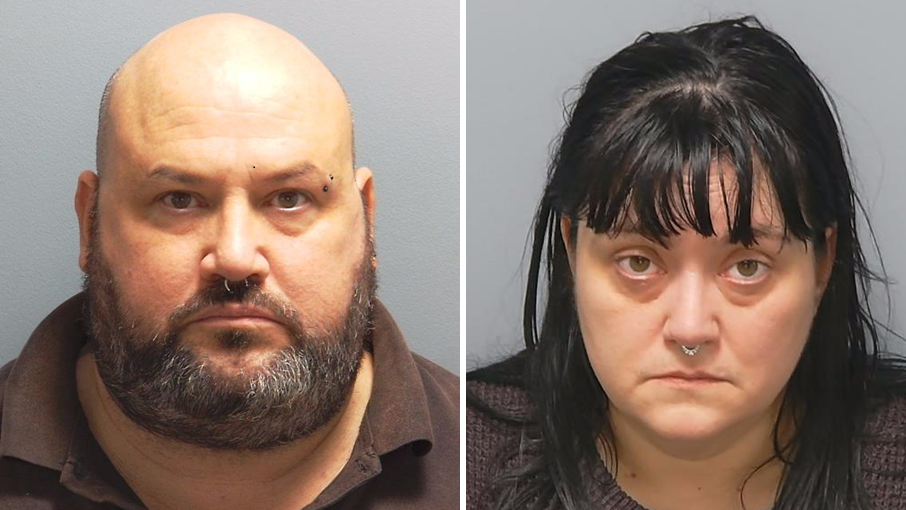
The judge emphasised that the offences caused profound and enduring harm to families who had placed trust in the funeral directors. The emotional impact was not limited to the discovery itself but extended to the lasting effect on how relatives remembered their loved ones and experienced bereavement. The court recognised that no sentence could fully reflect the seriousness of the harm or the value of those whose remains had been neglected.
Both defendants were sentenced to four years in prison and barred from acting as company directors for seven years. The sentencing reflected the prolonged nature of the misconduct and the significant number of families affected. The court also addressed the fraudulent aspects of the business, noting that misrepresentation and failure to carry out services had compounded the distress caused by the physical neglect of bodies.
The proceedings were marked by strong emotional reactions from victims and observers. Statements from affected families described a sense of betrayal that extended beyond individual wrongdoing to a broader loss of confidence in professional funeral care. The sentencing marked the conclusion of the criminal process but did not erase the emotional consequences experienced by those affected.
Impact on Families and Wider Implications for Funeral Services
The consequences of the case have extended far beyond the individuals directly involved. Families who entrusted the funeral business with the care of their loved ones have spoken about lasting psychological distress. For many, the knowledge that remains were neglected or mishandled altered their experience of grief. Some described feeling that the memory of their relatives had become inseparable from the circumstances of mistreatment.
The funeral profession carries a unique responsibility because it operates at moments of vulnerability and loss. Families rely on professionals to carry out sensitive duties with care, dignity, and transparency. When those expectations are not met, the impact can be profound and long lasting. The events uncovered in Gosport have therefore prompted broader discussion about trust within the funeral sector.

Questions have also been raised about oversight and regulation. While funeral services are subject to professional standards, enforcement mechanisms often depend on inspections, complaints, or reports of irregularities. In this case, the discovery of misconduct occurred only because enforcement agents entered the premises for financial reasons rather than regulatory monitoring. This sequence has led to debate about whether earlier intervention might have prevented the scale of neglect that ultimately occurred.
Financial instability within the business formed part of the context surrounding the misconduct. Unpaid rent and mounting debts led to the repossession process that triggered the discovery of the mortuary conditions. Observers have noted that financial distress can affect operational capacity, but the case demonstrated how such pressures can combine with poor management and lack of accountability to produce serious consequences.
The funeral industry has faced renewed scrutiny as a result of the case. Professional bodies and regulators have examined the events as an example of how failures in infrastructure, administration, and ethical responsibility can occur simultaneously. Discussions have focused on inspection regimes, licensing requirements, and standards for facilities used to store human remains.
Public reaction has reflected both shock and concern about the treatment of the deceased. Communities have followed developments closely, recognising the importance of ensuring that funeral services operate under effective oversight. The case has become a reference point in discussions about professional responsibility and the safeguarding of dignity after death.
The criminal convictions established legal accountability and imposed significant penalties, but the broader effects continue to shape conversations about regulation and public confidence. Investigators, professional organisations, and policymakers continue to examine the lessons arising from the case as the funeral sector confronts increased scrutiny and pressure to strengthen standards and monitoring practices.
The 345BetApp is pretty smooth. Easy to use and gets the job done if you wanna place some bets on the go. Give 345betapp a download!
7kGame has some quick games. If you like faster gameplay, I recommend checking out 7kgame!
Who doesn’t love free stuff? Lucky Casino Gratis has some free plays and bonuses if you’re lookin for a low-risk way to try things out. Check out lucky casino gratis!
Alright, checked out play789club. It’s got a decent selection of games. Nothing groundbreaking, but solid fun. I’d say give it a shot if you’re looking for something new. Find them here: play789club
Just spent some time on vb777vb77. The site’s pretty slick and easy to navigate. Games load up fast too, which is always a plus. Definitely worth a look-see. Check it out here: vb777vb77
Gotta say, stake777casino is doing things right. Impressive game variety and the bonuses are pretty sweet too. I’m liking what I see. See for yourself: stake777casino