
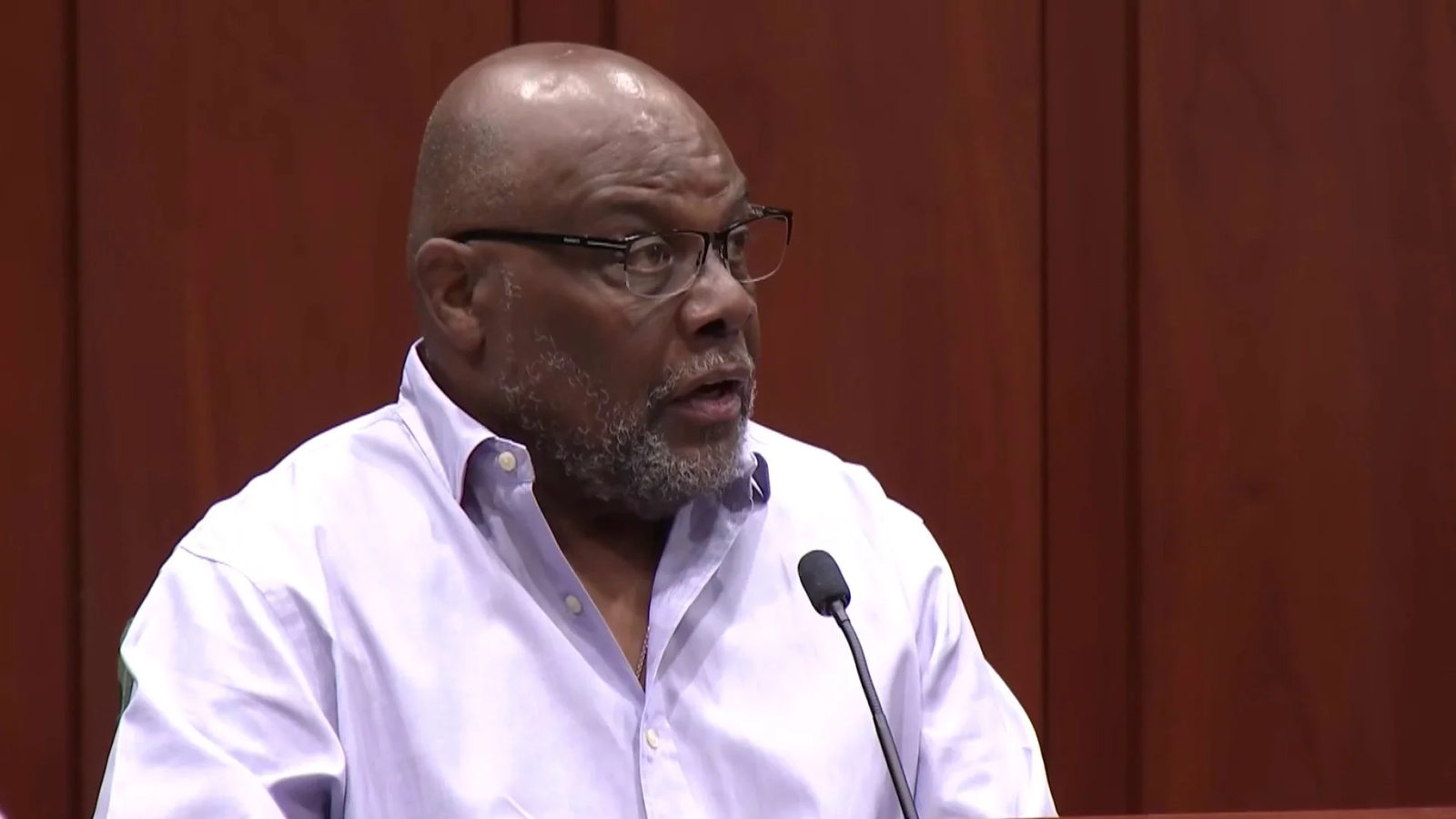
The sentencing of a Central Florida father to 37 years in prison has brought a painful and long-running legal case to a decisive conclusion, but it has done little to ease the profound grief left in the wake of a devastating crash that claimed four lives. The case centers on Richard Ferguson, who was convicted of manslaughter after prosecutors established that he allowed his teenage son to drive a vehicle without proper authorization or supervision, ultimately leading to a fatal collision in 2023.
The crash took the lives of three children and their grandmother, leaving an entire family permanently fractured and raising difficult questions about parental responsibility, legal accountability, and the consequences of negligence behind the wheel. The courtroom proceedings leading up to Ferguson’s sentencing were marked by emotional testimony, competing arguments over justice and mercy, and deeply personal victim impact statements that illustrated the magnitude of the loss.
Prosecutors argued that the deaths were preventable and that Ferguson’s decision to permit an unlicensed minor to drive constituted a grave failure of judgment. The defense, meanwhile, appealed for leniency, citing Ferguson’s advanced age and serious medical conditions, including stage four prostate cancer. Ultimately, the court imposed a lengthy sentence that many observers say reflects the severity of the tragedy and the irreversible damage caused by one decision made on a single night.
For the victims’ family members, the sentence represents the conclusion of a long and painful wait for legal resolution. For Ferguson and his own relatives, it marks the beginning of what may be the remainder of his life behind bars. The case stands as a stark reminder of how quickly ordinary circumstances can turn catastrophic when responsibility is neglected and safety is disregarded.
The Crash That Changed Multiple Lives Forever
The events that led to the sentencing began on September 3, 2023, at the intersection of San Miguel Road and Laurel Avenue. On that evening, Ferguson’s son, then just 15 years old, was driving a vehicle despite not holding a permit or license. According to investigators, the teen failed to stop at a two-way stop sign, causing a violent collision with another vehicle occupied by a grandmother and three children. All four occupants of that vehicle died as a result of the crash.
Authorities later determined that the teenager had been allowed access to the vehicle by his father without supervision. Prosecutors argued that this decision directly contributed to the chain of events that ended in the fatal collision. The car, they emphasized, became dangerous not because of mechanical failure or unpredictable circumstances, but because it was placed in the hands of an unqualified driver.
The scale of the loss was devastating. The crash eliminated three young lives and that of the children’s grandmother in a single moment, leaving surviving relatives to grapple with an absence that touched every aspect of daily life. For the victims’ mother, the grief was multiplied by the unimaginable reality of losing multiple children simultaneously. In court, she described a pain that defies comparison, emphasizing that no human experience could mirror the loss she had endured.
The emotional toll extended beyond immediate family members. Extended relatives spoke about the sudden disappearance of shared routines, celebrations, and milestones that would never occur. Birthdays, graduations, and simple daily interactions became reminders of what had been taken. The crash did not merely end lives; it reshaped the emotional landscape of an entire family network.
Read : Woman Gets More Jail Time Than Rapist After She Insults Him in Germany
Legal proceedings against the teen driver also moved forward. He ultimately accepted a plea agreement and was ordered to remain in custody until the age of 19, contingent upon good behavior. However, the focus of the more serious criminal case shifted toward Ferguson himself, whose actions prosecutors argued created the conditions for the tragedy.
Courtroom Testimony and the Struggle Between Accountability and Mercy
The trial and sentencing hearings brought forward sharply contrasting portrayals of Richard Ferguson. Prosecutors presented him as a man whose negligence had lethal consequences. They emphasized that allowing an unlicensed minor to operate a vehicle was not a minor oversight but a fundamental breach of responsibility with foreseeable risks. The argument centered on accountability: four deaths, they said, required a sentence that reflected the seriousness of the harm.
Victim impact statements formed some of the most powerful moments in the courtroom. Family members described lives abruptly interrupted and futures erased. One relative spoke of the car becoming a weapon when placed in the wrong hands. Others expressed the belief that the maximum possible sentence was the only just response to the scale of the loss. Their words conveyed both grief and a determination to see meaningful legal consequences imposed.
The defense presented a markedly different narrative. Ferguson’s attorney urged the court to consider his medical condition and advanced age. With stage four prostate cancer and other serious health problems, the defense argued that a lengthy prison term would effectively become a life sentence. They maintained that incarceration would limit his access to necessary medical treatment and urged the court to impose a reduced sentence on humanitarian grounds.
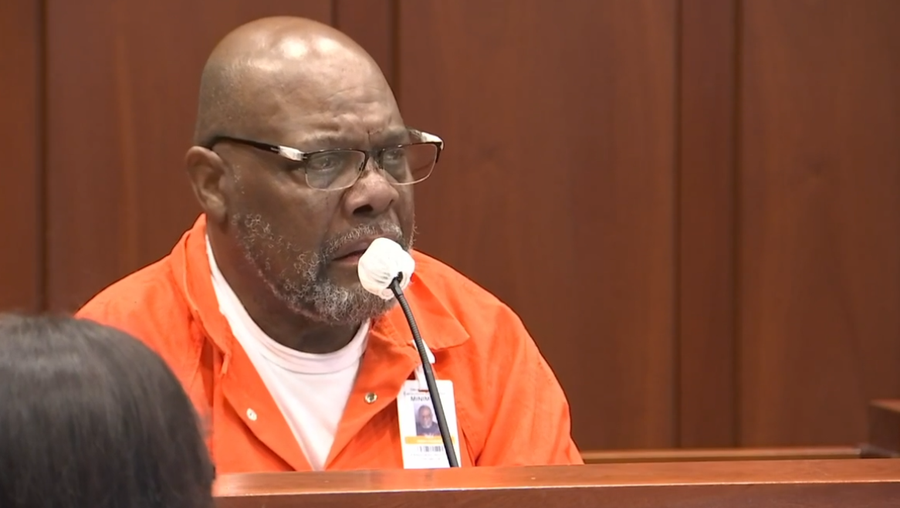
Family members of Ferguson also testified, describing him as compassionate, generous, and devoted to his children. His daughter characterized him as someone who believed deeply in family and responsibility, while acknowledging the tragedy that had occurred. Other relatives expressed sympathy for the victims’ family and asked the court to consider Ferguson’s health when determining punishment.
Ferguson himself addressed the court, delivering an emotional apology. He described himself as a deeply broken man and said the tragedy had shattered not only the victims’ family but his own as well. He expressed profound sorrow and said he would carry grief and regret for the rest of his life. His statement was marked by visible emotion, yet it did not persuade all those present.
Some victims’ relatives openly criticized him for what they viewed as insufficient accountability. One family member said he had failed to fully accept responsibility, expressing anger that words of apology could not compensate for irreversible loss. The courtroom atmosphere reflected a broader tension between compassion for a remorseful elderly defendant and the demand for justice following an extraordinary tragedy.
Sentencing, Justice, and the Long Aftermath
After considering testimony from both sides, the court sentenced Richard Ferguson to 37 years in prison. Given his age, the sentence is widely expected to mean he will spend the remainder of his life incarcerated. Prosecutors argued that the severity of the outcome was justified by the magnitude of the loss and the preventable nature of the crash. The court’s decision reflected a judgment that the responsibility borne by Ferguson warranted a substantial penalty.
Read : 23-Year-Old Lucy Harrison Shot Dead by Father After Argument Over Donald Trump
The sentencing followed an earlier jury verdict that found him guilty on four counts of manslaughter. When the verdict was read, members of the victims’ family reacted with visible emotion, many expressing relief that the legal process had reached a conclusion after more than two years. For them, the outcome represented a form of justice, even if it could not restore what had been lost.
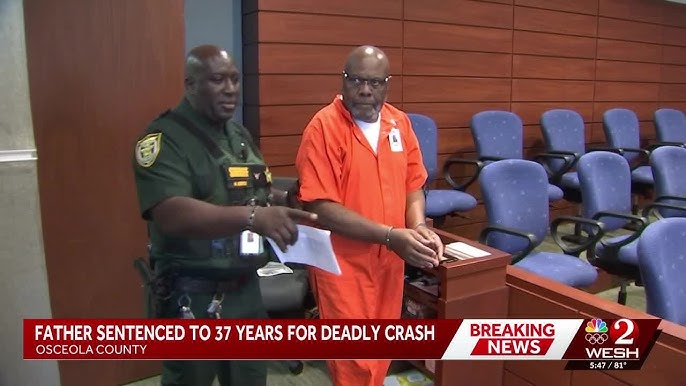
Ferguson retains the right to appeal his sentence within 30 days. Whether such an appeal will alter the outcome remains uncertain, but the legal process may not yet be fully complete. Regardless of future proceedings, the sentence has already established a significant legal precedent in emphasizing parental responsibility when minors are allowed access to vehicles without proper authorization.
Beyond the courtroom, the effects of the crash continue to shape the lives of everyone involved. The victims’ relatives face an ongoing process of grief that extends far beyond the legal resolution. Everyday experiences remain marked by absence, and memories of the crash remain deeply embedded in family history.
For Ferguson’s family, the sentence represents a different kind of loss. They now face the prospect of a loved one spending his remaining years in prison, while also living with the knowledge that his actions contributed to the deaths of four people. Their expressions of sympathy toward the victims coexist with their own sorrow and concern.
The case has also drawn broader attention to issues of supervision, responsibility, and the legal consequences of allowing minors to operate vehicles without proper training or authorization. While traffic accidents involving unlicensed drivers are not uncommon, the scale of this tragedy has intensified public awareness of the risks involved.
The story of the crash and its aftermath illustrates how a single decision can produce far-reaching consequences that unfold over years. Court proceedings, emotional testimony, and the final sentencing represent only one dimension of an event that permanently altered multiple lives. The families affected now continue forward on separate but equally difficult paths shaped by loss, accountability, and the enduring impact of one irreversible moment.
Yo, just tried jitawinapp and it’s pretty slick. Easy to navigate and I found some cool games I haven’t seen before. Definitely worth checking out! Get your game on at jitawinapp
Hey there! Checked out mx333casino because someone recommended, and it’s pretty good. If you get a chance go see what the buzz is all about. Click here mx333casino for more details!
Been playing on jii747 for a bit now and I gotta say, I’m hooked. The games are on point and the payouts are decent. Give it a shot! jii747