

A Richfield, Minnesota, man is facing 14 criminal charges after authorities say he repeatedly targeted women by throwing water balloons at them from a moving vehicle over several months. Prosecutors allege the incidents were not isolated pranks but part of a pattern of behavior that escalated into bias-motivated assaults, prompting a broader police investigation and community concern. The case, now filed in Hennepin County, has drawn attention to how seemingly minor acts can have deeper implications when repeated and directed at a specific group.
According to court documents, the alleged attacks occurred between May and November and involved nearly a dozen women in Richfield and nearby areas. Investigators say all identified victims were female, a factor that led prosecutors to include assault motivated by bias among the charges. Several women who initially dismissed the incidents as harmless or childish later came forward after realizing others had experienced similar encounters.
Their collective reports helped authorities piece together a timeline and identify a suspect vehicle believed to be involved in each incident. The charges mark the culmination of months of reports, online discussions, and police follow-up, turning what many initially perceived as a bizarre nuisance into a serious criminal case with potential legal consequences.
Incidents That Sparked Police Action
One of the first reported incidents involved a Richfield resident identified as Caitie, who said she was struck by a water balloon while jogging last month. According to her account, the balloon was thrown from a passing car, catching her off guard and momentarily leaving her unsure how to react. She described her initial response as confusion rather than fear, noting that the act felt more like a prank than an attack.
Caitie later learned that the individual accused of throwing the balloon was not a teenager but a man believed to be in his late 40s or 50s. That detail changed how she viewed the encounter and ultimately influenced her decision to report it to police. While she acknowledged that making a report felt unusual at the time, she said it seemed important to document the incident.
After contacting Richfield police, Caitie shared her experience on social media. The response was immediate and unexpected. Numerous women commented on her post, describing similar experiences involving water balloons thrown from a car in the same area. Some said they had been walking, jogging, or going about their daily routines when they were suddenly struck.
Among those who responded was Tricia Lortson, who said she was walking southbound on Lyndale Avenue South when she was hit by a yellow water balloon. She recalled feeling startled and momentarily stunned, describing the impact as harder than she would have expected. Like Caitie, Lortson initially laughed it off and did not contact police, believing it to be a random and harmless incident.
However, after seeing the social media post and realizing that other women had been targeted in a similar way, Lortson reconsidered. She later spoke with an officer and provided details about her encounter. While she said the incident did not cause physical injury, she acknowledged that learning about the broader pattern made her reassess what had happened.
Read : North Korea Says They Will Stop Sending Trash-Filled Balloons to South Korea Only If…
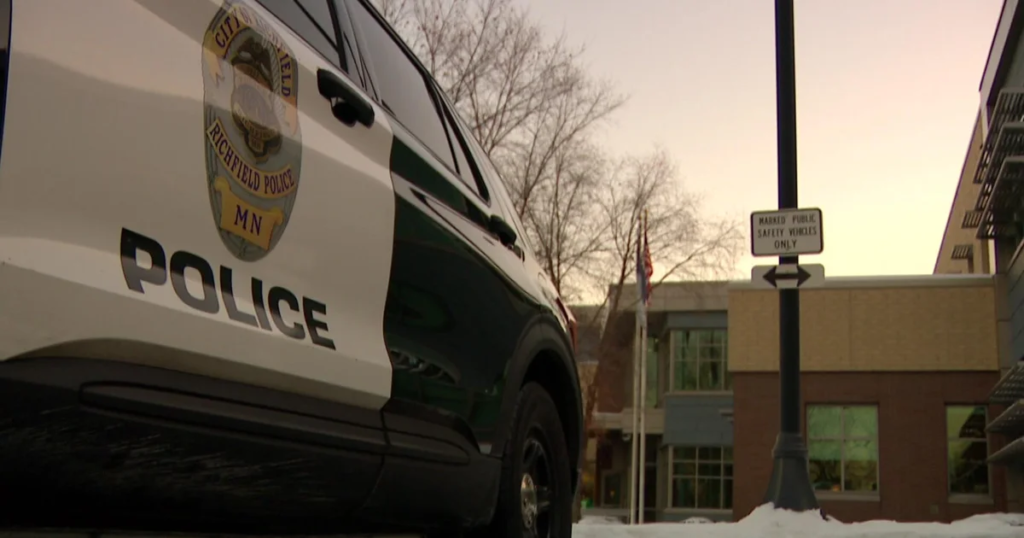
Police reports indicate that after the initial complaint, investigators identified nine additional victims in Richfield alone. All reported being hit by water balloons thrown from what appeared to be the same vehicle. The consistency of the reports, combined with their geographic proximity and time frame, led police to believe the incidents were connected.
Pattern of Targeting and Investigation Findings
Court documents describe the suspect vehicle as a dark, four-door sedan with noticeable front-end damage. Witnesses across multiple incidents provided similar descriptions, strengthening investigators’ belief that a single individual was responsible. The reported attacks occurred at different times of day but shared common elements, including the manner in which the water balloons were thrown and the locations where women were walking or jogging alone.
Investigators noted that all identified victims were women, a key factor in the decision to pursue charges related to bias-motivated assault. In Minnesota, such charges can apply when a person intentionally targets victims based on protected characteristics, including gender. Prosecutors argue that the repeated nature of the acts and the exclusive targeting of women demonstrate a clear pattern rather than random behavior.
The investigation expanded beyond Richfield after WCCO spoke with a woman from Minneapolis who said she had been harassed multiple times this year by a man driving a car matching the same description. While details of those encounters have not been fully outlined in court filings, the claim raised further concerns that the alleged behavior may not have been confined to one city.
Law enforcement officials worked to identify the suspect through vehicle descriptions, victim statements, and other investigative methods. Once a suspect was identified, prosecutors filed 14 charges, reflecting the number of incidents and the severity assigned to each alleged act. These charges include multiple counts of assault, with at least one count specifically citing bias motivation.
Authorities emphasized that while water balloons may not typically be associated with serious criminal conduct, the legal system considers context, intent, and pattern of behavior. Repeatedly striking unsuspecting individuals from a moving vehicle can pose safety risks and, when directed at a specific group, may meet the legal threshold for more serious charges.
Legal History and Broader Implications
Court records reveal that the man charged in this case has a prior felony conviction dating back to 2012 for soliciting prostitution. While that conviction is not directly related to the current charges, it is part of the defendant’s criminal history and may be considered during court proceedings, depending on how the case progresses.
The filing of bias-motivated assault charges has sparked discussion within the community about how the justice system addresses repeated low-level offenses that collectively create fear or intimidation. Several of the women involved said they did not initially view the incidents as crimes worth reporting. It was only after learning that others had been targeted that they began to see the behavior as more concerning.
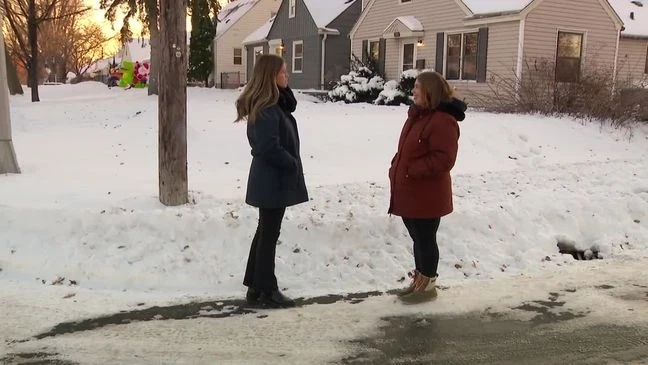
Police and prosecutors have noted that community reporting played a significant role in building the case. Social media posts helped connect victims who otherwise may never have realized their experiences were part of a larger pattern. Those connections encouraged additional reports, giving investigators the information needed to pursue formal charges.
From a legal standpoint, the case highlights how intent and repetition can elevate acts that might otherwise be dismissed. Prosecutors argue that the alleged conduct was deliberate and sustained over months, transforming what could be perceived as pranks into actions with criminal consequences. The inclusion of bias-related charges underscores the seriousness with which authorities are treating the allegations.
As the case moves forward in Hennepin County, the accused man will have the opportunity to respond to the charges in court. The outcome will depend on evidence presented, witness testimony, and judicial interpretation of the law. For the women involved, the filing of charges represents acknowledgment that their experiences were taken seriously and investigated thoroughly.
The case also serves as a reminder of the importance of documenting and reporting incidents, even when they initially seem trivial. In this instance, individual reports combined to reveal a pattern that may have otherwise gone unnoticed. While the legal process will determine responsibility and consequences, the investigation has already shed light on how repeated acts, when directed at a specific group, can carry significant legal and social weight.