
Once known as the industrial heart of England, Birmingham is now facing a very different kind of crisis—one that is both a public health emergency and a symptom of deeper systemic failure.
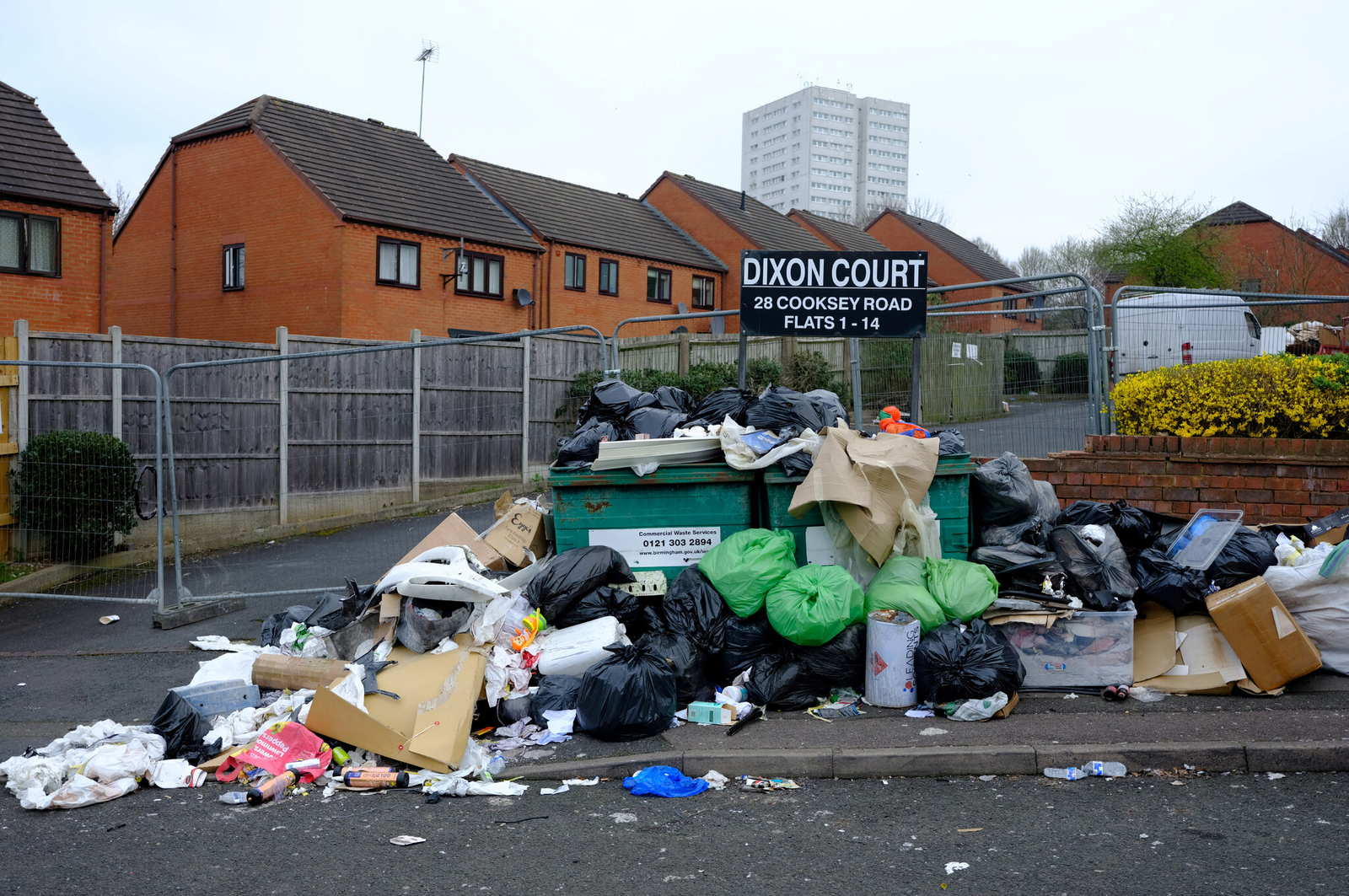
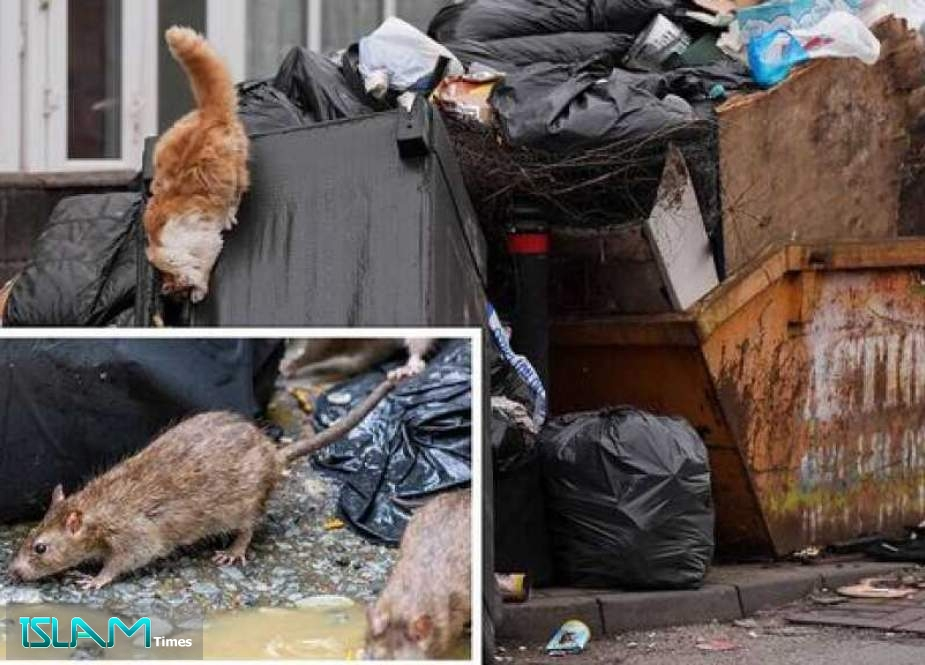
Overflowing bins, rotting food, and mounds of black plastic bags have become part of the city’s daily scenery, attracting rodents of shocking size and scale. As Garbage Collectors Strike continues, residents and pest controllers alike are sounding the alarm.
Among them is Will Timms, a local pest controller whose phone hasn’t stopped ringing. According to Timms, calls from distressed homeowners reporting rats and cockroaches have spiked by more than 50% since the beginning of the strike. The sight and stench of Birmingham’s garbage crisis are unmistakable.
In neighborhoods such as Balsall Heath, refuse piles have been torn open by scavenging rodents, which have found both food and shelter in the decaying remains of uncollected waste. “That’s a five-star restaurant for them and they’ve got a hotel to go with it,” Timms grimly observed.
This is not a minor inconvenience. It’s a major health hazard and a sign that a once-prosperous city is at a breaking point.
The Heart of the Dispute: Pay Cuts and Broken Trust
At the center of the current crisis is a bitter labor dispute between Birmingham’s garbage collectors and the city council. Nearly 400 waste collection workers are on strike in protest of the council’s decision to eliminate a particular role within their ranks.
This move, the workers argue, essentially demotes some employees and freezes others in place, blocking their pay progression. In the worst cases, affected staff could lose up to £8,000 ($10,390) annually.
Unite, the union representing the workers, has accused the council of failing to protect fair labor practices and adequate compensation for one of the city’s most physically demanding and often underappreciated jobs. “It is a dangerous job, it’s a dirty job, it’s an extremely physically demanding job … so people deserve to be properly rewarded for it,” said Onay Kasab, a national officer at Unite.
🇬🇧 Meanwhile in broken Britain
— Concerned Citizen (@BGatesIsaPyscho) April 1, 2025
“The massive piles of rubbish are moving because of the number of rats”
The British Commie Labour Government are taking the UK back to the dark ages, complete with bubonic plague, as bankrupt councils cant afford to pay Bin Men & Cities become… pic.twitter.com/kk6X29wUPi
The council disputes the union’s figures and claims it has offered alternative positions and retraining programs. It maintains that the changes are essential for modernizing the waste collection service and ensuring the financial sustainability of the city. But for the striking workers, such reassurances ring hollow, especially after years of seeing local services stretched thin.
Initially, the strikes were sporadic. However, since March 2025, they’ve become indefinite, meaning some areas of the city haven’t seen a garbage collection in weeks.
Only a limited number of trucks—manned by agency staff and non-striking workers—remain in operation. This drastic reduction in manpower has made it impossible for the city to keep up with the accumulation of waste.
A City on the Brink: Financial Collapse and Growing Pressures
The garbage crisis is just one manifestation of Birmingham’s broader financial troubles. In late 2023, the city council issued a Section 114 notice—a formal admission that it could no longer balance its budget. The move essentially amounted to a declaration of bankruptcy, freezing all spending except for essential services.
At the root of the financial collapse lies an equal pay dispute dating back many years. The city must now pay hundreds of millions in compensation to mostly female employees who were historically underpaid in comparison to their male counterparts. The resulting liabilities have pushed the city into fiscal ruin.
But the equal pay settlement is just one part of the puzzle. Birmingham’s financial challenges have been worsened by increasing demand for public services, rising operational costs, and a steady decline in government funding.
Since 2010, central government grants to local councils have fallen significantly, and according to the Institute for Fiscal Studies, council funding per resident in England is now 18% below what it was fifteen years ago.
These pressures are not unique to Birmingham, but the city’s specific combination of financial mismanagement, outdated service structures, and political friction has made it especially vulnerable. Residents are paying the price—not just in uncollected trash but in deteriorating public services across the board.
Solidarity and Struggle: Brummies in the Face of Crisis
Despite the grim circumstances, there remains a deep sense of solidarity among Birmingham’s residents, often referred to as “Brummies.” People are angry, frustrated, and embarrassed by the state of their city, but many still speak with pride about their community.
Pest controller Will Timms, while overwhelmed by the sheer scale of the rodent problem, remains fiercely loyal to his hometown. “I am fuming (about) the way the city is looking,” he said. “It’s affecting everybody’s health. But Brummies, there seems to be like a solidarity between us, and it’s fantastic. I love Birmingham to bits.”
The resilience of Birmingham’s people, however, should not be mistaken for indifference. In areas like Sparkhill and Selly Oak, residents are increasingly vocal about the impact of the crisis. “There’s rubbish everywhere, rats everywhere … (they’re) bigger than cats,” one passer-by, Abid, told CNN in disbelief. “This is Britain. This is 2025. What’s going on?”
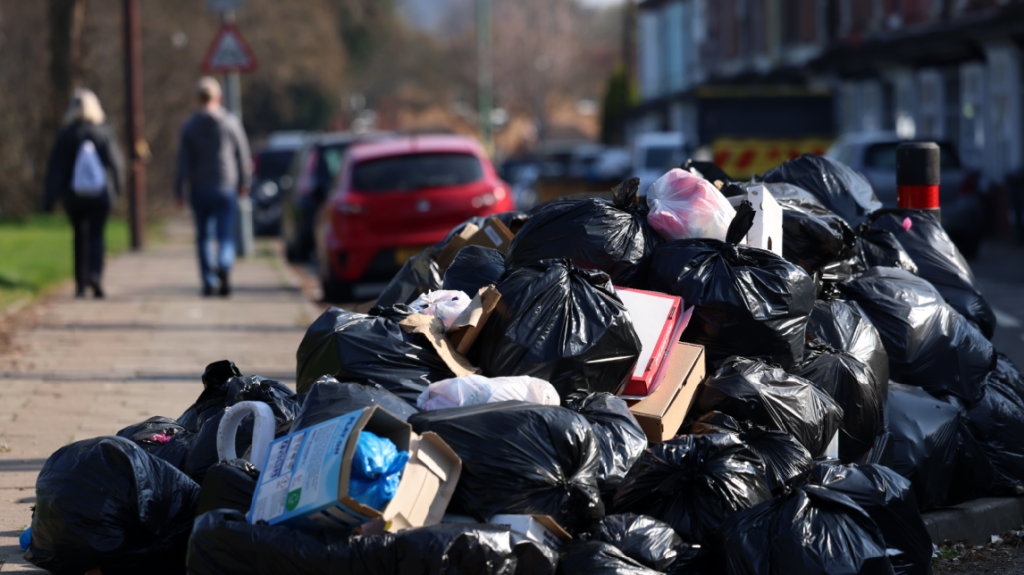
Indeed, the idea that a major British city—one that helped drive the Industrial Revolution and inspired a globally acclaimed TV series like “Peaky Blinders”—could find itself overrun by rats and unable to collect its own waste is staggering. It’s a sharp contrast to the polished image Britain likes to project on the world stage.
Local government officials have recently declared a “major incident,” a designation that allows them to deploy additional resources, such as extra garbage trucks and emergency cleanup crews. But the deeper issues remain unresolved.
Protesters have even blocked access to waste depots, further hampering collection efforts. The standoff between workers and the council shows no signs of letting up, and as temperatures rise in the spring months, so does the threat of disease and environmental decay.
More Than a Rat Problem
The sight of oversized rats scurrying through garbage heaps in Birmingham is not just a shocking visual; it’s a reflection of a much deeper malaise. The strike has illuminated the critical role that sanitation workers play in keeping our cities livable and safe.
It has also exposed how fragile public infrastructure can become when financial mismanagement, austerity, and neglect converge. Birmingham is a proud city with a rich history and strong community spirit.
But even the most resilient cities have their limits. Unless meaningful dialogue and compromise are achieved between the striking workers and the city council—and unless long-term structural reforms are made to strengthen local governance and funding—what’s happening in Birmingham today could be a warning sign for other cities tomorrow.