
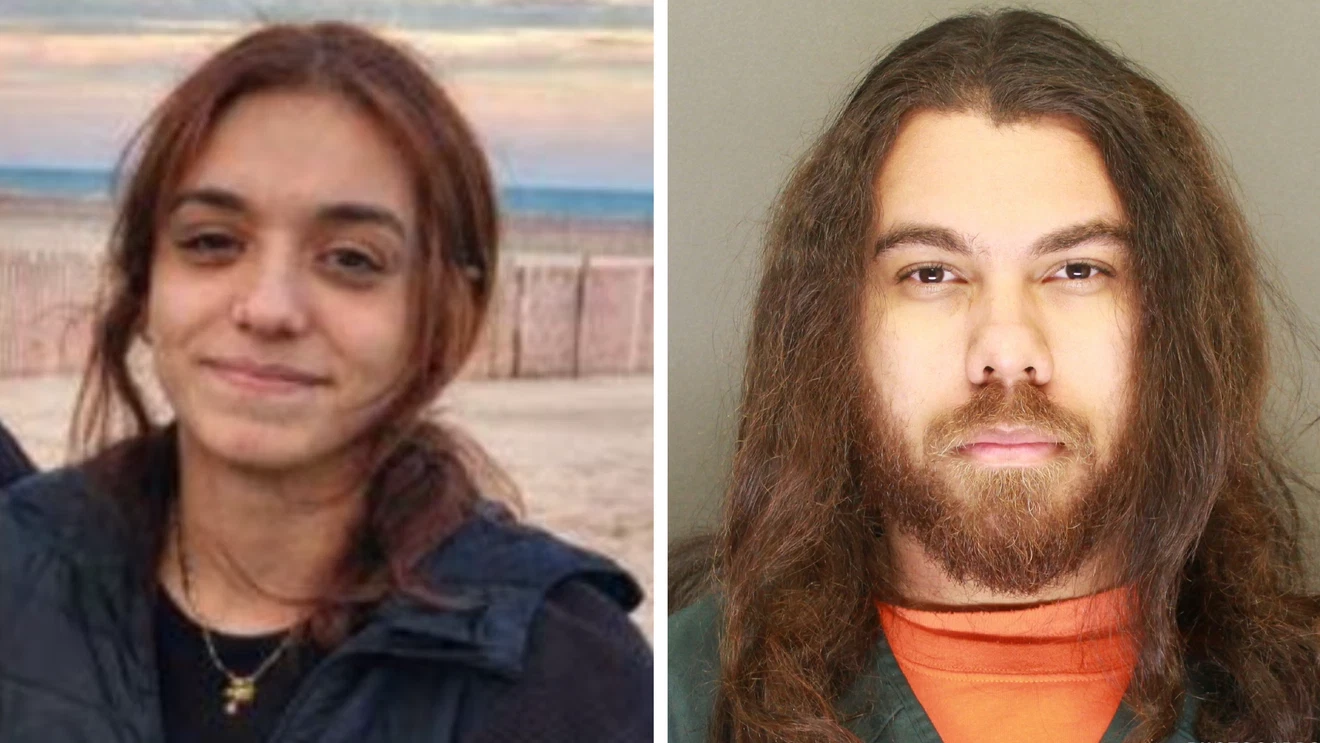
The discovery of Gabriella Cartagena’s body in a wooded area of Michigan has brought a tragic end to a case that began with a desperate plea for help and days of uncertainty for her family. The 24-year-old Wisconsin woman vanished after making a distressing phone call that left loved ones fearing for her life. Her disappearance quickly escalated into a multi-state investigation that now centers on her boyfriend, Robert Chilcote, who is in custody as authorities work toward filing formal homicide charges.
Gabriella Cartagena’s death has drawn attention not only because of the chilling circumstances surrounding her final hours but also because of the rapid sequence of events that followed her disappearance. From the alarming phone call that prompted concern to the eventual recovery of her body across state lines, investigators have pieced together a timeline that paints a grim picture of what may have occurred. Officials believe she was killed in Wisconsin and later transported to Michigan, a conclusion supported by evidence gathered through surveillance footage and digital tracking.
As law enforcement agencies continue to pursue justice, the case has also left a grieving family searching for answers while attempting to cope with a sudden and devastating loss. The investigation remains active, with prosecutors awaiting autopsy results before filing formal homicide charges. Meanwhile, Robert Chilcote remains in custody, and the extradition process is underway to bring him back to Wisconsin.
The timeline of disappearance and the desperate call for help
Gabriella Cartagena was last seen on the evening of February 4 at her home in Marinette, Wisconsin. According to authorities, she was seen around 5 p.m., and within a little over two hours, events unfolded that would permanently alter the lives of those who knew her. At approximately 7:20 p.m., she made a phone call to her mother that would become central to the investigation.
During that call, family members reported hearing Cartagena in extreme distress. According to their account, she cried out, pleading for her life and apologizing while saying, “Please don’t shoot me. I’m sorry.” The call abruptly ended, and her family was left with no further contact from her. Concern escalated rapidly, and by the following day, she had been reported missing.
Investigators soon began retracing her last known movements. Family members indicated that Cartagena had been with her boyfriend, Robert Chilcote, at Red Arrow Park in Wisconsin around the time she disappeared. When officers responded to the park following the missing persons report, they discovered evidence that raised immediate alarm. Signs of blood and disturbances in the area suggested that a violent incident may have taken place there.
Authorities treated the park as a crime scene from the outset. The presence of physical evidence indicated that Cartagena’s disappearance was not voluntary and likely involved foul play. As investigators began processing the scene, attention quickly turned to Robert Chilcote, who had reportedly been with her shortly before she vanished.
Read : CBP Supervisor Andres Wilkinson Charged With Harboring Undocumented Girlfriend and Niece
The search for Cartagena continued for several days, with law enforcement working to identify her whereabouts. Surveillance footage from nearby businesses and analysis of cell tower data became key components of the investigation. These tools allowed investigators to track Robert Chilcote’s movements after Cartagena’s disappearance, providing a critical lead that eventually directed authorities across state lines.
Read : Wildlife Officials in the U.S. Are Planning to Kill 450,000 Barred Owls to Save Spotted Owls
Five days after the distressing call, search efforts led investigators to a wooded area off Birch Creek Road in Menominee County, Michigan. The area had been searched repeatedly before Cartagena’s body was finally located. Officials believe she had been killed elsewhere and transported to the location where her remains were found.
Investigation, pursuit, and arrest across state lines
As investigators worked to determine what had happened to Cartagena, Robert Chilcote emerged as a person of interest. Law enforcement agencies began tracking his movements soon after identifying him as the last person known to have been with her. Their efforts led them to Minnesota, where he was located on February 5. Authorities attempted to apprehend Chilcote, but the encounter quickly escalated into a high-speed pursuit.
The chase lasted approximately 16 minutes and reached speeds of up to 100 miles per hour before he was taken into custody. Officials later confirmed that several firearms were found inside his vehicle at the time of his arrest. It remains unclear whether any of those weapons were used in connection with Cartagena’s death. Chilcote’s presence in Minnesota raised additional questions for investigators.
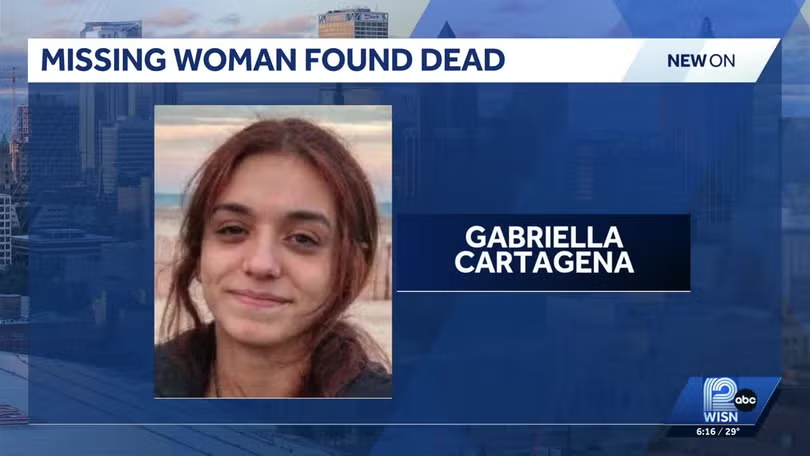
According to police, he had no known ties to the state, which made his travel there following Cartagena’s disappearance particularly notable. His arrest marked a major development in the case, but at that point, Cartagena had not yet been located. In the days following his arrest, investigators continued analyzing digital and physical evidence to trace his movements. Surveillance footage and cell tower data played a crucial role in narrowing down potential locations connected to the case.
These efforts ultimately led authorities to the wooded area in Michigan where Cartagena’s body was discovered. Police believe the killing occurred at Red Arrow Park and that her body was later transported across state lines. This theory aligns with evidence found at the park and the subsequent tracking of Chilcote’s movements. Investigators have indicated that they do not believe anyone else was involved and consider Chilcote the sole suspect in the case.
Following his arrest, Chilcote was held on a $100,000 bond in Minnesota. He faces charges there related to fleeing a peace officer in a motor vehicle and being a fugitive from justice from another state. Those charges are separate from the anticipated homicide charges in Wisconsin, which are pending the results of Cartagena’s autopsy.
Legal proceedings and the impact on family and community
While investigators have publicly identified Chilcote as the primary suspect, prosecutors are awaiting key medical findings before formally filing homicide charges. The Marinette County District Attorney’s Office has confirmed that the autopsy results will play a central role in determining the specific charges to be brought. At the same time, the legal process to extradite Chilcote from Minnesota to Wisconsin is already underway.
Authorities have not publicly identified a motive in the case. According to police, Cartagena and Robert Chilcote lived together in Marinette, and there were no prior domestic disturbance reports involving the couple. The absence of documented incidents has added another layer of uncertainty to the investigation, leaving many questions unanswered about what led to the fatal events.
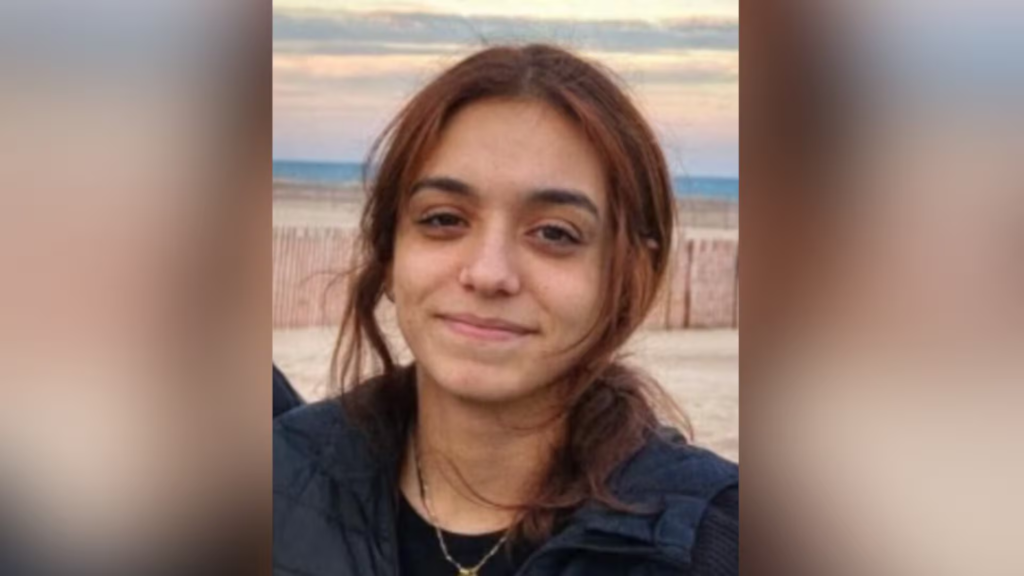
Law enforcement officials have emphasized their commitment to pursuing justice and ensuring public safety. Investigators continue reviewing evidence and conducting necessary procedures as the case progresses through the legal system. Officials have also stated that they do not believe there is any ongoing threat to the community.
For Cartagena’s family, the focus has shifted from searching for her to grieving an irreplaceable loss. She had moved to Marinette from the Milwaukee area approximately a year before her death, settling there with family members. She leaves behind a three-year-old daughter from a previous relationship, a fact that has deeply affected those closest to her.
A fundraising effort organized by her brother reflects the emotional impact of her death on the family. According to the campaign, relatives are still struggling to process the sudden loss and the circumstances surrounding it. The abrupt transition from hope during the search to confirmation of her death has left loved ones confronting both grief and unanswered questions.
Community members have also reacted to the case with concern and sorrow. The discovery of her body and the details of her final hours have drawn attention across the region, particularly given the cross-state nature of the investigation. Local officials have acknowledged the emotional toll such cases can have on both families and the broader community.
As legal proceedings move forward, investigators continue to build their case while awaiting final medical findings. The extradition process and pending charges represent the next phase in a case that began with a single phone call and unfolded into a complex investigation spanning multiple states. The outcome of the legal process will determine the formal resolution of the case, but for Cartagena’s family, the loss remains immediate and deeply personal.