
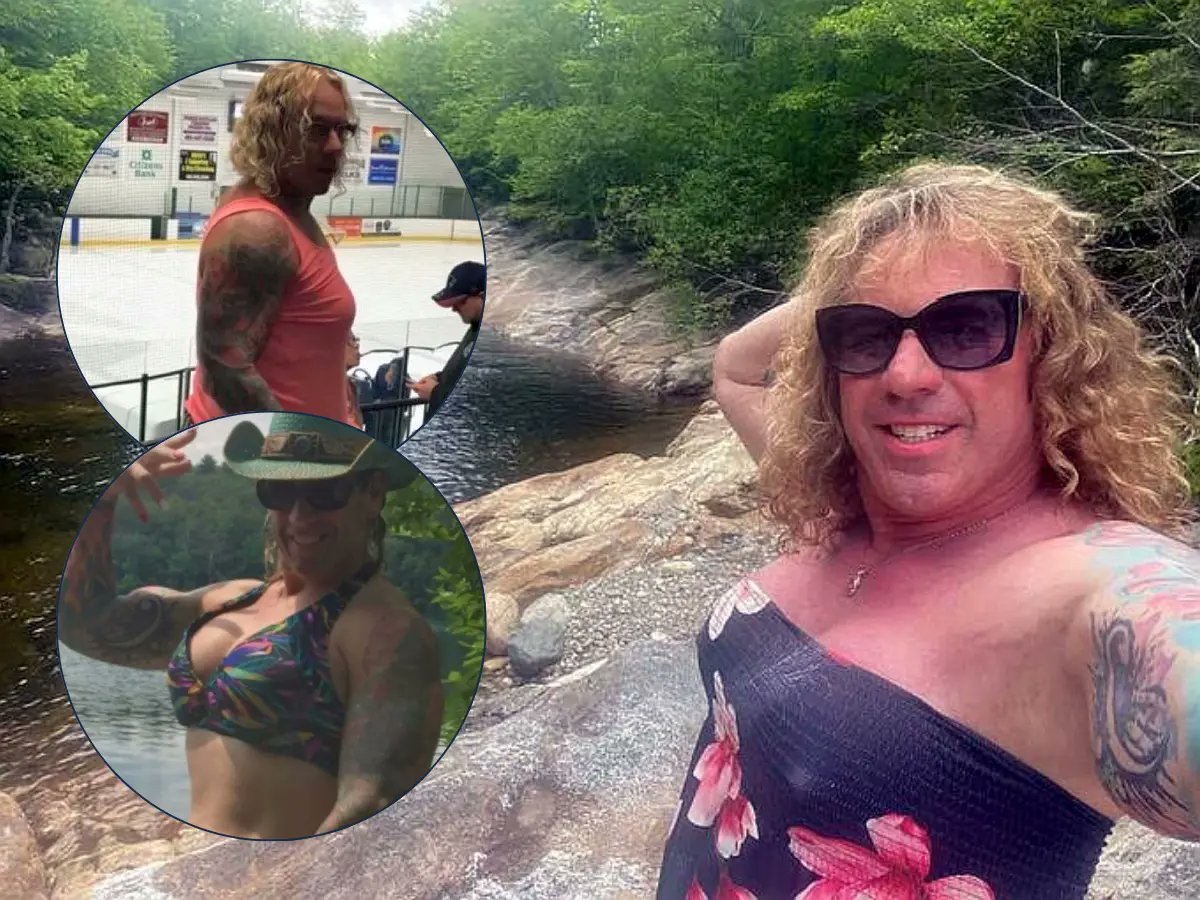
The fatal shooting that unfolded at a high school hockey game in Rhode Island shocked a community already gathered for what was meant to be a routine youth sporting event. Authorities later identified the gunman as Robert Dorgan, a 56-year-old parent connected to one of the players participating in the tournament. The incident quickly drew widespread attention not only because of the location and number of victims, but also due to the complex personal background of the suspect and the circumstances that appeared to lead to the violence.
Investigators described the attack as stemming from an ongoing domestic dispute, while early reports revealed a history of family conflict, legal battles, and troubling public statements in the years preceding the shooting. As more information emerged, the case became a focal point of public discussion surrounding family breakdown, personal identity struggles, and warning signs that may have preceded the tragedy.
The suspect’s identity, personal history, and the events that led to the shooting are now central to understanding how the situation escalated so dramatically in a crowded public setting. The incident involved multiple victims, including close relatives, and ended when the gunman took his own life. Witness accounts, law enforcement briefings, and past legal records collectively provide a detailed portrait of the suspect’s life in the years leading up to the attack.
Background and Personal Life
Robert Dorgan was widely described as a parent deeply entangled in family conflict in the years before the shooting. He was the father of a high school student participating in the hockey tournament where the violence occurred. According to investigators and public records, Dorgan also used the name Roberta Esposito and had undergone gender reassignment surgery several years earlier. This aspect of his life appeared to be a significant source of tension within his family and legal proceedings connected to his marriage and living arrangements.
Court documents reportedly showed that Dorgan’s marriage ended after a divorce filing that initially referenced gender reassignment surgery along with allegations of personality-related concerns. Although those details were later replaced in official filings with a more general explanation of irreconcilable differences, the documents suggested that the marriage had deteriorated amid significant personal and emotional strain. The divorce was finalized not long after the filing, formally ending the relationship but not the broader disputes that continued among family members.
Records also indicated conflicts involving extended family, including disagreements about housing and acceptance of Dorgan’s transition. At one point, he reportedly sought police assistance after claiming that a relative wanted him removed from a shared residence because of his gender identity. Additional claims described escalating hostility and threats, although the precise nature and credibility of those allegations remain unclear. What is evident from available records is that tensions within the family had been ongoing and deeply entrenched for years before the fatal incident.
🚨 BREAKING — IT’S OFFICIAL: Rhode Island officials have CONFIRMED the hockey shooter was a “transgender” man named Robert Dorgan
— Nick Sortor (@nicksortor) February 17, 2026
Robert had recently started going by “Roberta”
Leftists who encourage this trans BS have BLOOD ON THEIR HANDS! pic.twitter.com/eZYswkzADY
The broader portrait that emerges from these accounts is of an individual experiencing prolonged personal upheaval and strained relationships across multiple areas of life. The overlap of family separation, disputes over identity, and housing conflict created a pattern of instability that appeared to intensify over time. Investigators later indicated that the shooting itself was directly connected to a domestic dispute, suggesting that unresolved personal conflict played a central role in the events that followed.
Online Activity and Reported Warning Signs
In addition to family tensions, attention quickly turned to Dorgan’s online presence, which reportedly contained thousands of posts expressing strong and often contradictory opinions on social and political issues. Some posts focused on perceived hostility toward transgender individuals, while others included extreme or inflammatory rhetoric unrelated to that topic. Observers who reviewed the account described a pattern of erratic commentary that ranged widely in tone and subject matter.
One of the most widely circulated messages appeared shortly before the shooting, in which Dorgan responded to an online discussion involving transgender identity with a statement warning that continued hostility could provoke extreme reactions. That message, posted the night before the attack, was later viewed by many as ominous in hindsight. While investigators have not publicly established a direct causal link between online activity and the shooting, the timing of the post drew significant public attention and raised questions about whether warning signs were visible beforehand.
Read : Rochester High School Student Jack Zucco Dies Unexpectedly While on Out-of-Town Boy Scout Trip
Other posts reportedly expressed strong positions on a range of political and social issues, reflecting a mix of ideological viewpoints that did not always align consistently. Some statements supported certain constitutional rights, while others expressed opposition to specific public policies. Still others contained language widely described as offensive or extremist. The breadth and intensity of these messages contributed to a perception of volatility that became part of the broader narrative surrounding the case.
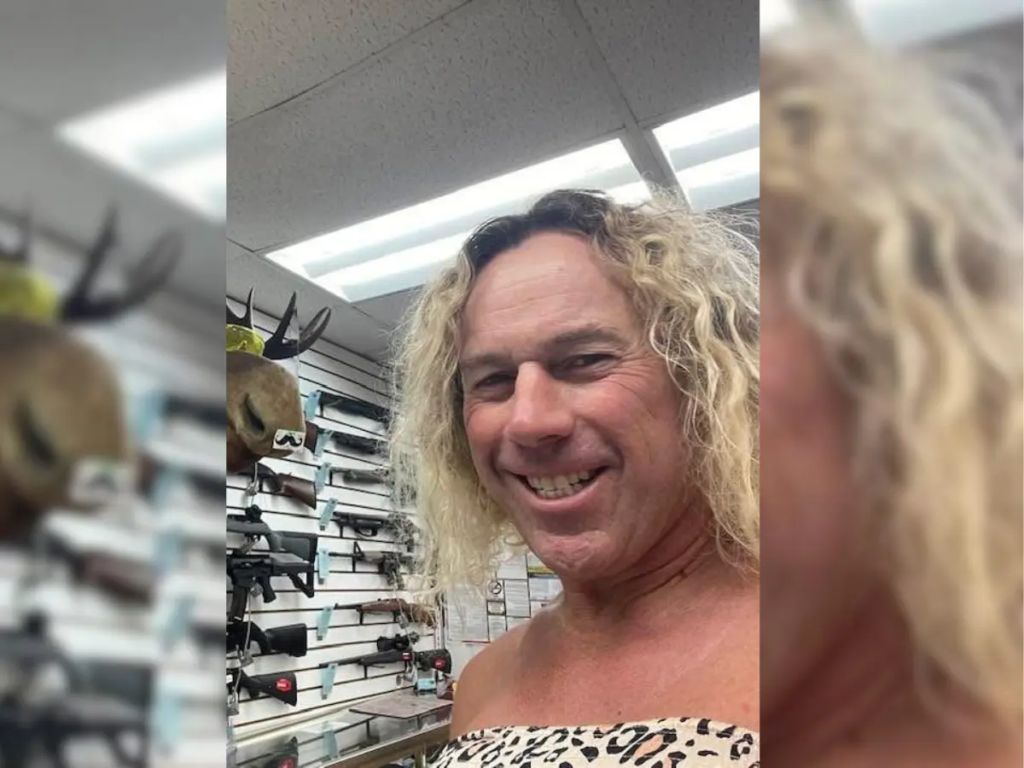
Family members also described concerns about Dorgan’s mental health. A relative who spoke publicly after the incident characterized him as deeply unwell and suffering from serious personal struggles. While such statements provide insight into how those closest to him understood his condition, authorities have not released a comprehensive psychological profile. Nevertheless, the combination of personal turmoil, public expressions of distress, and escalating conflict within the family has been widely discussed as a potential pattern of warning signs preceding the attack.
The Shooting and Its Aftermath
The shooting took place during a high school hockey event attended by players, families, and spectators. According to law enforcement officials, Dorgan arrived armed with multiple firearms and opened fire in a targeted attack against individuals connected to his family. The victims reportedly included close relatives and a family acquaintance. Two people were killed, and several others were critically injured, transforming what had been a routine community gathering into a scene of chaos and emergency response.
Read : Former Wall High School Teacher Julie Rizzitello Sentenced to 10 Years for Assaulting Two Students
Witnesses described sudden panic inside the arena as spectators rushed toward exits and others attempted to help the wounded. Some individuals reportedly tried to restrain the gunman during the attack, with one person intervening in an effort to subdue him. Although he was briefly disarmed, authorities later confirmed that he possessed an additional weapon. The shooting ended when Dorgan took his own life at the scene before officers could apprehend him.
Emergency responders arrived within minutes of receiving the first call, securing the area and transporting victims to nearby medical facilities. In the immediate aftermath, officials emphasized the rapid response of law enforcement and the actions of bystanders who attempted to intervene and provide aid. Community members gathered outside the arena as news of the victims spread, and local leaders described the city as grieving the loss and trauma inflicted on families and students.
Investigators later stated that the attack was the result of a domestic dispute rather than a random act of violence. Authorities worked with state officials to reconstruct the sequence of events and determine the full scope of the conflict that led to the shooting. At the same time, attention turned to the long-term impact on survivors, witnesses, and the wider community connected to the school and hockey program.
The aftermath of the tragedy extended beyond the immediate investigation, shaping conversations about family conflict, public safety at youth sporting events, and the role of warning signs in preventing violence. Vigils, counseling services, and community gatherings followed as residents sought ways to process the shock of an attack that unfolded in a space typically associated with youth activities and shared community life.