
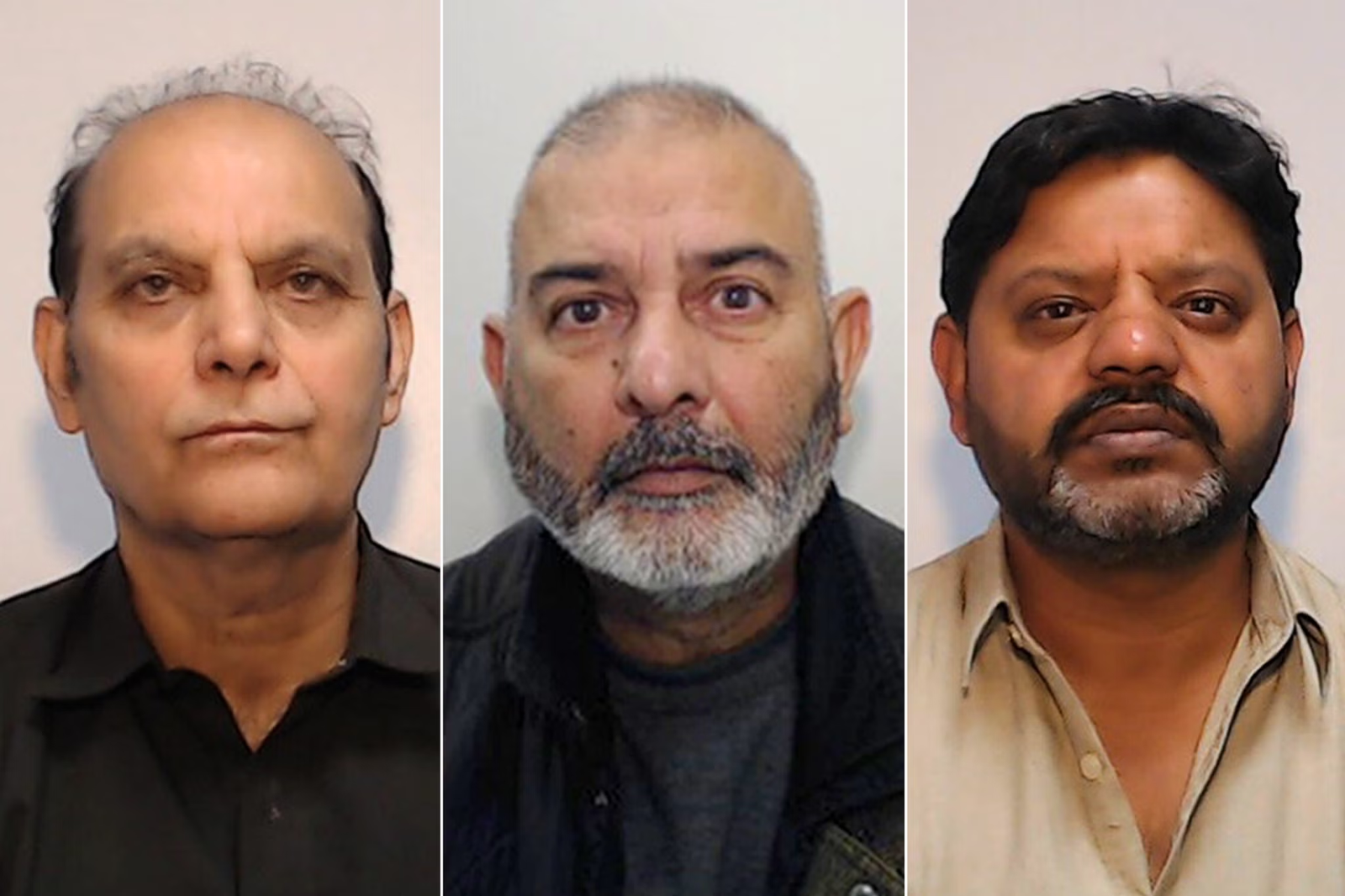
On June 13, 2025, seven men were convicted at Manchester Minshull Street Crown Court for the sexual exploitation of two teenage girls in Rochdale, Greater Manchester, between 2001 and 2006. The case, prosecuted under Operation Lytton, an ongoing investigation by Greater Manchester Police into historical child sexual exploitation in the area since 2015, has brought renewed attention to the systemic failures that allowed such abuse to persist.
The defendants, identified as Mohammed Zahid, Naheem Akram, Mohammed Shahzad, Nisar Hussain, Roheez Khan, Mushtaq Ahmed, and Kasir Bashir, were found guilty of multiple offenses, including rape, indecency with a child, and procuring a girl under 21 for unlawful sexual intercourse. The victims, referred to as Girl A and Girl B to protect their identities, were just 13 years old when the abuse began.
The Crimes and Convictions
The trial revealed a harrowing pattern of abuse where the seven men exploited the vulnerabilities of two teenage girls, grooming them with alcohol, drugs, and gifts before subjecting them to repeated sexual assaults. The prosecution, led by Rossano Scamardella KC, described how the defendants treated the girls as “sex slaves,” expecting them to be available for sex “whenever and wherever” the men demanded.
The abuse took place in various locations across Rochdale, including filthy flats, cars, car parks, alleyways, and disused warehouses, with one notable site being the basement of a clothing shop owned by Mushtaq Ahmed. The court heard that the girls, both from troubled backgrounds, were plied with alcohol, cannabis, and ecstasy, making them easy targets for older men who preyed on their desire for attention and stability.
Mohammed Zahid, 64, was convicted of ten counts of rape, four counts of indecency with a child, five counts of procuring a girl under 21 for unlawful sexual intercourse, and one count of attempting to procure a girl for unlawful sexual intercourse. Mushtaq Ahmed, 66, faced charges including four counts of rape, four counts of indecency with a child, and one count of procuring a girl under 21.
Roheez Khan, 39, was convicted of a single count of rape, while Mohammed Shahzad, 43, faced eight counts of rape and additional charges of conspiracy to commit indecency with a child, indecent assault, and assault by penetration. Naheem Akram, 48, Nisar Hussain, 43, and Kasir Bashir, 50, were also found guilty of various sexual offenses. An eighth defendant, Arfan Khan, 41, was cleared of charges when the prosecution offered no evidence against him.
Read : Diabetic Woman’s Half Foot Amputated After an Ingrown Toenail Turned Gangrenous
The court heard that Roheez Khan had a prior conviction in 2013 for sexually exploiting a 15-year-old girl in Rochdale, for which he was jailed for six-and-a-half years. Similarly, Mohammed Zahid was convicted in 2016 for sexual activity with a 15-year-old girl in 2006, receiving a five-year sentence.
Read : Woman Gets More Jail Time Than Rapist After She Insults Him in Germany
These prior convictions underscore a pattern of predatory behavior among some of the defendants. One defendant, Kasir Bashir, absconded during the trial, and jurors were instructed not to speculate on his absence, though police received intelligence that three Rochdale-born taxi drivers, including Bashir, had planned to flee the UK, leading to their bail being denied.
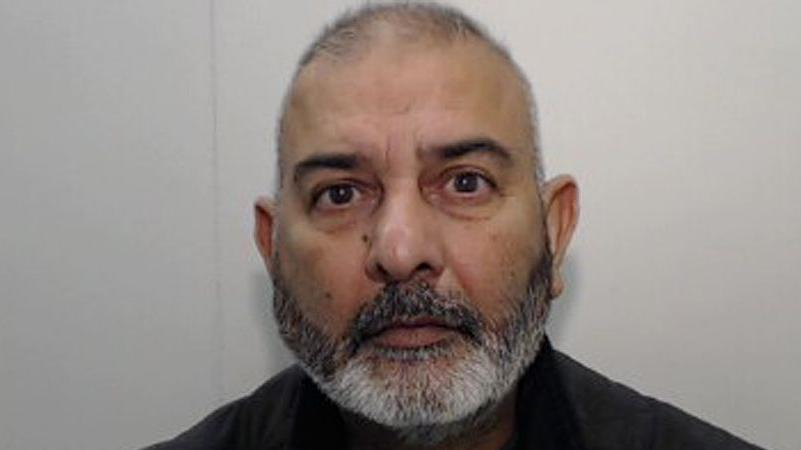
The unanimous guilty verdicts for 50 offenses mark a significant step in addressing historical abuses in Rochdale, a town that has been repeatedly associated with grooming scandals. The convictions follow earlier high-profile cases, such as the 2012 trial that saw nine men jailed for similar offenses and another in 2023 where five men received a combined 70 years for abusing girls between 2002 and 2006. Operation Lytton’s ongoing efforts highlight the scale of the issue, with investigations continuing to uncover non-recent cases of exploitation.
Systemic Failures and Victim Testimonies
The trial exposed significant failures by authorities, including Rochdale Borough Council’s social services and Greater Manchester Police, in protecting vulnerable children. Girl B, now in her 30s, testified that she was labeled a “prostitute” by social services from the age of 10, a description she found “vile” when she later accessed her file.
She told the court that both police and social workers were aware of the abuse but “weren’t concerned enough to do anything about it.” This testimony echoes findings from previous Rochdale cases, where systemic neglect allowed grooming gangs to operate with impunity. For instance, a 2008 investigation into similar offenses was halted by the Crown Prosecution Service, which deemed the main victim “unreliable,” delaying justice for years.
Girl A and Girl B, both from unstable home environments, were easy targets for the defendants, who exploited their need for belonging. The prosecution highlighted how the girls were drawn to Rochdale market, where Zahid operated a stall selling lingerie, earning him nicknames like “Boss Man” or “Knickerman.”
The defendants, many of whom were taxi drivers or connected to the market, used their positions to lure the girls with promises of food, alcohol, and underwear, only to subject them to years of degradation. Girl A described being filmed during one assault while under the influence of ecstasy, with the perpetrators laughing as they shared the footage. Girl B recounted closing her eyes and praying for the abuse to end, underscoring the trauma they endured.
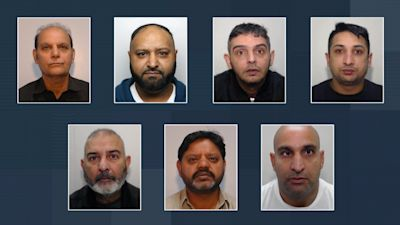
The victims’ courage in coming forward years later was pivotal. In 2015, Girl A contacted Greater Manchester Police, naming her abusers and prompting the investigation that led to Operation Lytton. Girl B followed suit, and both women, now adults, provided extensive interviews and helped police identify key locations in Rochdale where the abuse occurred.
Their lifelong anonymity, granted by the court, reflects the sensitivity of their experiences and the ongoing need to protect survivors of such crimes. Sharon Hubber, Rochdale Borough Council’s director of children’s services, acknowledged the convictions but noted they were unlikely to erase the victims’ trauma, expressing hope that they would bring some closure.
The case also reignited calls for accountability, with whistleblower Maggie Oliver, a former Greater Manchester Police detective, advocating for a national statutory inquiry into grooming gangs. Oliver, who exposed the Rochdale scandal in 2012, has criticized authorities for failing to act on early reports of abuse, a sentiment echoed by the victims’ testimonies about systemic inaction.
Broader Implications and Ongoing Challenges
The Rochdale convictions highlight the persistent challenge of addressing child sexual exploitation in the UK, particularly in towns like Rochdale, Rotherham, and Telford, where similar scandals have surfaced. The case draws parallels to Operation Stovewood in Rotherham, which has identified over 1,100 victims of abuse between 1997 and 2013, and a 2022 Telford inquiry that revealed over 1,000 children were exploited over decades due to police and council failures.
These cases point to a broader pattern of institutional neglect, where vulnerable children, often from care homes or dysfunctional families, were dismissed or stigmatized rather than protected. The Rochdale trial underscores the importance of sustained investigations like Operation Lytton, which has been active since 2015 and continues to pursue justice for historical abuses.
However, it also raises questions about prevention. The defendants’ ability to exploit their roles as taxi drivers or market traders suggests a need for stricter oversight in industries where access to vulnerable individuals is high. Moreover, the initial failure to act on reports of abuse in the early 2000s highlights the necessity of reforming how authorities respond to allegations, particularly when victims are young or deemed “unreliable.”
Public and political responses to the convictions have been strong, with the Conservative Party renewing calls for a national inquiry into grooming gangs. Such an inquiry could examine systemic issues across multiple regions, potentially leading to policy changes to better protect children. Maggie Oliver’s crowdfunding campaign to investigate police and council failures further reflects public frustration with the lack of accountability for those who enabled the abuse through inaction.
For the survivors, the convictions offer a measure of justice, but the psychological scars remain. The court’s acknowledgment of the victims’ vulnerability and the granting of lifelong anonymity are steps toward recognizing their trauma, but broader societal efforts are needed to support survivors and prevent future abuses. Greater Manchester Police’s commitment to Operation Lytton signals ongoing efforts to address historical cases, but the scale of the problem suggests that more resources and systemic changes are required.
The conviction of the seven men in Rochdale is a significant milestone in the fight against child sexual exploitation, but it also serves as a stark reminder of past failures. The courage of Girl A and Girl B in speaking out has brought justice for their suffering and shed light on the need for vigilance and reform. As Rochdale grapples with its history of grooming scandals, the case underscores the urgency of addressing systemic weaknesses to ensure that no child is left vulnerable to such predation in the future.