

A California jury has awarded $25 million in damages to Roland Esparza, a Los Angeles resident who claimed that long-term exposure to cooking spray fumes caused serious and permanent damage to his lungs. The decision follows years of legal proceedings involving the manufacturer of Pam cooking spray and centers on allegations that the company failed to adequately warn consumers about potential health risks associated with the product.
The case has drawn national attention because it involves an everyday household item commonly used for cooking, raising broader concerns about chemical exposure in domestic environments and the extent to which manufacturers are responsible for communicating potential hazards. Roland Esparza’s legal claim was based on his routine use of butter-flavored cooking spray over many years, often multiple times per day.
According to court filings, he regularly sprayed the product onto hot cookware while standing close to the stove, inhaling vapors released during cooking. His attorneys argued that repeated exposure to chemical compounds contained in the spray led to severe respiratory damage that has significantly reduced his quality of life and left him facing the possibility of a double lung transplant. The jury ultimately agreed that the manufacturer acted negligently and failed to provide sufficient warnings about the risks associated with prolonged exposure.
The verdict reflects not only a determination of liability but also recognition of the profound physical consequences Roland Esparza now faces. Once described as an active and healthy individual, he now experiences extreme shortness of breath and limited physical capacity. Medical evidence presented during the trial indicated permanent respiratory impairment and a substantially reduced life expectancy. The case has therefore become a focal point in discussions about consumer product safety, long-term chemical exposure, and the responsibilities of manufacturers when potential health risks are known or suspected.
The Legal Case and the Jury’s Decision
The lawsuit was filed in 2020, marking the beginning of a lengthy legal process that included investigation, expert testimony, and extensive review of medical and scientific evidence. Roland Esparza alleged that the manufacturer negligently sold a defective product that exposed consumers to hazardous chemical compounds capable of causing serious lung damage. He also claimed that the company knew or should have known about the risks associated with certain flavoring agents but failed to adequately warn consumers about them.
At trial, attorneys for Roland Esparza argued that the company’s marketing and labeling created the impression that the product was safe for routine use in typical home cooking conditions. They contended that repeated inhalation of chemical vapors released when the spray was applied to hot surfaces could lead to cumulative respiratory harm, especially over long periods. According to their argument, the manufacturer did not sufficiently communicate the potential risks associated with inhaling these airborne particles during normal cooking activities.
The defense disputed these claims, maintaining that the product was safe when used as intended. Company representatives argued that certain chemicals mentioned in the lawsuit had been removed from the formulation years earlier and that there was no clear scientific basis linking the product to the severe health condition described by Roland Esparza. The defense also suggested that the plaintiff’s own actions may have contributed to his injuries, implying that factors unrelated to the cooking spray could have played a role in his respiratory decline.
Despite these arguments, the jury ultimately found that the manufacturer had acted negligently. Jurors concluded that the company failed to adequately warn consumers about potential risks and that this failure contributed to Esparza’s injuries. The award of $25 million reflects both compensation for medical harm and recognition of the long-term impact of his condition. The manufacturer has indicated that it intends to challenge the verdict through further legal action, signaling that the case may continue through appeals.
Read : Magic Sword Stuck in Stone for Over 1300 Years in France Mysteriously Disappeared
The jury’s decision is significant not only because of the monetary award but also because of what it suggests about evolving legal standards related to consumer safety. Courts have historically dealt with cases involving workplace exposure to industrial chemicals, but claims involving household products used in everyday settings are less common. This case demonstrates that courts may be willing to scrutinize consumer goods more closely when credible evidence suggests that routine use could pose health risks.
Chemical Exposure and Respiratory Illness
Central to the case were chemical compounds commonly used to create butter-like flavoring in food products. These compounds have long been used in various food manufacturing processes, particularly in products designed to replicate rich or creamy flavors. Scientific research has previously examined their potential impact on respiratory health, especially in occupational settings where workers are exposed to concentrated airborne particles over extended periods.
One of the primary health concerns linked to certain flavoring chemicals is a condition known as bronchiolitis obliterans. This rare but serious disease causes inflammation and obstruction of the smallest airways in the lungs, leading to progressive breathing difficulty. The condition is irreversible and can severely limit lung function, sometimes requiring lung transplantation in advanced cases. Symptoms may include chronic coughing, wheezing, and significant shortness of breath, particularly during physical activity.
Research has shown that inhalation of airborne flavoring chemicals in industrial environments can increase the risk of developing respiratory disease. Workers involved in manufacturing flavored food products, especially those exposed to high concentrations of vaporized compounds, have demonstrated elevated rates of lung damage in certain studies. These findings have prompted regulatory agencies to issue guidance regarding ventilation, protective equipment, and exposure limits in workplace settings.
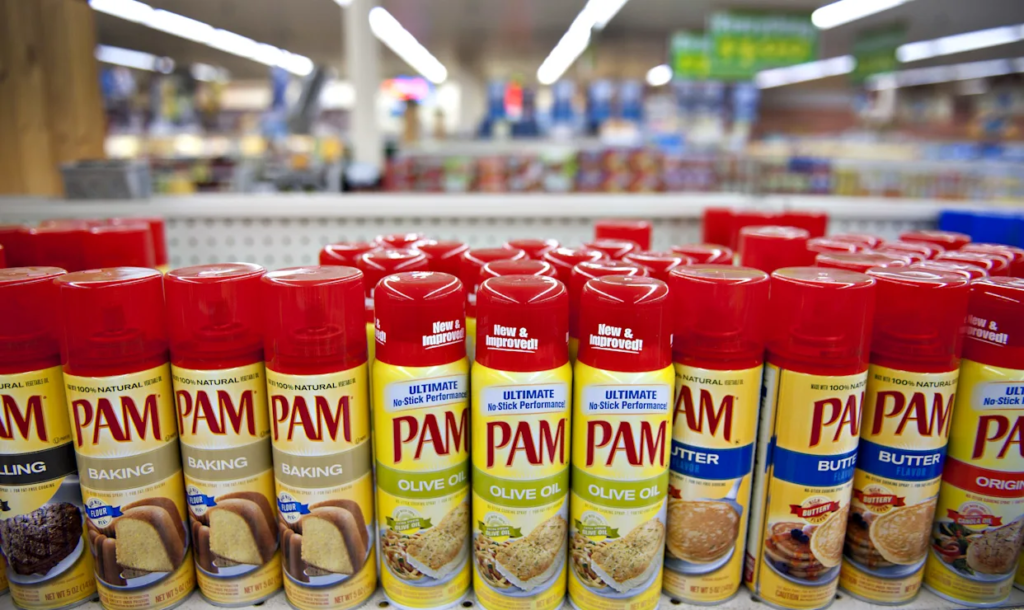
The lawsuit argued that similar risks could arise from repeated exposure in domestic cooking environments, particularly when sprays are applied to hot surfaces that release airborne particles. According to the plaintiff’s claim, years of frequent use allowed these chemical vapors to accumulate in the lungs, gradually causing permanent damage. Medical experts testified that the pattern of respiratory decline was consistent with prolonged inhalation exposure.
Health authorities have long emphasized that the effects of chemical exposure depend heavily on factors such as concentration, duration, and frequency. Occasional exposure may carry minimal risk, while repeated or prolonged inhalation can produce more serious outcomes. Proper ventilation, avoidance of direct inhalation, and limiting exposure duration are often recommended as precautionary measures when using products that release airborne particles.
The case has therefore raised broader questions about how exposure risks should be evaluated in non-industrial environments. While workplace safety standards are well established for many chemical substances, the application of similar principles to everyday consumer products remains an evolving area of scientific and legal consideration.
Broader Implications for Consumer Safety and Product Responsibility
The verdict has implications that extend beyond the immediate circumstances of the case. It highlights ongoing tensions between consumer convenience, chemical formulation, and corporate responsibility. Modern food preparation often relies on processed ingredients and specialized formulations designed to enhance flavor, texture, and ease of use. These innovations can offer practical benefits but may also introduce complex questions about long-term exposure and safety.
Consumer product liability cases frequently hinge on whether a manufacturer adequately warned users about potential risks. When hazards are clearly disclosed and usage instructions are followed, companies may be shielded from certain forms of liability. However, when warnings are considered insufficient or misleading, courts may determine that consumers were not properly informed about potential dangers. The jury’s decision suggests that, in this instance, the information provided was not deemed adequate.
The case also underscores the growing importance of transparency in product formulation. As scientific understanding of chemical exposure evolves, manufacturers may face increasing pressure to review ingredients, reassess labeling practices, and communicate potential risks more clearly. Even when a product is widely used and generally regarded as safe, new research or individual claims of harm can prompt legal scrutiny.
From a public health perspective, the case has intensified interest in indoor air quality and routine exposure to airborne particles generated during cooking. Kitchens are often enclosed spaces where heat, steam, and aerosolized substances accumulate. While most cooking processes are considered safe under normal conditions, prolonged or repeated exposure to certain compounds may warrant closer examination, particularly for individuals who cook frequently or in poorly ventilated environments.
Legal experts note that large jury awards can influence corporate behavior by encouraging more cautious product design and labeling practices. Companies may respond by revising warnings, reformulating ingredients, or conducting additional safety testing. At the same time, verdicts of this scale may also prompt appeals and continued legal debate, especially when scientific evidence remains subject to interpretation.
For consumers, the case serves as a reminder of the complex relationship between everyday products and long-term health. Items commonly found in household kitchens are often assumed to be harmless when used routinely, yet scientific research continues to reveal how repeated exposure to certain substances can produce cumulative effects over time. Understanding how products are used, how they interact with heat and air, and how frequently exposure occurs may all play a role in assessing potential risk.
As legal proceedings continue and appeals move forward, the case is likely to remain a reference point in discussions about chemical exposure in household environments. It illustrates how personal health claims, scientific research, and legal standards intersect in determining responsibility for product safety. The outcome has already reshaped conversations about consumer awareness, corporate accountability, and the importance of evaluating long-term exposure to substances present in everyday life.