
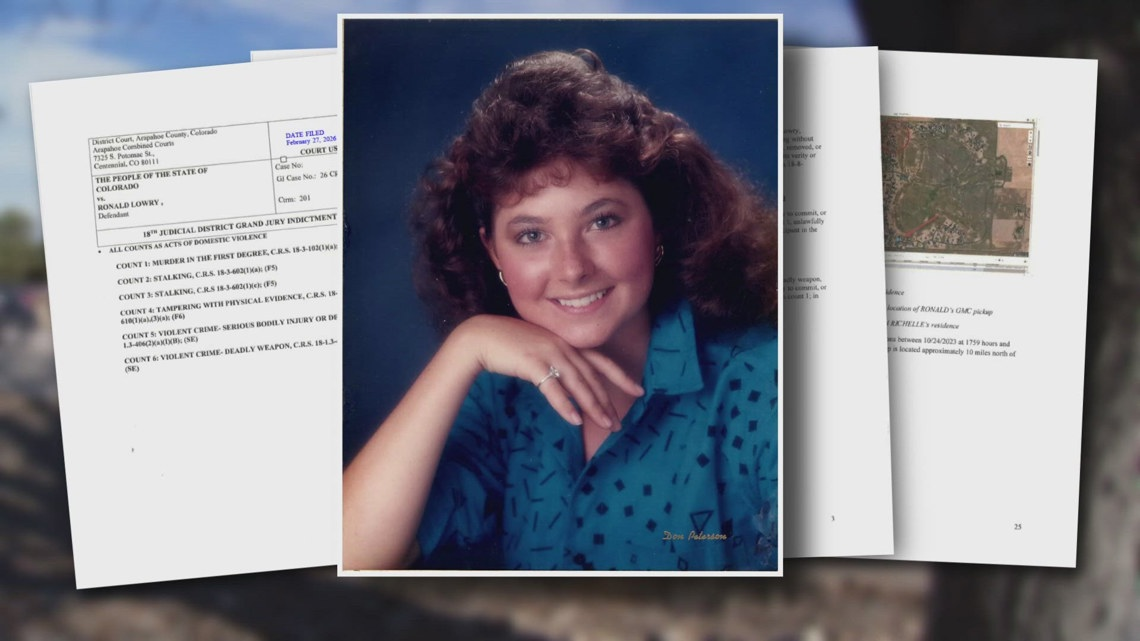
The death of Richelle “Chelle” Lowry in October 2023 was initially regarded as a possible suicide, a tragic development in the midst of a contentious divorce. More than two years later, authorities in Colorado allege that her death was not self-inflicted but instead the result of a calculated homicide.
Ronald Lowry, 52, has now been indicted on first-degree murder and multiple related charges following a lengthy investigation that revisited forensic evidence, digital records, and witness statements. Prosecutors say the case reflects a detailed reexamination of the circumstances surrounding Richelle Lowry’s death and underscores the complexity of cases in which an apparent suicide may conceal a criminal act.
Discovery of the Death and Early Investigations
On October 26, 2023, deputies with the Arapahoe County Sheriff’s Office conducted a welfare check at Richelle Lowry’s home in Bennett, Colorado, after she failed to report to work and could not be contacted. When law enforcement officers forced entry into the residence, they discovered the 42-year-old woman deceased from a single gunshot wound to the head. Her phone was found submerged in water, raising immediate concerns about possible tampering with evidence.
At the time of her death, Richelle Lowry was only days away from finalizing her divorce from Ronald Lowry. Early assessments did not immediately establish the manner of death, and the case was initially treated as a potential suicide. Authorities noted the gunshot wound but were unable to conclusively determine whether it was self-inflicted.
An autopsy later revealed that the gunshot wound was inflicted at close range. Investigators also observed suspicious bruising on Richelle Lowry’s body and identified a large hematoma on her forehead, suggesting she had sustained prior trauma. Although the initial autopsy findings indicated homicide, the final report listed the cause of death as “undetermined,” reflecting uncertainty about the precise sequence of events.
Over time, the investigation deepened. A detailed review of forensic and digital evidence led the medical examiner to officially reclassify the death as a homicide. Her death certificate was subsequently reissued to reflect that determination. Forensic testing included DNA swabs collected after her death, which revealed the presence of male DNA in two separate locations. However, the samples were reportedly of insufficient quality to link the DNA to a specific individual.
The reopening and reassessment of the case marked a significant turning point. Authorities began to examine not only the physical evidence but also Richelle Lowry’s communications, relationships, and expressed fears in the weeks leading up to her death.
Allegations of Threats, Obsession, and Financial Motive
As investigators gathered statements from family members, friends, and neighbors, a pattern of escalating tension emerged. According to court documents, Richelle Lowry had confided in multiple individuals that she feared for her life. She reportedly told a neighbor that she had received threats from friends of her estranged husband. Others close to her later corroborated that she had expressed concerns about potential danger.
Court records indicate that Richelle Lowry claimed to have overheard Ronald Lowry and his brother discussing her death, an allegation that intensified her fears. She reportedly told confidants that if anything happened to her, her estranged husband should be considered responsible. Friends later told investigators that she had been adamant she would never take her own life.
Family members provided additional context. Her parents told police that Ronald Lowry contacted them shortly after her death and stated that she had died by suicide. While they acknowledged that Richelle had struggled with depression and had become increasingly anxious during the divorce process, those close to her did not believe she was suicidal. Friends and relatives described her as firm in her insistence that she would not harm herself.
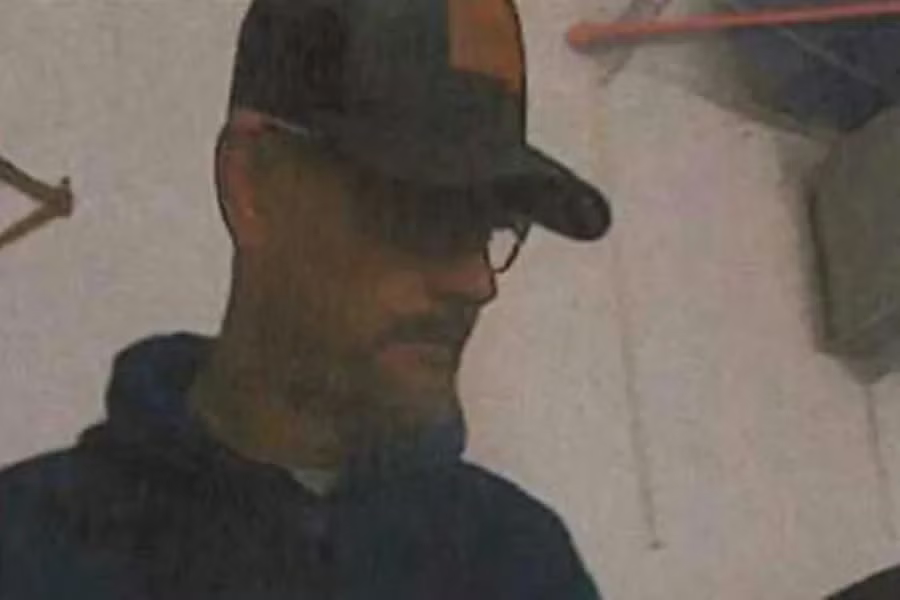
Investigators also examined the dynamics of the couple’s separation. Authorities allege that Ronald Lowry developed jealousy and an obsession following their split. Court records reviewed by law enforcement reportedly show that he monitored Richelle Lowry’s activities. In one instance, he allegedly recorded her with a new boyfriend at a golf course prior to her death. Prosecutors suggest that such behavior demonstrates an ongoing fixation and may have contributed to the events leading up to her death.
A financial review conducted in November 2025 introduced another potential motive. According to investigative findings, Ronald Lowry would have stood to inherit approximately $1.13 million if Richelle Lowry’s death had been classified as a suicide. Because he remains a suspect in her death, authorities have disinherited him from her estate. The financial implications added another layer to the prosecution’s case, reinforcing their theory that the staging of a suicide could have yielded significant monetary benefit.
The combination of alleged threats, documented surveillance behavior, and financial considerations formed the basis of the prosecution’s argument that the death was not self-inflicted but instead orchestrated to appear that way.
Indictment and Ongoing Legal Proceedings
Following the extended investigation, prosecutors in Colorado’s 18th Judicial District presented evidence to a grand jury, which returned an indictment against Ronald Lowry. He has been charged with first-degree murder along with multiple additional offenses. These include two counts of stalking, tampering with evidence, and two violent-crime sentence enhancers—one for causing serious bodily injury or death and another for using a deadly weapon.
Authorities allege that Ronald Lowry intentionally killed his estranged wife and staged the scene to resemble a suicide. The allegation of evidence tampering is tied in part to the discovery of Richelle Lowry’s phone submerged in water, which investigators believe may have been an attempt to destroy digital evidence.
Read : 80-Year-Old William Simmons Accused of Killing Wife After Argument Over a Cruise
Ronald Lowry was booked into the Morgan County Jail without bond. The indictment marks a significant development in a case that remained unresolved for more than two years. Prosecutors have publicly emphasized the extensive nature of the investigation, describing it as the product of meticulous forensic analysis and persistent efforts by law enforcement.

District Attorney Amy Padden stated that the indictment represents an important step in the pursuit of justice for Richelle Lowry. She emphasized her office’s commitment to pursuing charges when supported by evidence. Assistant District Attorney Ryan Brackley similarly praised investigators for thoroughly examining forensic, digital, and testimonial evidence over an extended period, crediting their persistence with bringing the case forward.
The case now moves into the next phase of the criminal justice process. Prosecutors will be required to present evidence supporting the charges in court, while the defense will have the opportunity to challenge the state’s allegations. As with all criminal cases, Ronald Lowry is presumed innocent unless and until proven guilty beyond a reasonable doubt.
The reclassification of Richelle Lowry’s death from undetermined to homicide illustrates the evolving nature of complex investigations. Cases involving potential staged scenes often require careful reevaluation of forensic findings and witness testimony. In this instance, investigators relied on a combination of physical evidence, behavioral patterns, financial analysis, and statements from those who knew the victim to build their case.
For Richelle Lowry’s family and friends, the indictment represents a shift from uncertainty toward formal legal proceedings. While the case has yet to be adjudicated in court, authorities have framed the charges as the culmination of years of investigative work. The legal process will ultimately determine whether the evidence meets the high burden required for a conviction.
As the case proceeds, it stands as a reminder of the challenges faced by investigators when initial impressions of a death may mask more complex circumstances. The allegations against Ronald Lowry underscore the importance of continued scrutiny and the willingness of law enforcement to revisit unresolved questions in pursuit of clarity and accountability.