
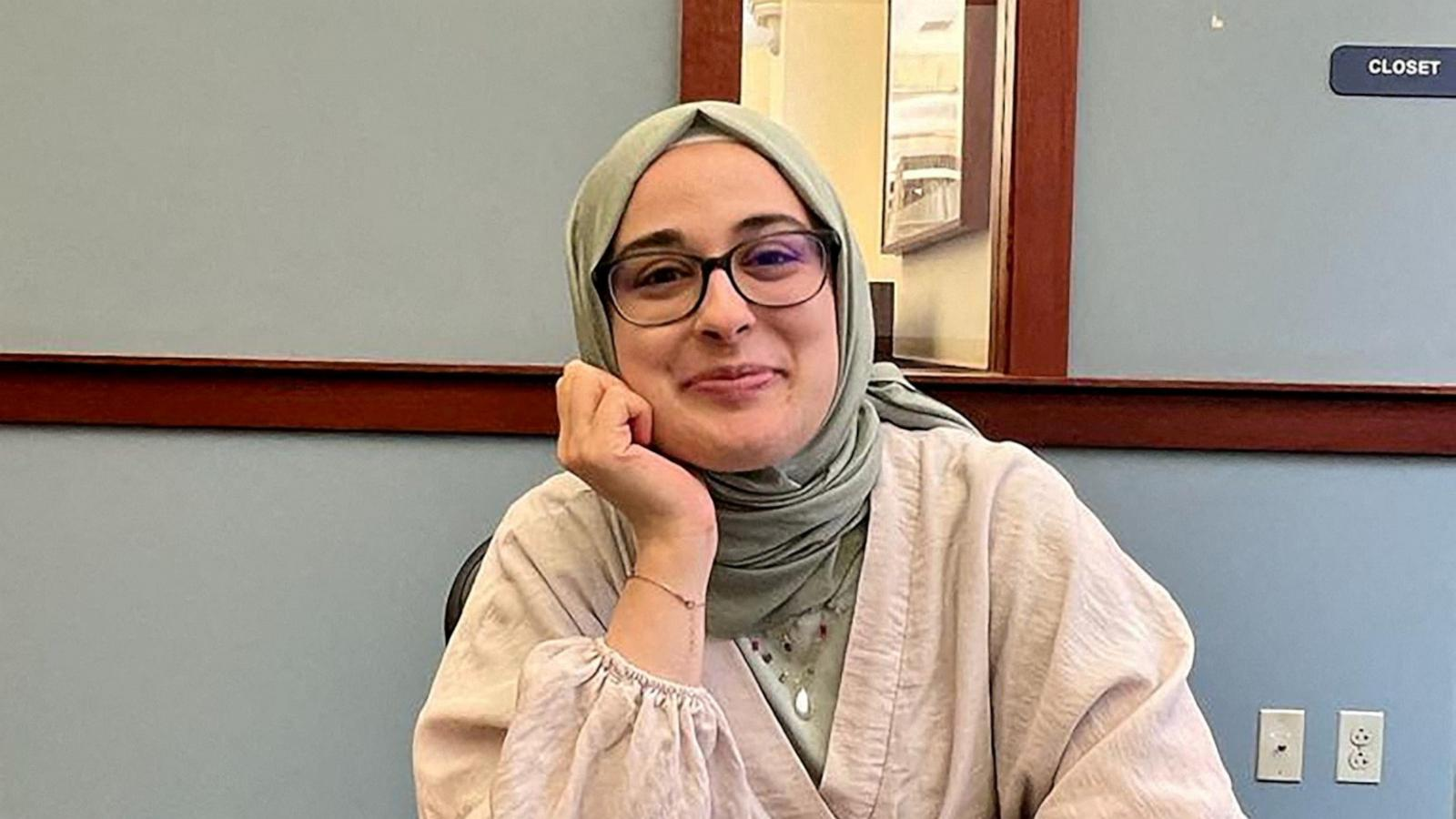
The story of Rumeysa Ozturk has drawn widespread attention across academic, legal, and political circles, not only because of the circumstances surrounding her arrest but also because of what followed. Nearly one year after being detained by immigration authorities in a highly publicized incident, the Turkish scholar completed one of the most demanding academic milestones possible — earning a doctoral degree.
Her journey from immigration detention to academic recognition reflects a complex intersection of scholarship, public controversy, and personal resilience. At the center of the story is a researcher committed to studying how media influences children and young people, and how digital environments can nurture empathy, compassion, and social development. Her academic work, legal battles, and public statements together have made her a widely discussed figure whose experiences extend far beyond the traditional path of a doctoral student.
Her PhD was awarded by Tufts University, where she studied in the Department of Child Study and Human Development. The degree marks the culmination of years of research focused on understanding how young people interact with media and how those interactions shape emotional and social development. Yet the achievement also arrives in the shadow of events that transformed her life and academic career into a subject of national debate.
Academic Work and Research Focus
Rumeysa Ozturk’s academic work centers on how children and young people engage with media in ways that influence emotional growth, social awareness, and moral development. Her research examines how digital environments — from social platforms to educational media — can either reinforce harmful patterns or promote empathy, cooperation, and constructive social interaction. Rather than treating media consumption as inherently negative, her scholarship explores how carefully structured and intentional media experiences may help young people develop prosocial behaviors and deeper awareness of others.
Her doctoral research grew out of a broader commitment to understanding how childhood development unfolds within a globalized and technologically saturated world. She has emphasized that children’s exposure to media is not simply a passive experience but an active process that shapes identity formation, emotional understanding, and attitudes toward social difference. This perspective places her work within an expanding field that combines developmental psychology, education, communication studies, and digital culture.
Within academic circles, her research has been described as particularly relevant at a time when children encounter digital content from an increasingly early age. Scholars in related disciplines have highlighted the importance of examining not only screen time but also the quality, structure, and emotional content of media exposure. Her work has focused on how positive digital environments may support compassion, conflict awareness, and global understanding — themes that also appear prominently in her public statements.
Read : Bizarre! 3 High School Students Died After Being Hypnotized by Principal
She has also organized support networks and collaborative initiatives involving academics who work with children affected by armed conflict and social instability in various parts of the world. Her academic engagement has extended beyond laboratory research and classroom instruction into global conversations about childhood, trauma, and social responsibility. In this sense, her scholarship has consistently blended theoretical inquiry with humanitarian concerns.
Tufts scholar Rumeysa Ozturk earns her PhD one year after ICE arrest https://t.co/Yy3fEw04wy
— In-Site (@In_site_updates) February 19, 2026
Faculty members familiar with her work have characterized her as deeply engaged in interdisciplinary research, bringing together insights from developmental science and global social issues. Her work reflects a sustained effort to connect academic research with real-world conditions affecting children across diverse regions, particularly those living in conflict or displacement.
Arrest, Detention, and Legal Controversy
Public attention surrounding Ozturk intensified after her arrest by immigration authorities near her Massachusetts residence. The incident became widely discussed in connection with broader enforcement actions directed at international students who had expressed views related to the war in Gaza. Her detention was carried out by masked federal agents, an image that quickly circulated and became emblematic of debates surrounding immigration enforcement practices.
She was taken into custody by Immigration and Customs Enforcement and transferred to a detention facility in Louisiana, more than 1,000 miles from her academic community. She remained in custody for more than six weeks. During that time, she stated that continuing her academic work was extremely difficult, describing the environment as incompatible with research and scholarly productivity.
Her case drew further attention after officials within the Department of Homeland Security pursued deportation proceedings. Government representatives had publicly accused her of engaging in activities supportive of Hamas, though internal government documents later indicated that authorities did not possess evidence substantiating those claims. The cancellation of her student visa and the issuance of an arrest warrant were linked to her involvement in a student newspaper opinion piece that criticized university leadership’s response to concerns about the war.
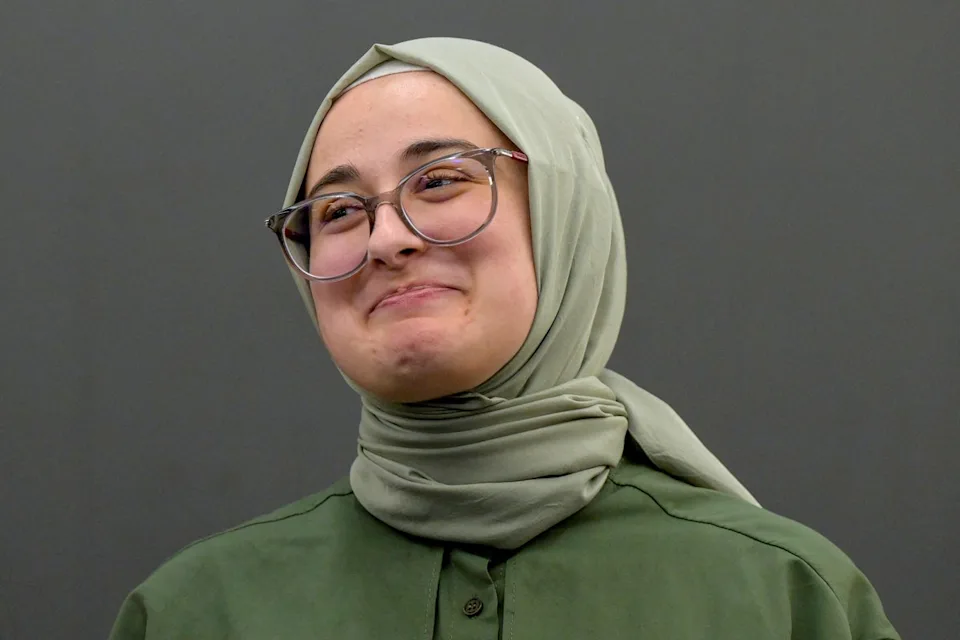
The detention and attempted deportation took place within the broader policy environment associated with the administration of Donald Trump, whose immigration enforcement efforts included actions affecting international students involved in political activism. Critics argued that her case raised constitutional questions involving free speech and due process, while supporters of enforcement measures defended the government’s authority to regulate visa status and national security concerns.
Ultimately, an immigration court judge terminated deportation proceedings after authorities failed to demonstrate sufficient grounds for removal. The decision effectively ended the immediate threat of deportation, though legal challenges concerning the constitutionality of her arrest and detention remain ongoing. Her legal case continues to be discussed within academic and civil liberties communities as an example of tensions between immigration enforcement and political expression.
Her testimony during proceedings highlighted the personal and professional disruption caused by the detention. Appearing in detention attire, she described the impossibility of continuing her research under such conditions and emphasized the importance of her academic work to child development and global well-being. Her statements underscored the extent to which her detention interrupted not only her personal life but also her scholarly trajectory.
From Detention to Doctorate
Despite the legal battles and interruption to her academic life, Rumeysa Ozturk ultimately completed her doctoral studies and formally earned her PhD. The achievement represents both an academic milestone and a symbolic turning point following a year defined by uncertainty and controversy. In public remarks announcing her degree, she emphasized hope, resilience, and a commitment to continuing work that she believes contributes to the well-being of children worldwide.
Read : Rochester High School Student Jack Zucco Dies Unexpectedly While on Out-of-Town Boy Scout Trip
Her completion of the degree reflects the continuation of research, teaching, and scholarly engagement that resumed after her release from detention. Faculty advisers and colleagues have described her as deeply connected to her academic community, with expertise considered significant within fields examining the psychological and social impacts of media on young people.
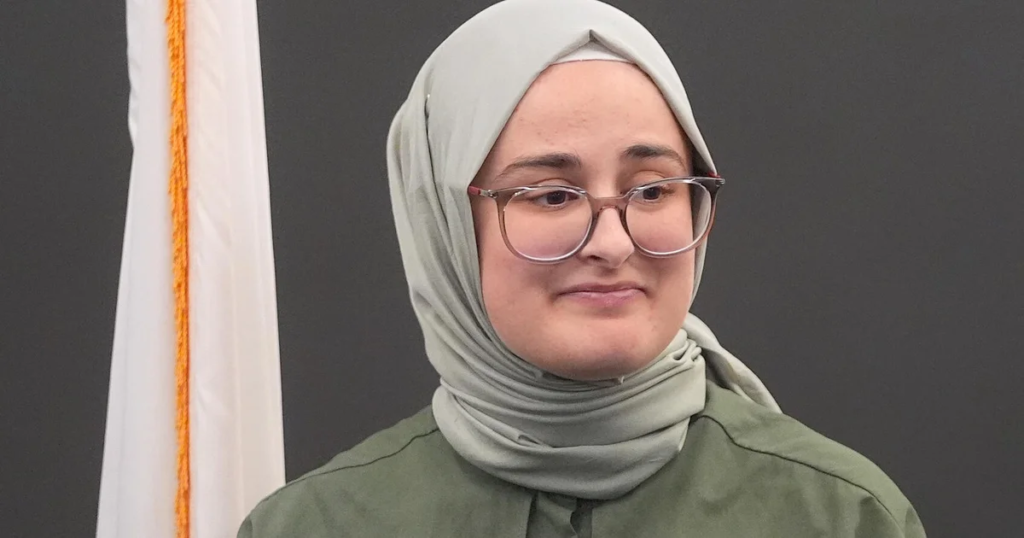
In public statements, she has framed her doctoral achievement as both a personal milestone and a renewed starting point for future work. She has expressed a desire to transform years of research, volunteer work, and teaching into initiatives that directly support children and youth in diverse social contexts. Her perspective emphasizes the interconnected nature of childhood experiences across different regions affected by conflict, inequality, and displacement.
She has also spoken about the importance of global compassion in addressing the conditions facing children in various forms of crisis, including war, forced migration, and systemic injustice. Her academic and public statements consistently reflect an emphasis on shared responsibility and the universal nature of childhood vulnerability.
The completion of her doctorate also represents a form of academic continuity following a period in which her scholarly work was interrupted by legal and political processes. Her insistence on being addressed by her professional title reflects both a conventional academic recognition and a symbolic affirmation of achievement following adversity.
Her story continues to resonate across multiple spheres — higher education, immigration law, political debate, and developmental research. It illustrates how academic careers can intersect with public controversy, and how personal experiences can reshape the public meaning of scholarly work. The transition from detention to doctoral recognition stands as a defining feature of her public identity, shaping how her research, advocacy, and professional trajectory are understood within contemporary academic discourse.