
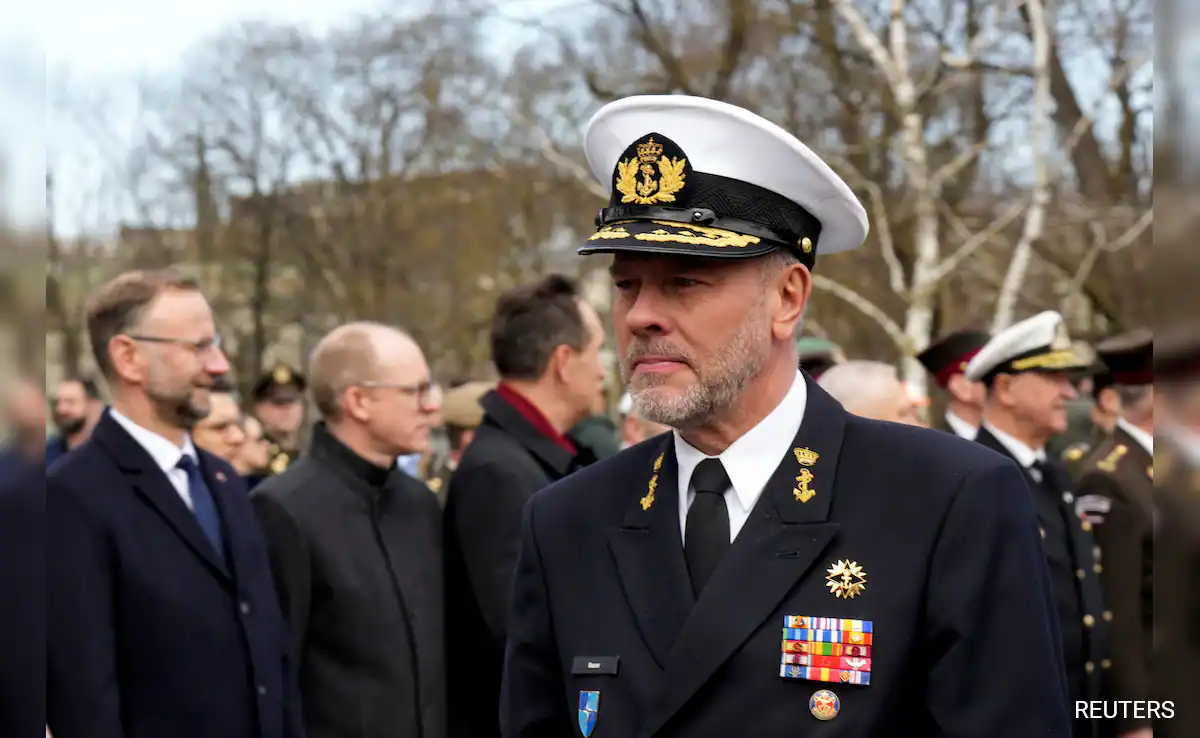
Russia’s ongoing conflict in Ukraine has significantly transformed its military landscape. According to a recent statement by Admiral Rob Bauer, Chair of NATO’s Military Committee, Russia’s land forces are larger now than they were at the start of their full-scale invasion of Ukraine in February 2022.
However, this increase in numbers has come at the expense of overall quality. The state of the Russian military, its equipment, and the training of its soldiers have all reportedly declined.
This assessment has critical implications for NATO and the broader international community, as it provides insight into Russia’s evolving capabilities and the potential future threats they pose.
The Expansion of Russia’s Land Forces
Since the invasion of Ukraine began, Russia has expanded its ground forces significantly. This growth has been driven by the need to sustain a prolonged conflict, which has depleted both personnel and equipment at an unprecedented rate.
The Kremlin has implemented measures such as mass mobilizations, extending service contracts, and recruiting from various regions, including prisons, to replenish its ranks. While these efforts have bolstered the size of the Russian army, they have also introduced challenges related to the quality and readiness of its troops.
Read : Russia Plane Catches Fire After Landing in Turkey: WATCH
Admiral Bauer highlighted the decline in the overall quality of Russian forces, emphasizing that many of the new recruits lack proper training. The rapid mobilization process often results in soldiers being deployed to the front lines with minimal preparation, leading to lower combat effectiveness and higher casualty rates.
Read : Matryoshka Dolls: Unveiling the Charming Symbol of Russian Culture
Additionally, much of Russia’s modern equipment has been lost or damaged in Ukraine, forcing the military to rely on older, less reliable hardware. This combination of inexperienced troops and outdated equipment has weakened the overall capability of Russia’s land forces.
Despite these shortcomings, the sheer size of Russia’s army remains a significant factor. General Christopher Cavoli, Supreme Allied Commander Europe, pointed out that the Russian armed forces are continuously learning and adapting.

They are gaining valuable experience from the conflict, which could make them a more formidable force in the future. This suggests that while the quality may be lower now, Russia is in the process of rebuilding and modernizing its military capabilities, which could pose a greater threat in the coming years.
The Implications for NATO and Global Security
NATO officials have emphasized the importance of using this period of relative weakness in the Russian military to prepare for future threats. Admiral Bauer noted that Russia’s current state provides NATO with a window of opportunity to strengthen its defenses and invest in its defense industry. This preparation is essential to counter any potential resurgence in Russian military power.
One of the key areas of focus for NATO is enhancing its industrial base to ensure a steady supply of critical goods and services, even during wartime. Bauer stressed the importance of businesses being prepared for potential conflicts and adjusting their production and distribution lines to be less vulnerable to blackmail from countries like Russia and China. This approach aims to bolster NATO’s resilience and reduce its dependence on external sources for essential supplies.
Bruno Kahl, Head of Germany’s Foreign Intelligence Service, has warned that Russia could be capable of attacking NATO territory within the next six years. This sobering assessment underscores the urgency for NATO to strengthen its defenses and prepare for a potential conflict with a revitalized Russian military.
Kahl’s prediction aligns with Cavoli’s belief that the Russian armed forces are learning and improving, suggesting that they will emerge from the conflict in Ukraine with enhanced capabilities and a more strategic approach to warfare.

The ongoing conflict has also highlighted the need for NATO to adapt to new forms of warfare. Russia’s use of hybrid tactics, including cyberattacks, disinformation campaigns, and economic coercion, presents a multifaceted threat that extends beyond conventional military operations. NATO’s strategy must therefore address these non-traditional threats and develop comprehensive defense mechanisms to counter them.
Preparing for the Future: NATO’s Strategic Response
In response to the evolving threat landscape, NATO has been ramping up its defense capabilities and enhancing its collective security measures. The alliance has increased its presence in Eastern Europe, with additional troops and equipment deployed to member states bordering Russia. These measures are designed to deter aggression and reassure NATO members of the alliance’s commitment to their defense.
Admiral Bauer’s call for increased investment in the defense industry is a critical component of NATO’s strategy. By strengthening its industrial base, NATO can ensure a steady supply of modern equipment and technology, reducing its reliance on external sources and enhancing its overall readiness.
This approach also involves fostering closer cooperation between governments and the private sector to develop innovative solutions for defense and security challenges.
Another key aspect of NATO’s response is improving the training and readiness of its forces. The alliance has conducted numerous joint exercises and training programs to enhance interoperability and prepare for potential conflicts.
These exercises simulate various scenarios, including large-scale conventional warfare and hybrid threats, to ensure that NATO forces are well-prepared for any contingency.

NATO’s strategic response also involves enhancing its intelligence capabilities to monitor and assess potential threats. By gathering and analyzing information about Russia’s military activities, NATO can better understand the evolving threat landscape and develop targeted strategies to counter it. This intelligence-driven approach allows the alliance to anticipate potential challenges and respond proactively.
The alliance’s efforts are not limited to military measures. NATO is also working to strengthen its political and economic resilience. This includes enhancing cybersecurity, countering disinformation, and reducing dependence on energy supplies from adversarial countries.
These measures are designed to protect NATO members from the broader spectrum of threats posed by Russia and other potential adversaries.
The Path Forward for NATO
The current state of the Russian military presents both challenges and opportunities for NATO. While the decline in quality provides a temporary respite, the potential for Russia to rebuild and strengthen its forces remains a significant concern. General Cavoli’s warning that the Russian army will be stronger in the future underscores the need for NATO to remain vigilant and proactive.

As Russia continues to adapt and learn from the conflict in Ukraine, NATO must be prepared to face a more sophisticated and capable adversary. This requires a multifaceted approach that includes strengthening military capabilities, enhancing industrial resilience, and addressing non-traditional threats.
By investing in its defense industry and fostering closer cooperation between member states, NATO can ensure that it remains prepared for any future challenges.
The broader geopolitical implications of Russia’s military expansion also highlight the importance of international cooperation. NATO’s efforts to strengthen its defenses must be complemented by partnerships with other countries and organizations that share its commitment to security and stability. This includes fostering alliances with non-NATO countries that are also affected by Russia’s actions, such as those in the Asia-Pacific region.
Ultimately, the key to NATO’s success lies in its ability to adapt and innovate. The evolving nature of warfare requires a flexible and dynamic approach that can respond to new challenges and threats. By leveraging its collective resources and expertise, NATO can ensure that it remains a formidable force capable of deterring aggression and protecting its members.