

In a recent statement, Russian President Vladimir Putin reiterated Russia’s firm stance on preventing Ukraine from obtaining nuclear weapons. His remarks come in response to growing discussions surrounding Ukraine’s security needs, with Ukrainian President Volodymyr Zelensky highlighting the importance of either NATO membership or nuclear capabilities to deter Russia.
Putin’s comments underscore Russia’s ongoing concerns about regional security and the potential implications of Ukraine’s actions. The issue of nuclear weapons in Ukraine remains a sensitive and historical topic, particularly following the country’s decision to relinquish its Soviet-era nuclear arsenal in exchange for security guarantees that it now claims Russia has violated.
The Historical Context: Ukraine’s Nuclear Disarmament
Ukraine’s relationship with nuclear weapons dates back to the dissolution of the Soviet Union in the early 1990s. When the Soviet Union collapsed, Ukraine inherited one of the world’s largest stockpiles of nuclear weapons, including long-range missiles and warheads capable of striking distant targets.
At that time, Ukraine possessed the third-largest nuclear arsenal in the world, a significant military asset that could have altered the course of the country’s future security. However, under intense international pressure and following negotiations with global powers, Ukraine made a historic decision to relinquish its nuclear arsenal in exchange for assurances of its territorial integrity.
In 1994, Ukraine signed the Budapest Memorandum, alongside Russia, the United States, and the United Kingdom. Under the terms of this agreement, Ukraine voluntarily gave up its nuclear weapons, transferring them to Russia for dismantlement.
Read : Russia Attacks on Kyiv, Odesa, and Other Eastern Cities of Ukraine
In return, the signatories of the memorandum provided security assurances to Ukraine, pledging to respect its independence, sovereignty, and existing borders. At the time, Ukraine’s decision to disarm was seen as a critical step toward global nuclear non-proliferation, and the country was praised for setting an example of peaceful disarmament.
However, the promises made to Ukraine in the Budapest Memorandum have since come under scrutiny, particularly in light of Russia’s annexation of Crimea in 2014 and the ongoing conflict in eastern Ukraine.
From Ukraine’s perspective, Russia’s actions constitute a clear violation of the security guarantees provided in the Budapest Memorandum. Moscow, on the other hand, has argued that the agreement was not legally binding and does not prevent it from intervening in Ukraine’s internal affairs.
This divergence in interpretations has fueled tensions between the two nations and raised questions about the long-term consequences of Ukraine’s disarmament decision.
Putin’s Position on Ukraine and Nuclear Weapons
Russian President Vladimir Putin has been consistent in his opposition to the idea of Ukraine developing or acquiring nuclear weapons. His recent statement reinforces Russia’s longstanding policy of preventing nuclear proliferation in the region, particularly when it comes to neighboring countries that Russia views as critical to its own security.
During a press conference, Putin emphasized that any move by Ukraine to obtain nuclear weapons would not go unnoticed and would elicit a strong response from Russia. “Russia will not allow this to happen, no matter what,” Putin stated, leaving little room for ambiguity regarding Russia’s stance.
Putin’s concerns are rooted in the broader geopolitical dynamics of the region. Since the start of the conflict between Russia and Ukraine in 2014, Moscow has viewed Ukraine’s Western-leaning policies and its desire to join NATO as direct threats to Russian security.
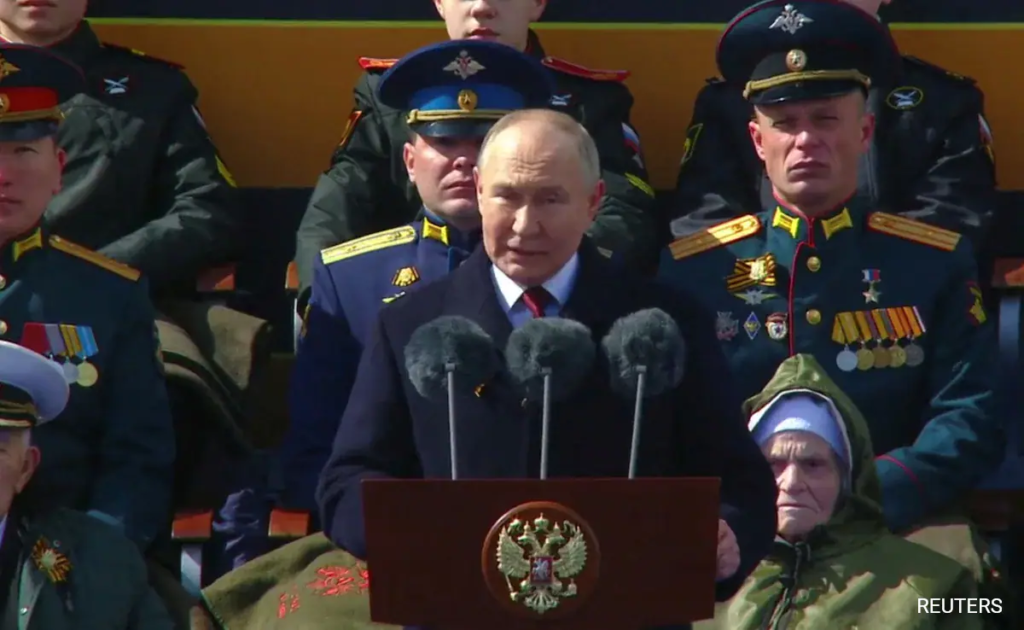
The prospect of Ukraine obtaining nuclear weapons, even hypothetically, adds another layer of complexity to the situation. From the Kremlin’s perspective, a nuclear-armed Ukraine would significantly alter the balance of power in Eastern Europe and pose an unacceptable risk to Russia’s national security.
Furthermore, Putin’s comments reflect Russia’s deep-rooted fears of encirclement by NATO and Western powers. Over the years, Russia has repeatedly expressed concerns about NATO’s eastward expansion, which it sees as an attempt to isolate and weaken Russia.
Ukraine’s potential NATO membership, coupled with the prospect of nuclear weapons, would be seen by Moscow as an existential threat. For Russia, maintaining control over the regional security architecture is paramount, and allowing Ukraine to develop nuclear weapons would undermine that objective.
At the same time, Putin’s statements serve as a warning to Ukraine and its Western allies. By drawing a clear red line, the Russian leader is signaling that any attempts to alter Ukraine’s non-nuclear status could lead to serious consequences.
This is part of Russia’s broader strategy to exert influence over Ukraine’s foreign policy decisions and ensure that the country remains within Moscow’s sphere of influence. For Putin, preventing Ukraine from obtaining nuclear weapons is not just a matter of security—it is also about preserving Russia’s geopolitical dominance in the region.
Zelensky’s Perspective: Security Through NATO or Nuclear Deterrence
Ukrainian President Volodymyr Zelensky’s comments on the need for either nuclear weapons or NATO membership reflect the difficult security situation that Ukraine finds itself in today.
Since Russia’s annexation of Crimea in 2014 and the subsequent conflict in eastern Ukraine, Kyiv has been seeking ways to bolster its defenses against further Russian aggression.
For Zelensky, the ideal solution would be Ukraine’s integration into NATO, as membership in the alliance would provide the country with the collective security guarantees it needs to deter Russia.
However, Ukraine’s path to NATO membership has been fraught with challenges. While NATO has expressed support for Ukraine’s sovereignty and territorial integrity, the alliance has been hesitant to grant Ukraine full membership due to concerns about escalating tensions with Russia.
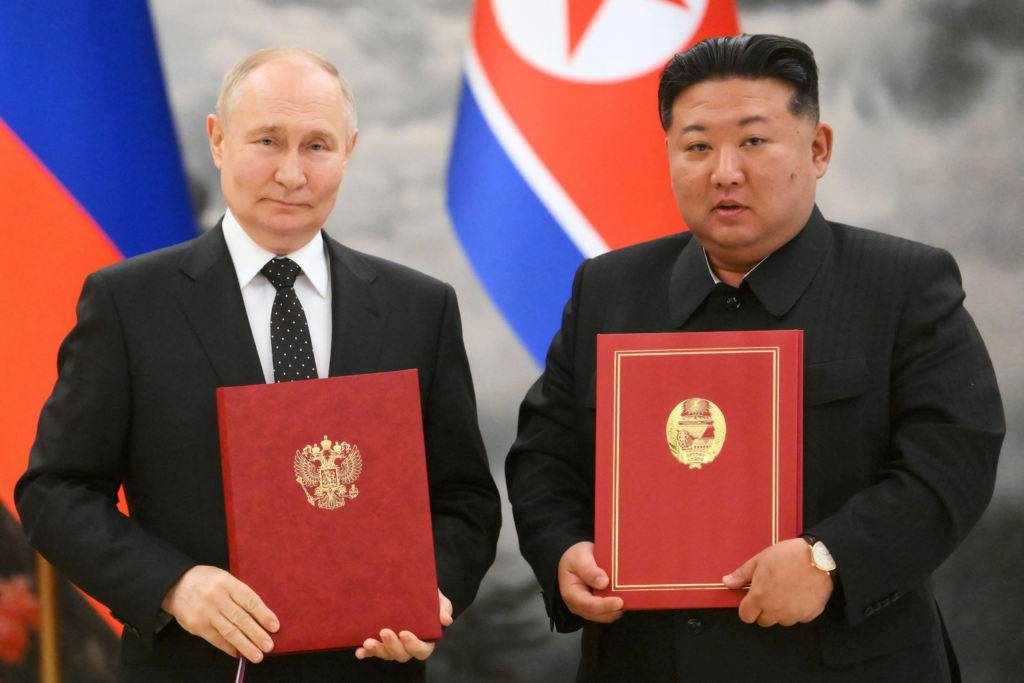
As a result, Ukraine remains in a precarious position—vulnerable to further Russian aggression but without the full protection of NATO’s security umbrella. In this context, Zelensky’s reference to nuclear weapons can be seen as a reflection of Ukraine’s growing frustration with the lack of concrete security guarantees from the West.
It is important to note that Zelensky later clarified his remarks, emphasizing that Ukraine is not pursuing the development of nuclear weapons. “We don’t do nuclear weapons. Please, don’t move these messages,” Zelensky stated, in an effort to dispel any misconceptions about Ukraine’s intentions.
Nevertheless, his comments highlight the broader debate about how Ukraine can ensure its security in the face of ongoing Russian hostility. For Zelensky and other Ukrainian leaders, the failure of the Budapest Memorandum to protect Ukraine’s territorial integrity has raised difficult questions about the country’s long-term security strategy.
In the absence of NATO membership, Ukraine’s options for deterring Russia are limited. While the international community has provided Ukraine with military aid and diplomatic support, these measures have not been enough to fully deter Russian aggression.
As a result, Ukraine is exploring alternative security arrangements, including deepening its ties with Western powers and seeking additional defense assistance. However, without the backing of a formal alliance like NATO, Ukraine remains vulnerable to further Russian intervention.
The issue of nuclear weapons in Ukraine is a deeply complex and historically significant topic that continues to shape the country’s security policies. Russia’s firm stance, as articulated by President Vladimir Putin, reflects Moscow’s determination to prevent Ukraine from acquiring nuclear capabilities at all costs.
For Putin, the prospect of a nuclear-armed Ukraine represents an unacceptable threat to Russia’s national security and regional dominance. At the same time, Ukrainian President Volodymyr Zelensky’s comments on the need for either nuclear weapons or NATO membership underscore the difficult security challenges that Ukraine faces in the wake of Russia’s annexation of Crimea and the ongoing conflict in eastern Ukraine.
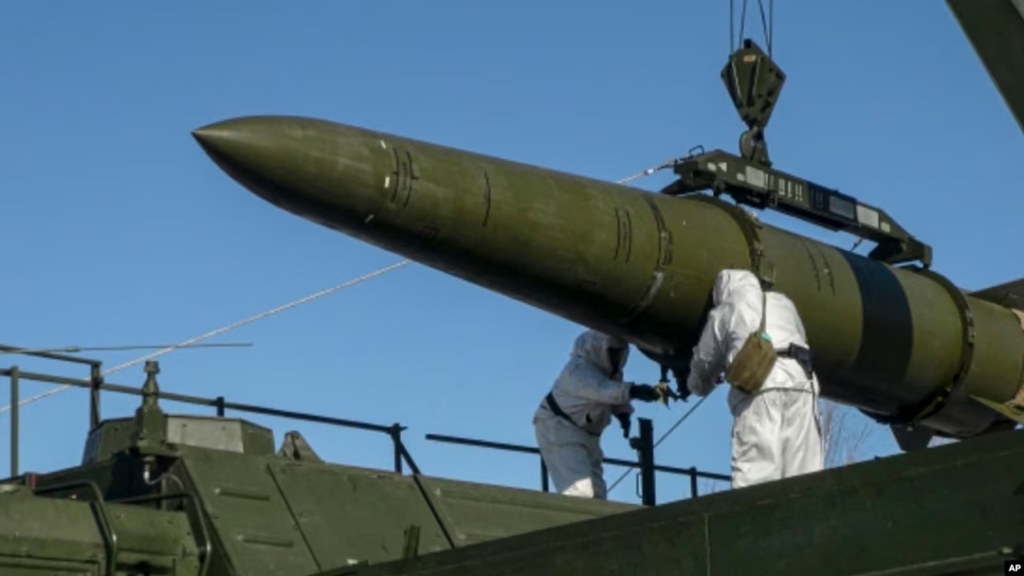
The historical context of Ukraine’s nuclear disarmament adds another layer of complexity to this issue. While Ukraine voluntarily gave up its Soviet-era nuclear arsenal in exchange for security guarantees under the Budapest Memorandum, those guarantees have proven insufficient in the face of Russian aggression.
As a result, Ukraine finds itself in a precarious position, seeking ways to bolster its defenses while navigating the geopolitical complexities of the region.
Ultimately, the question of nuclear weapons in Ukraine is emblematic of the broader power struggle between Russia and the West. As both sides continue to vie for influence in Eastern Europe, the issue of Ukraine’s security will remain a central point of contention.
Whether through NATO membership or alternative security arrangements, Ukraine’s leadership will continue to seek ways to protect the country from further Russian aggression. In the meantime, Putin’s firm stance on preventing Ukraine from obtaining nuclear weapons serves as a clear reminder of the stakes involved in this ongoing geopolitical conflict.