
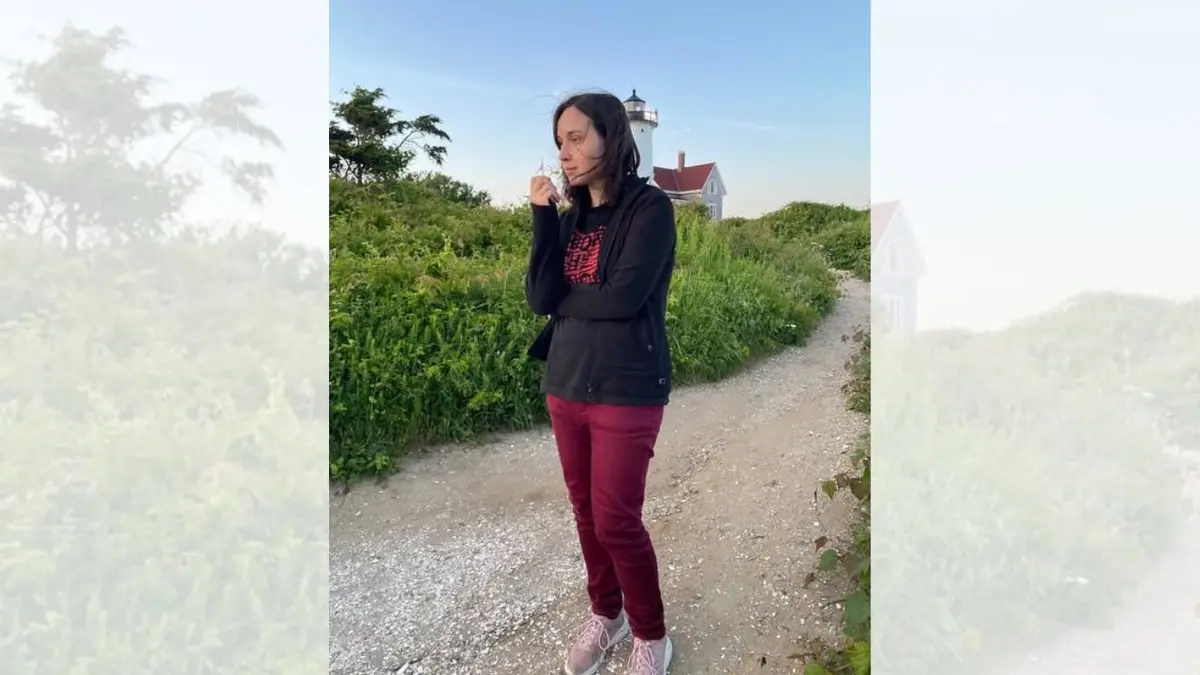
Kseniia Petrova, a Russian Scientist at Harvard Medical School, has been detained by the United States Immigration and Customs Enforcement (ICE) following her arrival at Boston Logan International Airport.
The case of Petrova, an accomplished researcher, has sparked concerns among her colleagues and human rights advocates, as she fears persecution if deported to Russia. Her detention, initially shrouded in confusion, has since become a highly discussed issue within the academic and scientific communities.
The Circumstances of Petrova’s Detention
On February 16, 2024, Kseniia Petrova returned to the United States from a trip to France but was stopped by immigration authorities at Logan International Airport. According to her colleague Cora Anderson, Petrova’s visa was unexpectedly revoked, and she was informed that she would be deported to Russia.
Faced with the imminent risk of being sent back to a country where she had previously been arrested for protesting against President Vladimir Putin and Russia’s invasion of Ukraine, Kseniia Petrova expressed her fear of political persecution. Rather than being allowed to remain in the country, she was taken into ICE custody and later transferred to a detention facility.
Initially, Petrova was held in Vermont but was subsequently moved to a detention facility in Louisiana. According to Anderson’s account, Petrova is being held in a facility where over 80 other female detainees are also confined. Despite legal representation and support from Harvard Medical School, she remains in detention with no clear timeline for release.
Read : Super Bowl Performer Unfurls Sudanese-Palestinian Flag, Detained
Her detention has raised numerous questions about the treatment of foreign academics and researchers in the United States, particularly in the context of increased scrutiny of international scholars. Petrova had been legally residing in the U.S. on a work visa and had no prior violations that would warrant her abrupt detainment.
A Bureaucratic Error with Serious Consequences
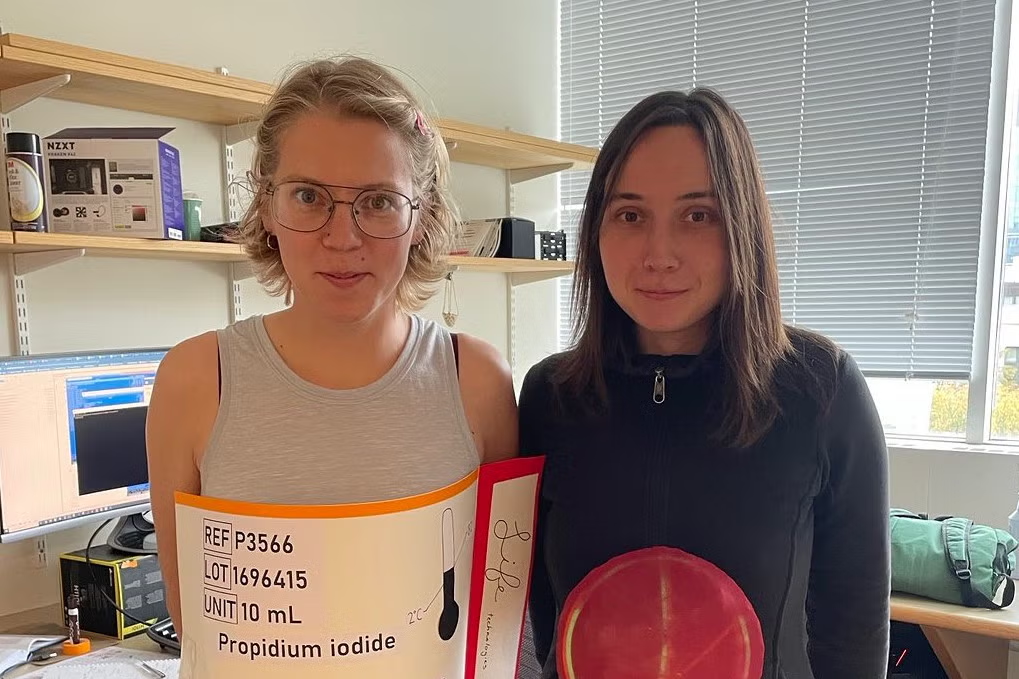
Kseniia Petrova’s boss, Leon Peshkin, has spoken publicly about the circumstances leading up to her detainment. According to Peshkin, Petrova had been on vacation in Paris and was asked to bring back a box of frog embryo samples for research purposes.
The transportation of these samples was legal, but a paperwork error on her customs declaration form led to complications upon her arrival in Boston. Instead of issuing a fine—a standard penalty for such minor infractions—immigration officials decided to deny Petrova re-entry and revoke her visa.
Read : Over 400 Migrants Brought into the US by ISIS-Linked Network
The legal repercussions for improperly importing non-toxic, non-hazardous biological material usually amount to a fine of up to $500. However, in Petrova’s case, the decision to escalate the issue to an immigration matter and detain her indefinitely appears to be a disproportionate response.
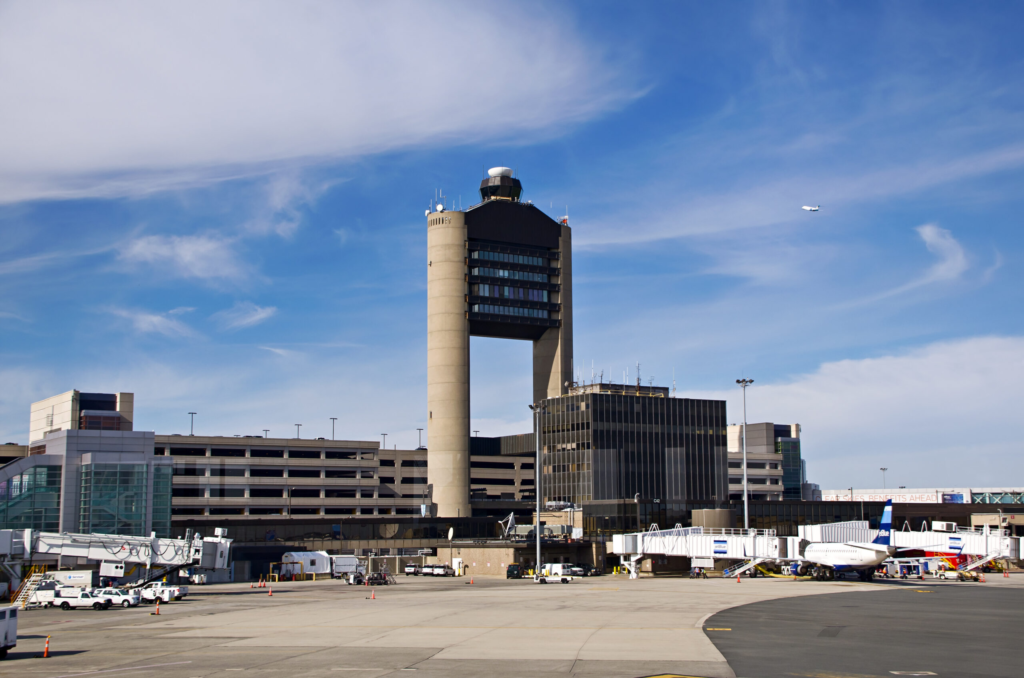
When Kseniia Petrova indicated that returning to Russia would put her life at risk, ICE took custody of her while she awaited an asylum hearing. Peshkin noted that while she should be eligible for parole, recent policies have made parole for detainees increasingly difficult to obtain.
Petrova’s situation highlights the rigidity of the current immigration system, where minor technical errors can lead to severe consequences for international professionals who have been legally residing in the U.S. The case also underscores the vulnerabilities faced by individuals who have fled authoritarian regimes and fear persecution if deported.
Growing Concerns Over Detainment of Academics and Researchers
Petrova’s case is not an isolated incident. In recent weeks, several university students and researchers, including green card holders, have been detained by U.S. immigration authorities under various circumstances.
A recent incident involving a French scientist who was denied entry into the U.S. after immigration officers found messages critical of former President Donald Trump on his phone has added to concerns about the increasing scrutiny faced by foreign scholars.
Additionally, Canadian citizen Jasmine Mooney was detained for two weeks by ICE before being released, while German tattoo artist Jessica Brösche was held for six weeks, including eight days in solitary confinement, after being arrested at the Mexican border.
There have also been instances where students and researchers who expressed solidarity with Palestine during Israel’s war on Gaza have been targeted. A Turkish doctoral student at Tufts University, Rumeysa Ozturk, was recently detained in an incident that sparked widespread outrage.
Palestinian activist and Columbia University graduate Mahmoud Khalil, a U.S. green card holder, was detained in front of his pregnant wife, while an Indian postdoctoral fellow at Georgetown University, Badar Khan Suri, was accused of having ties to Hamas. These cases indicate a broader pattern of increased immigration enforcement against international academics.
Petrova’s case is particularly alarming due to the political ramifications of her potential deportation. Her vocal opposition to Russia’s invasion of Ukraine and her public call for President Putin’s impeachment make her a likely target for persecution if she is forced to return to Russia. Despite her asylum claim and the support of her employer, she remains detained with no clear resolution in sight.
What Comes Next for Kseniia Petrova?
Supporters of Petrova have launched a GoFundMe campaign to cover her legal expenses and support her application for a new visa. According to Anderson, the process of obtaining a new visa is lengthy and complicated, potentially leaving Petrova without employment and financial stability for months.
While her asylum hearing is pending, the lack of parole opportunities has left her in limbo. Advocates argue that detaining someone over a minor paperwork error—especially when that individual has a legitimate fear of political persecution—violates principles of justice and humanitarianism.
Harvard Medical School and various legal teams continue to advocate for Petrova’s release, but the outcome remains uncertain. If she is deported, it could set a troubling precedent for other foreign researchers and academics working in the United States. Her case also raises questions about the U.S. immigration system’s treatment of asylum seekers, especially those fleeing authoritarian regimes.
The scientific community has also expressed concern over the broader implications of Petrova’s detention. In an era of increasing global collaboration in scientific research, detaining and potentially deporting highly skilled researchers could have long-term consequences for innovation and academic exchange.
Kseniia Petrova is regarded as one of the most talented researchers at Harvard Medical School, and her detention underscores the difficulties faced by international scientists navigating complex immigration regulations.
As Petrova waits in an ICE detention facility in Louisiana, her supporters continue to push for her release. Whether she will be granted parole or forced to remain in detention indefinitely remains to be seen. However, her case has already ignited debates about immigration policies, academic freedom, and the treatment of foreign researchers in the United States.
With mounting pressure from human rights advocates, legal experts, and the academic community, there is hope that Petrova’s situation will be resolved in her favor. But until then, she remains in detention, facing an uncertain future in a system that has increasingly criminalized international scholars over minor infractions.