
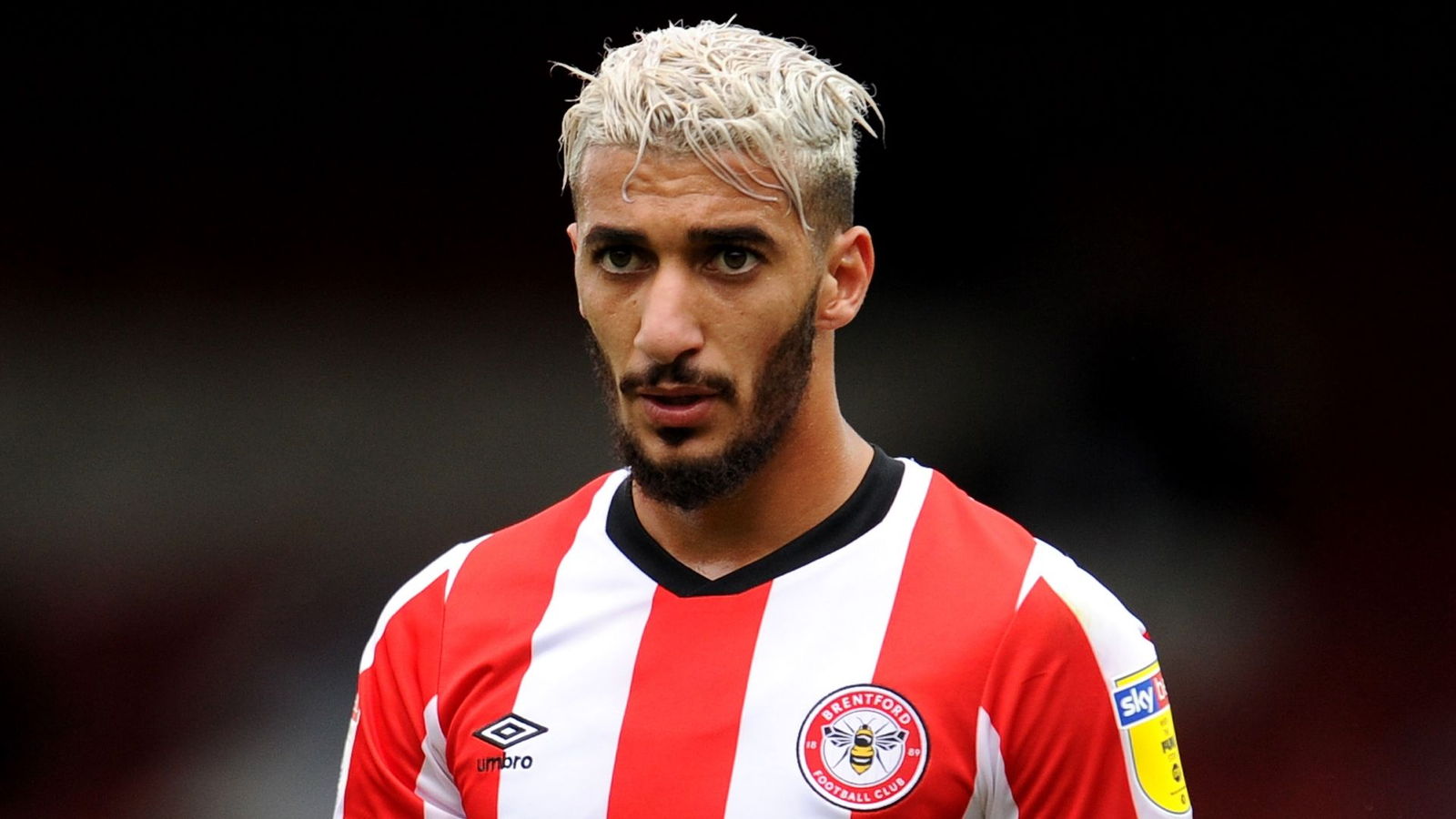
Former West Ham United winger Said Benrahma has been fined more than £12,000 by a UK court after his two XL bully dogs escaped from his east London home and attacked a golden retriever during an evening walk. The 30-year-old Algerian international, who now plays for Saudi Pro League club Neom, appeared by video link from his car in Saudi Arabia as Willesden Magistrates’ Court handed down the penalty. The court heard that Benrahma’s dogs, which are now in France, chased and mauled a golden retriever named Bailey, leaving the pet in need of veterinary treatment and its owner, Luke Rehbin, with minor injuries.
Although Said Benrahma was not directly responsible for leaving the gate open, the judge emphasised that the footballer bore ultimate responsibility for his animals. The incident has reignited public debate over dangerous dog breeds and the responsibilities of owners, particularly as the UK tightens its laws around the ownership and control of XL bully dogs. The attack, described by the court as distressing and frightening for the victims, serves as a reminder of how quickly such incidents can occur — and how seriously they are viewed by both the public and the courts.
A Late-Night Walk Turns Violent: Details of the Attack
According to evidence presented in court, the attack unfolded around 9 p.m. in Hornchurch, east London, where Said Benrahma had been living at the time. Prosecutor Rene De Silva told the court that Luke Rehbin was walking his golden retriever, Bailey, when two XL bully dogs suddenly bolted from Benrahma’s property. The dogs “ran over” and began attacking Bailey with little warning. Rehbin, in a desperate attempt to protect his pet, tried to intervene but was overpowered by the animals’ strength and aggression.
The court heard that Bailey suffered multiple injuries requiring veterinary attention, while Rehbin himself sustained grazes to his arms and legs after wrestling with the dogs on the ground. In a written statement read during the hearing, Rehbin recalled the struggle in vivid terms. “It was so hard to stop them because of the weight of them and the speed of them,” he said. The trauma of the incident, he added, had left him worried that his dog might be attacked again during future walks.
After the attack, Rehbin saw Said Benrahma standing on his driveway with one of the dogs. The footballer reportedly appeared “defensive,” repeating that he would “look at the cameras” because “the gate is never open.” Despite Benrahma’s insistence that he was unaware of how the dogs had escaped, the court later determined that the responsibility for the animals’ control ultimately rested with him.
Read : 15-Year-Old Colton Mims Suffers Fractured Spine After Opponent Jumps on Him During Football Game
Said Benrahma’s defence lawyer, Adrian England, explained that a worker at the player’s property had accidentally left a side gate open, allowing the dogs to run out into the street. England described the incident as “out of character” for the dogs, emphasising that they were generally well-behaved and had no prior history of aggression. Nevertheless, the prosecution argued that the outcome could have been far more severe and that the emotional and physical impact on the victims warranted a substantial penalty.
The Court’s Decision and the Legal Implications
District Judge Matt Jabbitt, who presided over the hearing, told Said Benrahma that while he accepted the footballer was not personally responsible for the gate being left open, ownership came with “overall responsibility” for the dogs. The judge noted that the event must have been “very distressing” for both the golden retriever and its owner, and stressed that even momentary lapses in control could have serious consequences when powerful breeds are involved.
Said Benrahma pleaded guilty to two counts of owning dangerously out-of-control dogs under the Dangerous Dogs Act 1991. The court imposed fines of £5,000 for each of the two attacks, alongside an order to pay £2,500 in compensation to Rehbin and an additional £495 to cover kennel costs. “You expressed remorse when interviewed,” Judge Jabbitt told Benrahma. “You were not responsible for the gate being left open, but you have overall responsibility for both dogs.” The judge also remarked on the unusual nature of the hearing, noting, “I’ve not come across a case before where I’m sentencing someone in the Middle East.”
Read : The Titans of Football: Exploring the World’s Seven Largest Stadiums
The case highlights the strict liability principle embedded in UK law concerning dog ownership. Under the Dangerous Dogs Act, it is a criminal offence for any dog to be “dangerously out of control” in a public place, or even on private property where it is not permitted. The term “dangerously out of control” encompasses any situation in which a dog injures a person or animal, or where there are reasonable grounds to believe it might do so. The law applies regardless of whether the owner intended harm or had any direct role in causing the incident.

This case also intersects with the UK government’s recent decision to ban the breeding, sale, and ownership of XL bully dogs unless the owner has an exemption certificate. The breed has been linked to a series of high-profile attacks, prompting growing public concern and a push for stricter enforcement. While Said Benrahma’s case predates the full implementation of the ban, it underscores why authorities have taken such a hard line on controlling large and muscular breeds capable of inflicting significant harm.
The fines, compensation, and public censure in Said Benrahma’s case serve as both punishment and deterrent. For professional athletes and high-profile individuals, such incidents also carry reputational costs that can outlast the legal consequences. Benrahma’s willingness to appear in court via video link and his expression of remorse suggest an attempt to take responsibility, though the damage to his public image may linger.
A Career Overshadowed by an Unfortunate Incident
Said Benrahma’s football career has been marked by moments of flair, creativity, and technical brilliance — traits that once made him one of the Premier League’s most entertaining wingers. Born in Aïn Témouchent, Algeria, in 1995, Benrahma rose through the ranks of French football before making his mark at Brentford, where his dazzling performances helped propel the club toward Premier League contention. His subsequent £30 million transfer to West Ham United in October 2020 was seen as a major step forward in his career.
During his four seasons at West Ham, Said Benrahma made 155 appearances and scored 24 goals, including several decisive strikes in domestic and European competitions. His playing style, often characterised by sharp dribbles, quick turns, and precise finishing, made him a fan favourite. However, his time in the Premier League also had its ups and downs, with periods of inconsistency and speculation about his relationship with successive managers.
In June 2024, Said Benrahma completed a £12 million move to French side Olympique Lyonnais, seeking a fresh start and more consistent playing time. His career took another turn when he later joined Saudi Pro League side Neom, reflecting the growing trend of established European players moving to the Middle East. The court appearance via video link from Saudi Arabia was symbolic of that transition — a footballer who had once lit up English stadiums now addressing a British magistrate from thousands of miles away. The judge’s remark about sentencing someone “in the Middle East” underscored the global nature of modern football and the complex intersection between personal responsibility and international lifestyles.
Said Benrahma’s case also reflects the pressures that come with wealth and fame. Maintaining properties across different countries, employing staff, and managing personal commitments can create situations where oversight lapses — sometimes with serious consequences. While Benrahma’s defence that a worker had left the gate open was accepted as truthful, the law’s stance is unambiguous: the owner remains accountable.
Beyond the legal proceedings, the incident has sparked wider conversations about how athletes and public figures handle the responsibilities that come with pet ownership. The case mirrors similar situations involving celebrities whose dogs have attacked people or other animals, reminding the public that fame does not confer immunity from the law.
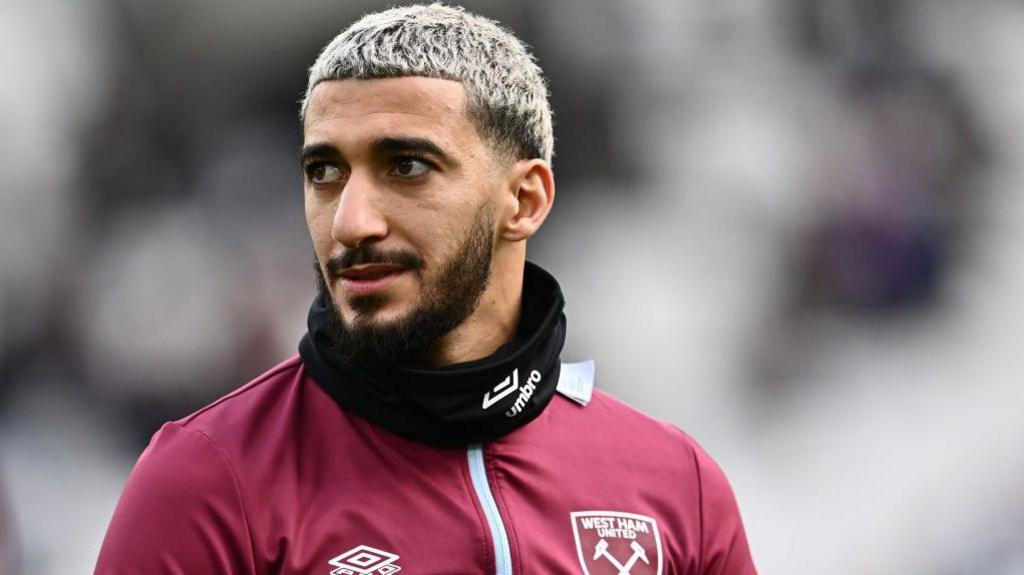
The XL bully breed, in particular, has become a focal point of controversy in recent years. Known for their muscular build and strong temperament, these dogs have been involved in several fatal and non-fatal attacks across the UK. Advocates argue that the breed is misunderstood and that poor training, neglect, and irresponsible ownership are the real issues. Critics, however, maintain that the sheer power and unpredictability of XL bullies make them too dangerous for domestic environments.
In Said Benrahma’s case, the dogs were described as normally well-behaved and are now reportedly living in France, away from the public environment that triggered the incident. The decision to relocate them abroad may have been both a practical and reputational measure, reflecting the heightened scrutiny surrounding the breed in Britain.
For Luke Rehbin and his golden retriever Bailey, the aftermath of the attack has been emotionally taxing. His victim statement to the court conveyed lingering anxiety and fear about walking his dog again. “It’s hard not to look around constantly, wondering if something like that could happen again,” he said. Such psychological impacts are common among victims of dog attacks and often extend far beyond the physical injuries involved.
As for Said Benrahma, while the incident is unlikely to derail his playing career in Saudi Arabia, it adds an unwelcome chapter to his public record. For a player once celebrated for his composure on the pitch, the court case serves as a cautionary tale about the responsibilities that extend off it.
The case against Said Benrahma underscores a broader message about accountability in modern society — particularly for those in positions of privilege and visibility. Regardless of fame, financial status, or international residence, the legal and moral obligations of dog ownership remain the same. When such obligations are neglected, even inadvertently, the consequences can be both serious and far-reaching.
Ultimately, this episode serves as a stark reminder that control, vigilance, and respect for the law are as essential in personal life as discipline and precision are in professional sport. For Benrahma, the fine and the court’s admonition mark not only a financial penalty but also a lesson in responsibility — one that may resonate far beyond the football field.
Good write-up, I am regular visitor of one’s blog, maintain up the nice operate, and It’s going to be a regular visitor for a long time.
**mitolyn**
Mitolyn is a carefully developed, plant-based formula created to help support metabolic efficiency and encourage healthy, lasting weight management.
I like this post, enjoyed this one regards for posting. “The universe is not hostile, nor yet is it unfriendly. It is simply indifferent.” by John Andrew Holmes.