
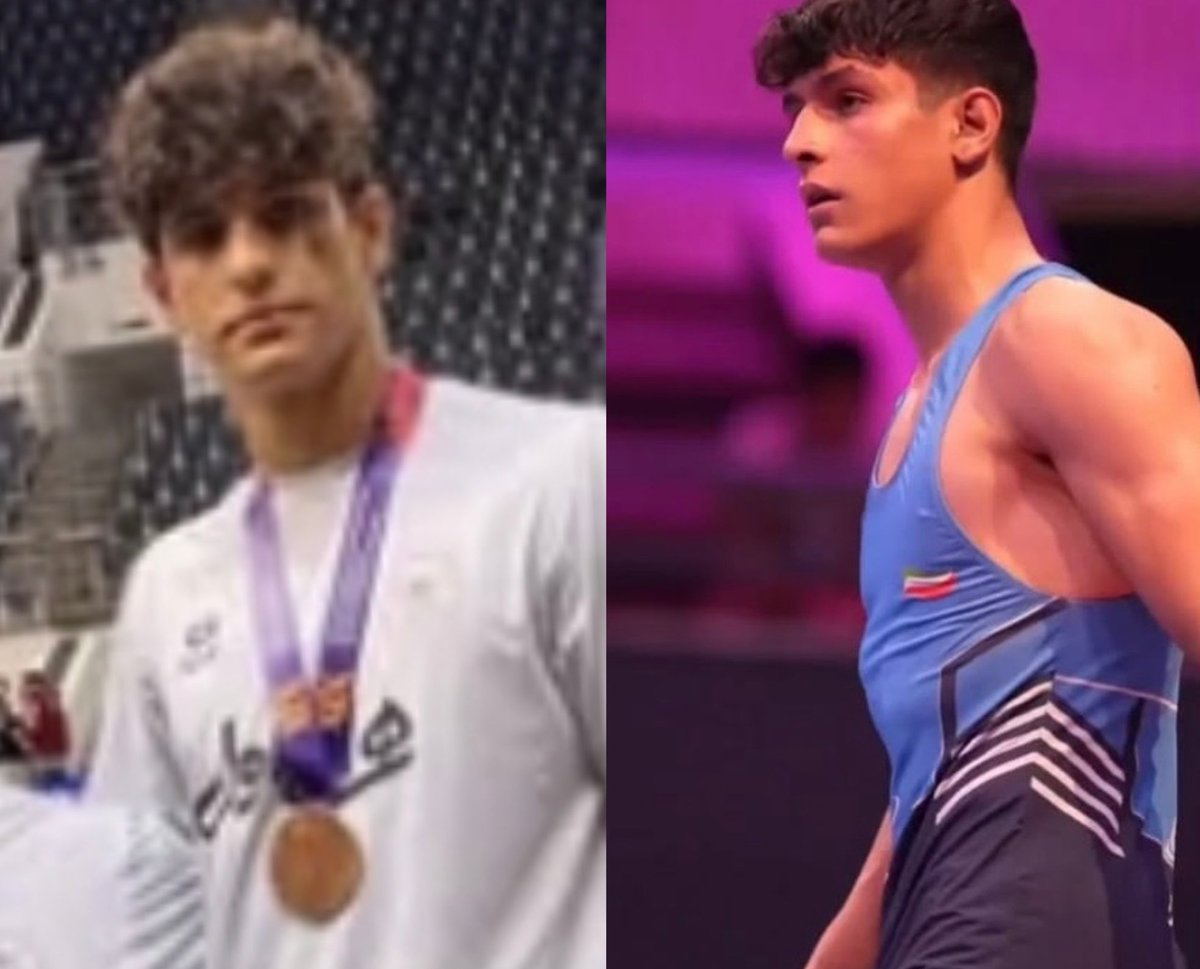
The execution of 19-year-old Iranian wrestler Saleh Mohammadi has drawn widespread condemnation from human rights activists, political analysts, and members of the global sporting community. His death, carried out despite international appeals and mounting scrutiny, has intensified concerns about the Iranian government’s treatment of young protesters and athletes. Mohammadi’s case is not being viewed in isolation but rather as part of a broader pattern in which individuals with public visibility, particularly athletes, are targeted in efforts to suppress dissent. As details surrounding his arrest, trial, and execution emerge, they present a complex and troubling portrait of a young athlete whose life intersected with a period of political unrest in Iran.
A Rising Athlete with National Recognition
Saleh Mohammadi was not an obscure figure within Iran’s wrestling circles. As a young freestyle wrestler, he had already begun to establish himself on the international stage, representing his country and earning recognition for his athletic ability. His bronze medal at the Saytiyev International Cup in Krasnoyarsk in September 2024 marked a significant milestone in his early career. For a teenager competing at that level, such an achievement indicated both promise and dedication, qualities that are deeply valued in Iran’s long-standing wrestling tradition.
Wrestling holds a unique cultural significance in Iran, often associated with discipline, honor, and national pride. Athletes who excel in the sport frequently gain admiration and become symbols of perseverance. Mohammadi’s journey reflected this tradition, as he progressed through the ranks with aspirations of further international success. Footage and reports describing his training and competitive efforts portray a young individual committed to his craft, striving to build a future through sport.
However, his identity as an athlete also made his case more visible when he became entangled in political events. Human rights activists argue that this visibility may have contributed to the severity of the state’s response. The targeting of athletes, they suggest, serves not only to punish individuals but also to send a broader message to society, particularly to young people who may look up to such figures.
Arrest, Charges, and Controversial Trial
The circumstances leading to Mohammadi’s arrest stem from protests that took place on January 8 in the city of Qom, a location of religious and political importance in Iran. According to Iranian authorities, Mohammadi and two others were involved in an attack on police officers using knives and swords during these demonstrations. The government further alleged that the accused were acting on behalf of foreign powers, specifically Israel and the United States, a claim that has frequently been used by officials to characterize dissent as externally influenced.
These accusations were strongly contested by activists and independent observers. Reports from human rights organizations and commentators described the legal proceedings as deeply flawed. Allegations included the use of torture to extract confessions, denial of access to legal counsel of the defendants’ choosing, and closed-door trials that limited transparency. Additionally, it was claimed that the defendants were not granted the right to appeal, raising further questions about due process.
The charge brought against Mohammadi, “enmity against God” or moharebeh, is a serious offense under Iranian law that has been used in cases involving political dissent and protest activity. Critics argue that its broad interpretation allows authorities to apply it in situations where individuals are accused of opposing the state, rather than committing acts that meet internationally recognized standards for such a severe charge.
Iranian Islamic regime just publicly hanged 19-year-old champion wrestler Saleh Mohammadi as part of the crackdown on protests
— TONY™ (@TONYxTWO) March 20, 2026
And Trump is the bad guy for taking them out?
Y’all are wild
pic.twitter.com/upeWFjM1b2
International reactions began to intensify as news of Mohammadi’s death sentence spread. The United States State Department expressed concern, urging Iranian authorities to halt executions of individuals sentenced for exercising fundamental rights. Appeals for clemency were also made by members of the wrestling community, including former Iranian athletes and coaches who attempted to draw attention to his case.
Despite these efforts, the execution was carried out, reportedly as a public hanging in Qom Central Prison. Human rights advocates described the method and manner of the execution as intended to serve as a deterrent to others, reinforcing a climate of fear amid ongoing protests.
Global Reactions and Broader Implications
The execution of Saleh Mohammadi has triggered strong reactions across multiple sectors, particularly among human rights groups and the international sporting community. Activists have characterized his death as politically motivated, arguing that it reflects a deliberate strategy to suppress dissent by targeting individuals with public influence. Comparisons have been drawn to previous cases involving Iranian athletes, reinforcing the perception of a recurring pattern.
Criticism has also been directed at international sporting organizations, including the International Olympic Committee and United World Wrestling. Some activists have argued that these bodies failed to take sufficiently strong action while Mohammadi was still alive. Calls for more decisive measures, such as suspending Iran from international competitions, have gained traction among those who believe that stronger pressure could influence government behavior.
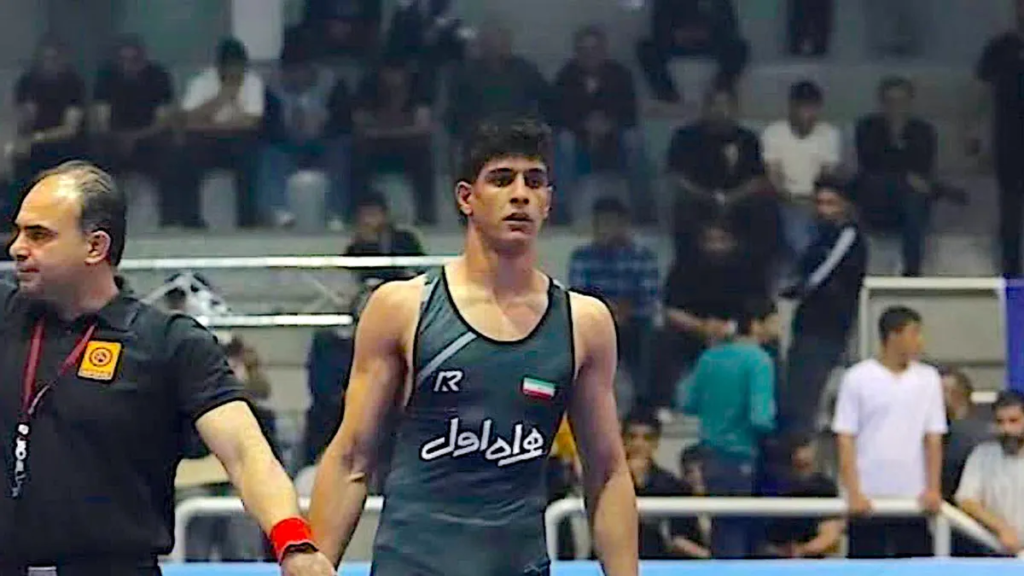
At the same time, the situation presents a complex dilemma. Broad sanctions or bans in sports could impact other Iranian athletes who are not involved in political activities and who may themselves oppose government actions. This tension highlights the difficulty of balancing accountability with fairness in the realm of international sports.
Public figures and analysts have also weighed in, emphasizing the need for consequences in response to executions of young protesters. Some have called for boycotts, while others have stressed the importance of sustained international attention to human rights issues in Iran. Social media has played a significant role in amplifying these voices, with activists sharing details of Mohammadi’s case to raise awareness globally.
The broader implications of his execution extend beyond the immediate tragedy of a young life lost. It underscores the ongoing conflict between state authority and public dissent in Iran, particularly among younger generations. The use of severe legal penalties, including capital punishment, in response to protest activity has drawn increasing scrutiny and condemnation from the international community.
For many observers, Mohammadi’s story represents more than an individual case. It serves as a symbol of the risks faced by those who participate in or are associated with movements for change. His identity as an athlete adds another dimension, highlighting how individuals who once brought pride to their country can become targets when political tensions escalate.
As discussions continue, the case of Saleh Mohammadi is likely to remain a focal point in debates about human rights, state power, and the role of international institutions. It raises difficult questions about accountability, the limits of diplomatic influence, and the effectiveness of global advocacy efforts. While reactions have been strong, the long-term impact of this case will depend on whether it leads to sustained pressure and meaningful changes in how such situations are addressed in the future.
I wasn’t expecting to learn so much from this post!