

Samantha Strable, the American influencer whose handling of a baby wombat during a trip to Australia earlier this year sparked widespread outrage, has again drawn international attention following her arrest in Wyoming. The 25-year-old, who also uses the name Sam Jones online, is facing multiple misdemeanour charges relating to alleged violations of state hunting regulations.
Her case has revived global scrutiny of her conduct, not only concerning wildlife but also with regard to the ethics of her public persona as a self-described wildlife biologist and environmental scientist. With new allegations emerging about falsified residency claims and improper hunting activities, authorities in the United States are preparing to weigh several legal issues that could result in significant penalties. The incident marks the latest chapter in a series of controversies surrounding Strable, whose online presence and actions have repeatedly fuelled strong reactions in Australia, the United States and beyond.
Background of the Viral Wombat Incident
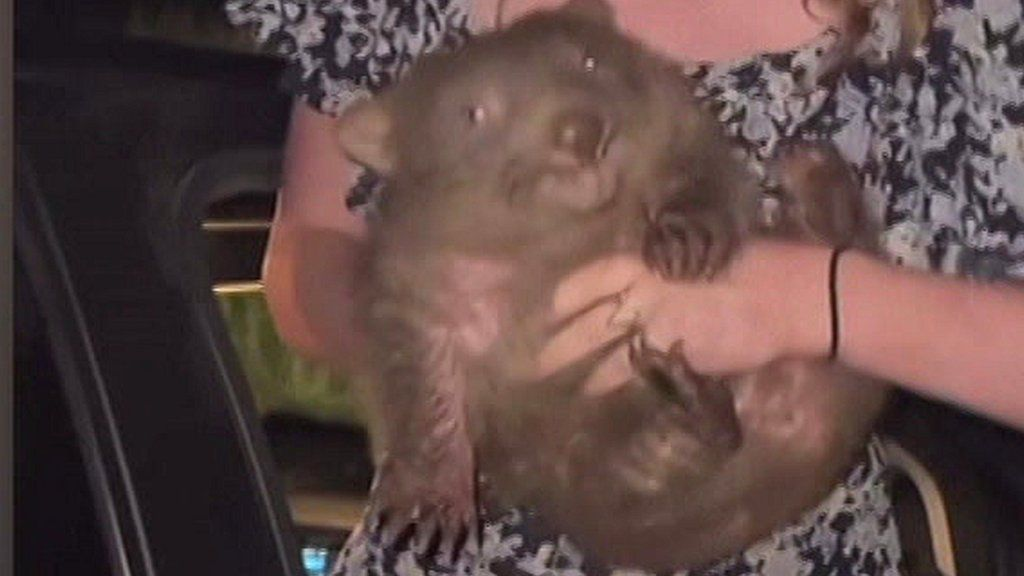
Strable first entered worldwide headlines in March when footage circulated of her picking up a baby wombat on a Queensland roadside at night. The video, filmed by a man laughing in the background, showed Strable running across the road with the young marsupial dangling from her arms while its distressed mother followed behind. She paused to pose with the baby wombat for a photograph, later describing the moment as fulfilling her “dream” to hold the iconic Australian animal.
Her captions claimed she reunited the baby with its mother safely, though the imagery and circumstances immediately triggered anger from wildlife experts and viewers across social media. In Australia, the incident was widely condemned as harassment of wildlife. Conservationists argued that even brief interactions can cause extreme stress to marsupials, particularly species such as wombats, which are vulnerable to road trauma and rely heavily on maternal bonding.
Government officials weighed in as well. Prime Minister Anthony Albanese sharply criticised Strable’s actions, suggesting mockingly that she attempt to seize “a baby crocodile” if she believed such behaviour was acceptable. Home Affairs Minister Tony Burke joined in denouncing the influencer, adding that the government was “glad to see the back of her” after she quietly departed the country amid escalating public pressure.
I hope your dried up minge falls off. Nasty bitch. Typical american – all gun, no compassion and no brain.
— cats.rfun (@cats3108) March 14, 2025
"US hunter influencer Samantha Strable, not only harassed a baby wombat in Australia, but also killed a wallaby in New Zealand. Ignorant fuckwit." pic.twitter.com/dEftII1nXA
The outcry led to a Change.org petition calling for Strable to be banned from Australia. It drew nearly 50,000 signatures before closing, reflecting the depth of public sentiment over the incident. In response, Strable issued a lengthy statement portraying herself as misunderstood and insisting she had acted out of concern, claiming she believed the wombats might have been in danger of being struck by a vehicle. She accused Australians of hypocrisy, arguing that the country’s treatment of its native fauna should also come under scrutiny.
Her statements, however, did little to calm the controversy. In the months following, Strable largely withdrew from public discourse, only occasionally posting travel and hunting content. The wombat episode, while fading from headlines, remained associated with her name and played a significant role in shaping public perceptions of her conduct.
Allegations of Illegal Hunting Activity in Wyoming
Strable’s re-emergence into international news stems from an investigation in Wyoming, where authorities allege she falsified residency information to obtain multiple hunting licenses reserved for state residents. According to court filings, she claimed a Wyoming address that she did not actually occupy in order to secure the licenses, which are notably more accessible and less costly for residents. The charges include six counts of false swearing, one count of taking wildlife without a license and one count related to hunting in a wilderness area without the required guide, a regulation that applies to nonresidents.
Read : US Influencer Sam Jones Faces Backlash After Taking Baby Wombat From Its Mom in Australia
Sublette County records indicate she was booked into the county jail on November 21 before being released the same day on her own recognizance. Local reporting from Cowboy State Daily states that an anonymous tip submitted to authorities in August prompted the investigation. The tip alleged that Strable had been “bragging” to her more than 90,000 social media followers about obtaining resident tags despite living out of state. A search of Wyoming’s Game and Fish license database reportedly showed she began purchasing resident tags in 2022.
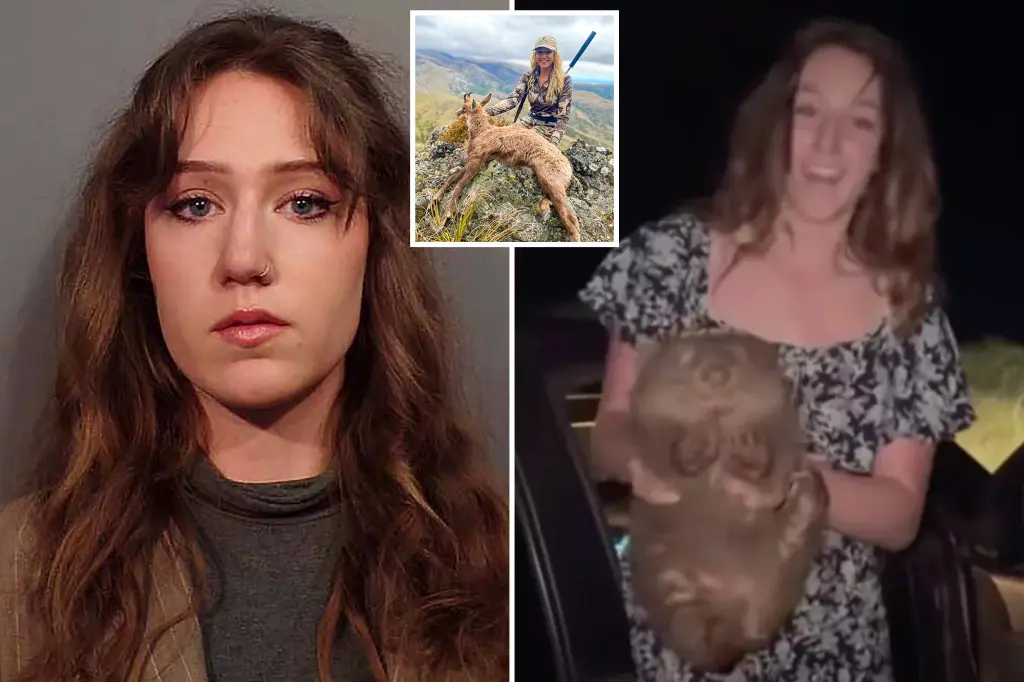
Prosecutors assert that Strable has in fact been living in Great Falls, Montana. Additional social media activity allegedly placed her not only in Montana but also in North Dakota during the period when she claimed Wyoming residency. If proven, the contradictions could form a key element of the case against her. Resident hunting licenses carry significant privileges, allowing holders access to tags that are often limited in number and difficult for nonresidents to obtain. Misrepresenting residency to acquire them is a serious offence within the state’s wildlife management system.
The charges she faces, while misdemeanours, carry the possibility of substantial fines and potential jail time. Wyoming’s wildlife laws are structured to protect resources that are central to the state’s outdoor culture, and violations involving dishonesty are treated with particular seriousness. The case also raises broader questions about the responsibilities of influencers who use images of hunting and wildlife encounters to build online brands, especially when those actions intersect with regulated conservation systems.
Continuing Controversy Surrounding Strable’s Public Image
Strable’s arrest has reignited debates about her behaviour, her self-presentation and the role of social media in shaping public interactions with wildlife. Her online persona blends elements of conservation messaging with images of hunting trophies, fieldwork scenes and encounters with wild animals. Supporters view her as an adventurous outdoorswoman who shares her experiences for educational purposes, while critics argue that her actions often blur the line between documentation and exploitation.
The wombat incident remains central to that criticism. Although Strable claimed she acted out of concern, wildlife experts noted at the time that her behaviour showed a disregard for established protocols. Interfering with native animals, particularly nocturnal species like wombats, can result in significant distress or injury, and any handling of wildlife in Australia is strictly regulated. Her decision to post the footage online amplified the situation, drawing not only local anger but international attention and high-level governmental condemnation.
In her earlier apology, Strable argued that the public reaction had become threatening and disproportionate, describing thousands of messages that allegedly placed her safety at risk. She framed the backlash as an example of misplaced outrage, asserting that she had attempted to help the animals and that larger systemic issues deserved attention. Yet the legality or morality of her actions continued to be debated, and the incident has persisted as a defining moment in her public narrative.
Read : Saratoga Water and Banana Sales Jump After Fitness Influencer Ashton Hall Shared Morning Routine
The new allegations in Wyoming have broadened scrutiny of Strable’s conduct beyond the wombat episode. Photographs on her social media accounts depict her posing with a variety of animals and hunting achievements, including a chamois in New Zealand and a sedated bear as part of conservation work. While many of these images appear to be connected to legitimate field activities, state officials now contend that some of the hunting-related posts may reflect the improper acquisition of licenses. If such posts were used to celebrate hunts conducted under fraudulent permits, they could play a role in the prosecution’s case.
The arrest also highlights how digital footprints can intersect with wildlife law enforcement. The anonymous tip that triggered the investigation, as well as the review of Strable’s online activity, underscores how social media creates visibility that can both bolster and undermine an influencer’s public identity. In Strable’s case, the very platforms that helped her build a following also provided evidence that investigators say contradicts her claims.
For many observers, the incident raises broader questions about the responsibilities of individuals who use wildlife encounters to cultivate online attention. Conservationists and regulatory authorities alike have noted increasing concerns about people approaching or mishandling wild animals for the sake of content, often without understanding—or choosing to ignore—the potential harm. Strable’s case, both in Australia and now in Wyoming, is seen by some as a high-profile example of this trend.
As the legal process moves forward, Strable will have the opportunity to contest the charges in court. Her release on recognizance indicates she will remain free during proceedings, though she faces a lengthy and potentially costly legal battle. The outcome will likely determine not only any penalties she may face but also the direction of her public career, particularly if prosecutors succeed in proving deliberate misrepresentation.
While she has not yet issued a new public statement regarding the Wyoming arrest, the renewed attention has already prompted familiar discussions on social media platforms where users continue to debate her conduct. Some argue that she is unfairly targeted because of earlier controversies, while others contend that the accumulation of incidents reflects deeper issues in her treatment of wildlife and adherence to regulatory standards. For now, the case stands as a complex intersection of personal behaviour, wildlife protection laws and the role of social media in shaping modern accountability.
The charges carry serious implications under Wyoming law, and wildlife officials are expected to present detailed evidence regarding her license history and documented locations of residence. Should the allegations be proven, Strable could face significant repercussions, including fines, hunting privilege suspensions and potential incarceration. Her next court appearance is likely to draw considerable attention, given both the nature of the accusations and the degree to which her earlier controversy remains in public memory.
Royalbet444, nothing too fancy, but it gets the job done. Haven’t had any major issues so far. Pretty standard place to place a bet. Your mileage may vary! Check it out at: royalbet444