

The annual SantaCon bar crawl, long known for its chaotic mix of holiday costumes and heavy drinking across New York City, is now at the center of a federal fraud case that has drawn attention far beyond its usual reputation. Authorities allege that the man behind the event, Stefan Pildes, systematically diverted funds that participants believed were being donated to charitable causes. Instead of supporting nonprofit organizations, a substantial portion of the money was allegedly used to finance personal expenses and private ventures over several years. The accusations have not only raised concerns about financial misconduct but have also cast a shadow over an event that has operated under the premise of festive generosity.
Federal prosecutors say the alleged scheme stretched from November 2019 through April of this year, during which time millions of dollars were collected through ticket sales. Participants, many of whom attended the event believing their contributions would benefit charities, were unaware that a significant portion of those funds may never have reached their intended destinations. The case has triggered broader scrutiny of how large informal events handle charitable claims and financial transparency, especially when operating across multiple venues and attracting thousands of attendees.
Allegations of Fraud and Misuse of Funds
According to the federal indictment, Stefan Pildes, a 50-year-old resident of Hewitt, New Jersey, has been charged with one count of wire fraud. Prosecutors allege that he misrepresented the purpose of ticket proceeds from SantaCon events, leading participants to believe their money would support various charitable organizations. Over a period of more than six years, approximately $2.7 million was raised through ticket sales tied to the event. Authorities claim that more than half of that amount was diverted into what they describe as a “slush fund” controlled by Pildes.
The indictment outlines a pattern of spending that included a wide range of personal expenses. Among the most significant allegations is the use of $365,000 in event funds to renovate a lakefront property in New Jersey. Additionally, about $124,000 was reportedly spent on leasing a luxury apartment in Manhattan. Beyond these large expenditures, prosecutors allege that hundreds of thousands of dollars were used for discretionary spending such as concert tickets, upscale dining experiences, and high-end vacations.
The core of the case centers on the claim that attendees were explicitly told their ticket purchases would benefit charitable organizations. The 2025 SantaCon event, for instance, listed beneficiaries including City Harvest, the City Parks Foundation, and the Children’s Heart Foundation. Authorities argue that these representations played a key role in encouraging participation and ticket sales, making the alleged diversion of funds particularly significant. By presenting the event as partially charitable, prosecutors contend, Pildes gained financial support under false pretenses.
NEW: SantaCon founder busted in federal fraud case
— Oliya Scootercaster 🛴 (@ScooterCasterNY) April 15, 2026
Stefan Pildes, the man behind New York City's massive annual Santa bar crawl, was arrested Wednesday on wire fraud charges.
Prosecutors say he siphoned hundreds of thousands of dollars in charitable donations raised through the… pic.twitter.com/qXIKd9rd7G
Law enforcement officials have framed the case as a breach of public trust, emphasizing the scale of the alleged deception. The accusation that more than one million dollars intended for charities was instead misused has become a central point in the case, underscoring both the financial impact and the broader ethical concerns involved.
Impact on Charities and Public Trust
The alleged diversion of funds has implications that extend beyond the individuals who purchased tickets. Charitable organizations that were named as beneficiaries may have lost out on substantial contributions, potentially affecting their ability to deliver services or fund programs. While the exact financial impact on each organization has not been fully detailed, the broader claim that over one million dollars was withheld from charities highlights the seriousness of the allegations.
Read : ‘Real Housewives of Miami’ Star Lisa Hochstein Arrested for Allegedly Spying on Ex-Husband
Events like SantaCon often rely on a combination of entertainment and philanthropy to attract participants. By linking a social experience with charitable giving, organizers can appeal to a wider audience and encourage higher levels of participation. However, this model also depends heavily on trust. When attendees are told their money will support specific causes, they expect transparency and accountability in how those funds are handled. The current case raises questions about how such claims are verified and whether additional oversight is needed for large-scale events that promote charitable contributions.
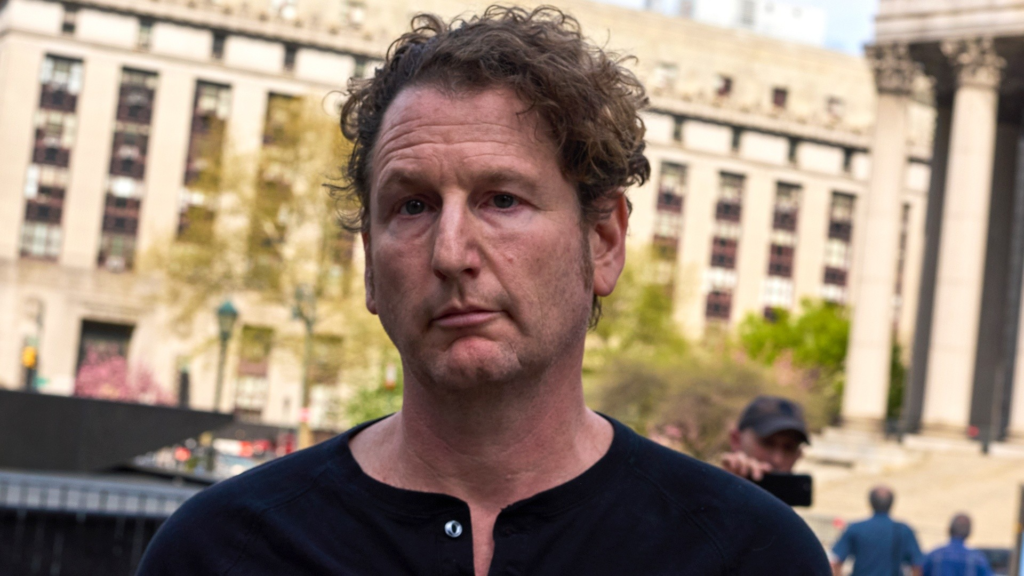
Public reaction to the allegations has also been shaped by the nature of SantaCon itself. The event has long been a source of mixed opinions, with some viewing it as a festive tradition and others criticizing it for public disruption and excessive drinking. The fraud allegations add a new dimension to this debate, shifting attention from the behavior of participants to the conduct of the event’s organizer. For many, the idea that a widely recognized event may have been used as a vehicle for financial misconduct intensifies existing concerns about its legitimacy.
The situation also highlights the vulnerability of charitable branding when used in loosely regulated environments. Unlike formal nonprofit organizations, events like SantaCon may not be subject to the same level of scrutiny or reporting requirements. This gap can create opportunities for misuse if proper safeguards are not in place. As a result, the case may prompt calls for clearer guidelines or stricter enforcement when events claim to support charitable causes.
Legal Proceedings and Broader Implications
Stefan Pildes was arrested in Manhattan, where federal authorities announced the charges against him. The single count of wire fraud carries serious legal consequences, and the case is expected to proceed through the federal court system in the coming months. As with all criminal cases, Pildes is presumed innocent unless proven guilty, and the outcome will depend on the evidence presented and the legal arguments made by both sides.

Prosecutors have indicated that the alleged scheme involved deliberate misrepresentation over an extended period, which could play a significant role in determining potential penalties if a conviction is secured. Wire fraud charges often involve complex financial records, communications, and transaction histories, all of which are likely to be examined in detail במהלך the proceedings. The case may also involve testimony related to how funds were marketed, collected, and ultimately used.
Beyond the immediate legal aspects, the case has broader implications for event organizers and participants alike. For organizers, it underscores the importance of transparency, accurate representation, and proper financial management, particularly when charitable contributions are involved. Misleading claims about donations can lead not only to legal consequences but also to lasting reputational damage.
For participants, the case serves as a reminder to approach charitable claims with a degree of caution. While many events operate with genuine intentions, the absence of clear oversight mechanisms can make it difficult to verify how funds are distributed. Increased awareness and due diligence may become more common as a result of high-profile cases like this one.
The SantaCon brand itself may also face lasting consequences. Even if the event continues in some form, the allegations could affect attendance, partnerships, and its overall public image. Trust, once eroded, can be difficult to rebuild, particularly when financial misconduct is involved. Organizers of similar events may take note of the situation and consider implementing stronger accountability measures to maintain credibility.
The case against Stefan Pildes brings into focus the intersection of entertainment, commerce, and charity, illustrating how easily these elements can become entangled when oversight is limited. As the legal process unfolds, further details may emerge about the scope of the alleged scheme and its impact on both participants and charitable organizations.
I really enjoy studying on this site, it has wonderful content. “Never fight an inanimate object.” by P. J. O’Rourke.
Undeniably believe that that you stated. Your favourite reason seemed to be at the net the easiest thing to take into account of. I say to you, I certainly get annoyed whilst folks consider concerns that they just do not know about. You managed to hit the nail upon the top and also outlined out the whole thing without having side-effects , other people can take a signal. Will likely be back to get more. Thank you