
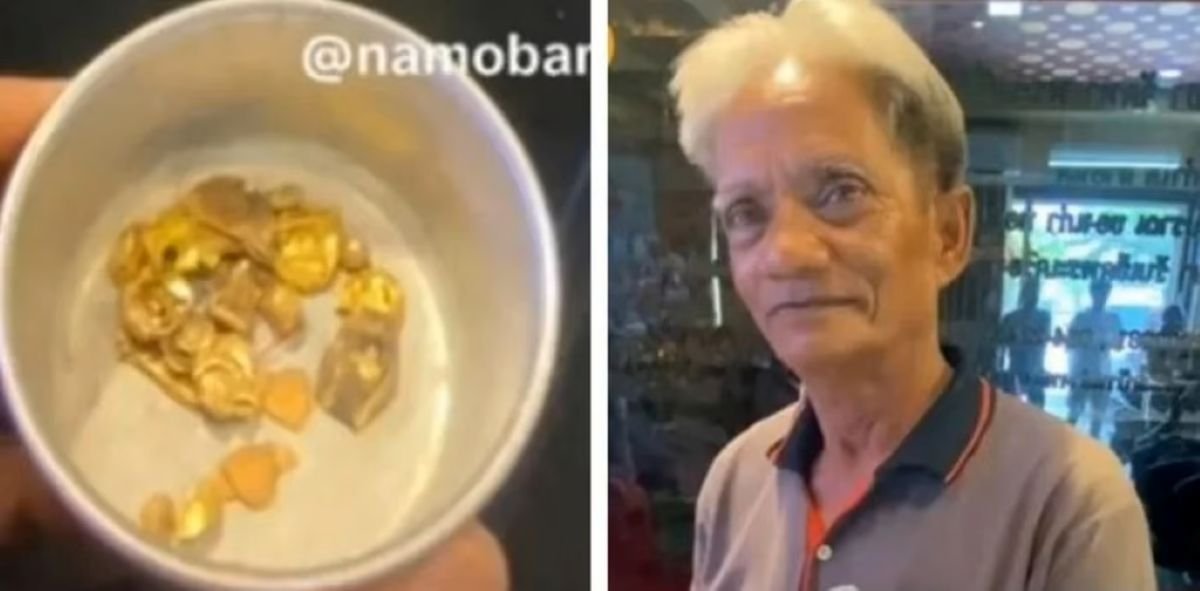
A humble and long-serving funeral home worker from Thailand’s Saraburi province has unexpectedly gained online fame after revealing a practice that, while perhaps unusual to outsiders, has long been a quiet and culturally accepted norm within certain Thai communities.
Over years of service, this funeral worker gathered gold dental remains from cremated ashes, eventually collecting enough to create a gold bar worth over $1,800.
The incident became widely discussed online following a video post from a local gold shop owner who verified and melted the gold pieces. The story opens a window into the deeply rooted traditions of Thai funerary practices and how some customs blend respect, spiritual beliefs, and practicality.
An Unexpected Revelation Through Social Media
The practice came to public attention after the worker brought more than 10 small gold nuggets to a respected local gold shop in Saraburi. The gold shop owner, known online as namobanchangtongdaengso0 and boasting over 830,000 followers on TikTok, used an X-ray device to examine the pieces and confirmed that all were indeed genuine gold.
In the video, he held up a dental fragment filled with gold and repeatedly emphasized, “This is mostly from teeth. This is from the teeth of a corpse.” The footage, which quickly went viral, attracted tens of thousands of views and sparked widespread interest and debate among Thai netizens.
The final appraisal valued the cremation-gathered gold at 59,371 baht (approximately $1,800), which the gold shop then melted into a single 21.13-gram gold bar.
Read : 53 Year Old Man Dies After Eating Raw Meat in Thailand
This act not only confirmed the authenticity of the gold but gave physical form to what had been, for many, an abstract or even taboo idea. With cremation being the most common method of handling remains in Thailand, the presence of valuable dental gold in the ashes is not rare — yet what happens to it is often left unspoken.
Consent, Merit, and Cultural Context
Despite initial shock from some viewers, the funeral worker was quick to clarify that all gold had been given to him legally, with the full knowledge and consent of the families of the deceased. In fact, he noted that most families did not wish to keep the gold and considered it appropriate to hand it over to the undertakers.
This practice, far from being exploitative, is rooted in mutual understanding and respect. For many, the gold left in a deceased relative’s ashes holds no sentimental value and serves no spiritual purpose — especially if the cremation is complete and the dental fragments are the only remaining trace of the precious metal.
Read : Exploring Thailand: A Journey Through the Land of Golden Temples and Tropical Paradise
What makes the story particularly touching is the worker’s intent behind his actions. He emphasized that part of the money earned from the gold would be used to make merit — a vital concept in Thai Buddhist belief.
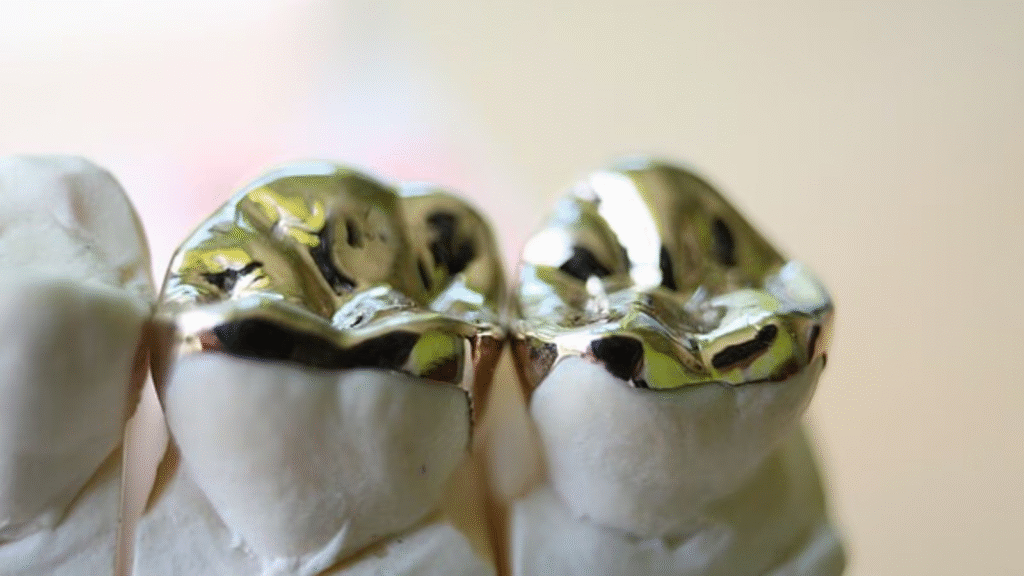
Making merit, often through acts of charity or temple donations, is seen as a way to honor the dead and aid their spiritual journey. In this sense, the transformation of gold teeth into monetary value becomes more than a financial act — it becomes a form of spiritual service.
In Thai culture, particularly among Thai-Chinese families who often follow a blend of Buddhist and ancestral traditions, cremation is not just an act of disposing of the body but a sacred rite meant to guide the soul.
That this man chose to use the proceeds for merit-making resonated deeply with many people online, who saw his actions as honorable and compassionate. As one commenter put it, “Uncle must have done good deeds his whole life. It is a job many people would not dare to do.”
A Broader Reflection on Death, Value, and Society
The story’s resonance extends beyond Thailand’s borders, as it touches on universal questions about the intersection of death, material value, and social norms. In many societies, dental gold — once placed to enhance smiles and dental function — is left behind after death, often unnoticed or unclaimed. Some cultures consider reclaiming it disrespectful, while others, like those in this Thai case, see practical value that can still be used for good.
Moreover, the role of the undertaker — often overlooked or stigmatized — is brought into the spotlight. The job, which involves close contact with death and mourning, is seen by some as spiritually unclean or undesirable.
However, in this instance, the undertaker is portrayed as a quietly diligent and ethically minded worker, who not only respects the wishes of the families but also seeks to continue benefiting the deceased through his actions.

The Thai online community’s response to the viral video was largely supportive. Many praised the undertaker’s humility, his years of dedicated service, and his decision to do something positive with the gold. Others saw it as an example of how even in death, the remains of a person can continue to contribute to the welfare of others. Some even encouraged him to keep collecting and continue his good deeds.
It also opens up a broader conversation about the ethics of reusing bodily remains that carry financial value. Should such materials be discarded, preserved, or repurposed? Who owns them once a person passes away? And does intention — whether profit-driven or altruistic — matter in how we judge these actions?
The Thai funeral worker’s story demonstrates that intention indeed plays a central role. His respectful approach, clear communication with the families, and emphasis on merit-making helped frame his actions in a positive light. In contrast, had he kept the gold secretly or acted without consent, the public reaction would likely have been far more critical.
In a digital age where even the most unexpected stories can go viral, the tale of the Saraburi funeral worker stands out as a poignant reflection of cultural norms, spiritual beliefs, and the human capacity for respect and responsibility. His transformation of dental gold into a meaningful gold bar not only showcases a rare facet of funeral practices but also reminds us that even in death, dignity and kindness can persist.
The worker’s actions — born of tradition, consent, and a desire to do good — challenge us to reconsider how we perceive value, honor, and the ways we interact with the dead. Far from a tale of exploitation, it becomes one of reverence, humility, and quiet generosity.