
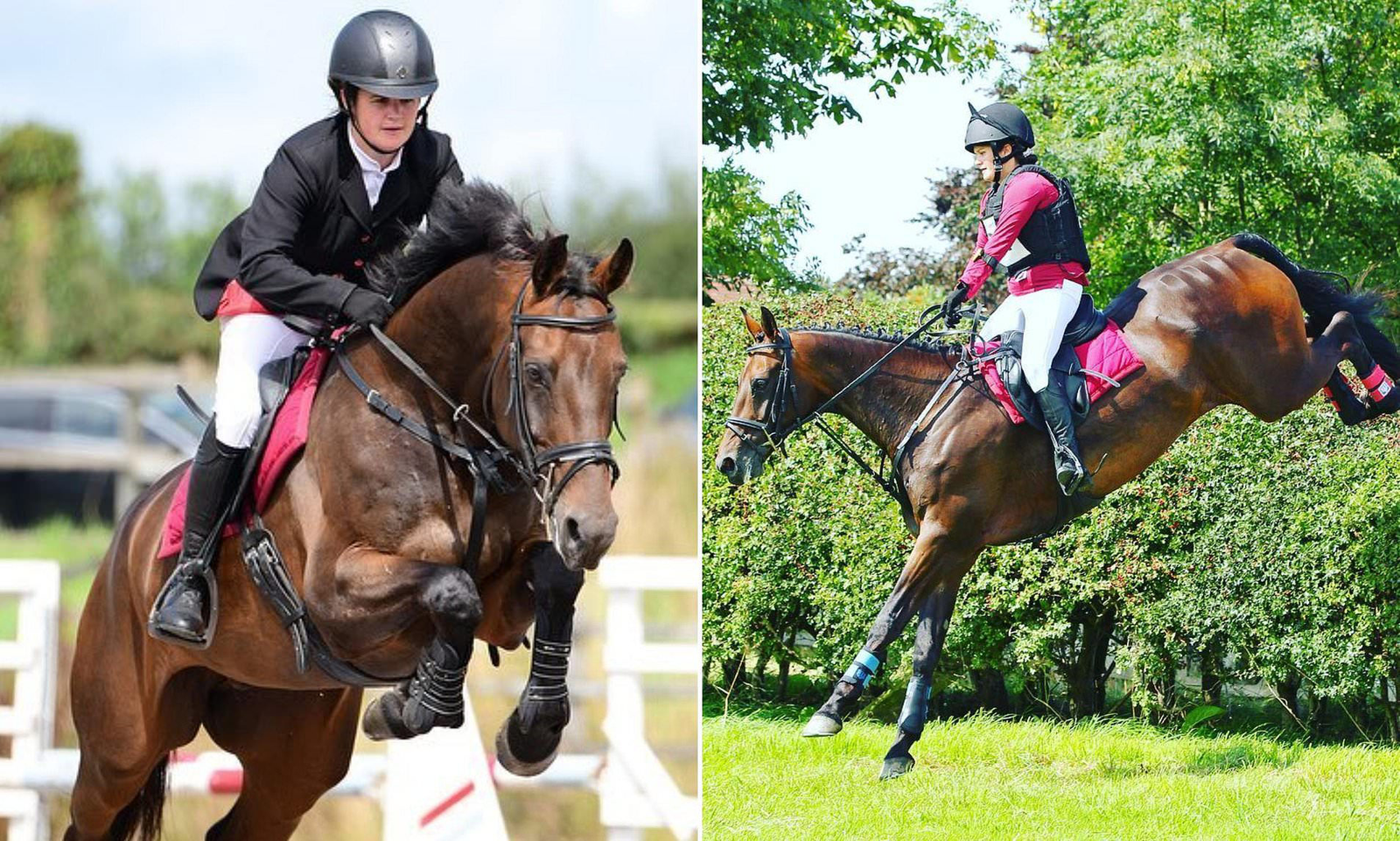
The equestrian world has been left in deep shock and sorrow following the tragic death of British rider Sarah Yorke, 37, during the Aston-le-Walls Horse Trials in Northamptonshire. The accident occurred on Friday when Sarah fell at the third fence while competing on her horse, Mgh Hera.
Despite the immediate efforts of on-site medical professionals, she could not be saved. Her passing has sent waves of grief through the eventing community, a tight-knit world bound by shared passion, resilience, and a love for the partnership between horse and rider.
The Incident and Immediate Response
The Aston-le-Walls Horse Trials, a prominent fixture in the British eventing calendar, draws experienced riders and rising talents from across the nation. The event is renowned for its challenging cross-country course, which tests the stamina, skill, and trust between horse and rider. Sarah Yorke, an accomplished competitor, entered the competition with Mgh Hera, a horse with whom she had built a strong bond over years of training.
The tragedy unfolded at the third fence, early in the cross-country phase. Witnesses described the moment as shocking, with medical teams responding instantly. On-site doctors and paramedics provided urgent care in an attempt to revive her, but the severity of the injuries proved insurmountable. The horse, Mgh Hera, was quickly assessed by veterinarians and found to be unharmed, walking back to the stable under the care of handlers.
It is with the deepest sadness that we confirm Sarah Yorke (GBR), 37, suffered a fatal accident while competing at Aston-le-Walls Horse Trials in Northamptonshire, England, on Friday, 8 August 2025.https://t.co/XBHYb7qmb9 pic.twitter.com/on61FltzUC
— GHLiveReports (@Grhavit) August 9, 2025
British Eventing, the governing body for the sport in the UK, acted swiftly to suspend all scheduled events the following day. This decision reflected not only respect for Sarah’s memory but also acknowledgment of the emotional toll on participants, officials, and spectators. Eventing, while celebrated for its thrill and beauty, carries inherent risks, and this tragedy serves as a painful reminder of the sport’s dangers.
A Loss Felt Across the Eventing Community
The death of Sarah Yorke has struck at the heart of the eventing community, which thrives on camaraderie, mutual support, and a shared understanding of the challenges faced by both horse and rider. British Eventing described the loss as “a deeply difficult moment for the eventing community,” a sentiment echoed by riders, coaches, and equestrian enthusiasts across the country.
Read : ‘Cutthroat Cowboys’ Arrested for Riding Horses Through Walmart in Baker
Rosie Williams, Chief Executive of British Eventing, expressed heartfelt condolences on behalf of the organization, stating, “The thoughts of the entire eventing community are with Sarah’s family and friends at this incredibly difficult time.” Such tragedies create ripples beyond immediate friends and family, affecting all who share the arena, the stables, and the passion for the sport.
Sarah was known not just for her competitive spirit, but for her warmth, sportsmanship, and dedication to her horses. Friends and fellow riders have described her as a rider who treated her horses with the utmost care and respect, placing their wellbeing above all else. In equestrian sports, the relationship between horse and rider is deeply personal, built on trust, patience, and countless hours of training. The sudden loss of a rider is therefore felt on multiple levels — as the loss of a person, a partner in sport, and a presence within the community.
The Aston-le-Walls Horse Trials itself has long been a space where riders come together not only to compete but also to share experiences, learn from one another, and forge lasting friendships. In the wake of Sarah’s death, the venue became a place of mourning, with conversations turning from competitive strategy to shared memories, grief, and reflections on safety in the sport.
Safety, Reflection, and the Future of the Sport
While equestrian sports are steeped in tradition and cherished for their blend of athleticism and artistry, they are also recognized as high-risk activities. Eventing, in particular, is one of the most physically demanding equestrian disciplines. It combines dressage, cross-country, and show jumping, requiring riders and horses to navigate varied terrains and fixed obstacles at speed. The cross-country phase, where Sarah’s fall occurred, is often considered the most dangerous due to the solid nature of the fences and the unpredictability of outdoor courses.
Following Sarah’s death, British Eventing announced a full review of the incident. This review will likely examine course design, fence safety, emergency response protocols, and any contributing environmental or technical factors. These evaluations are vital in maintaining the balance between preserving the sport’s challenges and ensuring rider safety.
Over the years, innovations in course construction — such as frangible pins, deformable fences, and improved ground conditions — have been introduced to reduce the severity of falls. While these measures have undoubtedly saved lives, accidents remain an inherent risk. Riders are aware of these dangers, yet their dedication to the sport reflects a deep passion and commitment that is hard to diminish.
For the wider community, Sarah’s death is also a call to continue pushing for advancements in safety without compromising the essence of eventing. Discussions are likely to intensify around whether more can be done to protect riders, particularly in the early stages of cross-country courses where competitors may still be adjusting to the day’s conditions.
The emotional aftermath of such an incident cannot be understated. Grief counseling and mental health support are often made available for those who witnessed the accident or were close to the rider. The equestrian world is known for rallying around those affected, offering a network of understanding and care that extends beyond competition.
The passing of Sarah Yorke at the Aston-le-Walls Horse Trials is more than a moment of sadness; it is a profound reminder of the courage it takes to compete in eventing and the fragility of life within the sport. Her legacy will live on in the memories of her peers, the spirit she brought to her riding, and the continued efforts to make equestrian competition as safe as possible. As the community mourns, it also unites in honoring a rider whose passion, skill, and humanity touched many lives.