
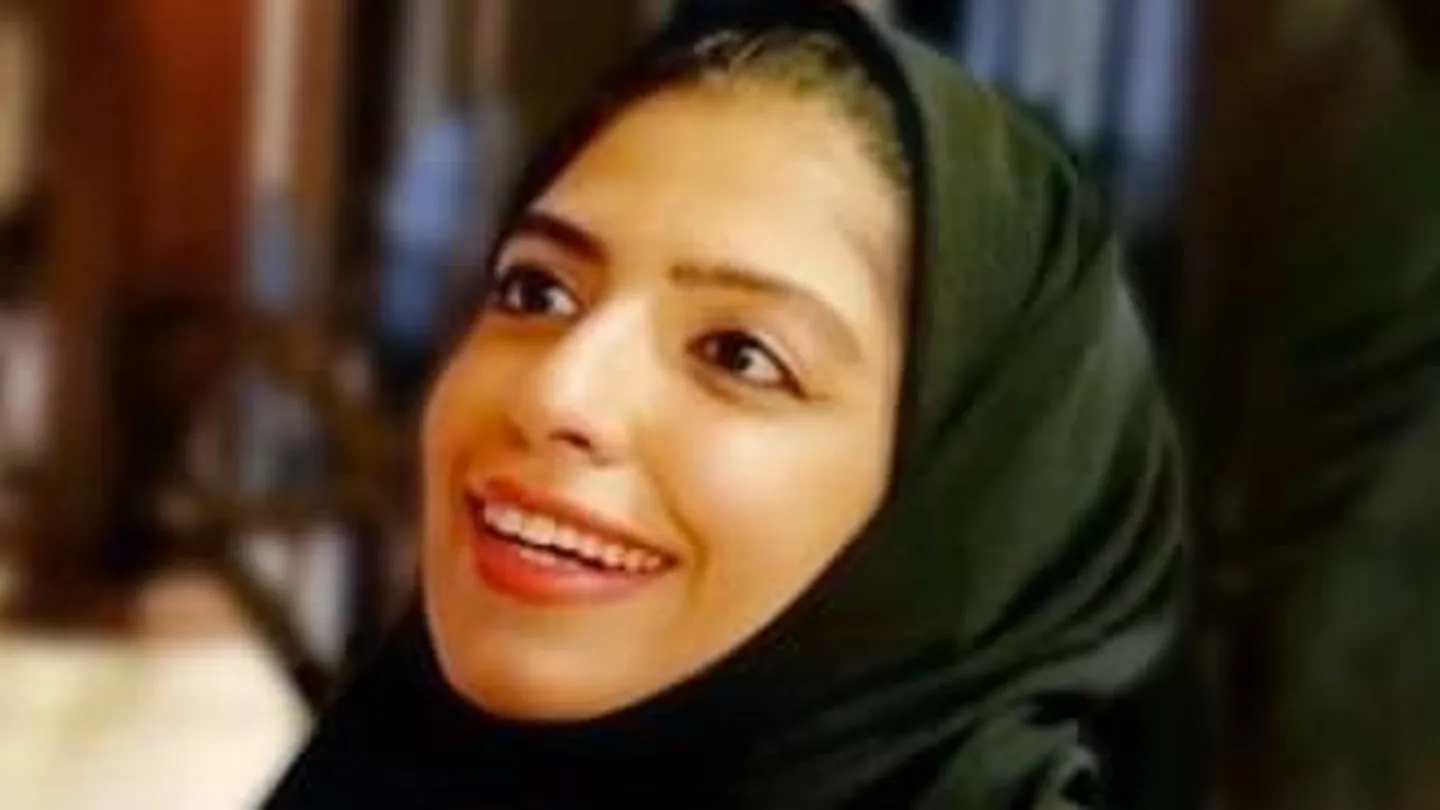
The recent release of Salma al-Shehab, a Saudi PhD student at Leeds University who was sentenced to 34 years in prison for her social media activity, has drawn international attention to Saudi Arabia’s approach to freedom of expression and women’s rights advocacy.
Al-Shehab was imprisoned for tweets supporting women’s rights, an act that human rights organizations worldwide deemed a gross violation of free speech.
After years of international pressure and advocacy, she has now been freed and reunited with her children. However, her case highlights deeper systemic issues in Saudi Arabia’s judicial system and ongoing human rights concerns.
Arrest and Sentencing: A Harsh Punishment for Social Media Activity
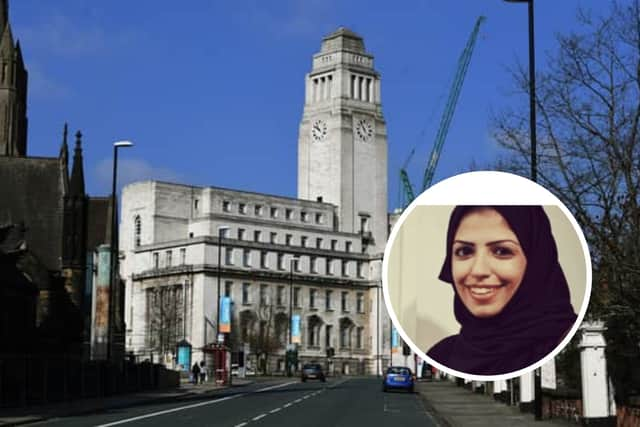
Salma al-Shehab, 36, was arrested in January 2021 while visiting Saudi Arabia during a holiday break. A PhD candidate at Leeds University specializing in dentistry, she had been using social media to express her support for women’s rights.
Her tweets and retweets, which included interactions with activists advocating for gender equality in Saudi Arabia, became the basis for her arrest.
Initially, al-Shehab was sentenced to three years in prison under the charge of using a website to “cause public unrest and destabilize civil and national security.” However, after an appeal by the prosecution, her sentence was drastically increased to 34 years in prison followed by an additional 34-year travel ban.
The court found her guilty of “assisting those who seek to cause public unrest and destabilize civil and national security by following their Twitter accounts” and retweeting their content.
These charges were heavily criticized by human rights organizations, including Amnesty International, which described her conviction as a blatant attack on free speech and human rights.
Read : 9 Indians Killed in Road Accident in Saudi Arabia
Al-Shehab was subjected to prolonged solitary confinement for over nine months before her case was heard in court. The severity of her punishment shocked the international community, drawing condemnation from legal experts, activists, and academic institutions.
Read : Turkish Student Arrested for Using AI-Powered Cheating Device in University Entrance Exam
An open letter signed by over 300 academics, students, and employees from Leeds University called for her immediate release, stating that she was jailed merely for exercising her right to free expression.
Global Outcry and the Path to Release
Following her sentencing, al-Shehab’s case gained global attention, with human rights organizations, academic institutions, and advocacy groups rallying for her release.
The United Nations Working Group on Arbitrary Detention (UNWGAD) determined her imprisonment to be arbitrary and called for her immediate release. They emphasized that she had been detained for expressing peaceful opinions and supporting human rights, actions that should never be criminalized.
Salma al-Shehab’s case resonated with many, as it symbolized the broader pattern of repression in Saudi Arabia. The kingdom has a history of cracking down on dissent, particularly against activists advocating for women’s rights.
Al-Shehab’s imprisonment came in the wake of reforms allowing women to drive and increasing their participation in the workforce. However, despite these reforms, the government continued to silence those who demanded further progress.
Under mounting international pressure, Saudi authorities began to reconsider her case. Her sentence was later reduced to 27 years and then to four years, showcasing the arbitrary nature of the legal process she had been subjected to.
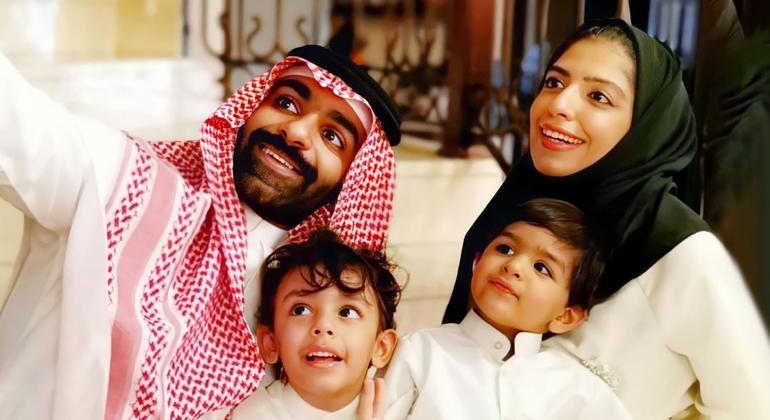
Finally, in early 2024, after relentless advocacy and negotiations, she was released from prison and reunited with her children. Her release was met with relief and celebration among her supporters, yet it also underscored the ongoing struggle for justice in Saudi Arabia.
The Challenges Ahead: Travel Bans, Systemic Repression, and Ongoing Fears
While al-Shehab is now free, her challenges are far from over. She faces a travel ban that prevents her from leaving Saudi Arabia, barring her from returning to Leeds University to complete her PhD. Human rights organizations and advocates are now focusing on having the travel ban lifted so that she can resume her studies and rebuild her life.
The case of Salma al-Shehab is not an isolated incident but rather a symptom of a larger issue within Saudi Arabia’s justice system. Women’s rights activists in the country have long faced persecution, with many imprisoned or forced into exile for their advocacy.
Loujain al-Hathloul, another prominent Saudi activist, was also imprisoned for advocating for women’s right to drive. While she was eventually released, she, like al-Shehab, faces a travel ban and restrictions on her freedom.
Al-Shehab’s imprisonment and subsequent release illustrate the unpredictable and often harsh nature of Saudi Arabia’s legal system, particularly concerning political expression and human rights activism.
The judiciary’s decisions appear to be influenced by political considerations rather than legal principles, leaving activists in a precarious position where their fate depends on shifting political dynamics.
Adding to al-Shehab’s personal challenges, reports indicate that her husband divorced her while she was in prison, a situation that many detained women activists have faced.
The circumstances surrounding her divorce remain unclear, but activists have noted a disturbing pattern where imprisoned women are divorced without their knowledge or consent. This reflects broader societal issues regarding women’s rights in the country, where legal and social structures often work against them.
Human rights groups continue to urge the Saudi government to reform its justice system, end arbitrary detentions, and respect freedom of speech.
While al-Shehab’s release marks a victory for human rights advocacy, many other prisoners remain behind bars for expressing opinions or supporting reform movements. Campaigners emphasize that Saudi Arabia must address these systemic issues and provide justice to all those unjustly detained.
The release of Salma al-Shehab brings relief to her family and supporters, but it also highlights the continued repression of free speech and women’s rights advocacy in Saudi Arabia.
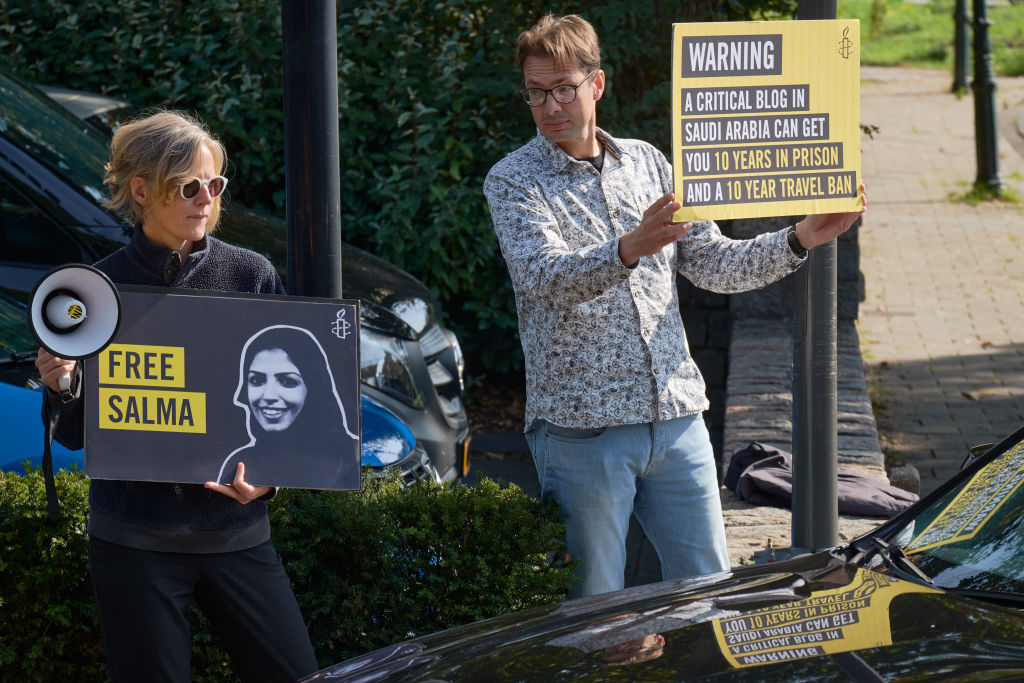
Her case is a stark reminder of the risks activists face when expressing dissent in the kingdom. While international pressure played a crucial role in securing her release, many other individuals remain imprisoned under similarly unjust circumstances.
Al-Shehab’s story is a testament to resilience and courage. Despite enduring solitary confinement, an uncertain legal process, and personal hardships, she remained steadfast in her beliefs.
As the fight continues to lift her travel ban and secure justice for others in similar situations, her case will serve as a symbol of the broader struggle for human rights and freedom of expression in Saudi Arabia.
The global community must continue to advocate for those who cannot speak for themselves. While one battle has been won with al-Shehab’s release, the larger war against oppression, arbitrary detention, and censorship in Saudi Arabia is far from over.
Her dream of completing her PhD and resuming a normal life remains uncertain, but her courage and the international support she has garnered provide hope that change is possible.