
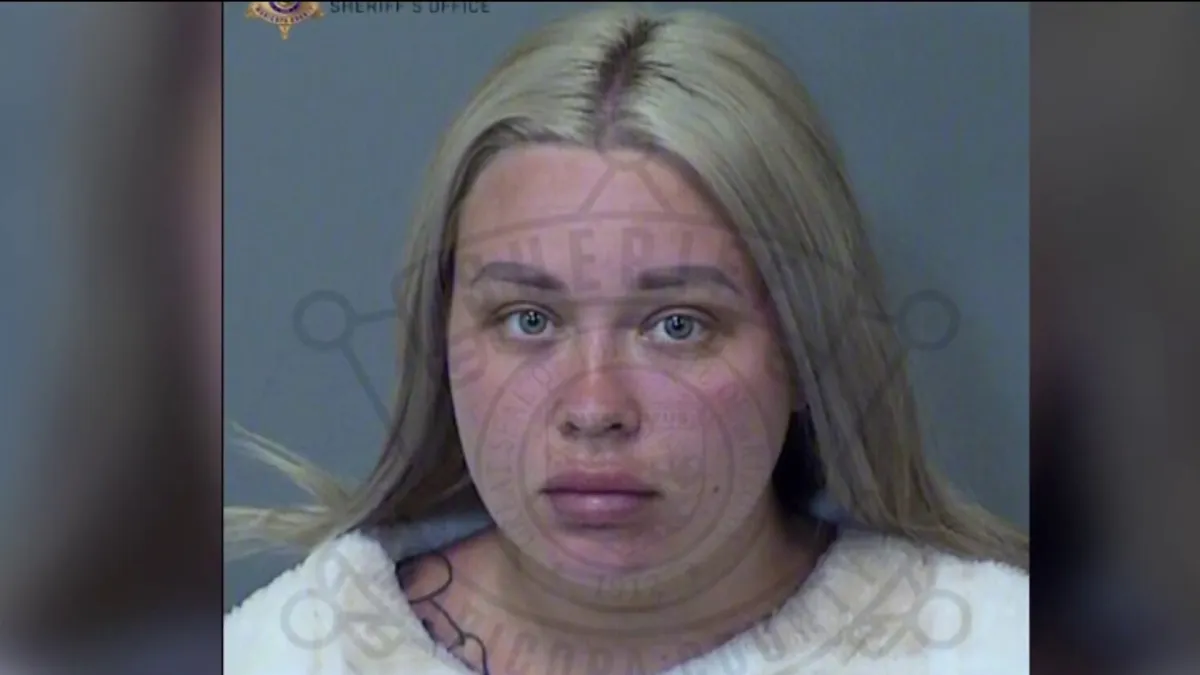
The arrest of a Glendale woman accused of performing cosmetic injections without proper licensing has raised renewed concerns about the risks associated with unregulated aesthetic procedures. According to court records, 29-year-old Sayde Holladay was taken into custody following an undercover investigation in the Phoenix area, where authorities allege she had been offering services such as Botox injections, dermal fillers, and fat-dissolving treatments despite lacking the credentials required by law.
The case highlights the growing popularity of cosmetic enhancements and the parallel rise of unauthorized practitioners operating through social media platforms, often presenting themselves as qualified professionals. As details emerge, the incident underscores the importance of regulatory oversight and consumer awareness in an industry where safety depends heavily on expertise and proper medical supervision.
The Undercover Operation and Arrest
The investigation into Sayde Holladay’s activities culminated in a targeted undercover operation conducted by authorities. According to court documents, an undercover officer arranged an appointment at Holladay’s Phoenix office, located near the former Metrocenter Mall. During the visit, the officer reportedly paid for 50 milliliters of Botox and observed Holladay preparing the injection, a critical step that requires medical training and licensing under Arizona law. This interaction formed a key piece of evidence in establishing that Holladay was actively performing procedures that she was not legally authorized to conduct.
Following the undercover visit, investigators executed a search warrant at her place of business. During the search, authorities reportedly discovered medications, tools, and equipment consistent with those used in cosmetic procedures. These findings further supported allegations that Holladay had been operating a cosmetic injection service without proper credentials. She was subsequently arrested and charged with multiple felonies, including practicing medicine without a license and engaging in fraudulent schemes.
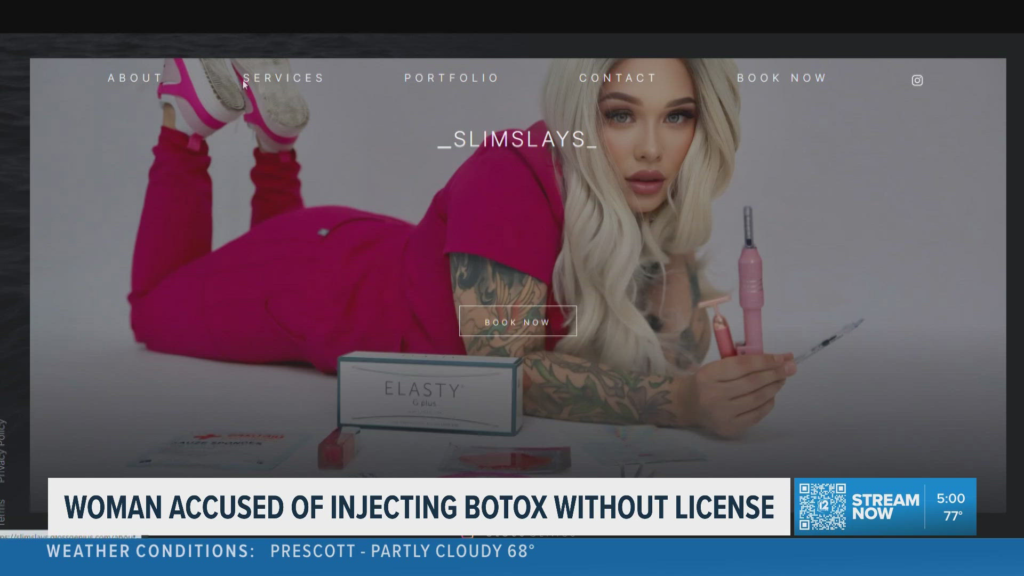
Court records also indicate that Holladay had been operating under the business name “SlimSlays, LLC,” promoting her services both online and through social media platforms. Her digital presence reportedly included videos and images showing her performing injections on clients, which investigators later reviewed as part of their case. However, following her arrest, her social media accounts were taken down, removing a significant portion of her public-facing promotional content.
Read : Yanjin County: The World’s Narrowest City in China’s Yunnan Province
The timing of the arrest is also notable. Authorities confirmed that a cease-and-desist letter had been issued to Holladay by the Arizona Medical Board just one day prior to her arrest. The letter reportedly informed her that she did not possess the necessary credentials to perform cosmetic injections and ordered her to stop immediately. Despite this warning, the undercover operation proceeded, suggesting that authorities had already been closely monitoring her activities.
Illegal Cosmetic Practices and Online Promotion
The case against Holladay sheds light on a broader trend in the cosmetic industry, where individuals without medical qualifications advertise aesthetic services online. According to investigators, Holladay had been actively promoting her services since at least 2024, presenting herself as an experienced “aesthetic injector” with over a year and a half of hands-on experience. Her website reportedly featured a detailed list of services, including Botox injections, dermal fillers, liquid rhinoplasty, and fat-dissolving treatments targeting areas such as the stomach, chin, arms, and thighs.
These procedures, while commonly marketed as minimally invasive, require specialized knowledge of human anatomy, sterile techniques, and the ability to manage potential complications. Arizona law explicitly restricts the administration of cosmetic injectables to licensed medical professionals or individuals operating under appropriate medical supervision. The rationale behind these regulations is to ensure that practitioners are adequately trained to handle adverse reactions, which can range from mild side effects to severe, life-threatening complications.
Read : 24-Year-Old British Tourist Plunges to Death Down Stairwell at Parque Santiago 2
Despite these requirements, Holladay allegedly built a client base by showcasing before-and-after images and videos of her work. Her website reportedly included a portfolio section displaying results of her procedures, alongside booking options that required clients to pay a deposit. This level of professional presentation may have contributed to the perception that she was a legitimate provider, potentially misleading clients into trusting her services.
Authorities also identified her as an “imposter” on the Arizona Medical Board’s website, a designation used to warn the public about individuals falsely presenting themselves as licensed medical professionals. The presence of her name on this list indicates that concerns about her activities had already been raised prior to the undercover operation. However, the extent of her client base and the number of individuals who may have received treatments from her remain unclear, as officials have not disclosed how many potential victims are involved.
The use of social media as a marketing tool played a significant role in the case. Platforms like Instagram have become a primary avenue for aesthetic practitioners to showcase their work and attract clients. In Holladay’s case, investigators noted that her social media accounts featured videos of injections being performed, which were later used as evidence. While these platforms offer accessibility and visibility, they also create opportunities for unqualified individuals to present themselves as experts, often without immediate verification of credentials.
Legal and Health Implications of Unlicensed Procedures
The charges filed against Holladay reflect the seriousness with which authorities treat unlicensed medical practices. Practicing medicine without a license is a felony offense, as it directly endangers public health. The additional charge of fraudulent schemes suggests that prosecutors believe there was intentional misrepresentation involved, particularly in how Holladay advertised her qualifications and services.
Health experts emphasize that cosmetic procedures, even those considered routine, carry inherent risks. Botox injections, for example, must be administered with precision to avoid complications such as muscle paralysis in unintended areas, drooping eyelids, or difficulty swallowing. Dermal fillers, if injected improperly, can lead to vascular occlusion, which may result in tissue damage or even blindness. Fat-dissolving treatments also require careful dosing and placement to prevent uneven results or adverse reactions.
Medical professionals stress that proper training is essential not only for performing these procedures but also for responding to emergencies. In a licensed medical setting, practitioners are equipped with the knowledge and resources to manage complications quickly. In contrast, unlicensed individuals may lack the ability to recognize warning signs or provide appropriate intervention, increasing the risk of harm to clients.
The case also highlights the importance of consumer vigilance. Authorities have urged individuals seeking cosmetic treatments to verify a provider’s credentials through official medical board databases. This step can help ensure that the practitioner is licensed and qualified to perform the desired procedure. Additionally, consumers are encouraged to be cautious of services offered at significantly lower prices, as these may indicate a lack of proper training or regulation.
Public health officials have reiterated that regulations governing cosmetic procedures are not merely bureaucratic requirements but essential safeguards designed to protect patients. Even when performed correctly, these treatments carry risks that necessitate medical oversight. The presence of unlicensed providers undermines these protections and exposes clients to unnecessary danger.
As the legal process moves forward, the case against Sayde Holladay is likely to serve as a reminder of the potential consequences of operating outside established medical regulations. It also underscores the need for continued enforcement and public education in an industry that continues to grow rapidly.