

A stunning case of deception and white-collar crime reached its legal conclusion this April, as Calvin Darden Jr., a notorious fraudster with a past of similar offenses, was sentenced to over 12 years in prison for scamming NBA star Dwight Howard out of a massive $7 million.
The scheme revolved around a fictitious investment opportunity involving the Women’s National Basketball Association (WNBA) team, the Atlanta Dream, which Darden Jr. falsely claimed was up for sale. The con unraveled only after Howard discovered, through a news report, that the team had been sold to a different buyer altogether.
This high-profile case serves as a stark reminder of how even seasoned athletes and public figures can fall prey to calculated deception, especially when the fraudsters are adept at presenting themselves with convincing networks, forged documents, and lofty promises.
Darden Jr.’s actions not only led to a financial loss for Howard but also duped another NBA player, Chandler Parsons, out of $1 million under a separate false pretense involving an NBA prospect.
The Elaborate WNBA Investment Scam
The core of Calvin Darden Jr.’s scheme was built around a fabricated narrative that he and his associates were putting together a group of elite investors to purchase the Atlanta Dream, a prominent WNBA team.
To make the illusion more believable, Darden Jr. allegedly collaborated with Dwight Howard’s agent, Charles Briscoe, to gain the athlete’s trust and encourage his participation in the deal. They told Howard that major celebrity figures like filmmaker Tyler Perry, actress and writer Issa Rae, and tennis icon Naomi Osaka were also lined up as advisors and backers of the project.
However, as authorities later revealed, none of these high-profile individuals were ever involved. In fact, most had never even heard of Darden Jr., and there was no formal effort underway involving their participation in the acquisition of the team. Darden fabricated the names and affiliations to lend credibility and urgency to his fake investment bid.
Read : Northville Central School District Basketball Coach Fired for Pulling Player Ponytail
The scam took a concrete financial toll on Dwight Howard, who transferred $7 million to accounts controlled by Darden. According to prosecutors, the money was quickly moved across several bank accounts and spent on personal luxuries rather than any legitimate business venture.
Read : Viral Video Shows 7-Foot-3-Inch Tall Female Basketball Player Included in China Team
The lavish purchases included a $3.7 million mansion, three high-end vehicles, original artwork by the famed artist Jean-Michel Basquiat, expensive watches, and more.
A History of Fraud and Deception
Darden Jr.’s name is not new to law enforcement or the legal system. The 49-year-old fraudster has a history of convictions for similar crimes. His first major fraud conviction came in 2005 in New York State. A decade later, in 2015, he was again convicted in the Southern District of New York for another elaborate scam.
That case involved false representations in the attempted sale of Maxim Magazine and an imaginary NBA exhibition game to be held in Taiwan. These repeated offenses highlighted Darden Jr.’s consistent modus operandi—using fake business opportunities and fabricated celebrity associations to swindle high-net-worth individuals out of millions.
In the case involving Chandler Parsons, the fraud took on a different guise. Darden Jr. convinced Parsons that his $1 million loan would support NBA prospect James Wiseman.
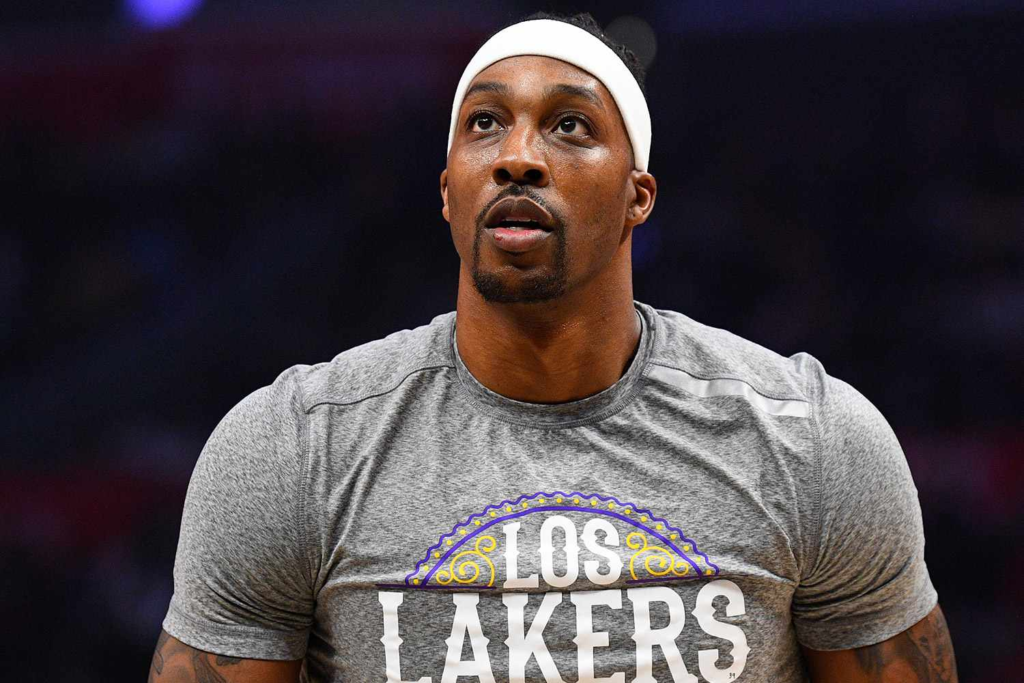
To strengthen the credibility of the story, Darden forged a document stating that Wiseman had agreed to let Charles Briscoe represent him as his agent. In reality, Darden had no relationship with Wiseman at all. The document was entirely fabricated, and the money was once again funneled into Darden Jr.’s own accounts to support his luxury lifestyle.
These recurring offenses and the amount of premeditated deceit involved played a significant role in the harsh sentencing handed down by the court.
Matthew Podolsky, Acting United States Attorney for the Southern District of New York, underscored the gravity of the offenses during the sentencing, calling attention to the betrayal of trust, manipulation, and the damage done to the victims’ finances and sense of security.
The Fallout and Legal Consequences
On April 3, the final judgment was passed. Calvin Darden Jr. was sentenced to over 12 years in federal prison. In addition to the prison term, the court ordered him to forfeit all the proceeds of his fraudulent activities.
This includes the $8 million obtained through deceit, as well as all the luxury cars, watches, and art pieces purchased with those funds. Furthermore, he has been ordered to pay $8 million in restitution to his victims, effectively requiring him to repay every dollar he stole.
Notably, Darden Jr. was not present in court during his sentencing, a detail that many observers found telling. The absence served as a symbolic reminder of his unwillingness to face his victims or accept responsibility in person for the damage caused.
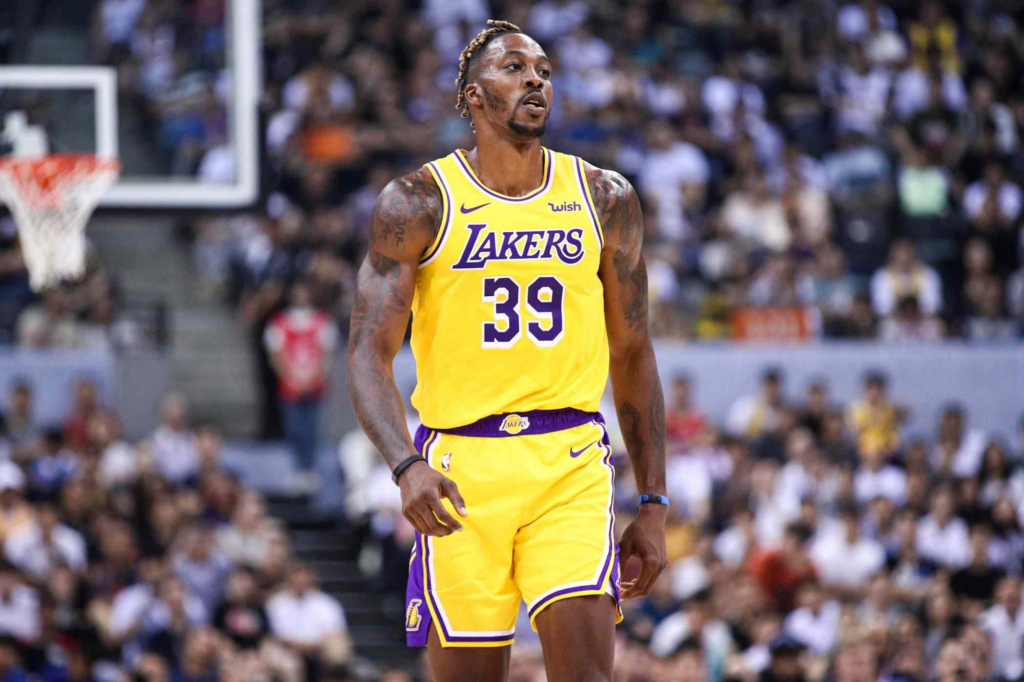
Dwight Howard, a former NBA champion and eight-time All-Star who made his name with the Orlando Magic and later with the Los Angeles Lakers, had reportedly pursued the Atlanta Dream ownership opportunity with genuine intent.
The opportunity to become part of a growing and increasingly popular women’s basketball league seemed like a natural next step in Howard’s post-NBA business ambitions. To have that hope turned into a financial and emotional nightmare by someone he trusted has undoubtedly left a deep impact.
Parsons, too, expressed shock upon discovering he had been deceived into thinking he was supporting a promising young athlete’s career. The discovery that the story had been entirely concocted and that the money was used for personal indulgences added salt to the wound.
The outcome of this case has become a cautionary tale for athletes, entertainers, and entrepreneurs alike. It highlights the importance of rigorous due diligence, even—or especially—when the opportunity appears to come from a trusted associate.
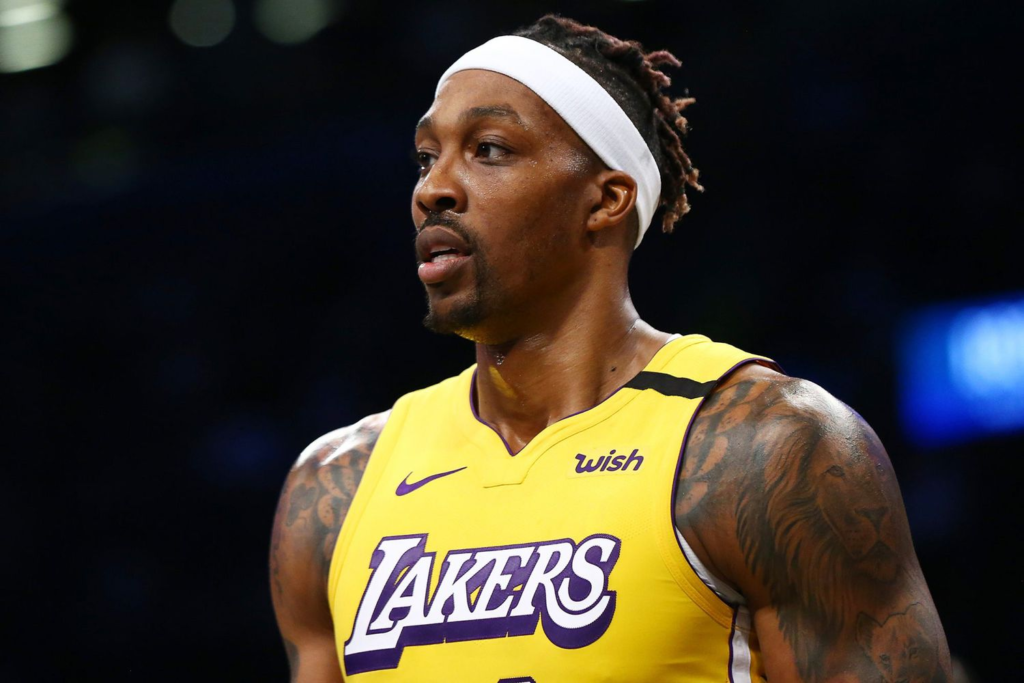
Celebrities, who often operate in fast-paced, high-stakes environments, are frequent targets for such sophisticated fraud schemes due to their wealth and tendency to delegate financial decisions. The sentencing of Calvin Darden Jr. to 12 years in prison for scamming NBA star Dwight Howard out of $7 million brings some measure of justice to a deeply troubling case of fraud.
However, for Howard, Parsons, and countless other victims of similar schemes, the emotional toll and loss of trust will likely linger far longer than any court-imposed sentence. Darden Jr.’s ability to orchestrate such a convincing deception, despite a long history of fraud, also raises questions about systemic safeguards and the accountability of those in advisory roles.
This case may close a chapter in the legal records, but its implications serve as a reminder that even those with fame, fortune, and experience are not immune to manipulation. It also underscores the need for vigilance, transparency, and stringent legal consequences in the face of financial crime—especially when lives and legacies are at stake.