
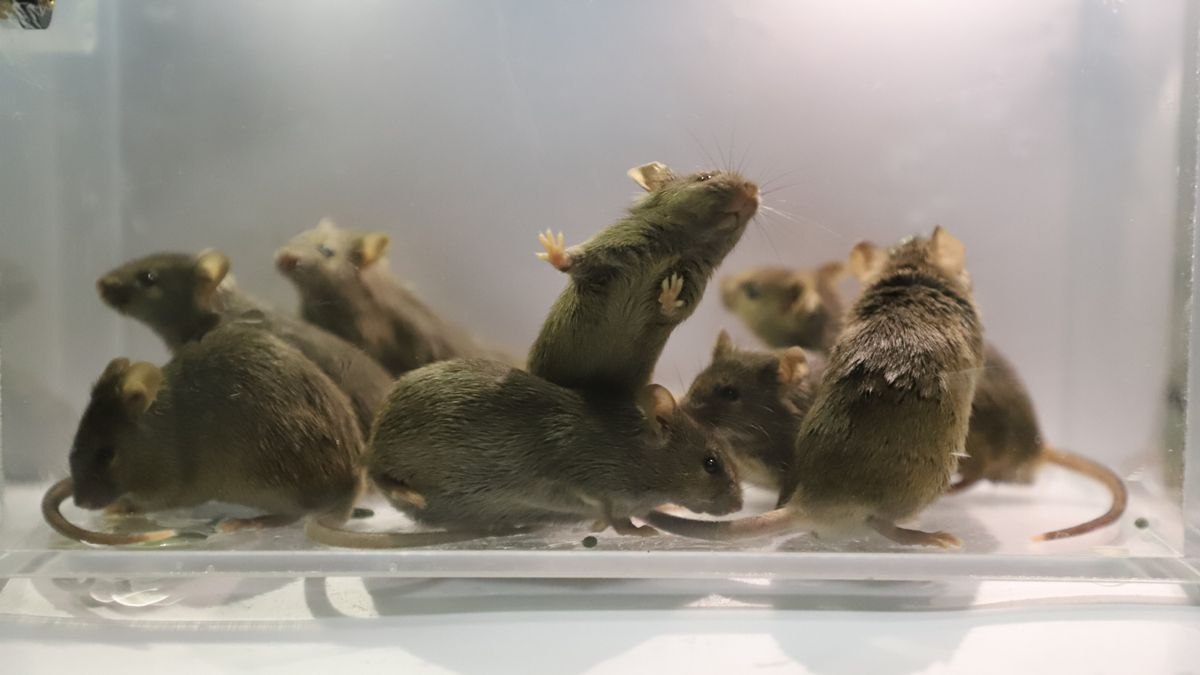
In a groundbreaking scientific achievement, researchers in China have developed a method to Create Mice Using DNA from Two Males. Unlike previous attempts, the mice produced in this study survived to adulthood, marking a significant step forward in reproductive biology.
This research, published in Cell Stem Cell, offers new insights into genetic imprinting and may hold future implications for treating imprinting disorders in humans.
Create Mice Using DNA from Two Males
The concept of creating offspring from two male parents has long been a challenge due to the complexities of genomic imprinting. In natural reproduction, offspring inherit one set of genes from their mother and another from their father.
However, certain genes, known as imprinting genes, require a specific balance of maternal and paternal influence to function correctly. Disruptions in this process can lead to developmental disorders.
The Chinese research team tackled this problem by removing DNA from an immature egg cell taken from a female mouse and introducing sperm into the egg to create a unique type of embryonic stem cell.
This stem cell, along with another sperm cell from a male mouse, was then injected into a second egg. This process allowed the fertilized egg to develop into a viable embryo, effectively producing a mouse with two biological fathers.
Read : Dozens of African Migrants and Refugees Kidnapped and Tortured for Ransom in Libya
To overcome genetic barriers, the scientists made 20 specific modifications to the imprinting genes. Earlier experiments with fewer modifications resulted in severe developmental defects, including umbilical hernias, enlarged organs, and early death. However, with the addition of targeted genetic changes, the bipaternal mice not only survived but also reached adulthood.
Read : All People with Blue Eyes Share a Common Ancestor
This approach differs significantly from a 2023 study conducted in Japan, which used skin cells from male mice and reprogrammed them into egg cells. While that study successfully created mice with two fathers, the method used in China provides new insights into genetic imprinting and developmental biology.
Challenges and Ethical Considerations
Despite this scientific success, the bipaternal mice exhibited notable limitations. They had shorter lifespans than naturally bred mice and were infertile. This raises questions about whether further genetic modifications could improve the health and reproductive viability of bipaternal offspring.
One of the key findings from this study is that imprinting issues are more pronounced in bipaternal reproduction compared to bimaternal reproduction. Previous studies have shown that creating offspring from two mothers required fewer genetic modifications, suggesting that paternal genes play a more significant role in developmental regulation.
Beyond the technical challenges, this research also raises ethical and philosophical questions. Could this method eventually be adapted for human reproduction?

While such a possibility remains distant due to technological and ethical barriers, the study provides valuable information about genetic imprinting disorders. In the future, gene editing techniques could be used to correct these disorders in human embryos, potentially leading to new treatments for conditions like Angelman syndrome.
Moreover, this research could have applications in agriculture, where gene editing might be used to enhance desirable traits in livestock. However, scientists emphasize the need for further studies to fully understand the implications of bipaternal reproduction before considering any applications beyond basic research.
Future Prospects and Scientific Impact
The next steps for the research team include refining the gene-editing approach to improve the health and longevity of bipaternal mice. Additional imprinting genes may need to be modified to further reduce developmental abnormalities and improve overall viability.
Furthermore, scientists aim to test this method in other animal species to determine its broader applicability. If successful, this research could deepen our understanding of reproductive biology and imprinting mechanisms across different organisms.
While the immediate goal is to enhance our knowledge of imprinting disorders, the long-term possibilities of this research remain open-ended.
Whether this technique could one day be applied to human reproduction remains speculative, but the study represents a crucial step in exploring the complexities of genetic inheritance and developmental biology.
Ultimately, this breakthrough not only expands our understanding of imprinting genes but also paves the way for future advancements in gene therapy and reproductive technology.
As researchers continue to refine their techniques, the ability to manipulate genetic imprinting may unlock new treatments for genetic disorders and open new possibilities in biomedical science.