

The death of Spanish influencer and livestreamer Sergio Jiménez has drawn international attention to the increasingly dangerous intersection of online monetization, substance abuse, and extreme digital challenges. Jiménez, 37, reportedly died during a private New Year’s Eve livestream after allegedly consuming large quantities of alcohol and cocaine in exchange for money from viewers.
Spanish authorities have since opened an investigation, describing the case as potentially the first documented death in Spain directly linked to a live online challenge. The incident has reignited debate over the responsibility of content creators, audiences, and streaming platforms in an online environment where shock value and real-time financial incentives can blur the line between entertainment and fatal risk.
According to information reported by People and other outlets, Jiménez had pledged to consume six grams of cocaine and an entire bottle of whisky as part of a paid challenge during the livestream. He was streaming from his home, where he lived with his mother, Teresa. By the time emergency services could have been called, he was already dead. The circumstances surrounding his final hours, now under official scrutiny, have become a stark example of how livestream culture can encourage escalating behavior with irreversible consequences.
The Events Leading Up to the Livestream Death
Sergio Jiménez had developed an online following through appearances in videos associated with controversial streamer Simon Perez, who is known for drug use during live broadcasts. Within certain corners of livestream culture, such content attracts viewers willing to pay for increasingly extreme acts, often framed as “challenges” or “dares.” In Jiménez’s case, reports indicate that viewers paid to watch him ingest dangerous amounts of substances on camera, turning personal risk into a monetized spectacle.
On the night of December 31, Jiménez reportedly began a private New Year’s Eve livestream during which he consumed alcohol and cocaine. He had allegedly promised viewers that he would ingest six grams of cocaine along with a full bottle of whisky. The combination of cocaine, alcohol, and energy drinks, all reportedly present in the room, is known to significantly increase the risk of cardiac arrest, respiratory failure, and other fatal complications.
His mother, Teresa, later described the moments when she realized something was wrong. She said she got up shortly before 2 a.m. to use the bathroom and noticed that the door to her son’s room was slightly open. When she asked him what he was doing, he did not respond. She attempted to enter the room but was unable to do so because of items, possibly clothing, obstructing the floor. From outside the room, she continued calling to him without receiving an answer.
Teresa told reporters that she could see her son kneeling on the bed, with his head resting on a mattress, in a position that made it appear as though he were praying. When authorities later examined the scene, they reportedly found an almost empty whisky bottle, energy drinks, and cocaine arranged on a red plate nearby. Jiménez was pronounced dead before an ambulance could be summoned.
🔴Le streamer espagnol Sergio Jiménez, 37 ans, est décédé en direct ce 1er janvier. Il aurait ingéré 1 bouteille de whisky et 6g de cocaïne en 3h pour un défi pic.twitter.com/7jXPSrg8zE
— 75 Secondes 🗞️ (@75secondes) January 8, 2026
Spanish authorities have ordered an autopsy to determine the precise cause of death, including whether it was the direct result of substance toxicity, a cardiac event, or a combination of factors. While the investigation is ongoing, the case has already been widely cited as a cautionary example of how livestream challenges can turn deadly when substance abuse is incentivized by real-time payments and audience pressure.
Investigations, Public Warnings, and Platform Responsibility
Following Jiménez’s death, law enforcement officials in Spain confirmed that an investigation had been launched. While no charges have been announced, authorities are examining whether any criminal liability may exist in relation to the livestream, including the role of those who paid for or encouraged the challenge. The case has raised complex legal questions about accountability in digital spaces, particularly when harmful acts are performed voluntarily but under financial and social pressure from an online audience.
Without directly referencing Jiménez, the Catalonia police force, Mossos d’Esquadra, released a video on social media on January 6 warning the public about the dangers of viral challenges. In the video, an officer cautioned that participating in certain online trends could “endanger your life or physical safety.” The message highlighted that consequences can range from intoxication and physical harm to long-term psychological effects, as well as damage to reputation due to the permanent digital footprint left behind.
The officer also emphasized that some viral challenges may carry legal consequences if they involve vandalism, aggression, or other unlawful behavior. Although the warning did not name Jiménez, the timing and context strongly suggested a response to growing concern over extreme online content and its real-world impact.
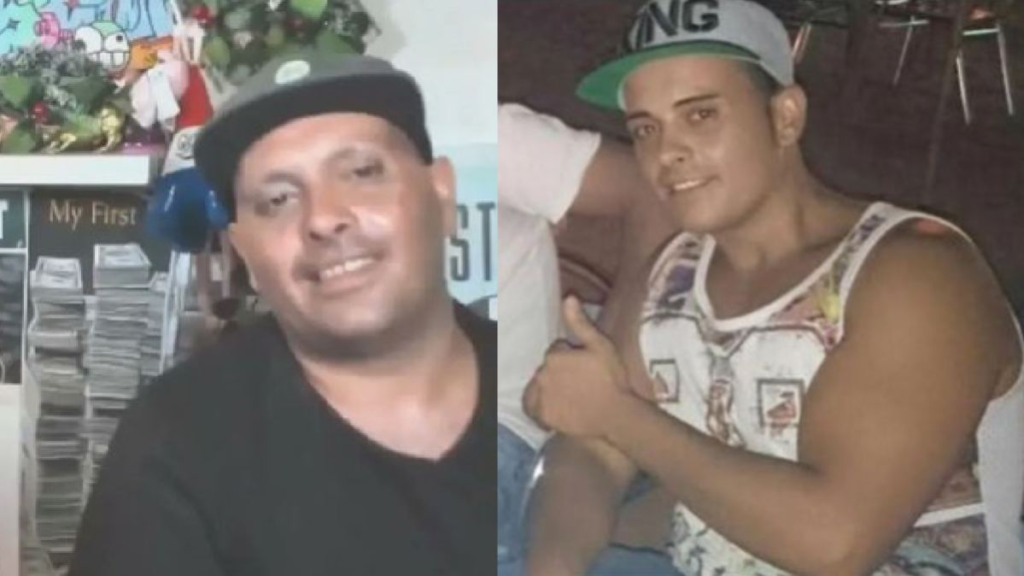
Jiménez’s death has also intensified scrutiny of streaming platforms and their moderation policies. While many platforms prohibit drug use or self-harm in their terms of service, enforcement can be inconsistent, especially in private streams or behind paywalls. Critics argue that platforms profit from high engagement and donations while failing to adequately intervene when content becomes dangerous.
Supporters of stricter regulation say platforms should be required to implement real-time monitoring tools, clearer reporting mechanisms, and automatic shutdowns for streams that involve illegal or life-threatening behavior. At the same time, others point out the difficulty of policing live content at scale, particularly when viewers themselves actively encourage risky behavior. The case underscores the challenge of balancing freedom of expression with the duty to prevent foreseeable harm in an environment where financial incentives can push creators toward increasingly extreme actions.
A Growing Pattern of Fatal Online Challenges
The death of Sergio Jiménez did not occur in isolation. It follows other high-profile cases in which internet personalities died during or shortly after participating in extreme livestream challenges. In August of the previous year, French internet figure Jean Pormanove, also known as JP, died at the age of 46 during a live broadcast. Known for pushing himself through extreme endurance challenges, Pormanove reportedly faced violence and prolonged sleep deprivation as part of his content.
Read : IShowSpeed Sued for Assaulting Gay Robot During Livestream
His death was widely reported and raised similar concerns about the psychological and physical toll of extreme online performance. Jean Pormanove, whose real name was Raphael Graven, was a former military veteran who had cultivated an audience by subjecting himself to harsh conditions on camera. His death, like Jiménez’s, prompted debate over how far content creators are willing to go to maintain relevance and income in a crowded digital landscape.
In both cases, viewers played a role not merely as passive spectators but as active participants who influenced the course of events through donations, comments, and challenges. Experts in digital culture and mental health have noted that livestreaming creates a unique form of pressure. Unlike pre-recorded videos, livestreams unfold in real time, leaving little room for reflection or reconsideration. The presence of an audience, combined with immediate financial rewards, can encourage impulsive decisions and escalation. When substances such as drugs or alcohol are involved, the risk increases dramatically.
The phenomenon has led to renewed calls for education around digital literacy, particularly among both content creators and viewers. Advocates argue that audiences must be made more aware of the real-world consequences of encouraging harmful behavior online, while creators need better support systems and clearer boundaries. Some have also suggested that payment systems integrated into livestream platforms should include safeguards to prevent donations tied to illegal or dangerous acts.
In Spain, Jiménez’s death is now being discussed as a potential turning point. If officially classified as the first documented death resulting directly from a live online challenge in the country, it may prompt legislative or regulatory responses aimed at preventing similar incidents. Such measures could include stricter platform oversight, clearer legal definitions of liability in digital interactions, and public awareness campaigns targeting the risks associated with viral challenges.
As the investigation continues, the case of Sergio Jiménez remains a sobering reminder of how quickly entertainment can turn into tragedy in the digital age. It highlights the human cost behind viral content and raises difficult questions about responsibility in an online ecosystem driven by attention, immediacy, and monetization.
Acespuer… never heard of it before. Gotta be honest. But I’m always down to try somethin’ new. Anyone else playin’ here? What’s the verdict? Go check it out: acespuer